REVIEW · FLORENCE
Florence: Sant’Ambrogio Market Food Tour of 10+ Local Dishes
Book on GetYourGuide →Operated by Secret Food Tours · Bookable on GetYourGuide
Florence tastes better when you follow locals. This Sant’Ambrogio food tour is built around real neighborhoods, with you eating your way through the market life, cafés, and trattorias that locals keep going back to. I like that it’s not just about famous dishes; you’ll also get the everyday stuff Florentines snack on while they do errands, including items like lampredotto and coccoli.
What makes it work is the guiding style. When tours run with guides such as Paolo or Gerardo, the storytelling tends to connect food to the streets you’re walking on, and you don’t feel rushed between stops. The one consideration: it’s a solid 3 hours on foot, so come with comfortable shoes and expect lots of short walking segments and standing time.
In This Review
- Key things I’d plan around
- Meeting at Piazza di Santa Croce and starting like a Florentine
- The morning café stop: pacing, appetite, and how Florentines snack
- Sant’Ambrogio Market: cheeses, salamis, and seasonal shopping you can smell
- Coccoli and market bites: fried dough that anchors the taste test
- Lampredotto and Tuscan street food energy
- Trattoria time: Tuscan starters, pasta, and where wine fits
- Dessert and the secret dish: gelato plus one last surprise
- Price and value: what $115 buys you in real food time
- Who this tour suits best in Florence
- Practical tips for your best 3 hours
- Should you book the Sant’Ambrogio Market Food Tour?
- FAQ
- Where is the meeting point?
- How long is the tour?
- What languages are offered?
- What food is included?
- Is hotel pickup included?
- Do they accommodate dietary requirements?
- Is this tour suitable for wheelchair users?
- What’s the walking like?
Key things I’d plan around
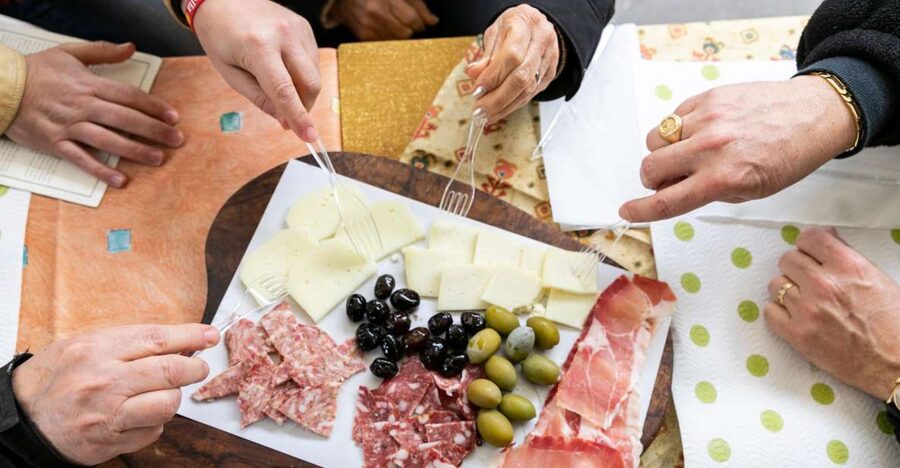
- Sant’Ambrogio Market: seasonal produce, artisanal cheeses, and cured meats in the middle of real daily shopping.
- Florentine street food included: you’ll get lampredotto, a classic you can’t really understand without eating it.
- Food variety is the point: cheeses, salamis, starters, Tuscan pasta, plus fruit and dessert.
- Gelato and a secret dish: you end with handcrafted gelato and a surprise extra bite revealed on the day.
- Wine at select stops: you can expect Tuscan wine alongside some tastings, not as a whole-event theme.
- Small-group feel: past participants have highlighted how the tour stays friendly and not hectic.
Meeting at Piazza di Santa Croce and starting like a Florentine
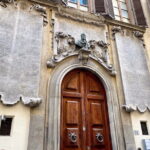
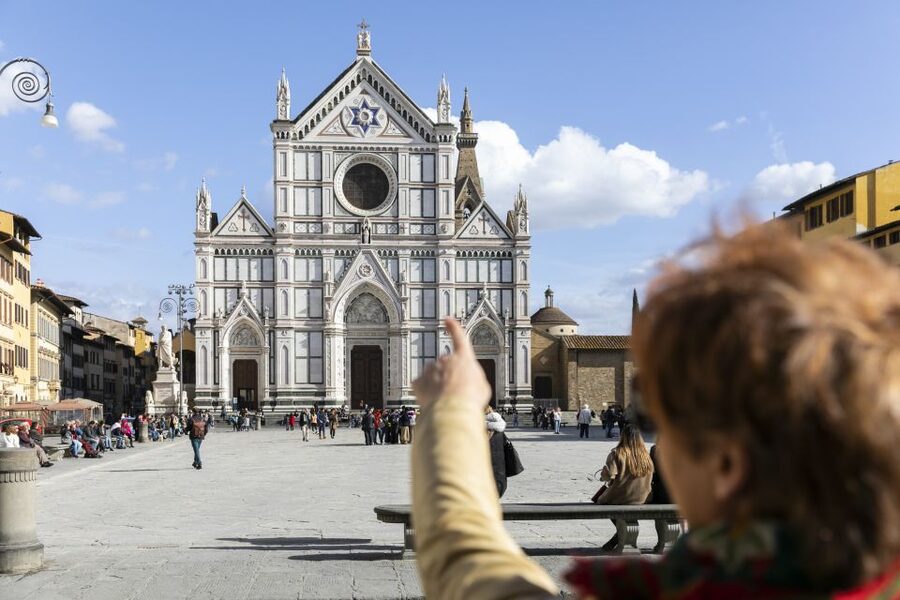
You meet in Piazza di Santa Croce, at the bottom of Dante’s Statue. The tour guide carries an orange umbrella, which makes the first five minutes painless—no wandering around trying to spot a group with matching shirts.
This matters more than it sounds. Starting near a major landmark gives you an easy mental anchor, and from there you can shift into “local mode” quickly. You’re also in a good spot to begin a food-focused walk without immediately feeling like you’re trapped in a tourist queue.
You’ll then head toward a café where the day’s flow is explained in a very practical way: how Florentines tend to start morning, what they order, and how that fits with the rest of the day’s eating. Even if you’re not a coffee person, this first stop sets expectations for what comes next—quick bites, small plates, and lots of tastes that stack together.
You can also read our reviews of more food & drink experiences in Florence

The morning café stop: pacing, appetite, and how Florentines snack
The tour starts in a café, and the point isn’t just to hand you something sweet or salty. It’s to show you how food rhythm works in Florence—small, frequent choices rather than one big meal that drags on forever.
I like this approach because it helps you avoid the classic mistake on food tours: arriving hungry, then getting stuffed early. By the time you move to the market, you’ll already know what kind of portions to expect and how to judge what you’re tasting. The guide also gives you context while you’re eating, so you’re not just chewing through food—you’re learning why it’s there.
Also, this café start helps with the logistics of timing. You get moving early enough that you’re not constantly waiting around for the next stop, and you can settle into a comfortable pace for the full 3-hour loop.
Sant’Ambrogio Market: cheeses, salamis, and seasonal shopping you can smell
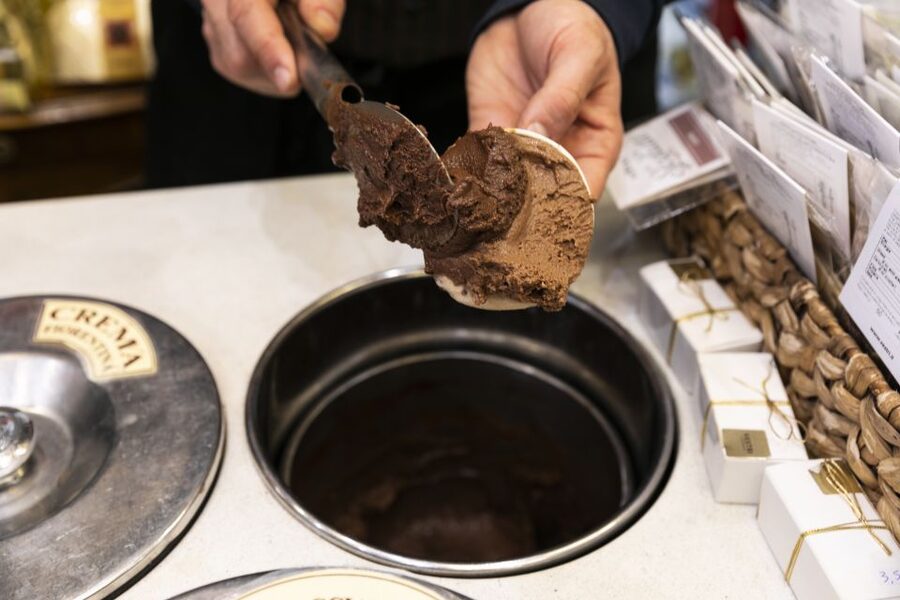
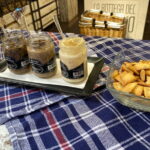
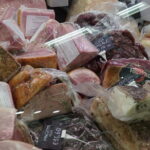
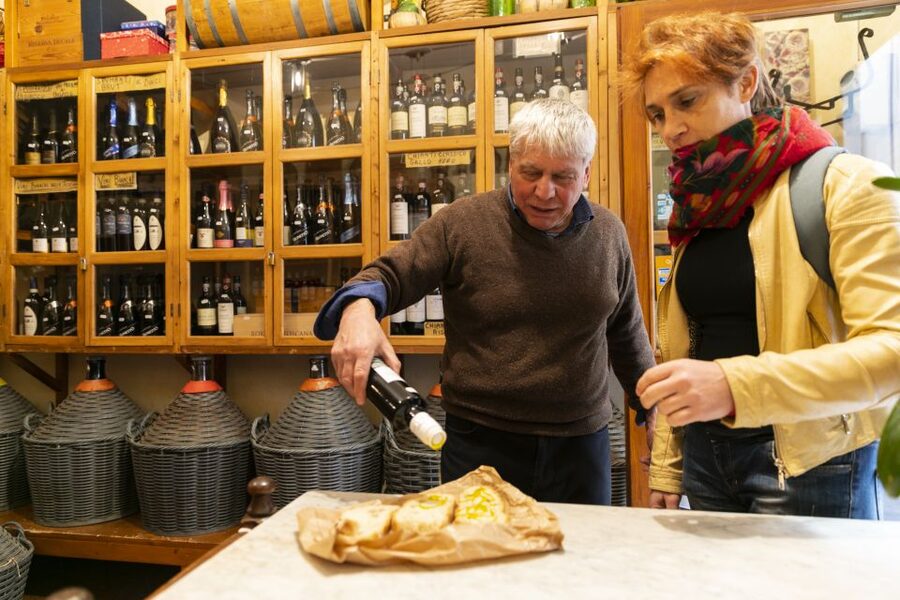
Sant’Ambrogio is the show here, and it’s a smart choice. You don’t just stop next to the market—you walk through the market environment that locals use to stock their kitchens. That means you’re seeing the grocery culture behind the food, not only the food itself.
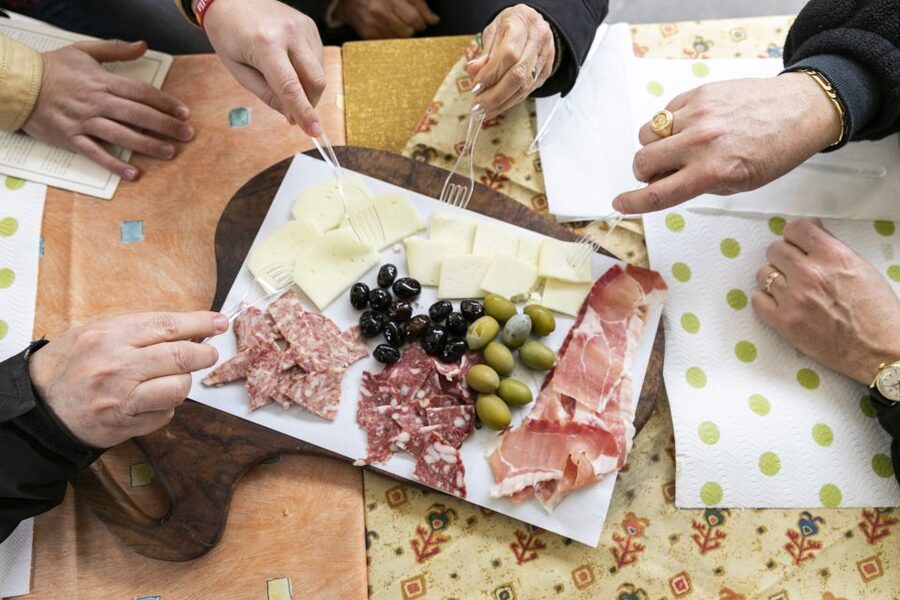
At the market, you’ll sample:
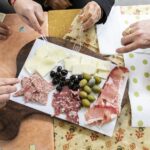
- Tuscan cheeses
- Tuscan meats, hams, and salamis
- Seasonal fruits
- Regional bread pairings (so you understand what locals taste together)
This is where the tour earns its title. In a big city, “Italian food” can become vague. Here, you get the specifics: cured meats and cheeses that make sense as daily staples, and produce that changes with the season. Even if you’re not a serious cook, that seasonal angle helps you make better choices when you’re grocery shopping later—or picking items off menus.
One more practical upside: markets are loud, busy, and a little sensory overload. A guide keeps you oriented, so you know what to look for and what to taste while you’re there. That’s especially helpful in Florence, where the architecture and the crowds can distract you from the actual point: getting a feel for how the neighborhood eats.
Coccoli and market bites: fried dough that anchors the taste test
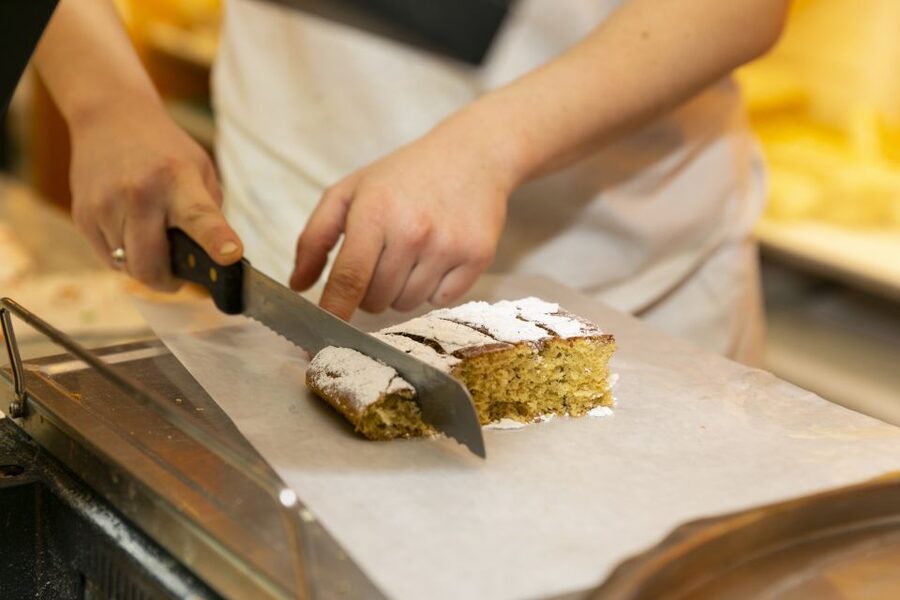
Among the included tastings is coccoli, the fried dough balls that show up across Tuscany. It’s not a “filler” item. It gives you a texture anchor—crisp outside, soft inside—so when you start sampling cheeses and cured meats, you’re not only relying on flavors. You’re also tasting how the food behaves together.
Why I like including something like coccoli here: it helps you understand Tuscan eating as practical and snackable. It’s food built for real life, not just for Instagram plates. When you later order similar items in a trattoria, you’ll recognize the role each component plays.
If you’re the type who worries you’ll get full too early, coccoli is a good sign the tour designers know how to pace the experience. It’s satisfying without being heavy enough to shut down your appetite for the rest of the tastings.
Lampredotto and Tuscan street food energy
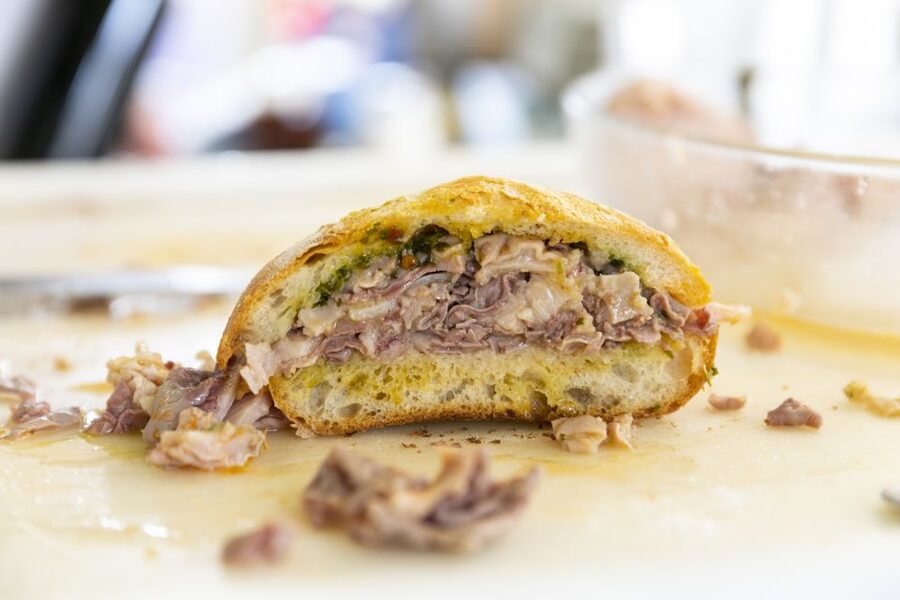
Then comes one of Florence’s most identifiable foods: lampredotto. This is a must-eat, and a tour is the easiest way to try it without guessing.
Lampredotto can sound intimidating on a menu, but the guide’s job is to put it into context: what it is, how it’s typically served, and what makes it Florentine rather than just “tripe with sauce.” You’re not just trying a dish. You’re learning a local logic for street food—how it’s built to be eaten quickly, richly, and repeatedly.
I also like that the tour doesn’t treat lampredotto as the only bold moment. You’ll keep building the flavor story afterward with starters, soups, and pasta. So the experience feels like a set of connected tastings rather than a single dramatic bite that you forget five minutes later.
A few more Florence tours and experiences worth a look

Trattoria time: Tuscan starters, pasta, and where wine fits
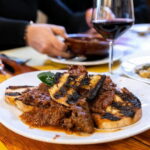
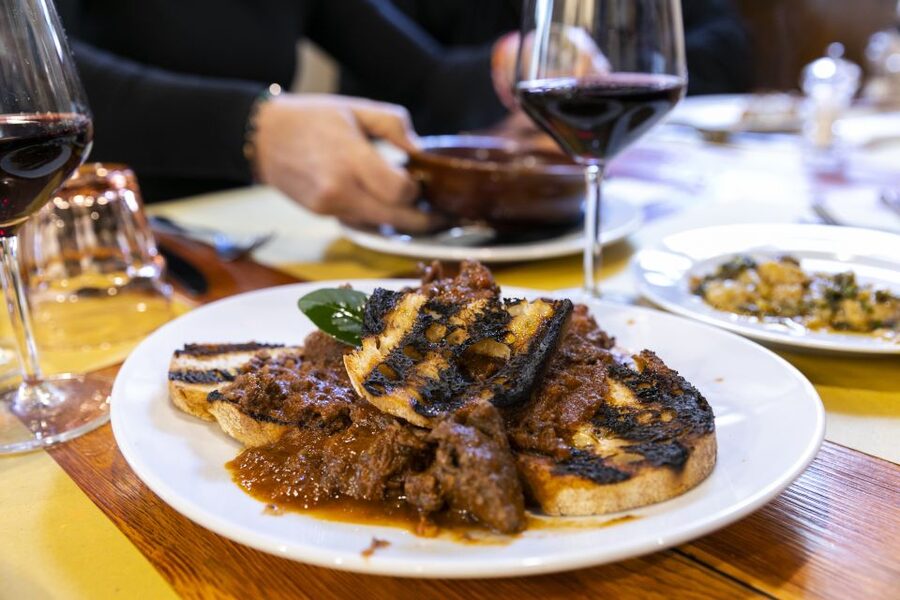
You’ll spend time in a family-owned trattoria with a selection of traditional Tuscan starters and pasta dishes. That stop is important because it shifts you from market snacks to sit-down comfort food—still Italian, still local, but with a different tempo.
This is also where you get a fuller sense of Tuscan meals without committing to a long restaurant schedule. The tour is built for people who want flavor depth in a small window. You get enough variety to spot patterns: what herbs show up, how sauces feel, and how cheeses and meats keep reappearing as supporting players.
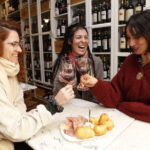
At select stops, you’ll also be served Tuscan wines. The key word is select. You’re not automatically pairing every bite with wine; you’re getting a taste of how locals choose to drink alongside food. For me, that’s the sweet spot: you can enjoy the wine if you want, but it doesn’t turn the entire tour into a heavy alcohol experience.
One small reality check: the exact order and menu can change based on availability and weather. That’s normal for a neighborhood-based tour. The planning win is that the tour is built around the neighborhood’s core foods, so even if one stop shifts, you still get the heart of the menu.
Dessert and the secret dish: gelato plus one last surprise
You’ll finish with dessert, and the tour is careful about ending on the right note. First, you’ll get artisanal gelato—handcrafted and creamy, the kind of gelato that actually tastes different from the generic stuff you see everywhere.
Then there’s the fun part: the Secret Dish, revealed only on the day. I love this detail because it adds a little suspense without turning the tour into a gimmick. It also gives you a flexible finish: guides can choose a surprise that fits what’s available and what the day’s pacing allows.
From a practical standpoint, ending this way is smart if you’re worried about overscheduling. You don’t have to hunt for dessert afterward. You already have a built-in sweet ending that feels connected to the neighborhood foods you’ve been tasting.
Price and value: what $115 buys you in real food time
At $115 per person, you’re paying for three things at once:
- Access to neighborhood stops you might not find on your own
- Multiple tastings across cheeses, meats, street food, pasta, fruit, and gelato
- A guide who explains what you’re eating as you go
Food tours can be risky if they end up feeling like you’re paying for a walking club. This one feels more like you’re buying structure—tastings that make sense in sequence. You’re not only sampling ingredients; you’re learning how Tuscan cuisine works as a daily system.
Also, the tour includes water, which sounds small, but it keeps the experience comfortable over three hours. And the inclusion list is substantial: coccoli, lampredotto, seasonal fruit, multiple categories of meats and cheeses, starters, pasta dishes, gelato, the secret dish, and wine at select stops.
If you come hungry and you actually taste carefully (instead of rushing through bites), the price starts to feel like it covers a full meal plus snacks plus dessert, with guide guidance that you’d otherwise pay for in time and effort.
Who this tour suits best in Florence
This is a great fit if you:
- Want authentic neighborhood food rather than only museum-and-statue tourism
- Like the idea of learning through eating—what to order and why
- Enjoy tasting meat and cheese styles that are more specific than generic Italian descriptions
- Prefer a guided plan over guessing your way through multiple places
It’s also a good choice for first-timers because it gives you a practical sense of what Florence tastes like beyond the postcard dishes. And if you’re traveling with friends, the tour has been described as staying intimate and not rushed, which matters when you don’t want to shout over a huge crowd.
If you’re someone who needs fully sedentary breaks or has mobility limits, note that it’s not suitable for people with mobility impairments or wheelchair users. The tour involves a fair amount of walking, and you’ll be on city sidewalks through markets and dining stops.
Practical tips for your best 3 hours
- Wear comfortable shoes. You’ll be walking a fair amount, and Florence sidewalks don’t forgive flimsy soles.
- Come with a real appetite. This is multiple tastings across categories, so an early light snack can dull the experience.
- If you have dietary needs, contact the operator in advance so they can cater as best they can. The tour can adjust based on the day’s availability, but you’ll get better results when you plan early.
- Expect some schedule changes. It’s normal with market and trattoria operations, so don’t build a tight timeline for right after the tour.
Should you book the Sant’Ambrogio Market Food Tour?
Book it if you want a thoughtful, food-first morning in Florence’s local heart. The mix of market tastings, lampredotto, Tuscan pasta and starters, plus gelato and the secret dish gives you variety without randomness. And the guide-driven storytelling—especially when led by people like Paolo or Gerardo—turns the walk into something more useful than a list of places.
Skip it if you hate walking, want only vegetarian tastes with no flexibility, or you’re looking for a quick two-bite stop. This tour is made for people who like to eat steadily, taste widely, and leave with a stronger feel for how Florentine food culture actually works.
If that sounds like you, this is an easy yes.
FAQ
Where is the meeting point?
You meet in Piazza di Santa Croce, at the bottom of Dante’s Statue. The guide will have an orange umbrella.
How long is the tour?
The tour lasts about 3 hours.
What languages are offered?
The live tour guide speaks English.
What food is included?
Included tastings include coccoli, lampredotto, seasonal fruits, Tuscan meats, hams, and salamis, Tuscan cheeses, traditional Tuscan starters and pasta dishes, artisanal gelato, water, plus Tuscan wine at select stops and a Secret Dish.
Is hotel pickup included?
No. Hotel pickup & drop off are not included.
Do they accommodate dietary requirements?
You should contact the operator in advance about any dietary requirements so they can cater for you as best they can.
Is this tour suitable for wheelchair users?
No. It is not suitable for people with mobility impairments or wheelchair users.
What’s the walking like?
It involves a fair amount of walking, so comfortable shoes are recommended.