REVIEW · FLORENCE
From Florence: Tuscany Wine & Food Tour with Guide
Book on GetYourGuide →Operated by Prestige Rent - Tours in Italy · Bookable on GetYourGuide
Wine and views, all in one day.
This is a small-group Tuscany outing built around real tastings: you visit three wineries in the Chianti area, sample local olive oil and balsamic vinegar, and eat a typical Tuscan lunch that’s paired with the wines. Guides you’ll meet on this trip, like Leo, Jonathan, Jason, and Suzy, tend to make the day feel personal, with a mix of wine talk, Florence context, and jokes that keep the van rolling.
Two things I really like about this kind of tour day: you get enough time at each stop to ask questions and compare styles, not just rush through. And you also get one proper break in Greve in Chianti, so the day is more than a tasting sprint. The one drawback to plan for: the day runs about 8 hours, includes winding countryside roads, and you’ll face a few stairs to access cellar areas.
In This Review
- Quick hits before you go
- Tuscany Wine and Food Tour from Florence: what the 8 hours are really like
- Getting to the meeting point: Piazzale Montelungo, not the closed station exit
- The van ride through the Chianti hills: why it sets up the tastings
- Winery Stop 1: organic cellar visit and your first real tasting set
- Winery Stop 2 hilltop estate: the wine expert moment and lunch pairing
- Greve in Chianti town break: the main square reset
- Final stop: family-owned villa, Italian garden views, and last tastings
- What you’ll taste: red wine focus, plus olive oil and balsamic vinegar
- Food on the tour: Tuscan lunch with cured meats, bruschetta, pasta, and dessert
- Small-group value: is $175 per person a good deal?
- Who should book this, and who might skip it
- Final verdict: should you book this Tuscany wine and food tour from Florence?
Quick hits before you go
- Max 25 people keeps the vibe relaxed, so tastings and questions don’t feel crowded
- Three different winery styles lets you compare winemaker choices side by side
- Olive oil + balsamic vinegar tastings go beyond wine, and you learn how the region thinks about flavor
- Greve’s main square break is your chance to slow down and wander without a schedule
- Chianti-focused reds (Sangiovese) are the center of the tasting lineup
- Winding roads mean you should plan for motion sensitivity if you get car sick
Tuscany Wine and Food Tour from Florence: what the 8 hours are really like
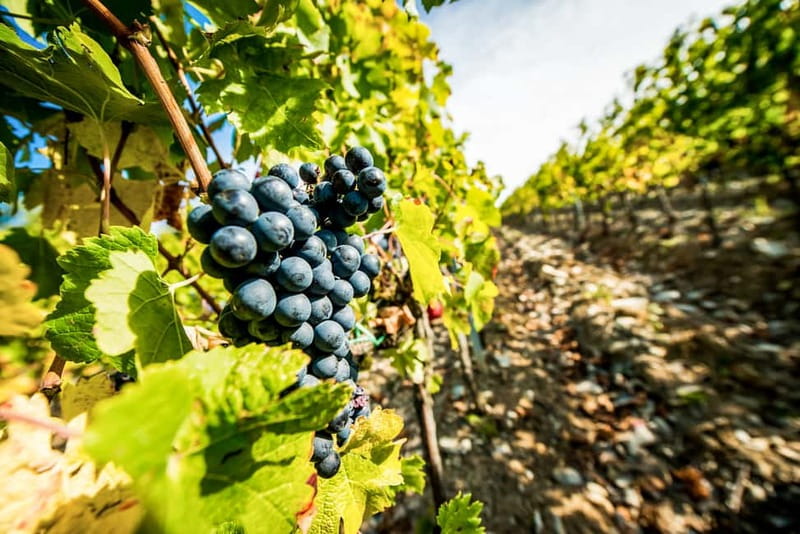
This is a day trip that trades stress for rhythm. You’ll start in Florence, then spend the rest of the day moving through the Chianti hills—first with winery visits, then with lunch, then with a town stop in Greve, and finally another historic estate tasting before heading back.
In the way these tours work, the whole experience depends on pace. Here, the timing is built to avoid that common issue where you feel like you’re standing around waiting for the next group. You’ll have time to walk through parts of each winery property, sit down for a proper meal, and enjoy scenery from the bus during the transfers.
Also, this is not a one-size-fits-all wine day. The tastings focus on red wines because this is Chianti country, famous for Sangiovese. If you prefer whites, you can still have fun—just expect the reds to be the main event.
You can also read our reviews of more food & drink experiences in Florence
Getting to the meeting point: Piazzale Montelungo, not the closed station exit
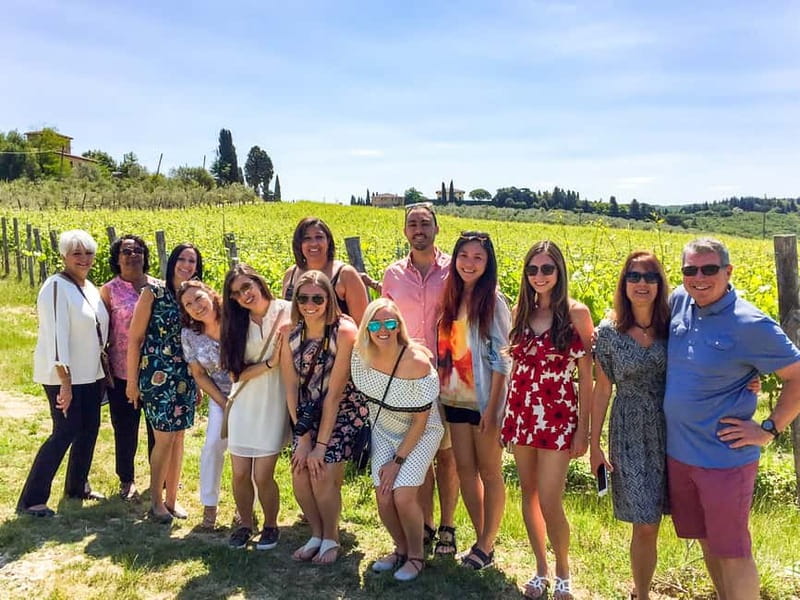
Your start point is Piazzale Montelungo (bottom of the highest red-brick building, opposite the parking lot). It’s about an 8-minute walk from Florence SMN Train Station. Look for a red flag or a sign with the Prestige Rent logo to check in.
If you’re using Google Maps, skip the route that passes through the train station. The exit there is closed. This sounds small, but it can waste time right at the beginning, and you don’t want to be sprinting in Tuscany heat or fog.
Once you’re aboard, you’ll ride in an air-conditioned vehicle with Wi‑Fi on board. That matters more than you’d think when your day starts early enough to catch the first winery visit and you want to stay connected while you’re waiting to taste.
The van ride through the Chianti hills: why it sets up the tastings
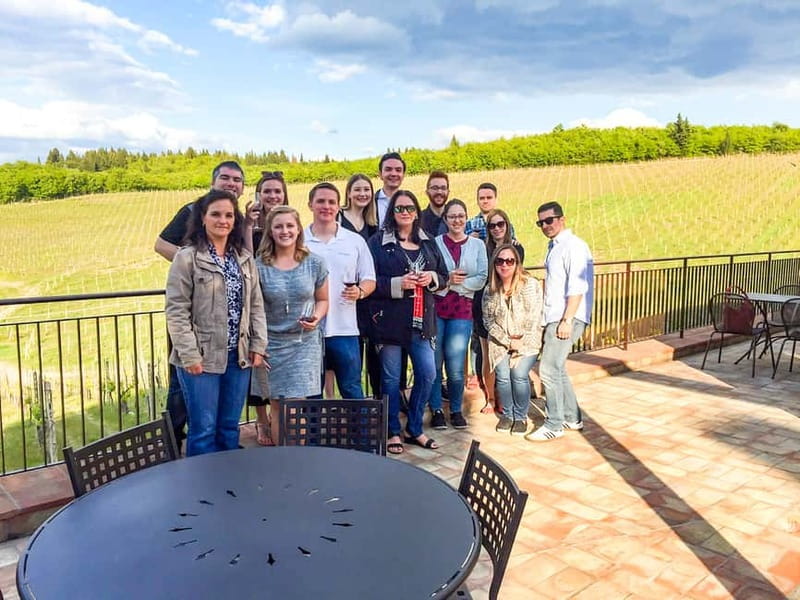
The best wine days include the roads, not just the cellars. Between stops, you’ll drive through that classic rolling Tuscan countryside where every turn seems to reveal another patchwork of vineyards and olive groves. Even when the weather is gray, the hills can still look theatrical—fog softens the edges and makes the landscape feel closer and slower.
Practical note: the roads are winding. If you’re prone to car sickness, this is not the day to ignore that fact. Plan ahead by bringing motion sickness remedies and using a seat where you feel the least rocking.
Winery Stop 1: organic cellar visit and your first real tasting set
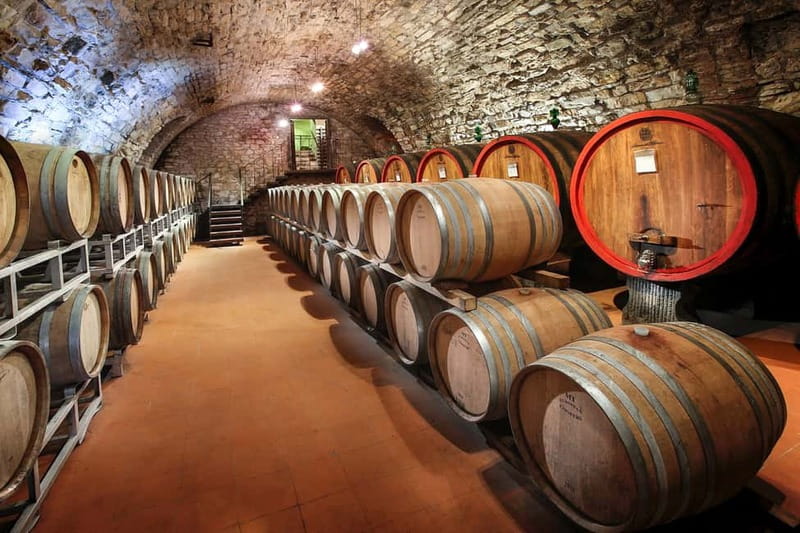
Your first winery is in the Chianti area and is presented as an organic stop. You’ll learn about the winemaking process by seeing how the place works: farm areas, a cellar visit, and an explanation of the steps that turn grapes into wine.
This first stop usually sets the tone for everything that follows. You get your baseline—what the winery believes matters, what they’re proud of, and what they want you to notice in the glass. Then you taste local wines plus the region’s flavor anchors like olive oil and balsamic vinegar.
The upside of starting with education is that the next two tastings feel like comparisons, not separate events. The only “watch out” is logistics inside: there are a few stairs to access wine cellars, so the day is not a fit for wheelchair users.
Winery Stop 2 hilltop estate: the wine expert moment and lunch pairing
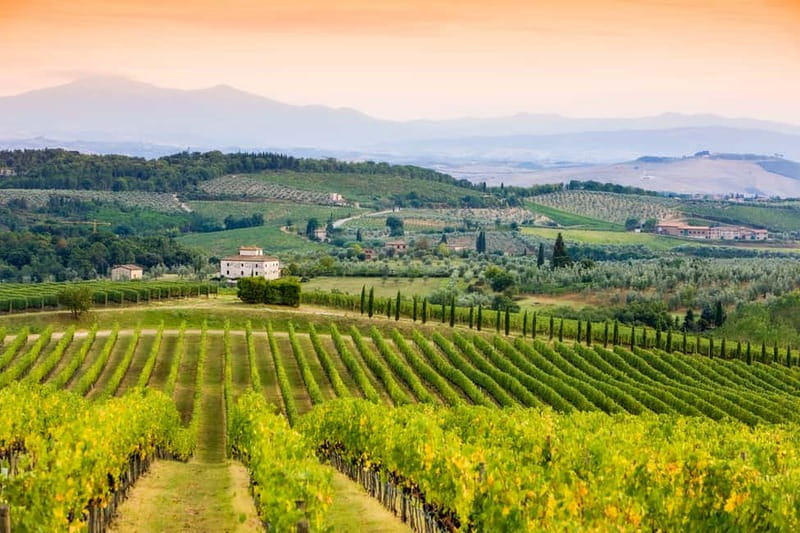
Next comes another selected hilltop estate, with a wine expert waiting to share facts and stories about the process. This stop matters because it shifts you from general winemaking ideas to the human choices behind the wine—how the estate manages vines, how they think about ripeness, and why their approach produces a specific flavor profile.
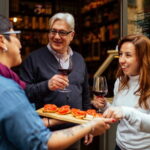
Then you sit down for lunch at this winery, accompanied by their own wines and products. Lunch is not a tiny snack here. It’s built as a light Tuscan meal with multiple components, and you’ll feel the pairing idea in practice: wine with cured meats, wine with pasta, wine with dessert.
A small consideration: lunch portions can feel modest at some stops, even when the overall meal is satisfying. If you’re the type who needs a big feed to stay happy all day, keep an eye on timing and make sure you eat well before the tour starts.
A few more Florence tours and experiences worth a look

Greve in Chianti town break: the main square reset
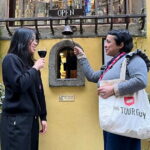
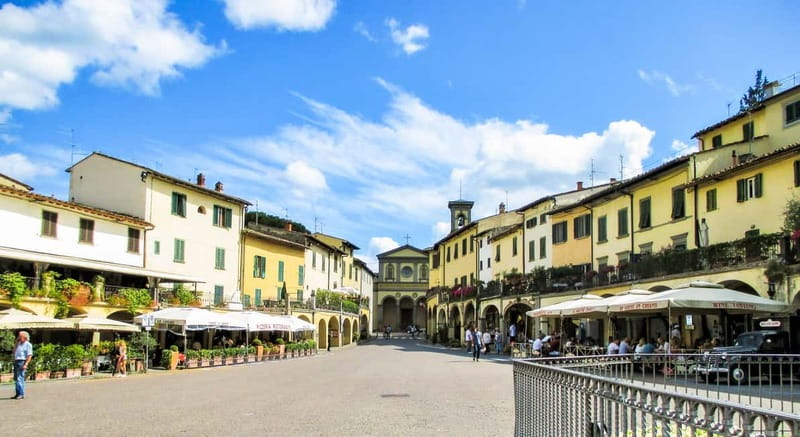
After lunch, the tour heads to Greve in Chianti, described as one of the most representative villages of the area. You’ll have free time to admire the main square and move at your own speed for a bit.
This town break is more than a pause in the schedule. It gives you a change of pace from tasting rooms and lets you experience what Chianti looks like when it’s not organized around wine tourism. It’s also the moment you’ll appreciate the drive that got you there—Greve feels like the center of the hills, not an afterthought.
If you want to make the most of your time, ask your guide for practical suggestions on what to try nearby (some guides will point you toward simple pleasures like gelato). Then wander just enough to feel the vibe, and return before the group needs to head back to the vehicle.
Final stop: family-owned villa, Italian garden views, and last tastings
The last stop is a historical family-owned villa and winery. Here, the highlight is partly what you taste and partly what you see: the views back toward Florence and a noted Italian garden in the area.
At this stage of the day, you’ll likely notice patterns. You might find yourself thinking about how each winery’s philosophy shows up in the wine—whether it’s bolder structure, softer fruit, or a different emphasis on how the wine tastes with food.
You’ll taste local products made with respect for the cultivation traditions of the region. Like the other stops, this is not one tasting flight and out the door. It’s a final chance to compare and, if you want, pick up bottles to take home.
In some cases, wineries can also offer ways to purchase bottles for shipment back home. It’s smart to ask on site if that’s something you want, because options vary by winery.
What you’ll taste: red wine focus, plus olive oil and balsamic vinegar
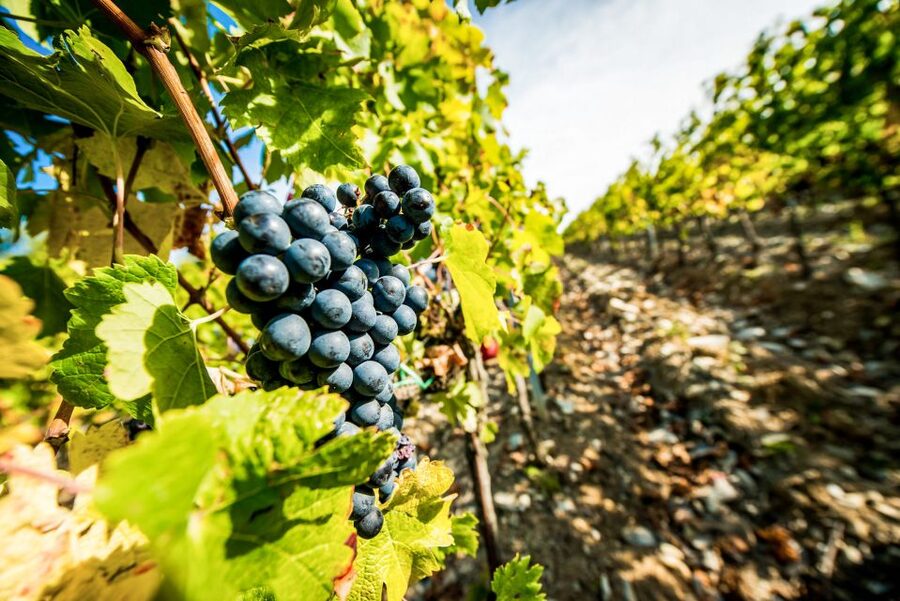
The tastings are focused on red wines, because the Chianti area is known for red wines primarily made with Sangiovese. That means many of the pours you’ll see are built around that grape identity—so you’ll learn quickly what Chianti styles taste like when they’re made in different ways.
Still, this tour isn’t only about wine. You’ll also do olive oil tasting and balsamic vinegar tasting, which gives you context for why Tuscan food tastes the way it does. Olive oil is often peppery and grassy when it’s fresh; balsamic vinegar brings sweetness and tang that can make even simple dishes feel more complex. The point isn’t to become an expert by afternoon. It’s to taste like a local—then eat like a local.
Food on the tour: Tuscan lunch with cured meats, bruschetta, pasta, and dessert
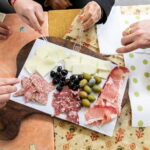
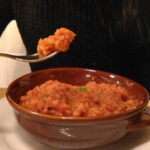
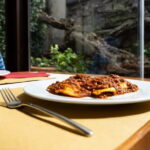
Lunch is a key part of this experience. It typically includes assorted cold cuts, cured ham, salami, cheeses, bruschetta, pasta (often handmade), and dessert. You’ll also get wine pairing alongside the meal.
At the wineries, you may also find little extras with wine—bread and small bites that help you keep tasting without feeling overwhelmed. One of the nice things about this format is that it trains your palate. When you taste wine with food, you stop thinking only in terms of grape notes and start tasting how wine behaves with salt, fat, and herbs.
If you’re vegetarian, there’s a solution: a vegetarian menu can be catered for when you request it at booking. Don’t wait until the day-of if you have specific needs.
Small-group value: is $175 per person a good deal?
At $175 per person for an 8-hour outing, value comes from the mix. You’re paying for more than transportation. You’re paying for three guided winery visits, wine tastings (plus olive oil and balsamic vinegar), and a lunch pairing.
The small-group format is part of the economics too. A standard version of this kind of trip runs with 50/60 people; this one caps at 25. That usually means you spend less time waiting and more time tasting, asking questions, and actually learning something you can remember.
Another value driver: the three wineries are meant to be different—so you aren’t just re-hearing the same story three times. When the day works well, you walk away with comparisons you can talk about later: which estate was more traditional, which leaned more modern, and how each food pairing changed the wine.
If you’re expecting a bargain “bus tour,” this isn’t that. But if you want real access to winery staff and a full Tuscan food-and-wine day, it feels like the right price for what’s included.
Who should book this, and who might skip it
This tour is a great fit if you want:
- A wine-and-food day that feels structured but not rushed
- A small-group atmosphere where you can talk with guides and winery staff
- A Chianti-focused tasting experience built around Sangiovese reds
- A chance to see Greve without planning your own transport
You might skip this if:
- You need wheelchair accessibility (cellar areas involve stairs)
- You’re traveling with children under 12
- You get car sick easily on winding roads
- You’re expecting a primarily white-wine itinerary (the tastings are mainly red)
Also, pets aren’t allowed, so plan accordingly if you’re traveling with animals.
Final verdict: should you book this Tuscany wine and food tour from Florence?
I’d book it if you want a classic Tuscan day done in a way that respects your time: three winery experiences, a real meal, and a real town break in Greve. The small-group cap makes a noticeable difference in how the day feels, and the guide-and-driver setup tends to keep energy up without turning it into chaos.
Book with confidence if you love red wine, want olive oil and balsamic on your tasting list, and would enjoy comparing how different wineries express the same region. If you’re a motion-sickness planner and you know you can handle stairs, you’ll likely have a very smooth day. If not, choose a tour format that better matches your mobility or your comfort on the roads.