REVIEW · TOKYO
Tokyo: Shinjuku Food Tour Highlights (Best Eats)
Book on Viator →Operated by Traveling Tokyo · Bookable on Viator
Tiny bars, big stories in Shinjuku. This 3-hour night tour focuses on the areas that feel hardest to figure out on your own, especially where English menus disappear fast.
I like two things most: you get 10+ dishes plus a real walking culture component, and the group stays small (max 10 for a more personal feel) so the guide can help everyone make good choices. Expect photo support too, so you’ll actually capture the lantern-lit alleys and tiny counters.
One thing to plan for: this is an alcohol-focused tour with an age rule, serving alcoholic drinks only to travelers 20+ (under 20 receive non-alcoholic drinks).
In This Review
- Key highlights that matter in real life
- Shinjuku at night: why this food-and-bar tour works
- From AOKI Shinjukunishiguchi to a tight 3-hour plan
- Omoide Yokocho (Memory Lane): your first taste of post-war Tokyo
- Golden Gai in Shinjuku (Kabukicho area): tiny bars, big personality
- The tasting math: 10+ dishes and what $80 buys you
- Guides make the night: May, Michael, Agathe, Bell, Kay, and Yota
- What to expect at each stop: time, snacks, and the alcohol focus
- Practical tips: cash, photos, and making the night easier
- Who this Shinjuku food tour is best for
- Should you book this Shinjuku food-and-bar tour?
- FAQ
- How long is the Shinjuku food tour?
- Is this tour family friendly?
- What’s included in the price?
- Do they accommodate dietary restrictions?
- How big is the group?
- Where does the tour start and end?
Key highlights that matter in real life
- Access in areas with no English menus: your guide handles ordering and choosing
- Photo help while you walk: you won’t lose chances for good shots
- Omoide Yokocho first: Memory Lane’s narrow, post-war izakaya vibe sets the mood
- Golden Gai bar hopping in small spaces: intimate, old-school Tokyo where locals and visitors mix
- 10+ tastings included: not just a drink stop, you’ll eat and sample as you go
Shinjuku at night: why this food-and-bar tour works
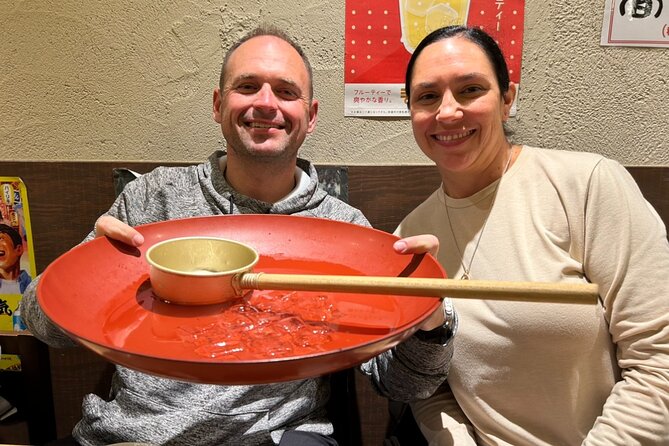
Shinjuku after dark can feel like information overload. One minute you’re in bright, busy streets; the next, you’re staring at a doorway that looks like it belongs to someone’s building, not a restaurant. That’s exactly where this tour earns its value: it gives you a path through the confusing parts.
I also like that the experience is built around eating and drinking, not performance. You’re guided to several stops where the local rhythm is the point. Even the pacing makes sense for first-timers: you move on before your feet fully give up, but you still spend enough time to see what’s going on inside.
The tour is also designed for groups and solo travelers. A max group size of 12, with a more intimate max of 10 for the personalized feel, means you’re not just herded along. You’ll have a better shot at asking questions, getting recommendations that match your tastes, and learning how to order.
You can also read our reviews of more food & drink experiences in Tokyo

From AOKI Shinjukunishiguchi to a tight 3-hour plan
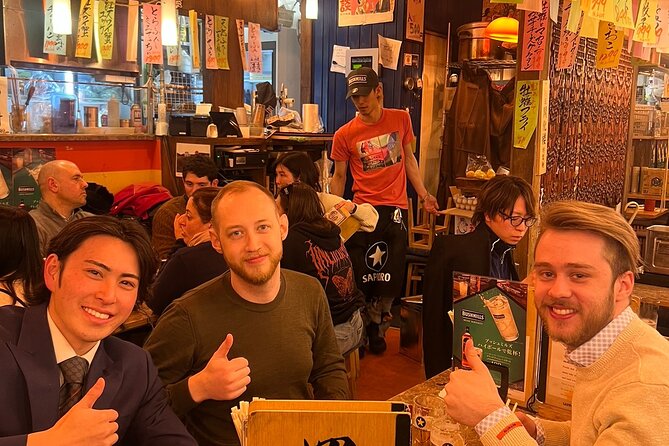
The tour meets at AOKI Shinjukunishiguchi Honten in Nishishinjuku, then ends back at the same meeting spot. It’s near public transportation, which matters in Tokyo: getting to a night activity that’s actually easy to reach saves stress.
Timing is set up for a smooth evening. It runs about 3 hours, with roughly an hour at each of the two main areas. That structure is helpful because it keeps the night focused instead of turning into a long wandering session.
Comfort and flow matter here, since you’ll be moving between very compact places. Golden Gai in particular is made of tiny bar spaces, and you’ll likely do a bit of standing and shifting around. If you hate crowds, go in with realistic expectations: these are small venues, so you may feel the close quarters.
Omoide Yokocho (Memory Lane): your first taste of post-war Tokyo
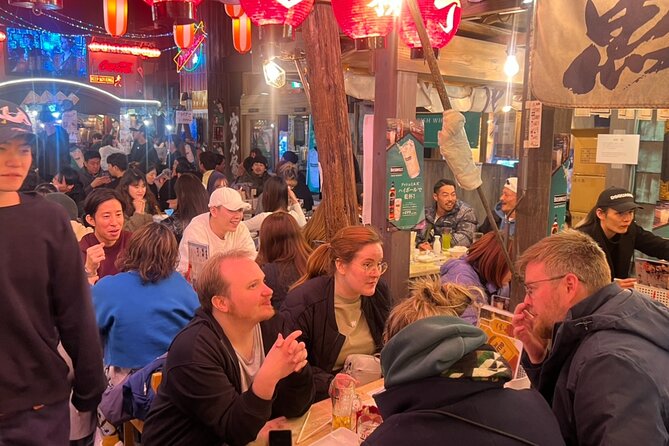
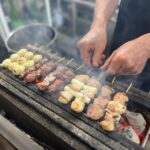
Your first stop is Omoide Yokocho, also called Memory Lane. This area is known for narrow lanes lined with small lantern-lit izakayas. The vibe is the win: you walk in and it feels like the scale of Tokyo shrank, like you stepped into a pocket of older nightlife.
What I like about this start is that it’s a mood-setter. You’re not rushing into the smallest bars in the city first. Instead, you begin with a place where you can take in the atmosphere, watch how people order, and get your bearings for the rest of the night.
The tour includes admission for this stop and includes tasting time, and it’s easy to see why. Omoide Yokocho is the kind of place where English signage isn’t the main thing you need. You’ll likely rely on your guide to help you choose what to try and what to ask for.
A practical note: the lanes are tight. If you’re carrying a bulky bag, you’ll feel it quickly. Keep what you bring minimal for a calmer walk and easier photo-taking.
Golden Gai in Shinjuku (Kabukicho area): tiny bars, big personality
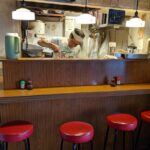
Next comes the famous Golden Gai bar area around Kabukicho. This is Tokyo nightlife in miniature: lots of very small bars, dim lighting, and a layout that makes wandering alone feel awkward. That’s also why a guided crawl is so useful here.
I like that the tour frames Golden Gai as intimate and old-school rather than party-club style. You’re seeing places where locals and visitors share space at small counters or narrow tables. Even if you’ve been to Tokyo’s bigger neighborhoods, Golden Gai is different because it’s built for conversation and quick connection.
The tour doesn’t just point you at a single bar and call it done. It moves through several hidden-feeling spots you’d have a hard time finding without local help. One common theme from guide styles is choice: people focus less on chasing the trendiest label and more on picking the right drink or small dish for the moment.
Admission at this second area is listed as free, so the money goes toward the guided experience and what you’re served. Just expect the environment to be compact. If you’re the type who needs lots of breathing room, plan for that.
The tasting math: 10+ dishes and what $80 buys you
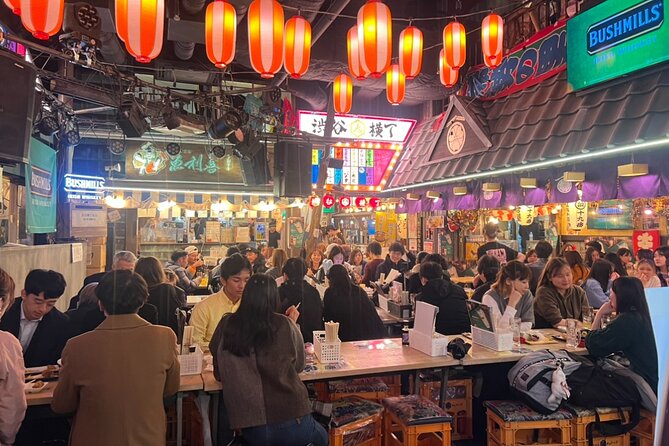
At $80 per person for about 3 hours, this tour is asking you to trust the value of structure. Here’s the reality check: you’re not paying only for walking. You’re paying for access, translation help in spots that often don’t have English menus, and a guided food-and-drink sequence that includes 10+ dishes.
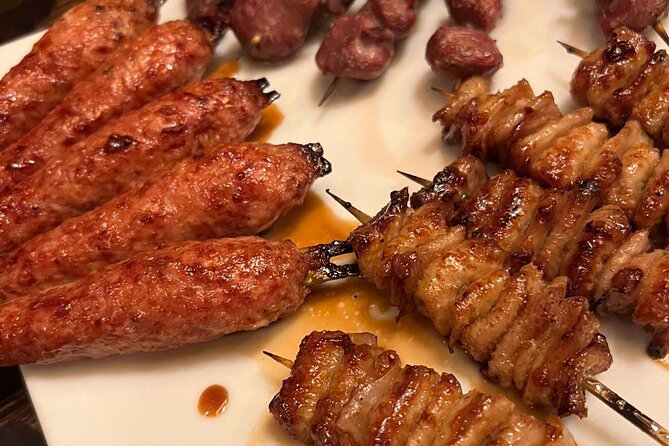
That “10+ dishes” part matters. A Tokyo bar crawl can turn into a few token snacks. This one is built as an actual tasting circuit, meaning you’ll have more chances to try different flavors instead of just sampling one drink and moving on.
It’s also a smart deal if you’re traveling solo. Golden Gai is exactly where you might want company, but not because you want a loud party. You want a local filter—someone to guide you away from wrong turns and help you order without guessing.
Could the price feel high if you’re only after one or two drinks? Sure. If your ideal night is purely casual and you’d rather pick your own bars without structure, you might prefer a lighter DIY approach. But if you want someone to handle the hardest parts—what to try, where to go, and how to navigate language barriers—this price starts to make sense.
A few more Tokyo tours and experiences worth a look



Guides make the night: May, Michael, Agathe, Bell, Kay, and Yota
One of the strongest signals from past guests is how much the guide affects the night. Names come up again and again, and the theme is clear: the best guides don’t just list facts. They help you make good decisions in real time.
May gets praised for being great and making the night enjoyable and informative. Michael is highlighted for giving the real feel for the city, not only food. Agathe is described as both fun and informative, with enough confidence to steer you toward the right choices—and even a last stop with a speak-easy type of vibe. Bell is credited with lots of Tokyo and Japanese culture context, plus steering people toward locals-only spots. Kay earns compliments for being knowledgeable, entertaining, and effective. Yota also shows up with strong reviews for making the experience memorable and for turning the locals’ sake stop into something you’d miss on your own.
Even if you never catch the exact same guide, you can use this as a buying signal. This tour is built around the idea that guidance is the product. You’re paying for the guide’s ability to connect you to places you couldn’t easily access alone.
And yes—your guide can help take photos throughout the tour. That’s not a minor detail in Tokyo night streets. Lighting is unpredictable, spaces are tight, and it’s easy to miss chances if you’re trying to operate your camera while moving.
What to expect at each stop: time, snacks, and the alcohol focus
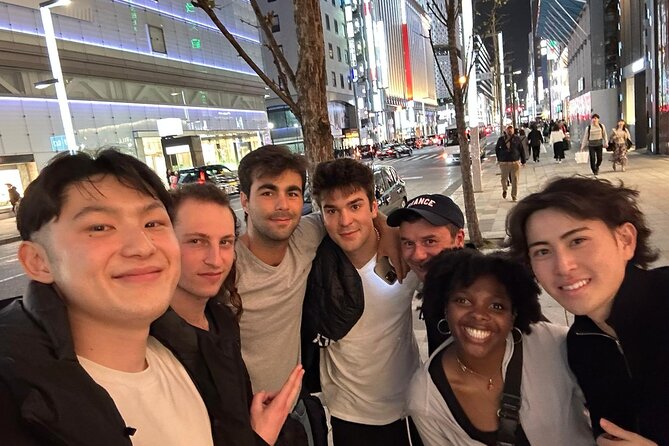
You’ll spend about an hour at Omoide Yokocho, then about an hour around Golden Gai. The pacing is quick enough to keep things lively, but not so rushed that you never sit down or taste.
At the first two stops, the format is typically light snacks and drinks rather than full meals. That’s normal for this kind of circuit. Your included tastings and dishes are the core value; the point is to sample and compare as the night progresses.
Drinks are part of the concept. Sake and cocktails are specifically mentioned as options you may try. The important constraint is age: you’ll only be served alcoholic drinks if you’re 20 or older. If you’re under 20, non-alcoholic drinks are served instead, so you can still participate fully in the food-and-culture side.
This tour is also set up to handle dietary needs like vegetarian, vegan, and gluten-free. The best move is to specify it at booking in your special requirements, so the guide can plan what you’ll be served without last-minute scrambling.
Practical tips: cash, photos, and making the night easier
I’ll keep this practical. Do two things before you go, and the night feels smoother.
First: bring enough yen. One review calls this out clearly. Even with tastings included, you might want to buy something extra at a bar, or you may run into situations where cash is simply the simplest way to avoid friction in small venues.
Second: wear shoes you can stand in. Tiny bars mean limited seating, and Golden Gai in particular can be standing-room friendly. Plan for the reality that you’ll move through short distances many times, not one long hike.
Photos are another advantage here. Since the guide helps take pictures, you can slow down at the right moments. Still, don’t expect perfect “travel brochure” shots in every narrow space—some places have limited visibility and tight corners. Think: memories you’d actually want, not studio work.
Alcohol rules and menus are the big barrier issues in this area. With no-English-menu bars, your guide becomes your translator and your menu translator. That’s why small-group size matters: you’ll get more attention when ordering choices come fast.
And if your plans shift, you can cancel for a full refund up to 24 hours in advance. That gives you breathing room, especially in Tokyo where weather or schedule changes happen.
Who this Shinjuku food tour is best for
This experience is a strong fit if you want:
- A guided route through Shinjuku’s harder-to-navigate nightlife
- Real food-and-drink tastings, not just a quick drink stop
- Help ordering in spots that may not have English menus
- A smaller group that feels more personal (max 10 for that feel)
It’s also great if you’re solo. Golden Gai is easy to admire from outside and hard to enjoy fully if you don’t know what you’re looking for. A guide helps you get in, order with confidence, and meet other people without turning the night into a loud group event.
If you’re traveling with friends who hate structure, you might not love the guided aspect. Also, if you don’t drink at all and you dislike any alcohol-centered atmosphere, you may still enjoy the tastings and culture focus—but the tour concept is clearly built around sake and cocktails.
Should you book this Shinjuku food-and-bar tour?
Book it if you want a smart, guided night in Shinjuku with real tastings and access to tiny places you’d skip because the menus feel intimidating. The value isn’t only the $80 price tag. It’s the combination of 10+ dishes, English-menu obstacles solved by your guide, and photo help so you can actually capture the moment.
Skip it if you’re the type who prefers total freedom, or if you’re only interested in one drink and you’re fine figuring out small bars on your own. Also, if you’re uncomfortable standing in close spaces, go in with clear expectations for Golden Gai’s layout.
Overall, this is the kind of tour that makes Tokyo feel like Tokyo—because you’re seeing the small, real places, not just the ones with big signs.
FAQ
How long is the Shinjuku food tour?
The tour lasts about 3 hours.
Is this tour family friendly?
It serves alcoholic drinks only for travelers 20 years old and above. If you’re under 20, you’ll be served non-alcoholic drinks.
What’s included in the price?
The tour includes a professional expert guide, city walking and culture tour, photos during the tour, and 10+ dishes. Tips are not included (optional).
Do they accommodate dietary restrictions?
Yes. Vegetarian, vegan, gluten-free, and other dietary restrictions can be accommodated if you indicate your needs at booking.
How big is the group?
The experience has a maximum of 12 travelers, with a max group size of 10 for a more personalized experience.
Where does the tour start and end?
It starts at AOKI Shinjukunishiguchi Honten and ends back at the same meeting point. The location is near public transportation.