REVIEW · JAIPUR
Guided Jaipur Heritage & Food Walk with Shopping
Book on Viator →Operated by India Guided Tours · Bookable on Viator
Jaipur moves fast, and so does this walk. This short, guided route threads together Jaipur’s old-city landmarks with classic street food stops, so you get a lot of “real Jaipur” in about 3–4 hours. I especially like how it starts at a recognizable landmark and then swings into the Pink City gates and bazaars.
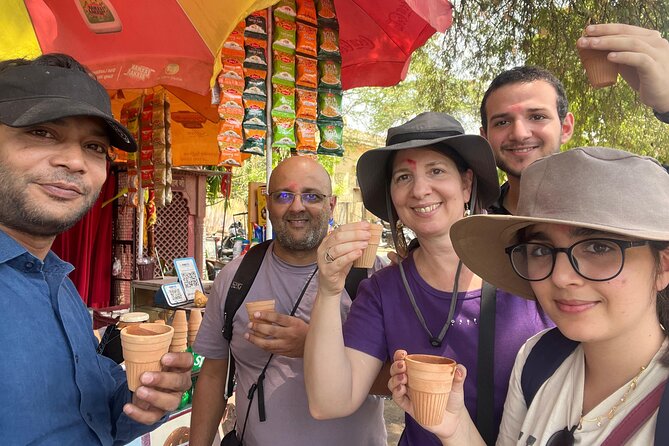
Two things I’d bet you’ll like too: first, the included lassi, tea, snacks, and kulfi make the walking break up naturally, not like a checklist. Second, you get pickup and drop-off, plus a private tuk-tuk or car based on what you prefer, so you spend less time figuring out transport.
One thing to consider: you are on your feet and in crowded streets at times, so plan for short walking stretches and keep snacks and water in mind if it’s hot.
In This Review
- Key highlights worth your time
- What You’re Really Paying for Around $11 in Jaipur
- Pickup, Tuk-Tuk/Car, and How the Time Slots Work
- Raj Mandir Cinema and the Start That Gets Your Bearings Fast
- Lassiwala Sweet Lassi to Ajmeri Gate: Pink City Gateway to Food
- Choti Chaupar to Tripolia Gate: Squares, Flowers, and Palace Edges
- Tadkeshwar Mahadev Temple and the Sahu Tea Break Combo
- Badi Chaupar Markets and the Wind View Café Pause
- Hawa Mahal Road, Pandit Kulfi, and the Best Photo-Then-Eat Rhythm
- Jal Mahal Calm on Man Sagar Lake and Albert Hall’s Indo-Saracenic Style
- Street Food Strategy: How to Eat Your Way Through Jaipur
- Shopping Along the Route Without Losing Your Head
- The Guide Makes the Difference: Ali’s Tailoring Touch
- Who This Tour Suits (and Who Might Want Something Else)
- Should You Book This Jaipur Heritage & Food Walk?
- FAQ
- How long is the Jaipur Heritage & Food Walk?
- Where does the tour start?
- Is pickup and drop-off included?
- What food and drinks are included?
- What transport do you use during the tour?
- Is this tour private?
- What’s the cancellation policy?
Key highlights worth your time
- Raj Mandir Cinema at the start, including its Temple of Cinema status and 1976 opening
- Sweet lassi stop right after the meet point, a perfect warm-up for the Pink City lanes
- Gate-and-bazaar circuit through Ajmeri Gate, Choti Chaupar, and Tripolia Gate
- Temple + tea pairing at Tadkeshwar Mahadev followed by masala tea with kachori and samosa options
- Hawa Mahal view from Wind View Café with terrace time and a break before more markets
- Jal Mahal to Albert Hall Museum to round out the day with calm water views and museum architecture
What You’re Really Paying for Around $11 in Jaipur
At about $11.34 per person, this is priced like a “value day out,” not a fancy sit-down tour. The reason it feels like good value is that your ticket covers more than just sightseeing: you also get pickup and drop-off, private transport (tuk-tuk or car), bottled water, tea/coffee/snacks, and several specific food stops.
A food-focused heritage walk can go two ways: either you eat at random places, or the food is tied to the route. Here, the stops line up with the city’s daily rhythm—gates, squares, temple area, and then the big-photo zones like Hawa Mahal—so your meals don’t feel tacked on.
Also, it’s a private group setup, meaning only your group participates. That usually matters when you want a guide to adjust pace, pause for photos, or shift emphasis toward food or architecture.
You can also read our reviews of more walking tours in Jaipur
Pickup, Tuk-Tuk/Car, and How the Time Slots Work
The total time is listed as 3 to 4 hours, which is a sweet spot in Jaipur. Long enough to hit major sights, short enough that you’re not wandering for half a day without a plan.
Pickup is offered from your hotel or a preferred Jaipur location, and you’ll have drop-off after the walk. You’ll travel by private tuk-tuk or car depending on preference, which helps with two common Jaipur issues: traffic stress and sun exposure. The itinerary includes multiple short stops (most around 10–30 minutes), so the overall feel is: short walk, quick stop, food break, photo pause, then onward.
If you’re sensitive to heat, mornings or later afternoons are usually easier for walking days like this. The route includes outdoor viewpoints and open streets, so dress for walking and expect some sun.
Raj Mandir Cinema and the Start That Gets Your Bearings Fast
You begin at Raj Mandir Cinema, a well-known Jaipur landmark with standout architecture and cinematic heritage. It opened in 1976, and it’s often called the Temple of Cinema. Starting here helps you anchor the tour in a place you can recognize later, and it sets a tone: Jaipur isn’t only palaces and forts—it’s also modern cultural life.
This start also works because it’s a clear meeting point. Then the tour immediately pivots to your first edible stop, so you’re not stuck standing around.
Practical note: since you’re indoors for a theatre-style landmark and then moving outside right after, keep your water handy and be ready for shifting temperatures.
Lassiwala Sweet Lassi to Ajmeri Gate: Pink City Gateway to Food
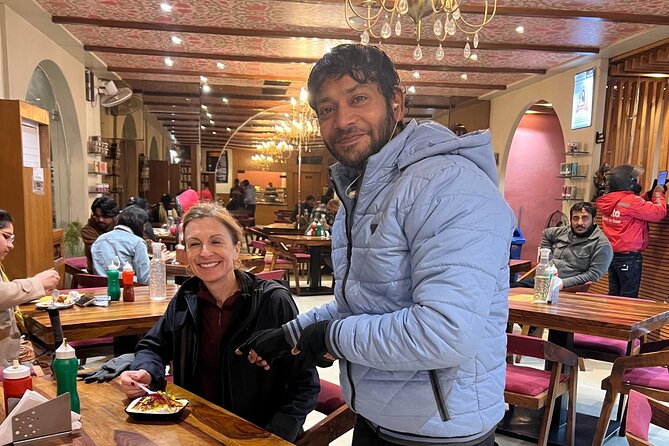
Next comes Lassiwala Kishan lal Govind Narain Agarwal, where you grab Jaipur’s famous sweet lassi. You’ll get the drink in a short, 15-minute window, and it’s a smart move at the beginning. Lassi helps you settle your stomach and cool down before the route moves into gate-and-bazaar lanes.
After that, you head to Ajmeri Gate (also known as Ajmeri Darwaza or Kishan Pole), the first of the four southern gates. The gate marks a key road direction leading west into old Jaipur. Gate areas are where you can feel how the city was shaped—this is city planning you can walk through.
Why it matters: gates aren’t only photo spots. They’re where pedestrian flow, markets, and old streets intersect. Standing near Ajmeri Gate gives you an instant sense of how Jaipur’s old-city grid works.
Choti Chaupar to Tripolia Gate: Squares, Flowers, and Palace Edges

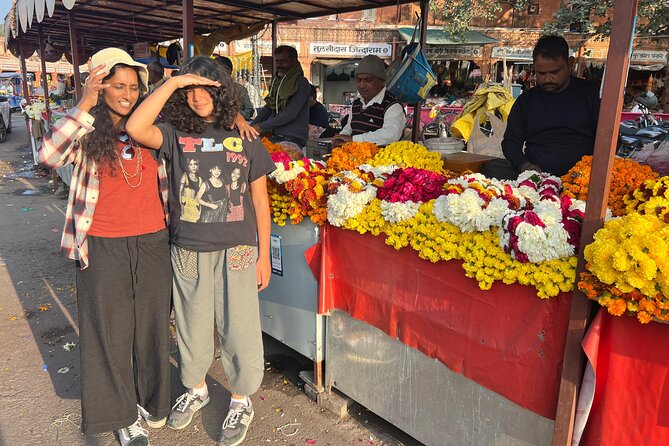
You then stop at Choti Chaupar, a square known for its market activity and a nearby flower market. It’s the kind of place where you can watch how local commerce happens, not just see monuments from a distance. From this area, you also get connections to attractions like Nahargarh Fort (named in the route description).
Next is Tripolia Gate, located on the southern edge of the Jaipur City Palace area. Tripolia Gate is one of the two main entrances to the palace residence. This stop gives you a quick dose of royal-city context without turning the day into only museum time.
One drawback to keep in mind: squares and gate areas can get crowded, so if you’re very focused on quiet photos, you’ll want to work with your guide for timing and positioning. The upside is that this is exactly where you’ll see daily life.
You can also read our reviews of more food & drink experiences in Jaipur



Tadkeshwar Mahadev Temple and the Sahu Tea Break Combo

The tour pauses at Tadkeshwar Mahadev Temple, dedicated to Lord Shiva. The route notes a local tradition: the temple is named after palm trees that once grew in the area. That little bit of local explanation is the sort of thing that makes a stop feel more than a stop.
After the temple, you hit Sahu tea stall for masala tea, paired on the route with local favorites like kachori and samosa. Even if you don’t eat everything, this is a satisfying reset point. Masala tea is warming, and eating in small portions keeps you comfortable for the rest of the walk.
If you’re planning to sample multiple foods later, treat this as your “flavor stop,” not your only meal. The route already includes several desserts and snacks afterward.
Badi Chaupar Markets and the Wind View Café Pause
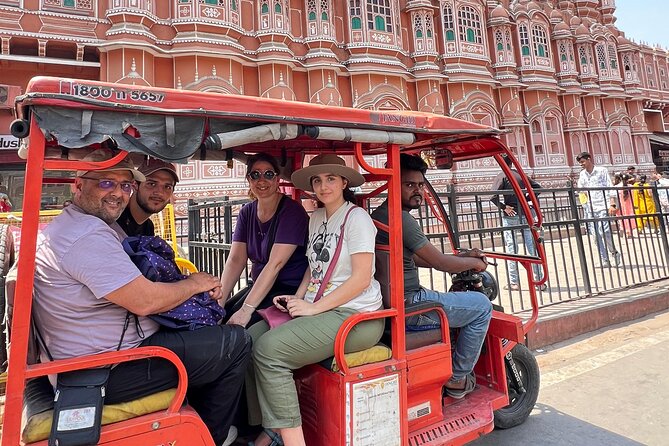
At the heart of old Jaipur, you reach Badi Chaupar, surrounded by markets where you can see things like silver jewelry, handcrafted quilts, and traditional Rajasthani snacks. The route also mentions rose-hued sandstone buildings in the area, which is part of why this area looks so distinctly Jaipur.
From there, you take a breather at Wind View Café, where you can enjoy views of Hawa Mahal. You’ll have terrace time with international snacks and coffee. It’s a smart contrast: earlier you’re in the city flow; here you get a moment to sit and look across rooftops toward one of Jaipur’s most recognizable facades.
This café stop is also practical. You’ve got more walking and market browsing right after, and this is your chance to refuel and cool down.
Hawa Mahal Road, Pandit Kulfi, and the Best Photo-Then-Eat Rhythm
Now you’re set for the big-photo zone: Hawa Mahal and the Hawa Mahal Road area. The route suggests a leisurely stroll along the road and exploration of nearby markets for crafts and Rajasthani goods. Even if you don’t shop much, walking this corridor is the easiest way to “read” the city visually—color, architecture details, and storefront chaos all in one.
Then you go for dessert at Pandit Kulfi, where you can taste authentic Indian ice cream. Kulfi pairs perfectly with this section of the route. After gates, temples, and markets, you get a sweet payoff that feels like a local tradition, not a generic tourist stop.
A small consideration: kulfi can be very filling, so pace it. If you plan to eat several snack items too, share portions with your group.
Jal Mahal Calm on Man Sagar Lake and Albert Hall’s Indo-Saracenic Style
After the old-city walking portion, the route shifts gears with Jal Mahal. It’s a palace-like structure set in Man Sagar Lake, and the tour frames it as a place for architecture plus peaceful surroundings. This is a different kind of Jaipur feeling—slower, more open air, more space to look.
Next comes Albert Hall Museum, one of Jaipur’s oldest museums. The route highlights its Indo-Saracenic architecture and says it houses an extensive collection of artifacts. This stop is a nice capstone because it turns architecture appreciation into a deeper context: you’re seeing how Jaipur’s artistic language fits into a wider Indian design story.
If you’re museum-averse, this is still worth it because you get architecture focus and museum layout in a short, timed window.
Street Food Strategy: How to Eat Your Way Through Jaipur
The tour builds its food stops around classic Jaipur flavors, and the included items are a big part of the value. The route explicitly includes sweet lassi, masala tea, and options like kachori and samosa at the tea stall, plus kulfi at Pandit Kulfi. It also mentions you’ll get tea, coffee, snacks, and a variety of street foods along the way.
Here’s how I’d handle it so you don’t end up stuffed by the halfway mark:
- Start with the lassi as your hydration-and-sugar anchor.
- Use the tea stall as your savory pick (kachori or samosa, not necessarily both).
- Save kulfi for the late part of the tour when you want a cool finish.
- If you’re sensitive to spice, tell your guide before ordering. The route includes local foods, so you might want mild options when available.
Also, since bottled water is included, take sips between stops. It’s the easiest way to keep the day enjoyable rather than just “tolerable.”
Shopping Along the Route Without Losing Your Head
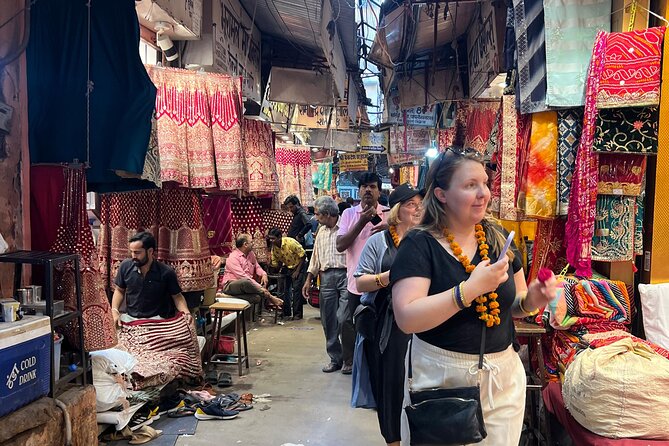
The experience is described as a heritage and food walk with shopping, and the itinerary supports that idea. You pass through market areas connected to Badi Chaupar (silver jewelry, handcrafted quilts, and Rajasthani snacks) and you stroll near Hawa Mahal Road, where local shops are part of the scenery.
Shopping on a walking route is usually easier than doing a separate market scramble. You can browse in short bursts, compare prices, and only commit if something really fits your style.
Practical approach:
- Decide what you’re shopping for before you start—like textiles vs. jewelry—so you don’t get pulled in too many directions.
- If you’re buying smaller items, ask the guide to help you understand what’s locally typical for that area.
- Keep an eye on hands and bags in crowded gate-and-square spaces.
The Guide Makes the Difference: Ali’s Tailoring Touch
In the best versions of this kind of tour, the guide adjusts the day to your interests. One highlight from past groups is that Ali took people around Jaipur and highlighted important scenes, then added extras based on what they wanted to see. That matters because Jaipur has too many stops to do everything—and a flexible itinerary lets you focus.
If food is your main goal, you’ll want a guide who can keep you moving but still give you time to actually eat, not just point at food. If architecture is your thing, ask your guide to slow down at gate areas and viewpoint moments.
Who This Tour Suits (and Who Might Want Something Else)
This walk fits best if you want:
- A short, organized way to see Jaipur’s old city highlights.
- A food route that’s not random, with built-in pauses for lassi, tea, snacks, and kulfi.
- Pickup convenience plus private transport for the segments that make sense.
It may be less ideal if you want a deep museum day or a long, slow heritage stroll. With 3–4 hours and many short stops, you’ll get highlights, not hours-long study.
Should You Book This Jaipur Heritage & Food Walk?
If you’re visiting Jaipur for the first time and you want a route that gives you landmarks plus food, I think this is a strong pick—especially at this price point. The combination of pickup, private tuk-tuk/car, included refreshments, and multiple targeted stops makes it feel efficient without cutting out the fun.
Book it if you like walking mixed with smart breaks, and if you want your guide to handle the flow. Skip it if you hate crowds, you want lots of museum time, or you only want one neighborhood instead of a stitched-together city highlights loop.
FAQ
How long is the Jaipur Heritage & Food Walk?
The duration is listed as approximately 3 to 4 hours.
Where does the tour start?
The itinerary begins at Raj Mandir Cinema.
Is pickup and drop-off included?
Yes. The tour includes pickup and drop-off from your hotel or another preferred location in Jaipur.
What food and drinks are included?
The tour includes tea, coffee, snacks, and a variety of street foods, plus bottled water. Specific stops include sweet lassi at Lassiwala and masala tea with options like kachori and samosa at Sahu Tea Stall, and kulfi at Pandit Kulfi.
What transport do you use during the tour?
You’ll have a private tuk-tuk or car based on your preference.
Is this tour private?
Yes. It’s listed as a private tour/activity, meaning only your group participates.
What’s the cancellation policy?
You can cancel for a full refund if you cancel at least 24 hours in advance. If you cancel less than 24 hours before the start time, the amount paid isn’t refunded.