Churros, history, and a walk to Triana. This private 3.5-hour tour stitches together famous landmarks with a proper tasting route, so you get the story behind Seville and the food to match. I like that it blends architecture stops (including rooftop viewpoints) with multiple Andalusian bites and drinks, not just one heavy meal. I also love that you learn practical, tasty things you can use the next time you order, especially around Iberian ham. The main downside: it is still a walking tour, and it moves at a steady pace.
You’ll start in Casco Antiguo at Pl. del Salvador, 8, then work your way toward Triana, ending near Puente de Isabel II, 30 on the Triana side of the bridge. Expect a little over 3 hours, plus the usual city variables like crowds and weather, since the plan can shift based on conditions.
If you’re sensitive to heavy walking or you have dietary needs, plan ahead. The tour asks you to contact them in advance, and it notes that many restrictions can’t be accommodated well in a balanced food-and-gastronomy format.
In This Review
- Key highlights that make this food tour worth planning around
- Seville sights plus a full tasting route (not just snacks)
- The tasting menu: churros, ham, eggplant, anchovies, and pork skewers
- Stop 1: Setas de Sevilla for rooftop views and museum context
- Stop 2: Plaza de España in Parque de María Luisa for architecture and a breather
- Stop 3: La Giralda and the Almohad minaret backstory
- Stop 4: Royal Alcázar of Seville, where palace life still leaves fingerprints
- Stop 5: Torre del Oro, river defense and a quick dose of medieval grit
- Stop 6: Triana for food culture on the Guadalquivir’s west bank
- How long it really feels and how to pack for it
- Price and value: what $368.10 buys you in Seville
- Dietary needs and when this plan might be tough
- Best for: first-timers, food lovers, and people who want a guided plan
- Quick reality check on what can change
- Should you book this Seville historical food tour?
- FAQ
- What’s the duration of the tour?
- Is this tour private?
- What’s included in the food and drinks?
- Are entrance tickets included for the sights on the route?
- Where does the tour start and end?
- Is transportation included?
- What language is the tour offered in?
- Can the tour accommodate dietary restrictions?
- What’s the cancellation policy?
- Does weather affect the tour?
- How far in advance do people usually book?
Key highlights that make this food tour worth planning around
- Private pacing with a real guide so you don’t just follow a group script.
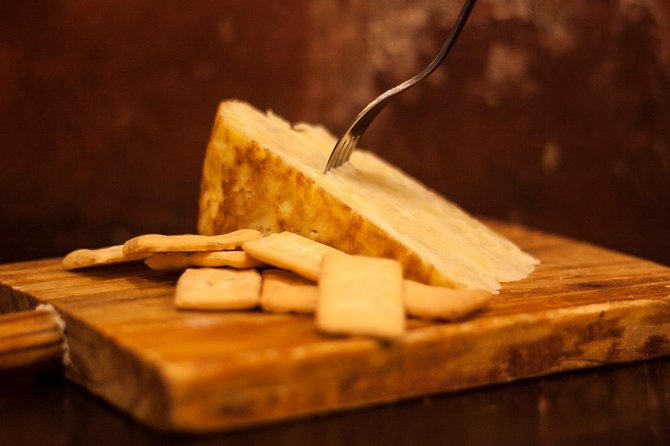
- A built-in tasting menu that ranges from churros and hot chocolate to ham, anchovies, and pork skewers.
- Sight stops with payoff: rooftop views, Moorish-meets-Christian architecture, and river landmarks.
- Jamon talk you can use including how different cuts work and what to look for when you order.
- Triana as the finish line with a food-focused neighborhood feel on the west bank of the Guadalquivir.
- Post-tour recommendations can help you map the rest of your meals in Seville.
Seville sights plus a full tasting route (not just snacks)
This is a private Seville experience built around one simple idea: food is one of the fastest ways to understand a city. So instead of wandering and hoping you pick the right bar, you follow a planned loop through recognizable landmarks and then eat your way through Andalusian staples.
You get a mobile ticket, and the tour is offered in English. It’s designed for most people to participate, but the operator also strongly advises comfortable walking shoes, because the schedule runs a little over 3 hours.
Also, the tour is explicitly private: only your group. That matters here. A private format lets the guide adjust the pace, answer questions without rushing, and keep you from feeling like part of a human conveyor belt.
You can also read our reviews of more food & drink experiences in Seville


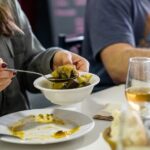
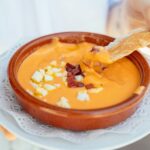
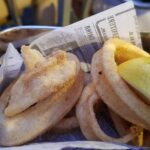
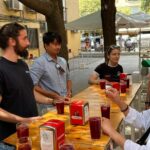
The tasting menu: churros, ham, eggplant, anchovies, and pork skewers
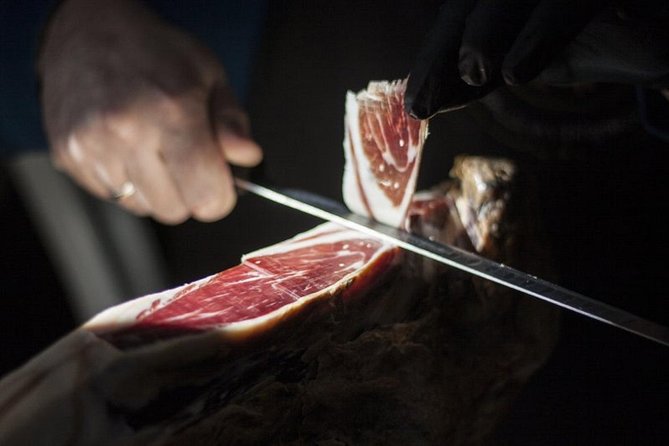
The included food and drink list is the heart of the value. You’re not just getting one photo-worthy plate—you’re getting a sequence.
Here’s what’s on the menu, as listed:
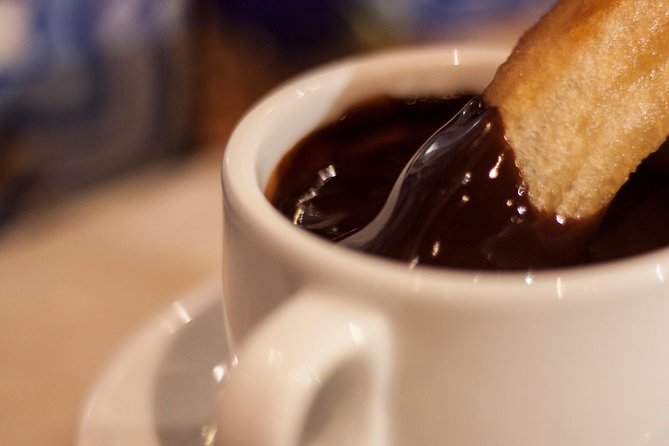
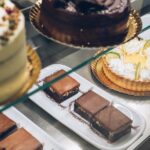
- Churros plus hot chocolate
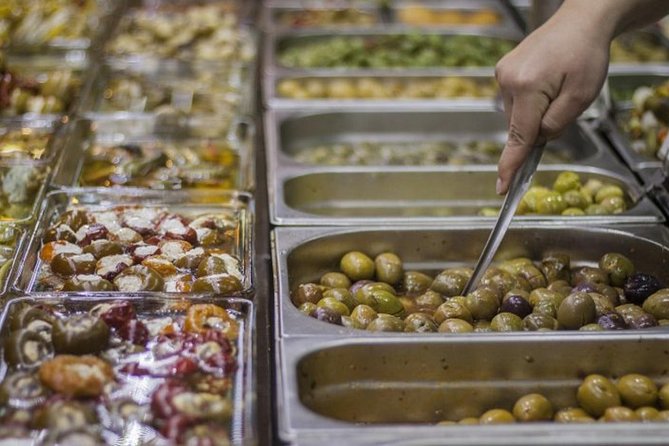
- Iberian ham and local cheese
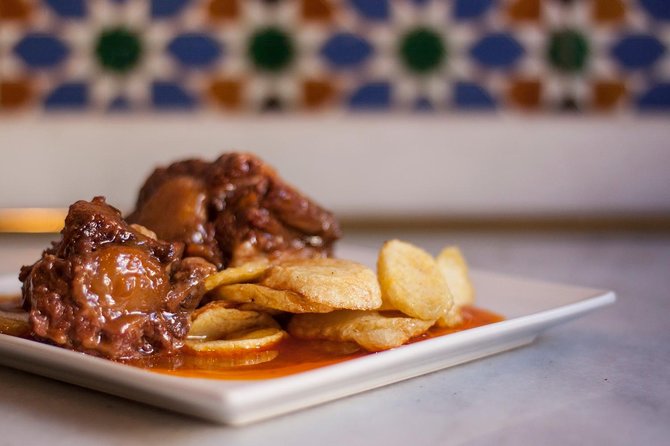
- Fried eggplant with molasses
- Pringa (an Andalusian-style sandwich)
- Anchovies in vinegar
- Pinchito (Andalusian pork skewer)
- One secret dish chosen for balance
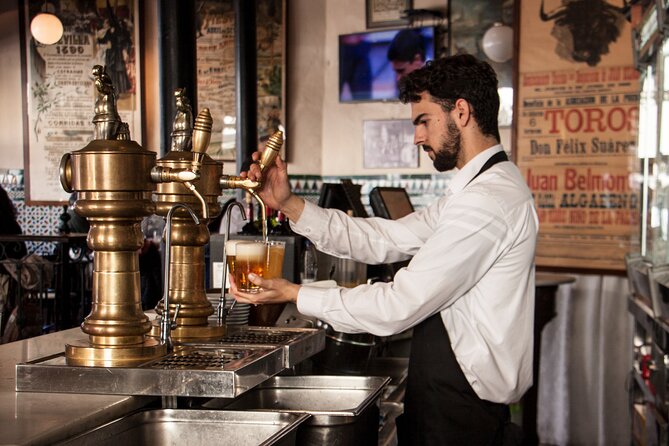
- Drinks: local beer, tinto de verano (summer red wine), and vermut
What I like about this lineup is the mix of textures and flavors. You start sweet with churros and hot chocolate, then move into savory with ham and cheese. After that you get salty, tangy, and crunchy notes (like anchovies in vinegar), then you land on something smoky and grilled (pinchito), with a sandwich stop that feels like a lunch you’d actually order in Seville.
Practical tip: if you’re the type who saves room for dessert, you’ll still want room here. The tour is built to keep feeding you in small, sensible steps, but the total amount is still substantial.
Stop 1: Setas de Sevilla for rooftop views and museum context
Setas de Sevilla (also known as the Metropol Parasol) is a sculptural wooden structure that looks futuristic until you’re standing under it and realize it’s part of Seville’s changing city fabric.
Your scheduled time is about 30 minutes, and it comes with features that make it more than a quick photo stop:
- an archaeological museum
- a rooftop walkway
- a viewpoint
Why this works in a food tour: when you’re about to start eating your way through Seville’s neighborhoods, it helps to get your bearings. From up above, you can see the shape of the central area and understand where the route is going.
Possible drawback: rooftop viewpoints usually mean stairs and uneven surfaces. If you don’t handle steps well, wear shoes with good grip and take it slow.
Stop 2: Plaza de España in Parque de María Luisa for architecture and a breather
Next is Plaza de España, set inside Parque de María Luisa. This stop is a landmark example of Regionalism architecture, mixing Renaissance Revival and Neo-Mudéjar (Moorish Revival) elements.
Again, you get about 30 minutes, which is just enough time to:
- appreciate the design details
- take photos without feeling rushed
- reset your legs before the tour climbs into more historic weight
Why I like this stop on a food tour: it gives you a pause. Seville can be a lot of stone and standing in close quarters, and a planned break makes the rest of the walking feel doable.
Stop 3: La Giralda and the Almohad minaret backstory
La Giralda is the bell tower of Seville Cathedral, and it carries an especially cool transformation story. Originally, it was built as the minaret for the Great Mosque of Seville during the Almohad dynasty.
You spend about 30 minutes here. That’s plenty of time to understand the big idea: Seville’s Christian monuments often sit on earlier Moorish structures, and the city’s identity is a layered mix rather than a single chapter.
What to watch for: look at the tower as a design object, not just a viewpoint. The whole point of this stop is to make sense of how power, religion, and style shifted over time—and how that style still shows up today.
A few more Seville tours and experiences worth a look
Stop 4: Royal Alcázar of Seville, where palace life still leaves fingerprints
The Royal Alcázar is one of Europe’s most enduring royal palaces still in use. It was built for Christian king Peter of Castile, and it became a UNESCO World Heritage Site in 1987.
Your time here is about 30 minutes.
Even with a short stop, this is a high-impact piece of the itinerary because it answers a key question: why Seville looks the way it does. Royal Alcázar architecture and garden spaces help you connect the Moorish-meets-Christian vibe you hear about elsewhere in the route.
Practical note: palace interiors and grounds can mean more walking on top of your walking tour. If you’re the type who tires quickly, decide in advance where you’ll spend your attention—on the gardens, the rooms, or the patterns and details.
Stop 5: Torre del Oro, river defense and a quick dose of medieval grit
Torre del Oro is a dodecagonal military watchtower built in the early 1200s. In the Middle Ages, it served as a prison.
You get about 30 minutes here.
This stop adds something the earlier sights don’t: the river-based, defensive side of Seville. It’s also a nice pacing reset. You’ve been in landmark plazas and monumental architecture; now you get a structure with a clear job—watch, control, and hold.
It’s a good moment to look toward the Guadalquivir and think about how the river shaped trade, food imports, and daily life.
Stop 6: Triana for food culture on the Guadalquivir’s west bank
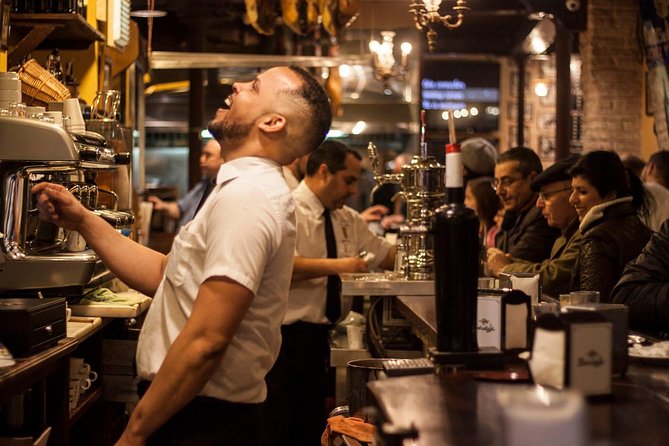
The final neighborhood stop is Triana. It’s described as a colorful neighborhood and administrative district on the west bank of the Guadalquivir River.
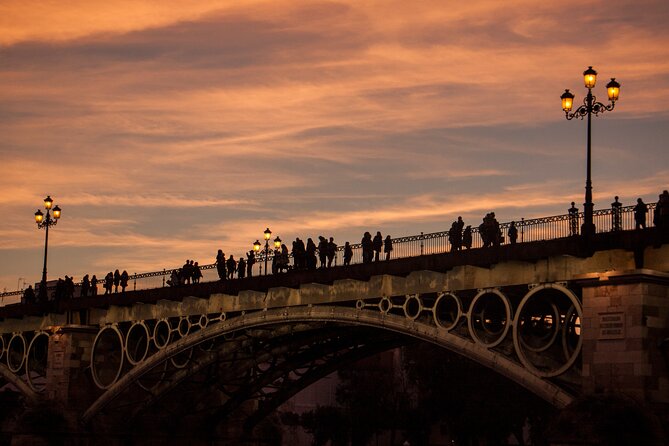
Your tour ends near the Isabel II bridge (Triana bridge), on the Triana neighborhood side, close to Puente de Isabel II, 30.
Why this finish matters: Triana has a different energy than the cathedral-area core, and ending there makes your evening meal plan easier. After the tour, you’re positioned to keep eating in the exact neighborhood style you got a taste of during the route.
In fact, one of the standout moments from the guide experience is that the guide’s selections can get you to dishes you likely wouldn’t pick on your own. People reported loving a mushroom and calamari style stop in Triana, which is exactly the kind of off-the-radar ordering help a good food tour should provide.
How long it really feels and how to pack for it
This runs about 3 hours 30 minutes and includes multiple tasting moments along the way. The schedule is tight enough that you should plan to:
- stay with the group
- limit late bathroom detours
- keep water handy
The tour strongly advises comfortable walking shoes. I’d treat that as a serious suggestion. Between viewpoint stairs and historic streets, you’ll want soles that feel stable.
If you don’t like crowds, pick a calmer time of day when you book. The tour does note that the itinerary and menu can change with weather and other availability issues, so you might spend slightly different time in each stop depending on conditions.
Price and value: what $368.10 buys you in Seville
At $368.10 per person, this isn’t a budget tapas crawl. But it can still be good value if you price it correctly.
You’re paying for:
- a private guide
- a structured route through major sights (the listed stops show admission tickets as free)
- a sequence of substantial tastings, not just tiny bites
- multiple drinks, including wine and beer
- the guide’s ability to tell you what you’re eating and why it matters
That last part is the secret value. If you’ve ever ordered random tapas and felt like you ate twice but learned nothing, this tour is designed to stop that. You’ll get help picking dishes, plus practical jamón lessons such as how different cuts relate to the experience you’re having.
Guides in this program include Elio and Danielle. Elio is repeatedly described as organized and enthusiastic, and he’s also credited with detailed explanations around jamón and charcuterie processes. Danielle, in one case where it ended up being a small group of two, was praised for deep local passion and for making the tour feel fun and manageable.
Dietary needs and when this plan might be tough
This tour asks you to contact them in advance about dietary requirements. It also notes that many restrictions may not be possible to accommodate because the gastronomy experience is designed to stay balanced.
So here’s the practical way to decide:
- If your needs are flexible (for example, you can handle minor substitutions), you’ll have a better chance.
- If you’re very restricted, email before booking and ask what they can actually swap on the included menu items (ham, anchovies, pork skewers, and the secret dish).
Don’t wait until the day of. The tour explicitly asks you to reach out early so they can plan.
Best for: first-timers, food lovers, and people who want a guided plan
I think this tour works best if you:
- want a first-day plan that helps you understand where things are
- like walking but also want someone to handle the ordering decisions
- care about food culture, not just sightseeing checklists
- enjoy learning, especially about jamón and how to approach it in restaurants
It may be less ideal if you:
- have low walking stamina
- hate structured schedules
- need strict dietary accommodations that are hard to substitute in a fixed menu
Quick reality check on what can change
The tour says the itinerary and menu are subject to changes based on location availability, weather, and other circumstances. Since the experience requires good weather, you should expect a change in plan if the skies don’t cooperate.
If you prefer zero surprises, keep your expectations flexible. The upside is that a good guide can often swap to equivalent experiences while keeping the tasting and the sightseeing logic intact.
Should you book this Seville historical food tour?
Book it if you want a Seville introduction that pairs landmarks with a real eating plan, and you like the idea of ending in Triana ready for dinner. The guide-led approach, the multi-stop tastings, and the jamón-focused explanations are the strongest reasons to choose it over a simple tapas walk.
Skip it or think twice if walking and viewpoints would be a problem for you, or if your dietary needs are strict enough that substitutions might not work. Also, if you already know exactly which bars you want and you’re confident ordering, this may feel like you’re paying for guidance you don’t need.
My bottom line: this is a guided way to get your bearings and your appetite lined up in the same afternoon, with enough structure that you’ll eat well without guessing.
FAQ
What’s the duration of the tour?
It runs for about 3 hours 30 minutes (a little over 3 hours).
Is this tour private?
Yes. It’s listed as a private tour/activity, and only your group participates.
What’s included in the food and drinks?
The tour includes churros and hot chocolate, Iberian ham and local cheese, fried eggplant with molasses, pringa, anchovies in vinegar, pinchito (pork skewers), one secret dish, plus drinks including local beer, tinto de verano, and vermut.
Are entrance tickets included for the sights on the route?
The tour’s listed stops show admission ticket free for each of those sights.
Where does the tour start and end?
It starts at Pl. del Salvador, 8, Casco Antiguo, 41004 Sevilla, Spain. It ends near Puente de Isabel II, 30, 41010 Sevilla, on the Triana neighborhood side of the bridge.
Is transportation included?
No. Transportation is not included.
What language is the tour offered in?
The tour is offered in English.
Can the tour accommodate dietary restrictions?
You should contact the operator in advance about dietary requirements. The tour notes that many tours are unable to accommodate certain dietary restrictions, so it’s important to ask before booking.
What’s the cancellation policy?
Free cancellation is offered if you cancel at least 24 hours before the experience’s start time.
Does weather affect the tour?
Yes. The experience requires good weather, and if it’s canceled due to poor weather, you’ll be offered a different date or a full refund.
How far in advance do people usually book?
On average, it’s booked 39 days in advance.
If you want, tell me your travel dates and any dietary needs, and I’ll help you sanity-check whether the timing and menu will likely work for your group.