REVIEW · HIROSHIMA
Hiroshima Saijo Sake Tasting Tour with visit to 7 Breweries
Book on Viator →Operated by Higashi Hiroshima City Tourism Association · Bookable on Viator
Saijo sake has a way of turning beer-brained opinions into real curiosity. This 2-hour small-group tasting walk in Hiroshima’s top brewing area gets you samples from seven breweries and a quick lesson on what makes each style different. I like the relaxed pace, and I like how the route actually teaches you to pay attention—what to drink first, how to compare styles, and why some sakes taste drier or cloudier. One possible drawback: you’re walking about 1.5 km and you’ll be tasting alcohol, so plan your day accordingly and wear comfy shoes.
My favorite part is that you’re not just handed a menu of pours. You stop at real breweries with specific brands to taste, from Daiginjo-type to cloudy Nigori-style sake, so you can connect the names to the flavors. I also love that the guide is part of the experience—English is included, and you’ll hear clear, practical explanations rather than a lecture. If your group is sensitive to alcohol, note the tour price stays the same even if you choose not to drink.
In This Review
- Quick highlights: what makes this tour a standout
- Why Saijo is the right place to learn sake
- Price and value: what you get for $50.87
- Meeting point and pacing: how the 2 hours stays comfortable
- The tasting route: 7 breweries, 8 sake types, one clear comparison lesson
- Stop 1: Saijo Station area (your launch point)
- Stop 2: Kamotsuru Sake Brewery (Daiginjo-type introduction)
- Stop 3: Fukubijin Sake Breweries (Junmai and winter warmth)
- Stop 4: Kamoizumi Sake Brewery (Junmai Ginjoshu, pure rice focus)
- Stop 5: Saijo Sakaguradori Tourist Information Center (restroom + local street info)
- Stop 6: Kirei Sake Brewery (dry taste and a monthly limited blend)
- Stop 7: Saijotsuru Brewery (traditional techniques and award-winning Daiginjo)
- Stop 8: Hakubotan Brewery (Hyoka, unfiltered and fresh frozen)
- Stop 9: Sanyotsuru Brewery Inc. (cloudy sake and sakeware)
- Learning to taste sake like a pro (without turning it into homework)
- What I liked most: small-group energy and real variety
- Who should book this Saijo tasting tour
- Quick FAQ for first-time sake tasters
- FAQ
- Where do we meet for the tour?
- How long is the Saijo sake tasting tour?
- How many breweries and tastings are included?
- Is an English guide provided?
- Will I taste both warm and cold sake?
- How much walking is involved?
- What if I arrive late?
- Can I participate if I don’t want to drink alcohol?
- Should you book this tour?
Quick highlights: what makes this tour a standout
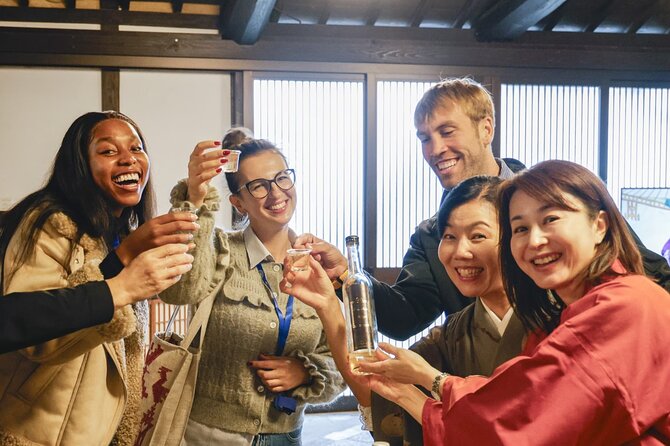
- Seven breweries in one route: you taste across different makers without doing the planning yourself
- Eight different sake types: enough variety to notice real differences, not just “more alcohol”
- Small group (up to 10): gives the guide room to explain and answer questions
- English guide included: built for visitors who want guidance, not guesswork
- Winter-friendly warm pours: you may be able to try warm sake depending on the season
- Route includes a reset stop: you get a restroom break and useful area info at the mid-tour information center
Why Saijo is the right place to learn sake
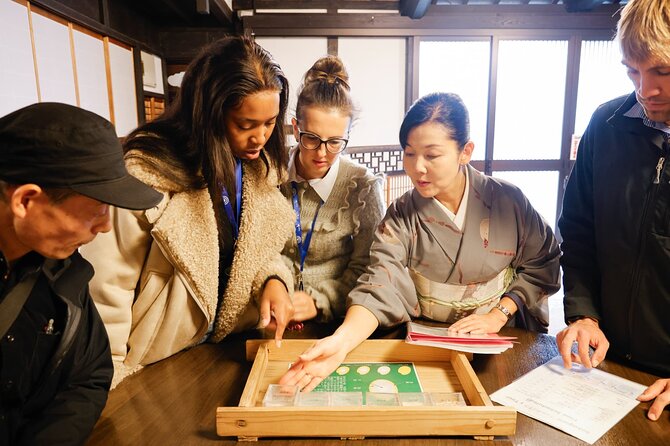
Saijo is one of Japan’s major sake brewing areas. That matters because you’re not chasing sake at random. You’re in a pocket of the country where the local brands have history, and the tasting makes sense because all the breweries are competing with the same regional “yardstick” while still aiming for different results.
On this tour, the comparisons are the point. You’ll taste styles that include crisp and dry options, richer options, and even cloudy sake. Once you’ve tasted more than one style, you start noticing the same patterns Japanese drinkers talk about—like how rice, polishing, and brewing choices show up in the glass.
You can also read our reviews of more food & drink experiences in Hiroshima


Price and value: what you get for $50.87
At $50.87 per person, you’re paying for structure. This isn’t a casual stroll where you’re left to figure out where to buy tastings. The tour includes:
- Alcoholic beverages: eight different sake tastings
- An English guide
- Stops at seven breweries plus an information-center break
That’s a lot of “guided samples per yen,” but the real value is the learning curve. You don’t need to be a sake nerd before you go. By the end, you can usually tell the difference between styles like Daiginjo and Junmai, and you’re better at choosing what you actually like instead of drinking whatever someone hands you first.
Meeting point and pacing: how the 2 hours stays comfortable
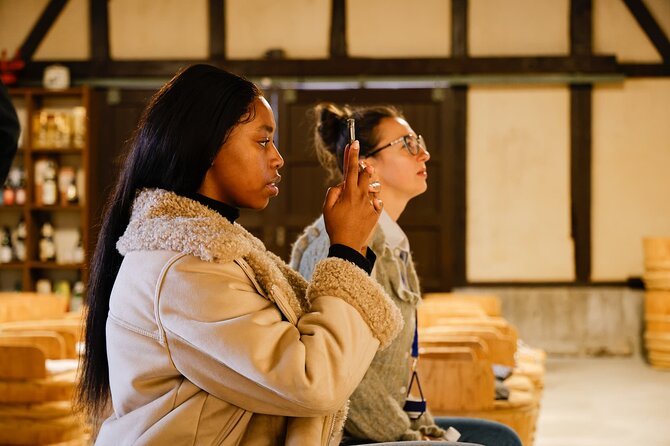
The tour is about 2 hours with a mobile ticket. You meet at the Saijo Station Tourist Information Center, right in front and outside the ticketing gate. If you’ve ever tried to meet a group in Japan and thought, Where exactly is “in front of the station”?—this is one of the clearer setups.
You’ll walk about 1.5 km, while tasting along the way. The stops are short, roughly 10–20 minutes each, so you’re never stuck waiting around. Still, you’ll want comfortable shoes. And if you’re arriving late, you should know that arriving more than 15 minutes after start is treated as a cancellation and isn’t refunded.
The tasting route: 7 breweries, 8 sake types, one clear comparison lesson
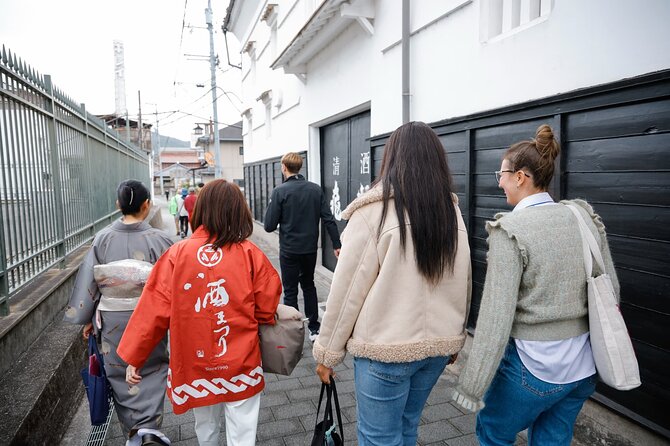
The order can shift depending on the day and group sizes, but the concept stays the same: you’ll move brewery to brewery and keep sampling enough variety to notice patterns.
Stop 1: Saijo Station area (your launch point)
This first stop is mostly about getting oriented. You meet at Saijo Station’s tourist information area, then start moving toward the first brewery. It’s a good moment to confirm you’ve got your guide and group size under control before the tasting starts.
Stop 2: Kamotsuru Sake Brewery (Daiginjo-type introduction)
Kamotsuru is described as a pioneer in Ginjo sake brewing. You’ll watch a short 10-minute video that introduces the sake-making and tasting for a Daiginjo-type example—Daiginjo Gold Kamotsuru.
Why this stop matters: it sets your baseline early. Daiginjo-type sakes are often what people imagine when they think “fancy sake,” so starting with that style helps you understand what “light and refined” tastes like before you move into other directions.
Stop 3: Fukubijin Sake Breweries (Junmai and winter warmth)
At Fukubijin, you’ll taste Fukubijin Junmai-Shu. This stop can also include warm sake options during the winter season, which is a nice reminder that “how you drink it” changes the experience—not just what brand you choose.
Practical tip: even if you prefer cool drinks, warm sake can be useful for comparison. Heat changes aroma and can make certain flavors feel rounder.
Stop 4: Kamoizumi Sake Brewery (Junmai Ginjoshu, pure rice focus)
Kamoizumi is noted for brewing junmai-shu using only rice and koji mold as ingredients. You’ll taste their signature product: Junmai Ginjoshu 朱泉 Honjikomi.
Why I think this matters for you: this is a place where the explanation isn’t random trivia. It connects to taste. When you’re told what ingredients define a style, you’re more likely to notice whether the sake feels clean, structured, or different from something more “fragrant” or polished.
Stop 5: Saijo Sakaguradori Tourist Information Center (restroom + local street info)
You’ll get a mid-tour break here. Use it for a restroom reset and to pick up brochures about Sakagura-dori Street, plus souvenirs stocked on site.
This is also a smart point in the tour to refuel lightly. One of the nice things about this stop is that it gives you a chance to grab something nearby for later, so you’re not just tasting and walking on empty.
Stop 6: Kirei Sake Brewery (dry taste and a monthly limited blend)
Kirei Shuzo is characterized by a drier taste compared to other Saijo sakes. You’ll taste a limited sake blended by the brewery with sake that’s ready to drink that month—Yoshidaya’s Sake.
Why it’s a good contrast stop: dry sake can feel like the “straight answer” after richer or more aromatic sakes. If you’ve ever wondered why some sakes pair better with food, this tasting helps you feel that difference in your mouth.
Stop 7: Saijotsuru Brewery (traditional techniques and award-winning Daiginjo)
Saijotsuru brews sake using traditional techniques passed down through generations. You’ll taste Junmai Daiginjo Genshu Shinzui, a sake that’s repeatedly recognized with awards.
This is the “serious craftsmanship” stop. Even if you don’t care about awards, it helps your palate understand what repeated success tastes like—often with more clarity, balance, and that refined finish people chase.
Stop 8: Hakubotan Brewery (Hyoka, unfiltered and fresh frozen)
Hakubotan is one of the oldest breweries in Hiroshima Prefecture, funded in 1675. You’ll taste Hyoka, an unfiltered sake that’s fresh frozen in a special way.
That unfiltered detail matters. You’re not just tasting another label—you’re getting a different texture and presence. Unfiltered sake often feels less “polished” and more direct, which can be a fun surprise if you usually expect gentle, refined flavors only.
Stop 9: Sanyotsuru Brewery Inc. (cloudy sake and sakeware)
Sanyotsuru is the only sake brewery located west of Saijo Station. Here you can try cloudy sake, and you can also find sake ware available for sale.
If you like souvenirs that connect to the drink, this is a better stop than a generic shop. Even if you don’t buy anything, seeing the serving style can help you think about how sake changes when you change the glass and pour.
Learning to taste sake like a pro (without turning it into homework)
This tour is built around a simple idea: you learn by comparing. Eight tastings across seven breweries gives your brain enough reps to notice patterns quickly.
Here’s how you can make it easier on yourself while you’re tasting:
- Start by noticing temperature. If warm sake is offered, compare it to the cool sips when possible.
- Look for structure: does the sake taste dry and clean, or more rounded and expressive?
- Pay attention to clarity. Cloudy and unfiltered styles can feel thicker or more aromatic in the mouth.
- After each stop, try to pick one word for what you just tasted—dry, smooth, crisp, creamy, or light. You don’t need fancy vocabulary.
Also, remember this is a tasting tour—you’re not there to watch brewing. You’re there to sample and learn from the guide’s explanations, and that keeps the schedule moving.
What I liked most: small-group energy and real variety
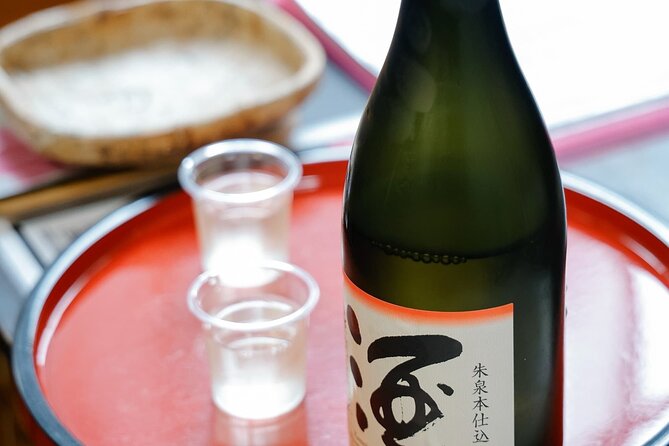
A big reason to choose this tour is the balance between variety and time. Many sake tours feel like a checklist with two stops and a long wait. Here, the pace is steady, the walking is manageable, and you get enough different styles to actually learn something.
The guides matter too. In the feedback, the name Ione shows up as a standout—people clearly appreciated her explanations and how she helped them connect Saijo’s history and brewing techniques to the tastings. That kind of guidance is what turns “I drank some sake” into “I get it.”
And because the group size caps at 10 travelers, you’re more likely to get personal attention and not just be swept along.
Who should book this Saijo tasting tour
This is a strong fit if you:
- Want a focused, guided way to learn sake in a short time
- Like hands-on tasting without doing the heavy research yourself
- Enjoy structured small-group tours with enough time to ask questions
- Prefer an English guide while you’re in Japan
It may be less ideal if you:
- Hate walking or want a very slow, zero-step experience
- Can’t or won’t consume alcohol at all (the fee doesn’t change if you choose not to drink)
Quick FAQ for first-time sake tasters
FAQ
Where do we meet for the tour?
You meet at the Saijo Station Tourist Information Center, located right outside the ticketing gate.
How long is the Saijo sake tasting tour?
The tour lasts about 2 hours.
How many breweries and tastings are included?
You visit seven sake breweries and sample eight different types of sake.
Is an English guide provided?
Yes. An English guide is included, and you can also request a Spanish-speaking guide in advance.
Will I taste both warm and cold sake?
Warm sake may be available in winter season. It depends on the season and what the brewery offers that day.
How much walking is involved?
You’ll walk approximately 1.5 km while tasting, and you should wear comfortable walking shoes.
What if I arrive late?
If you are more than 15 minutes late of the tour start time, it’s treated as a cancellation and the amount you paid will not be refunded.
Can I participate if I don’t want to drink alcohol?
Yes, but the tour fee remains the same even if you decide not to drink alcohol.
Should you book this tour?
If you want a short, friendly, and genuinely educational way to sample Saijo sake, this is an easy yes. The combination of eight tastings, seven breweries, and a guide-led comparison makes the $50.87 price feel reasonable for what you learn and taste.
Book it especially if this is your first time with sake and you don’t want to gamble on random tastings. The route keeps you moving, the styles cover enough range to teach your palate, and the mid-tour information center gives you a breather so you can enjoy the rest without rushing.
If you tell me your travel dates (and whether you’re going solo or with friends), I can also suggest a smart way to plan the rest of your day around this 2-hour slot.