REVIEW · MARRAKECH
Marrakech: Street Food Tour by Night
Book on Viator →Operated by Marrakech Guided Experience · Bookable on Viator
Food tastes better when the medina lights up. This Marrakech night street food tour pairs an easy guided loop through the medina with practical tastings, finishing at Jemaa el-Fna with kofta so you leave actually full.
I like that the stops are built around real eating habits: olives and dates first, then market bites, then a proper Moroccan meatball dinner. I also like the pacing and size—small group, around 3 hours, so you’re not just herded from stall to stall. One possible drawback: some folks find the tour a bit basic or focused more on shopping spots than food time, so it helps to go with the right expectations and come hungry.
In This Review
- Key Points to Know Before You Go
- Why Marrakech Street Food Feels Different at Night
- Café de France Meeting Point: How to Find Your Guide Fast
- The Medina Walk: Olives Souk and How Families Eat
- Rahba Kedima Dates Stop: Choose Your Mix
- Food Markets: Olive Oil Smells, Quick Sampling, and What to Expect
- Jemaa el-Fna Finale: Kofta Dinner You Can Count On
- What You Really Get for $55: Value in the Tasting Math
- Guide Matters: Mohammed, Ali, and Imrane Can Shape Your Night
- Who Should Book This Marrakech Night Street Food Tour (and Who Might Skip It)
- Should You Book This Tour?
- FAQ
- How long is the Marrakech street food tour by night?
- What does the tour cost?
- What’s included in the price?
- How many tastings should I expect?
- Where do I meet the guide?
- Where does the tour end?
- Is there a group size limit?
- Is the tour wheelchair and stroller accessible?
- What kind of food will I try?
- What if the weather is bad?
- FAQ
- Can I cancel for a full refund?
- What ticket type will I receive?
- Do I need private transportation?
- Is it available on any day?
- What should I do if someone offers me a tour at the meeting area?
- Is the tour suitable for most travelers?
Key Points to Know Before You Go
- Spot the real guide at Café de France and ignore anyone trying to sell you a tour in the area
- About ten tastings that add up fast—bring water
- Medina at night is easier to navigate with a guide than going alone
- Rahba Kedima dates stop lets you pick your favorite mix
- Jemaa el-Fna kofta finale gives you a real dinner, not just snacks
- Max 15 travelers keeps the group manageable (and the questions more useful)
Why Marrakech Street Food Feels Different at Night
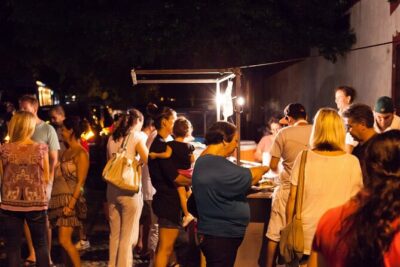
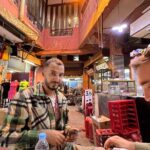
Night in Marrakech changes everything. During the day, the medina can feel like a maze of shops and sales talk. At night, the streets turn more human. You walk, you stop, and you eat as you go—more like following locals than shopping.
This tour is built for that. You’re moving through the medina with a guide, sampling classic Moroccan flavors in a logical order. You start with easy, portable tastes (think olives and dates), then transition toward richer market bites, and finish with kofta at Jemaa el-Fna. That flow matters because it keeps the experience from turning into random snacking.
Also, you get a built-in way to handle the biggest challenge: where to stand, what to try, and how to order without making it awkward. A guide helps you move past the intimidation factor of the square and the medina streets, so you can focus on the food.
You can also read our reviews of more food & drink experiences in Marrakech
Café de France Meeting Point: How to Find Your Guide Fast
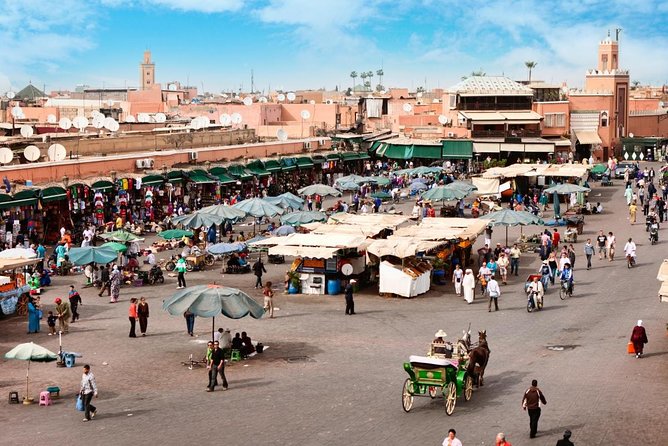
Your start point is Hôtel Restaurant Café de France, near Rue des Banques, in the medina area. Plan to meet right at the entrance where your guide is supposed to be holding a sign/badge for the tour.
There’s one heads-up worth taking seriously: around the square you may meet a fake guide pitching a tour. Ignore them and stick with the person holding the official tour marker. If you arrive a few minutes early, you’ll have time to get your bearings and confirm you’re in the right place.
Timing is also practical here. The tour runs about 3 hours, and the meeting area is busy. If you’re delayed, it helps to know that guides sometimes wait—at least in some cases—so don’t panic if you’re running late. Just do your best to arrive on time because the medina moves slower when you’re trying to regroup.
The Medina Walk: Olives Souk and How Families Eat
One of the best parts is the medina route itself. You’re not just walking past stalls—you’re guided into sections that help you understand how people actually shop and eat.
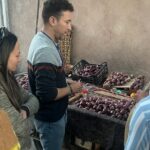
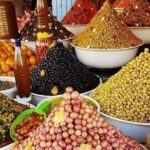
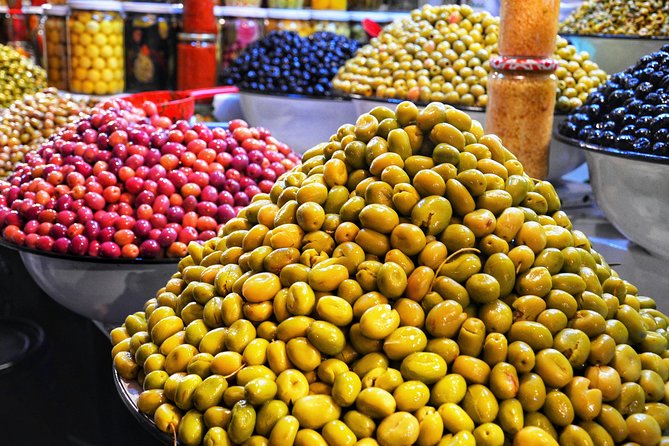
A big early focus is the olives souk. If you’ve only had store-bought olives back home, this is your reminder that Morocco loves olives in a big way. You’ll taste different styles and likely get a feel for how flavors change with ingredients like herbs and spice mixes. It’s also a nice warm-up because olive tastings are quick to sample and easy to compare.
You’ll also pick up context that makes the food click. The tour is designed to show how different areas of the Medina have their own specialties—spices, ingredients for cooking, and shop types that cater to household needs. That’s the kind of information you can actually use later, whether you’re cooking at home or just ordering confidently at restaurants.
One more practical win: several stops are described as “hidden sights” and family-life areas. You get to see a side of Marrakech that feels less like a postcard and more like everyday life.
Rahba Kedima Dates Stop: Choose Your Mix
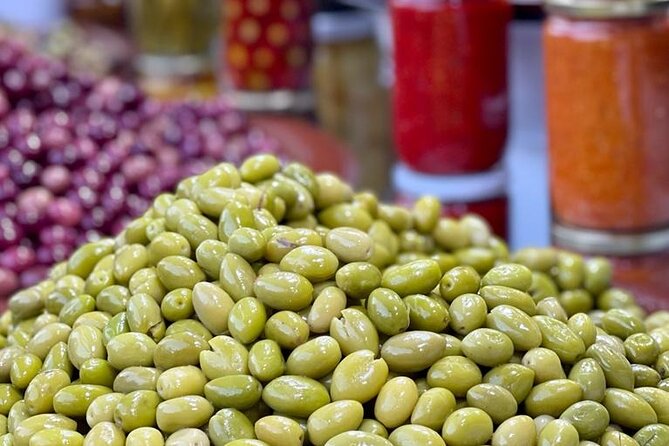
Next comes Rahba Kedima Square, and it’s all about dates. This is short—about ten minutes—but it can be a highlight if you love sweet snacks and dried fruit.
You’ll be encouraged to choose your favorite mix from what’s available. The value here isn’t just taste. It’s learning how Marrakech treats dates: not as one generic sweet, but as part of a larger world of nuts, dried fruit, and small bite culture.
If you’re someone who tends to skip dessert because you think it’ll be too sugary, this is a good place to change your mind. Dates are a gateway flavor. They’re easy to try, and you can often pick combinations so it doesn’t feel overpowering.
Food Markets: Olive Oil Smells, Quick Sampling, and What to Expect
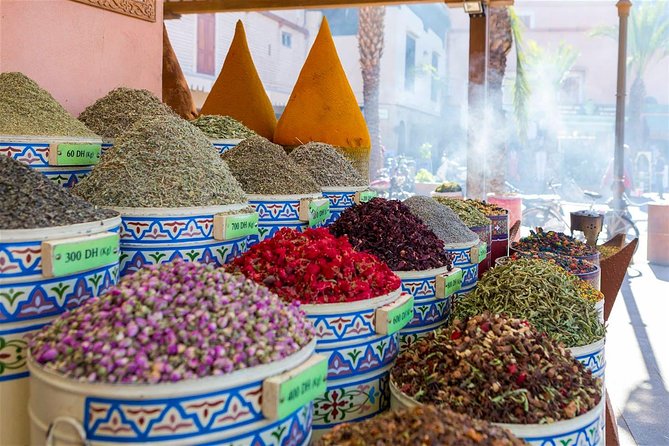
After the dates, the tour turns into market browsing built around food. There’s a focus on the smell of olive oil and the “olives paradise” vibe—basically, you’ll be in an area where it’s hard not to notice how much Morocco treats oil as a flavor engine, not just a cooking ingredient.
This part is where you’ll start getting a more varied set of tastings. The tour experience is described as about ten tastings, so by this stage you should be collecting a range: olives, sweets, and other bites. Some tastings may be a little unusual—one guide-style detail that shows up in feedback is a wild card like snail, with the important note that you’re not forced to eat everything. So if you’re adventurous, great. If you’re not, you can still participate without feeling trapped.
One drawback to be aware of: the balance between eating time and shopping/souk time can vary. Some people hope for more time strictly focused on street food stalls. If that’s you, you’ll want to go in knowing that market areas often include browsing and purchasing energy, even when tastings are the point.
A few more Marrakech tours and experiences worth a look
Jemaa el-Fna Finale: Kofta Dinner You Can Count On
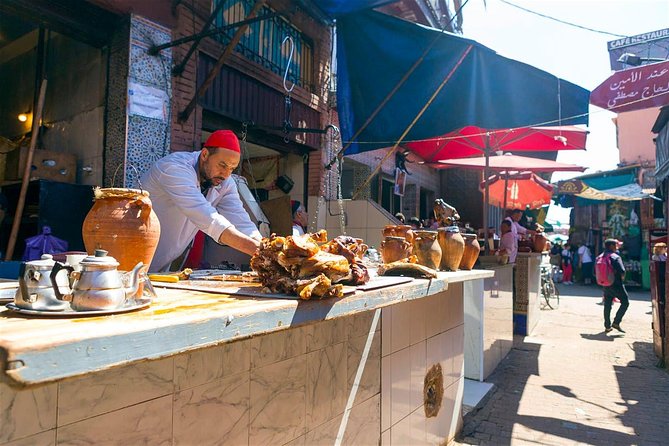
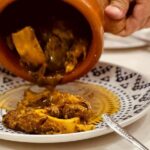
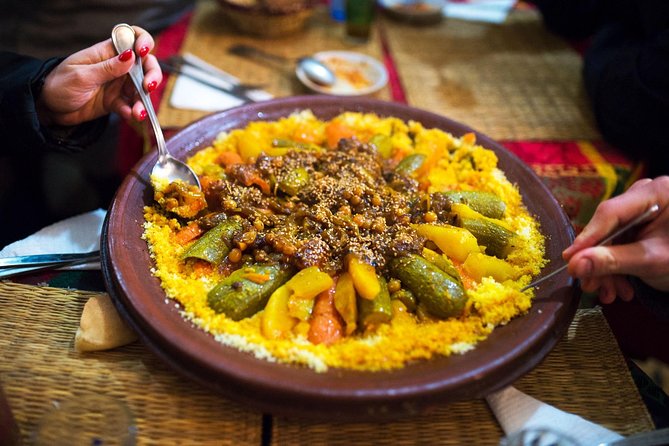
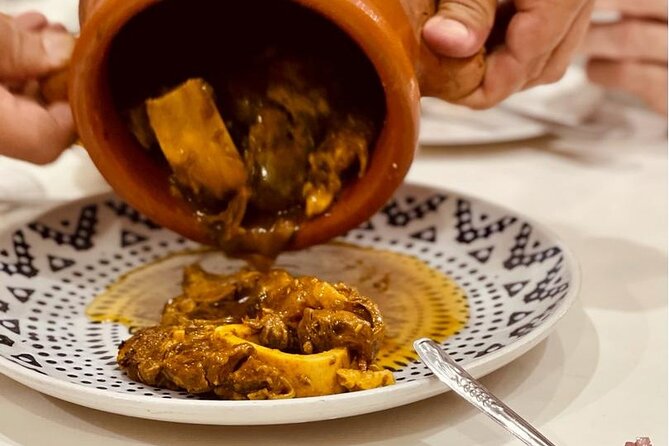
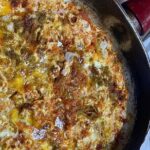
The finale is Jemaa el-Fna, and it’s timed so you end the tour with a real meal. The main plate is kofta—Moroccan meatballs—served with homemade tomato sauce (described as home-made tomato SOS).
This is the smartest design feature of the tour. Many “tastings” elsewhere are so small you still end up hungry. Here, the tour is explicitly built so you finish well-fed. That matters on a night when you might not feel like finding another place afterward.
Jemaa el-Fna also has an emotional function. The square can be intimidating at first, especially if you’re not used to negotiating crowds. Having a guide bring you to the right spot and handle the flow makes the experience feel safer and less stressful.
And because you’ve already sampled earlier bites, the kofta tastes more satisfying rather than too heavy. Think of it as the wrap-up dish that makes the whole walk feel like one connected meal.
What You Really Get for $55: Value in the Tasting Math
At $55 per person for about 3 hours, this tour competes in the “good value if you’re hungry and curious” category. Here’s why.
First: ten tastings and dinner are included. Even if each tasting is small, you’re not paying $55 just to eat a single snack and call it a tour. You’re paying for guidance, order-help, and access to places you might miss—or avoid—on your own.
Second: the group size caps at 15 travelers. That usually means less waiting and more actual time with your guide. In a food tour, that’s the difference between learning and just watching.
Third: you’re getting a guided medina route at night. The medina is the main attraction, and trying to do it solo while also figuring out what’s safe and tasty can turn stressful quickly. A guide basically buys you time and confidence.
The main value caution is expectation. If you want a tour that feels like pure street-food stall hopping with lots of cooking demos and constant new dishes, you might find it a bit restrained. But if you want a solid introduction and a full belly, it fits.
Guide Matters: Mohammed, Ali, and Imrane Can Shape Your Night
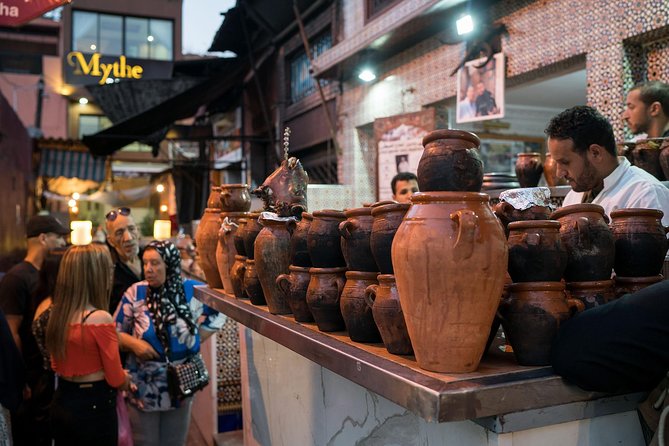
This tour lives and dies by the guide. The names that show up most often in feedback include Mohammed (sometimes called Mo), Ali, and Imrane. And the common thread is that the best guides don’t only point at food—they explain how people think about it.
You’ll hear things like how Moroccans eat, what certain foods mean in daily life, and small cultural context that makes tastings more interesting than just flavors. Some guides also add history or stories while you walk, and that can turn a snack stop into a moment you remember later.
One more practical detail: pacing varies by guide, but many descriptions mention a slow, comfortable walk. That’s good in Marrakech. The medina is not built for rushing, and slower pacing helps you actually taste instead of cramming.
Who Should Book This Marrakech Night Street Food Tour (and Who Might Skip It)
I think this tour is a strong fit if:
- you’re on your first night in Marrakech and want an instant foundation
- you want a guided route through the medina without doing mental math on where to eat
- you like trying a mix of street snacks and then ending with a proper dish
It may not be the best fit if:
- you’re expecting only the most intense street-food stalls and very little market shopping time
- you get frustrated by uneven experiences between guides (some guidance quality can vary)
- you know you only want a specific type of food and everything else feels like filler
One more thing: the tour is described as wheelchair and stroller accessible. Still, the medina is the medina. If accessibility is a big concern for you, it’s smart to double-check how the route handles uneven surfaces so the experience matches what you need.
Should You Book This Tour?
If you want a low-stress way to taste your way through Marrakech—especially if it’s your first time—this tour is worth booking. The mix of olives and dates, the medina walk at night, and the kofta dinner at Jemaa el-Fna give you a full arc instead of random bites.
I’d book it if your priorities are:
- about ten tastings plus dinner
- a guide to help you navigate the medina safely and calmly
- a finish that feels like a meal, not a snack
I’d consider another option if you’re chasing a “street food only” experience with constant variety and very little market browsing. For most people, though, this one hits the sweet spot: guided, filling, and a solid introduction to how Marrakech eats.
FAQ
How long is the Marrakech street food tour by night?
The tour is about 3 hours.
What does the tour cost?
It costs $55.00 per person.
What’s included in the price?
Dinner is included.
How many tastings should I expect?
The tour highlights mention about ten tastings.
Where do I meet the guide?
You meet at Hôtel Restaurant Café de France, near Rue des Banques.
Where does the tour end?
The tour ends back at the meeting point.
Is there a group size limit?
Yes. The maximum group size is 15 travelers.
Is the tour wheelchair and stroller accessible?
The tour is listed as wheelchair and stroller accessible.
What kind of food will I try?
You’ll sample items like olives and dates, and the tour ends with kofta at Jemaa el-Fna. Additional snacks and tastings are included along the way.
What if the weather is bad?
The tour requires good weather. If it’s canceled due to poor weather, you’ll be offered a different date or a full refund.
FAQ
Can I cancel for a full refund?
Yes. You can cancel up to 24 hours in advance for a full refund.
What ticket type will I receive?
You’ll receive a mobile ticket.
Do I need private transportation?
Private transportation is not included, but the meeting point is near public transportation.
Is it available on any day?
The tour depends on good weather, so dates can be affected if conditions aren’t right.
What should I do if someone offers me a tour at the meeting area?
Ignore fake guides and meet the official guide who is holding the tour sign/badge at Café de France.
Is the tour suitable for most travelers?
The tour is listed as Most travelers can participate.