REVIEW · HOI AN
Hoi An: 2.5-Hour Street Food Tour
Book on GetYourGuide →Operated by HOI AN FOOD TOUR · Bookable on GetYourGuide
Street food here feels like a city welcome. I love the small-group pace and the fact you get to taste Hoi An specialties like Cao Lau with a real local guide. One possible drawback: this is a 2.5-hour walking tour (about 2–2.5 km), so you need comfortable shoes and some patience around busy stalls.
You’ll meet your guide, then head straight to markets and street vendors where locals actually eat. From what I’ve learned, guides such as Nancy, Quin, and Jacky are known for making the experience friendly and practical, not just a food stampede.
The biggest “why this works” moment is the home stop near the end. It turns the tour from just sampling dishes into seeing how food and daily life fit together in Hoi An.
In This Review
- Key Highlights You’ll Feel Right Away
- Why This 2.5-Hour Street Food Walk Fits Hoi An Perfectly
- The Menu: Cao Lau, Banh My, Banh Khot, and the Dishes That Define the Area
- Cao Lau: More Than a Noodle Order
- Banh My (Bahn Mi): The Familiar Sandwich, Made Local
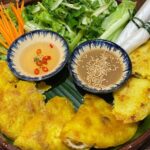
- Banh Khot: Crispy, Bite-Sized, and Easy to Compare
- Coffee and Cafe: Sweet, Comforting, and Very Vietnamese
- Market and Street Stops: How the Guide Makes the Difference
- Stop-by-Stop Breakdown (What Each Part Feels Like)
- The Start: Meeting Your Guide and Getting Oriented
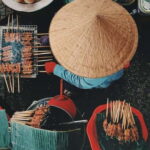
- Markets and Vendor Rows: Learning by Watching
- Noodles and Regional Flavor: Where Cao Lau Takes the Lead
- Crispy Street Snacks: Vietnamese Pancake, Fried Spring Rolls, and Grilled Pork
- Refresh and Finish: Sweet Soup and Vietnamese Coffee
- The Home Visit: Seeing Everyday Food Life Up Close
- Price and Value: What $29 Buys You in Real Eating Time
- Logistics and Practical Tips That Actually Matter
- Plan Your Meal Timing
- Expect Walking, Not a Ride
- Dietary Restrictions: Tell the Supplier
- Lunar Calendar Menu Change
- Not Suitable for Pregnant Women
- Who This Street Food Tour Suits Best
- Should You Book This Hoi An Street Food Tour?
- FAQ
- How long is the Hoi An street food tour?
- How far do you walk during the tour?
- How much does the tour cost?
- What food is included in the tour?
- Is hotel pickup included?
- What language is the tour guide?
- Is the tour suitable for everyone?
Key Highlights You’ll Feel Right Away
- Small-group walking plan keeps it manageable while you eat a lot
- Hoi An signatures like Cao Lau, Banh My, and Banh Khot are built into the menu
- Market-to-street guide route helps you find stalls you’d miss on your own
- Vietnamese coffee and sweet soup add a nice finish after savory bites
- A local home visit gives you a more human, everyday view of eating in Hoi An
Why This 2.5-Hour Street Food Walk Fits Hoi An Perfectly
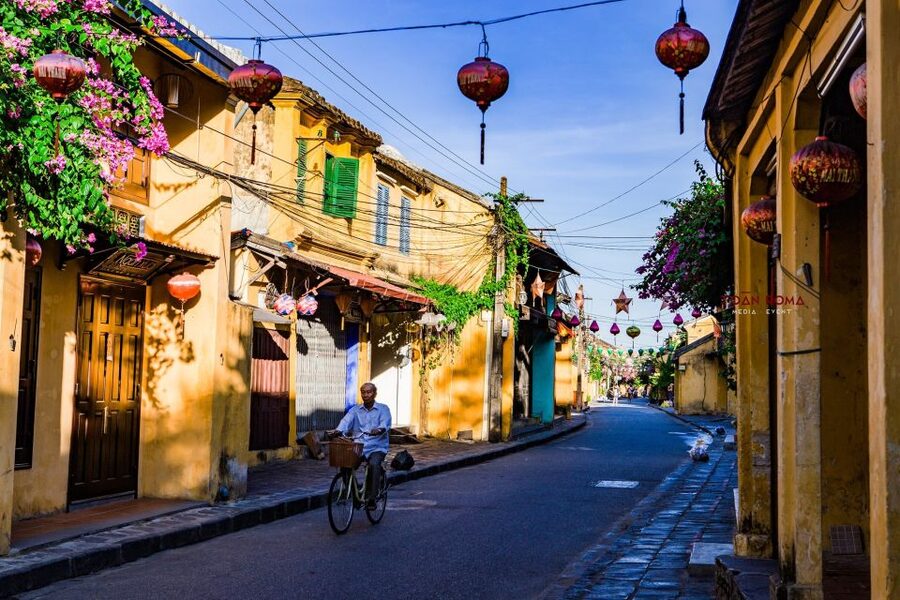
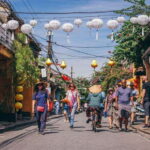
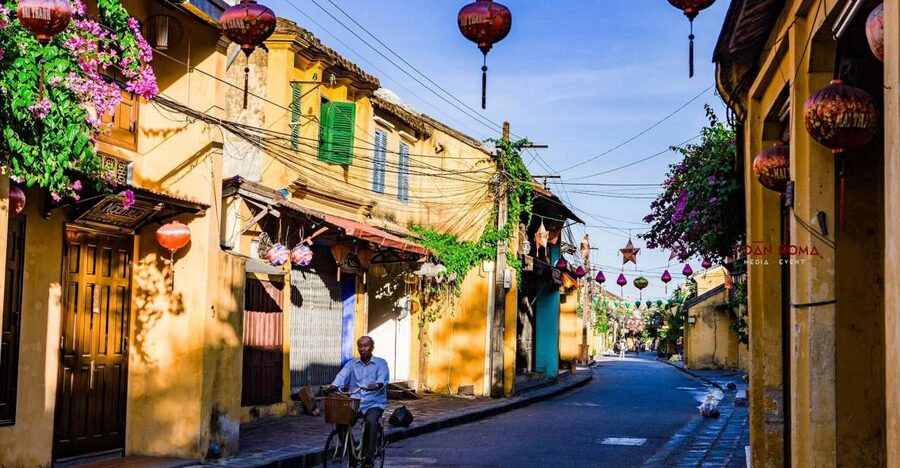
Hoi An is the kind of place where food is everywhere, but sorting out what’s good and where locals go can take time. This tour is smart because it compresses the learning curve into a tight 150 minutes, with a live English-speaking guide and a small group.
You’ll cover roughly 2–2.5 km on foot. That’s not a hike, but it is enough walking that you’ll want shoes you trust. The payoff is variety: you sample multiple dishes instead of repeating one or two “tourist” favorites.
Another practical win: the tour is designed for you to eat most of your calories here. You’re asked to eat a light lunch (or nothing) beforehand, and the idea is you won’t need a heavy dinner after the tour. That keeps the whole day from getting food-stuffed in an unplanned way.
You can also read our reviews of more food & drink experiences in Hoi An

The Menu: Cao Lau, Banh My, Banh Khot, and the Dishes That Define the Area
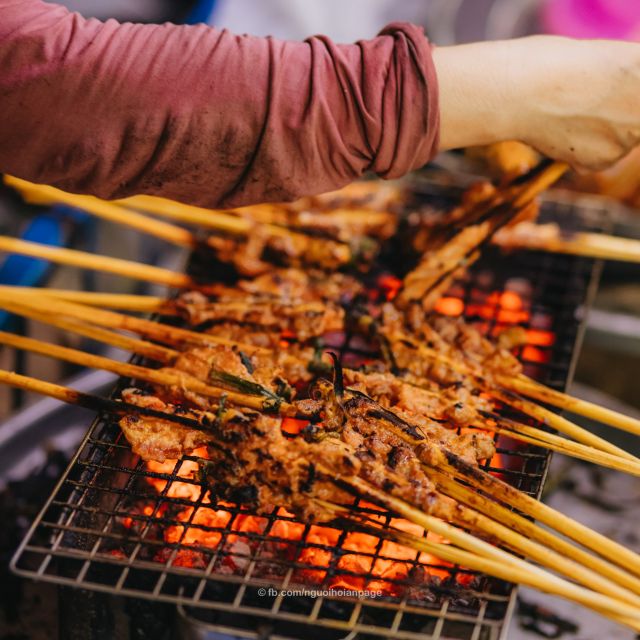
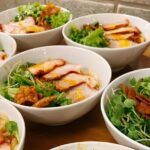
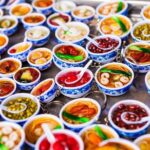
The menu is built around classic Hoi An and broader Vietnamese street food staples. Expect items like Vietnamese bread, Cao Lau noodles, beef noodle, Vietnamese pancake, grilled pork, fried spring rolls, and cafe. In addition, you’ll also taste other regional-style bites such as Banh My, Banh Khot, and sliced pork wrapped in rice paper, plus options like spring rolls and sweet soup.
Cao Lau: More Than a Noodle Order
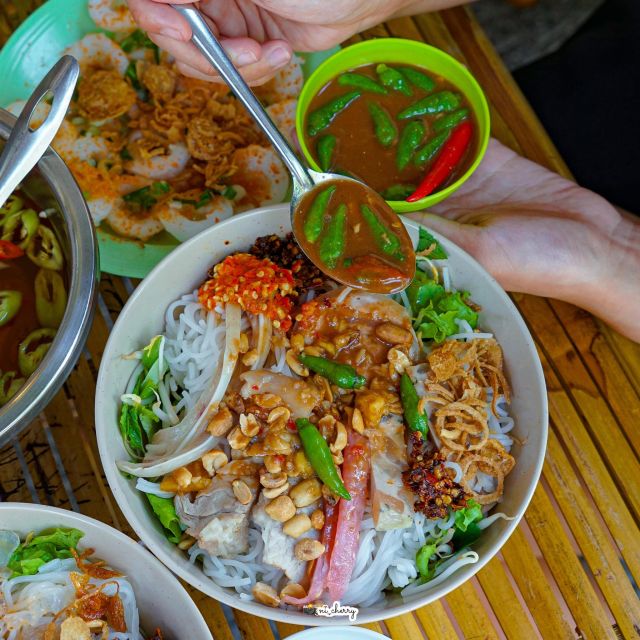
Cao Lau is the headliner here. It’s a noodle recipe that’s typical to the region, so it’s not just “generic noodles.” You’re tasting something that locals recognize as a point of pride, and that context matters because it’s one dish you can actually use to understand Hoi An food culture.
When a tour includes Cao Lau, it’s usually doing one thing well: it pushes you past safe, widely-known Vietnamese dishes and gets you into something specifically tied to Hoi An. That’s one of the reasons the tour feels more meaningful than a grab-bag of street snacks.
Banh My (Bahn Mi): The Familiar Sandwich, Made Local
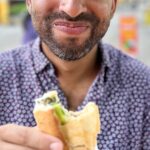
Banh My is a Vietnamese staple sandwich, filled with savory ingredients. Even if you think you already know banh mi, the value here is timing and guidance: you’re eating it where it fits into the street rhythm of the city, not at a distant place chosen for convenience.
You’ll also see how the flavors balance sweet, salty, and crunchy textures. It’s a good dish to include because it gives you a change of pace between noodle and crispy items.
Banh Khot: Crispy, Bite-Sized, and Easy to Compare
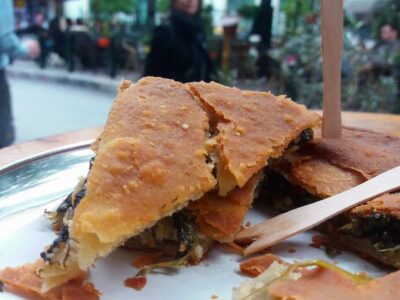
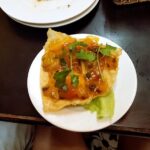
Banh Khot is a crispy mini pancake, often served in small portions that make it easy to enjoy while walking. You’ll get a feel for the dish’s texture and the way it’s served, which is hard to pick up from a menu photo.
This is the kind of stop that helps you understand what Vietnamese street food does best: fast, hot, and built for the street.
A few more Hoi An tours and experiences worth a look

Coffee and Cafe: Sweet, Comforting, and Very Vietnamese
Vietnamese coffee is included, and it’s a perfect “reset” drink after savory bites. The tour specifically calls it sweet Vietnamese coffee, which means you’re not stuck with only water between stops.
If you’re sensitive to sweetness, you can still treat the coffee as a flavor shift rather than a sugar bomb. Either way, it’s a classic pairing for the kinds of dishes you’ll be eating.
Market and Street Stops: How the Guide Makes the Difference
The most underrated part of a street food tour is not the food. It’s the route and the person guiding you through it.
Here, your guide brings you to markets and street food vendors, then talks you through Vietnamese culture as you taste the dishes. That cultural context helps you understand why certain items show up in daily life, not just why they taste good.
And because this is a walking plan with a small group, you’re not stuck waiting for a bus schedule or separated from the pace of the vendors. You can move with the flow, ask quick questions, and actually take in what’s happening around you.
One more thing: on days tied to the lunar calendar, the menu may change. The tour notes the 1st and 15th of the lunar calendar as dates when many local shops close, so expect the experience to adapt. That’s not a problem—it’s a heads-up that you’re eating local reality, not a guaranteed script.
Stop-by-Stop Breakdown (What Each Part Feels Like)
This tour has a clear rhythm: you start with an introduction at the meeting point, then move into markets and street vendors, and eventually finish with a more personal home visit.
The Start: Meeting Your Guide and Getting Oriented
Right off the bat, you’re welcomed at the meeting point and then set off together. This matters because street food can be confusing when you don’t know what you’re looking at. You’re not just getting food—you’re getting a way to interpret it.
Also, because you’re eating multiple items over 150 minutes, the guide’s pacing helps. You’ll know when to expect the next dish and you won’t end up with a random pile of food at once.
Markets and Vendor Rows: Learning by Watching
As you move through the market and street vendor areas, you’ll see how dishes are prepared and served. That’s one of the big benefits of eating on a tour: you get clues you won’t get from sitting down at a restaurant.
You’re tasting as you go, and the guide explains what you’re eating. The goal isn’t complicated lectures. It’s simple, practical learning that makes the food feel more connected to the place.
Noodles and Regional Flavor: Where Cao Lau Takes the Lead
A noodle-focused stop is one of the most memorable parts because it anchors the tour in Hoi An’s identity. You’ll taste Cao Lau (and you may also try beef noodle as part of the broader menu).
Here’s why I like this structure: noodles are filling, and they help balance the crispy items later. If you’re walking 2–2.5 km, you want at least one substantial anchor dish early enough that you don’t feel lightheaded.
Drawback to consider: if you’re sensitive to stronger flavors or sauces, noodles can hit fast. You can still pace yourself, and your guide can help you choose how quickly to eat each portion.
Crispy Street Snacks: Vietnamese Pancake, Fried Spring Rolls, and Grilled Pork
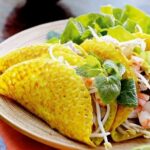
Then you shift into the grab-and-go side of street food. You’ll have grilled pork, fried spring rolls, and Vietnamese pancake in the menu, along with Banh Khot as a crisp, bite-sized option.
This part of the tour is where texture becomes the main event: crunchy spring rolls, crisp pancake bites, and grilled flavors that smell amazing while you’re walking.
If you’re wondering whether this will be too much food: the pacing plus the variety helps. You’re not just eating one kind of snack repeatedly. Each stop changes texture and flavor.
Refresh and Finish: Sweet Soup and Vietnamese Coffee
Near the later portion, you’ll switch from savory to sweet notes with sweet soup and Vietnamese coffee (and/or cafe). This is a good travel-food strategy because it stops the tour from feeling like endless salt and fat.
Sweet soup can be a gentle finish if you want something warming or light compared to the crispy fried items. And the Vietnamese coffee helps you transition into the home visit portion without feeling stuffed.
The Home Visit: Seeing Everyday Food Life Up Close
The tour ends with a visit to a local person’s house. This is the part that turns a “food sampling” into a cultural experience.
You’ll soak up the homely atmosphere and get a real insight into how local people live and eat. Even if you’re not a “cultural museums” person, this kind of stop usually sticks because it feels personal, not performative.
Practical note: a home visit can mean different comfort levels than a street stall. You might want to wear something respectful and comfortable, and keep your expectations grounded. This is everyday life, not a show.
Price and Value: What $29 Buys You in Real Eating Time
At $29 per person for 150 minutes, this tour sits in the “good value” zone if you’re planning to eat anyway. You’re not paying only for food; you’re paying for the guide route, market navigation, and the home visit component.
The tour includes bottled water, all food as described, and a live guide. That matters because street food can be cheap item-by-item, but it’s the total experience that costs time and confidence. A guided plan helps you avoid random choices and spend your appetite on dishes worth seeking out.
A small group also adds value. It keeps questions possible and reduces the “herded through a line” feeling that some food tours create. You spend more time actually eating and understanding what’s in front of you.
Logistics and Practical Tips That Actually Matter
A few details will make your tour smoother.
Plan Your Meal Timing
Please only eat a light lunch or nothing before the tour. The tour is built so you likely won’t need to eat dinner after. If you ignore that and go in heavy, you’ll reduce how much you enjoy each stop, especially the noodle portions and fried items.
Expect Walking, Not a Ride
There’s no hotel pickup and drop-off. You’ll meet somewhere locally and walk the route at the tour’s pace. With 2–2.5 km total distance, you’ll want shoes that handle uneven sidewalks and stop-and-go crowds.
Dietary Restrictions: Tell the Supplier
You should advise the supplier of any dietary restrictions when booking. That’s your best chance at having the menu adjusted appropriately.
Lunar Calendar Menu Change
The menu will be a bit different on the 1st and 15th of the lunar calendar because many local shops close. If you’re traveling on those dates, treat the tour as flexible local eating rather than a fixed checklist.
Not Suitable for Pregnant Women
This tour notes it is not suitable for pregnant women. Since the tour involves walking and street conditions, it’s better to choose a different style of experience.
Who This Street Food Tour Suits Best
This tour is a strong fit if you want:
- Hoi An specialties without spending hours researching stalls
- A guided route that includes market areas and a local home visit
- Enough variety to sample noodles, crispy bites, pork dishes, and sweet drinks
It’s especially good for first-time visitors to Vietnam who want street food with structure. It’s also a nice choice if you want a small-group experience where you can ask simple questions and keep up with the pace.
Should You Book This Hoi An Street Food Tour?
Yes, if you want an efficient, high-reward way to eat your way through Hoi An in just 2.5 hours. The combination of Cao Lau, Banh Khot, Banh My, Vietnamese coffee, and a home visit makes the tour feel more complete than a standard “try a few snacks” plan. At $29, you’re paying for guidance, pacing, and access to places you might not find on your own.
Skip it or reconsider if you hate walking, can’t eat fried or saucy foods, or need accommodations that aren’t mentioned in the tour details. Also, if you’re pregnant, the tour states it’s not suitable.
If your main goal is a guided street food sampling that still feels local and personal, this is the kind of tour that tends to make your whole trip feel more connected to daily life.
FAQ
How long is the Hoi An street food tour?
It lasts 150 minutes, which is about 2.5 hours.
How far do you walk during the tour?
The tour covers about 2 to 2.5 km on foot.
How much does the tour cost?
The price is $29 per person.
What food is included in the tour?
The menu includes Vietnamese bread, Cao Lau noodles, beef noodle, Vietnamese pancake, grilled pork, fried spring roll, and cafe. The tour also mentions trying items like Banh My, Banh Khot, sliced pork wrapped in rice paper, spring rolls, and sweet soup.
Is hotel pickup included?
No. Hotel pickup and drop-off are not included.
What language is the tour guide?
The tour is guided in English.
Is the tour suitable for everyone?
It is not suitable for pregnant women. If you have dietary restrictions, you should advise the supplier when booking.