REVIEW · REYKJAVIK
Reykjavik Food Walk – Local Foodie Adventure in Iceland
Book on Viator →Operated by Reykjavik Food Walk · Bookable on Viator
Reykjavik tastes better with a guide. This 3-hour Reykjavik Food Walk mixes 8+ Icelandic tastings across 4 to 6 spots, plus photo stops around the city’s most recognizable sights. I love the variety, from street-style bites to sit-down dishes, and I also love that the pacing gives you time to actually enjoy each stop. One thing to consider: you’ll likely leave very full, so plan your next meal carefully (and skip breakfast if you’re the type to overestimate willpower).
The walk starts at Harpa Concert Hall, a stunning piece of Reykjavik architecture, then moves through the downtown core where food and history overlap. Guides like Stevie and Thor get high marks for humor and storytelling, while Mímir and Dagur are praised for making the route feel personal. If you have food needs, you can message ahead—dietary accommodations are a big part of the experience.
In This Review
- Key things to know before you go
- A 3-hour Reykjavik food walk that actually fits your day
- Price and what you really get for $146
- Starting at Harpa: arrive early and make it part of the day
- Arnarhóll hill and Ingólfur Arnarson: sightseeing without the museum fatigue
- Laugavegur and Skólavörðustígur: the streets where food and people meet
- Hallgrímkirkja area stop: a landmark pause that keeps the pace friendly
- What’s actually tasted: arctic char, plokkfiskur, fermented shark, and rye bread ice cream
- Guide energy: why Stevie, Thor, Lenny, and Mímir get repeated praise
- Small-group size: 14 people keeps it personal
- Handling dietary restrictions without stress
- How to prep: wear shoes, bring your appetite, and manage the cold
- Timing: why 3 hours on your first visit often works best
- Should you book Reykjavik Food Walk?
Key things to know before you go

- Harpa is the launch point: arrive early to check out the building before you meet your group
- 4–6 stops, 8+ dishes: this is structured sampling, not a quick snack sprint
- Small groups (max 14): more time to ask questions and get recommendations
- Landmark photos built in: Ingólfur Arnarson and Hallgrímkirkja are on the route
- Expect classic Icelandic hits: arctic char, rye bread ice cream, and more
- Dietary needs are handled: send your requests ahead of time
A 3-hour Reykjavik food walk that actually fits your day
Reykjavik can feel like a lot at once. Weather changes fast, streets are spread out in a way that’s hard to judge, and you’ll want to find good food without turning the whole trip into a hunt. This walk solves that by keeping you on foot in the central area and structuring the eating.
What I like about the format is how it turns indecision into a plan. You get multiple tastings across several types of places—food trucks to more traditional restaurants—so you’re not stuck betting everything on one meal.
You also get city context. You’ll pause at key spots as you go, so the walk doesn’t feel like you’re just following people from one counter to the next.
You can also read our reviews of more tours and experiences in Reykjavik.
Price and what you really get for $146
At $146 per person, the price isn’t the “cheap eats” version of Icelandic food. But you are paying for (1) multiple tastings, (2) guided route decisions, and (3) time-efficient sightseeing that’s tied to those meals.
Here’s the value logic that makes this work:
- Time value: about 3 hours, with stops planned so you’re not spending that time searching.
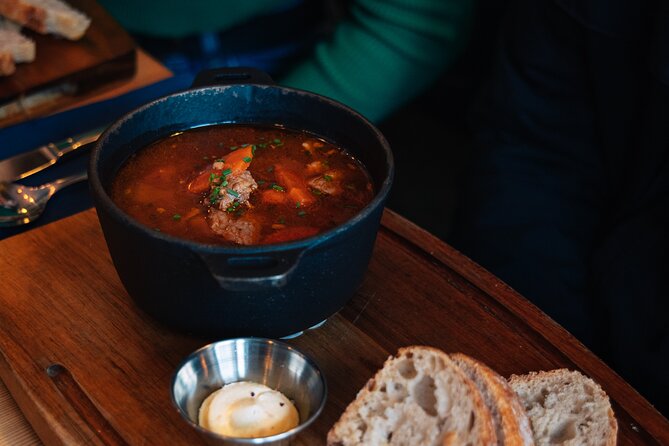
- Food value: you’ll sample eight or more dishes across four to six establishments.
- Quality value: the route is built around places people trust, not random “maybe” options.
If you’re the type who wants to eat like a local but also wants a safety net, this price makes sense. If you only want one big meal, you may find it harder to justify.
Starting at Harpa: arrive early and make it part of the day
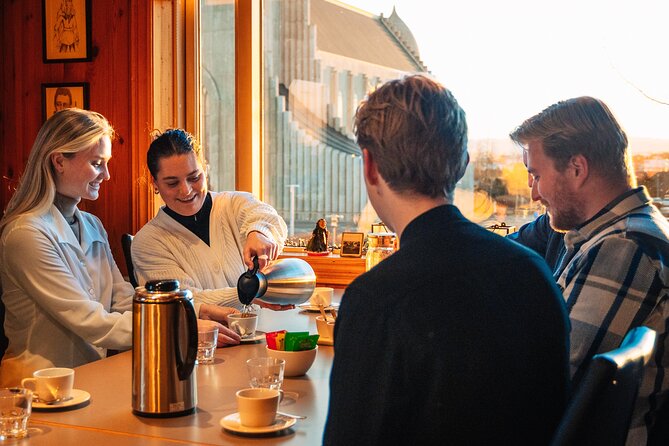
The meeting point is Harpa Concert Hall and Conference Centre at Austurbakki 2. I like this choice because Harpa is both easy to find and visually memorable—one of those Reykjavik landmarks you’ll want to see early, even if you’re not a concert person.
You’re also encouraged to arrive a bit early and look around the building. That’s a small thing, but it matters: it gets you into the Reykjavik mindset before the eating starts.
Since the tour is in English and runs on foot, meeting at a central hub reduces confusion and keeps your start smooth.
Arnarhóll hill and Ingólfur Arnarson: sightseeing without the museum fatigue

One of the best parts of this food walk is how it ties the city’s origin story into the route. You’ll walk on Arnarhóll hill and see the statue of Ingólfur Arnarson, widely described as the first settler of Iceland.
This stop works because it’s quick and outdoors. You get a meaningful reference point for your Reykjavik day without sitting through a long lecture.
And it’s not just trivia. When you understand who founded the place and why settlements mattered, the city’s modern vibe makes more sense. Even if you’re mostly here for food, those short story moments add up.
Laugavegur and Skólavörðustígur: the streets where food and people meet
Between tastings, you’ll stroll through Laugavegur and Skólavörðustígur, Reykjavik’s main shopping and dining corridors. This is where the city feels alive in a very practical way: lots of options nearby, easy-to-follow walking, and a strong sense of what’s normal for locals.
The food walk uses these streets well. You’re not wandering randomly—you’re moving along a route that makes sense for sampling and for landmark photo moments.
This also means you’ll likely end up with better instincts for the rest of your trip. After the walk, it’s easier to know where you want to go back for a second visit.
Hallgrímkirkja area stop: a landmark pause that keeps the pace friendly
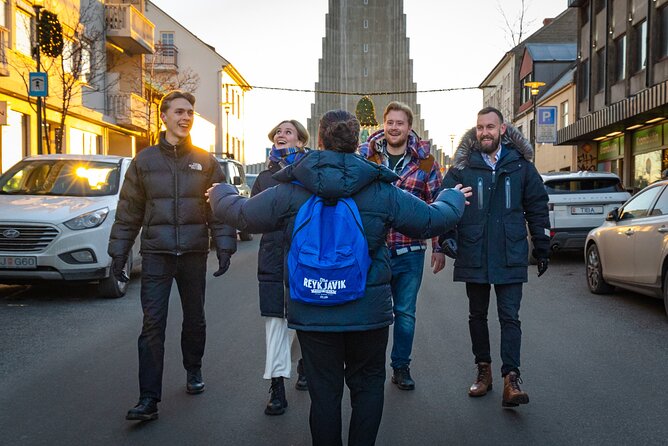
Another anchor on your route is the Hallgrímkirkja church area. The walk brings you close enough to appreciate it and take photos, and it’s part of the flow rather than a separate detour.
The tour includes an admission-free stop associated with this area, so you’re not paying extra just to enjoy the sight. That helps keep the budget predictable while still giving you the big Reykjavik “I’m here” moment.
What also matters: this is an outdoor-friendly break. If you’re traveling in cold months, you’ll still feel like you’re moving, eating, and seeing things without the trip turning into full-on sightseeing exhaustion.
What’s actually tasted: arctic char, plokkfiskur, fermented shark, and rye bread ice cream
This is where the tour earns its place as a favorite first-day activity for many people. You’re sampling classic Icelandic dishes in smaller portions, so you can taste more of the range without committing to a single heavy plate.
From the kinds of dishes people rave about, you can reasonably expect several of these:
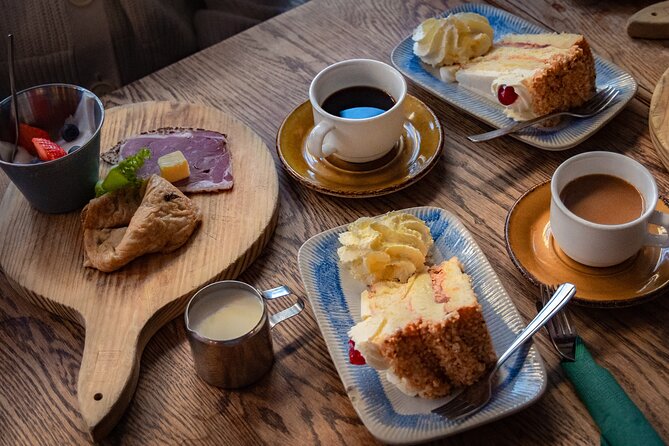
- Arctic char: a local fish often treated with respect and kept simple so the flavor stays clean
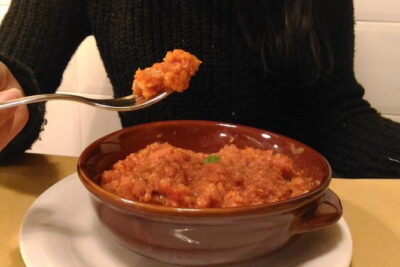
- Plokkfiskur (cod and potato dish): creamy, comforting, and often a standout
- Fermented shark: a bold tradition that can be a shock on first taste
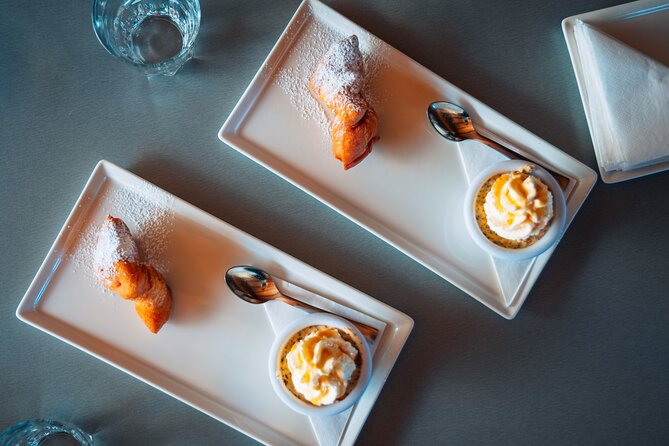
- Rye bread ice cream: a sweet finisher people remember
- Lamb and fish dishes, plus some baked or street-style bites
- A local hot dog in Reykjavik style, mentioned as a famous stop by some guides’ choices
The big advantage here is how the tour handles variety. Icelandic food can be salty, smoky, or very fish-forward depending on what you order. By tasting across different styles, you get a sense of what you personally like.
Also, the portioning matters. People often describe leaving pleasantly stuffed because the tour stacks multiple tastings. That’s the plan—just don’t schedule a long sit-down dinner right after.
Guide energy: why Stevie, Thor, Lenny, and Mímir get repeated praise

In a food walk, the guide is half the meal. You’re not just buying bites—you’re buying translation: what to try, why it tastes the way it does, and how it fits into Icelandic culture.
The strongest praise in the reviews centers on guides who can do three things at once:
- Keep the walk lively with humor and stories
- Answer questions with confidence and patience
- Make people feel like the group matters, not like they’re moving through a checklist
You’ll see guide names pop up often, including Stevie, Thor, Lenny, and Mímir. Others like Dagur, Hilda, and Dave also get mentioned for similar reasons: friendly explanations, good pacing, and smart restaurant choices.
If you’re picky about tours that feel rushed or scripted, this is the kind where guides try hard to slow down when it counts—especially around the food.
Small-group size: 14 people keeps it personal
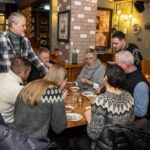
The group cap is 14 travelers. That size is big enough to feel social, but small enough that you can hear the guide and ask questions without shouting.
For a walking food tour, that matters. You’re moving between places, and sometimes weather or timing changes the flow. A smaller group usually means the guide can adjust without losing the rhythm of the eating.
It also helps for dietary needs. When the group is small, it’s easier for the guide to coordinate substitutions and make sure you’re not waiting around hungry.
Handling dietary restrictions without stress
This tour states they can accommodate almost everything, and they ask you to send a message if you have allergies or dietary needs.
That’s important. Icelandic menus can include fish, dairy, and lamb in many forms, and it’s not always obvious to visitors what’s safe. Knowing the operator actively supports accommodations makes the whole trip feel more relaxed.
If you’re gluten-free, dairy-free, or avoiding specific ingredients, I’d treat this as a major plus rather than an extra. You’ll still be part of the tasting flow, not stuck outside the group while everyone else eats.
How to prep: wear shoes, bring your appetite, and manage the cold
You’re walking between multiple establishments, so dress for weather. Reykjavik can be chilly even when the day looks calm, and you’ll feel it more when you’re outside for parts of the route.
Also, bring an appetite. This tour is designed for sampling—meaning the total amount of food adds up.
A practical move: if your schedule allows, eat lightly before you go. People doing this successfully tend to come in ready to taste, not ready to split everything and take half home.
Timing: why 3 hours on your first visit often works best
This is one of the best lengths for a first Reykjavik day. About three hours is long enough to feel like you experienced the city’s food culture, but short enough that you still have energy left for the rest of your trip.
Starting near Harpa also helps because you’re near a central point you can return to. After the walk, you’ll have a clearer idea of what you want for your next meal and where you want to wander.
If your main goal is seeing key landmarks without turning it into a separate sightseeing day, this tour does that job too—church, historic statue area, and the main downtown streets, all tied to food.
Should you book Reykjavik Food Walk?
Book it if you want a high-signal introduction to Icelandic food, especially if you’re short on time and don’t want to guess where to go. The combo of 8+ tastings, 4–6 stops, and landmark photo moments is exactly the kind of planning that makes a new city feel less stressful.
I’d skip or reconsider if you’re trying to keep food costs low or you hate the idea of tasting several small dishes. Also, if you already know you’ll only eat a narrow range, you may find the variety less useful.
Bottom line: if you want Reykjavik through food, with a guide who keeps things funny and organized, this is a strong pick—and one many people rate at the top for a reason.