REVIEW · KATHMANDU
Kathmandu Secret Food Crawl & Local Market Tour
Book on GetYourGuide →Operated by Mount Glory Treks · Bookable on GetYourGuide
Kathmandu’s market alleys taste better than you expect. This 2-hour food crawl from the main gate of Chhaya Devi Complex takes you into Ason Bazar and focuses on real local eating: Newari cuisine like yomari and samay baji, plus everyday snacks that locals order without thinking. I like that the tour pairs food with context, so you understand what you’re tasting. I also like how direct it is: you don’t just watch a market, you eat your way through it.
One consideration: it’s a fast walk. With multiple food stops packed into 2 hours, you’ll want to keep your curiosity moving, and a few people noted the pace can feel a bit rushed at certain points.
In This Review
- Key Things You’ll Get From This Tour
- Entering the Walk: Starting at Chhaya Devi Complex
- Why Ason Bazar Changes Your Food Mood
- Newari Cuisine You Can Taste: Yomari and Samay Baji
- Street Snacks on the Menu: Momo, Chatamari, and Laphing
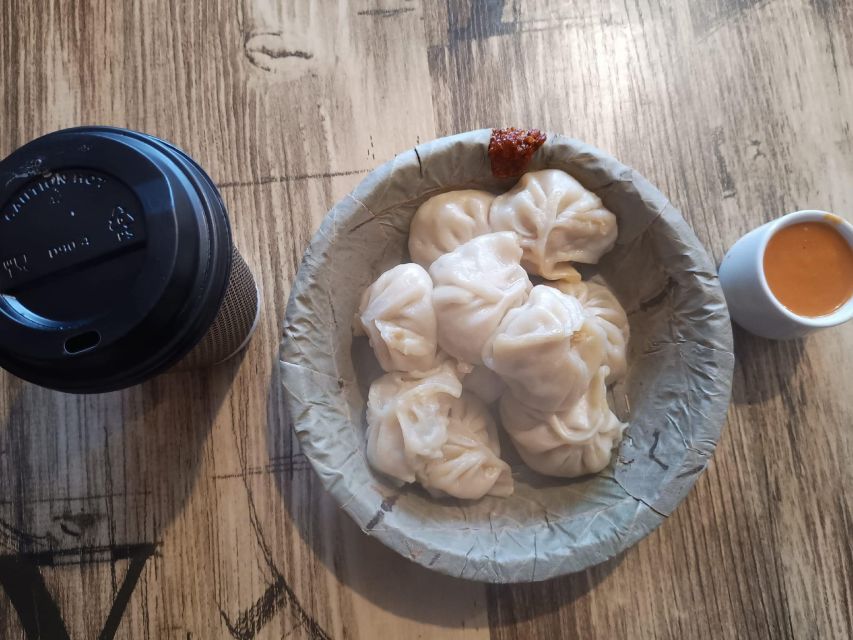
- Momo: the dumpling that never runs out of versions
- Chatamari: Newari pizza, but not a copy
- Laphing: cold, spicy mung bean noodles
- Market Crafts and Traditions: What You Learn While Walking
- How Many Bites You’ll Really Get (and How to Plan for Full)
- Guide Choice: What Makes Santosh’s Style Work
- Price and Value: Is $28 Worth a 2-Hour Crawl?
- Who Should Book This Food Crawl (and Who Might Not)
- Should You Book the Kathmandu Secret Food Crawl & Local Market Tour?
- FAQ
- Where does the tour meet?
- How long is the Kathmandu Secret Food Crawl?
- What is the price per person?
- What’s included in the tour price?
- What food and drinks should I expect to taste?
- Is the tour guide available in English?
- Is there free cancellation?
- Can I reserve without paying right away?
- Which market is featured during the tour?
Key Things You’ll Get From This Tour
- Ason Bazar as the anchor: Kathmandu’s well-known oldest local market is the center of the route.
- Minimum 5 tastings plus drinks: and based on real experiences shared, you may end up trying closer to 8–9 items.
- Newari staples with meaning: you’re set up to taste dishes tied to Newar food traditions, not just whatever is popular.
- Street-food variety in 2 hours: momo, chatamari (Newari-style pizza), and laphing show up on the menu.
- Culture between bites: expect craft and tradition references tied to Newars and other local cultures, with time to talk through daily life.
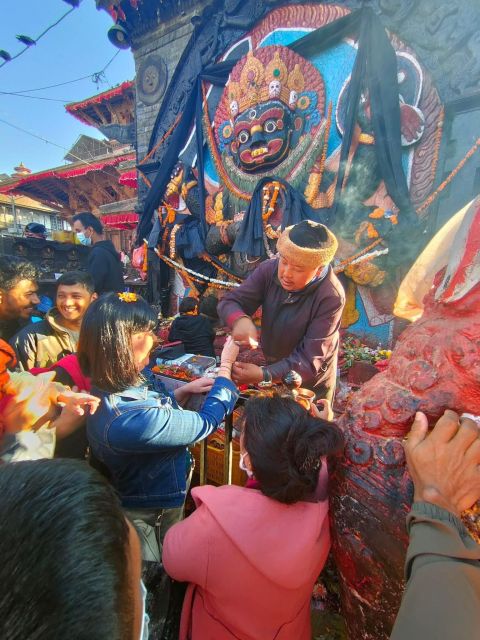
- Possible Kumari Temple moment (timing-dependent): one review mentioned that an early-evening slot allowed a chance to see the Kumari make an appearance.
Entering the Walk: Starting at Chhaya Devi Complex
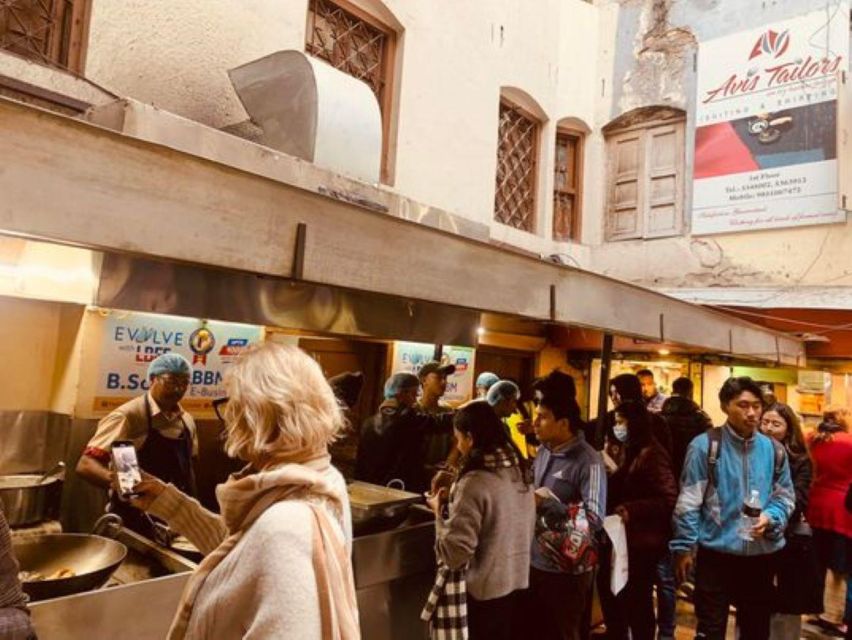
The tour meets at the main gate of Chhaya Devi Complex, which is a practical setup because you’re starting from a known point in Kathmandu and then heading into the market zone on foot. For a 2-hour experience, that matters. You don’t waste daylight lining up transport or backtracking across neighborhoods.
Also, this is one of those tours where the format does some of the work for you. You get an English-speaking guide, and the route is designed around food stops with drinks included. In other words, you’re not negotiating with vendors or wondering which items are safe to try. You just follow the plan and taste.
If you’re doing this soon after you arrive, it’s a smart way to get your bearings. You see what real local eating looks like, and you learn the names of dishes you’ll keep hearing about while you’re in town.
You can also read our reviews of more food & drink experiences in Kathmandu

Why Ason Bazar Changes Your Food Mood
Ason Bazar is the headline market on this crawl, and it’s worth paying attention to why that matters. Markets aren’t just places to eat. They’re social hubs, and in Kathmandu they also act like a living directory of what people buy, cook, and serve day to day.
When you’re in a place like Ason Bazar, you’ll notice something quickly: food isn’t a separate activity. It’s folded into the market rhythm. That’s where a guide helps most—without one, it’s easy to wander past the stalls you actually want, or to get lured into something that’s aimed at visitors rather than locals.
This tour also leans into the historical and cultural sides of the market experience. You’re not just piling up snacks. You’re getting the story behind why certain Newari dishes show up where they do, and how the market connects to community life.
Newari Cuisine You Can Taste: Yomari and Samay Baji
The Newari food component is a big reason this crawl works. Newari cuisine isn’t only about flavor—it’s about tradition and timing. Two dishes highlighted in the tour description are yomari and samay baji.
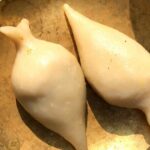
Yomari is a sweet steamed dumpling, typically filled with molasses and sesame seeds. It’s the kind of dessert that feels both comforting and unusual at the same time. The texture is soft and filling, and the flavor profile is warm—sweet with a nutty note from sesame.
Then there’s samay baji, a ceremonial platter. The name is tied to Newar tradition, and the platter format is the point: you get beaten rice plus spiced buffalo meat, along with a variety of pickles. This is one of those meals where you taste how people balance salt, spice, and sour. It’s not just one dish—it’s a whole set built to sit together.
Practical tip: these are satisfying foods. Even if you’re curious about street snacks later, take your time with the Newari items because they can set you up for feeling full fast—in a good way.
Street Snacks on the Menu: Momo, Chatamari, and Laphing
After the Newari focus, the tour pivots into the everyday street-food world of Kathmandu. This is where you get the variety that makes a short tour feel worth it.
Momo: the dumpling that never runs out of versions
Momo shows up across Nepal and the Tibetan-influenced areas, but Kathmandu’s take is its own thing. On this crawl, expect it to appear as part of the practical tasting lineup—the kind of dish you can recognize even if you’ve never eaten it before.
Chatamari: Newari pizza, but not a copy
Chatamari is often described as Newari pizza, and that’s a helpful shortcut. But it’s better to think of it as a local pancake-style base topped with flavors that match Kathmandu street cooking. If you like savory comfort food, this is usually a win.
Laphing: cold, spicy mung bean noodles
Laphing is a standout because it’s not hot. It’s a cold, spicy mung bean noodle dish and especially popular with locals. If you’ve been told Kathmandu street food is intense, this one is your proof. It’s spicy and punchy, and it’s also a welcome contrast after steamed or fried items.
One more thing I like about this lineup: these dishes give you a wide taste range in 2 hours—sweet (yomari), savory and meaty (samay baji), then dumplings and noodle snacks.
Market Crafts and Traditions: What You Learn While Walking
The tour isn’t only about eating. It also points you toward crafts and traditions of Newars and other local cultures. That matters because Kathmandu food is tied to identity. When you learn why dishes exist, you stop treating street food like random snacks and start tasting with attention.
This is also where you get your “touch with locals” angle. You’re walking through market areas where everyday people shop, cook, and sell. Even without deep formal explanations at every stop, the atmosphere makes your meal feel grounded.
From feedback shared by past participants, guides such as Santosh tend to add cultural context beyond food—talking about religion and even politics in a conversational way while you walk. That can turn the tour from a checklist into a meaningful introduction to Kathmandu’s layers.
How Many Bites You’ll Really Get (and How to Plan for Full)
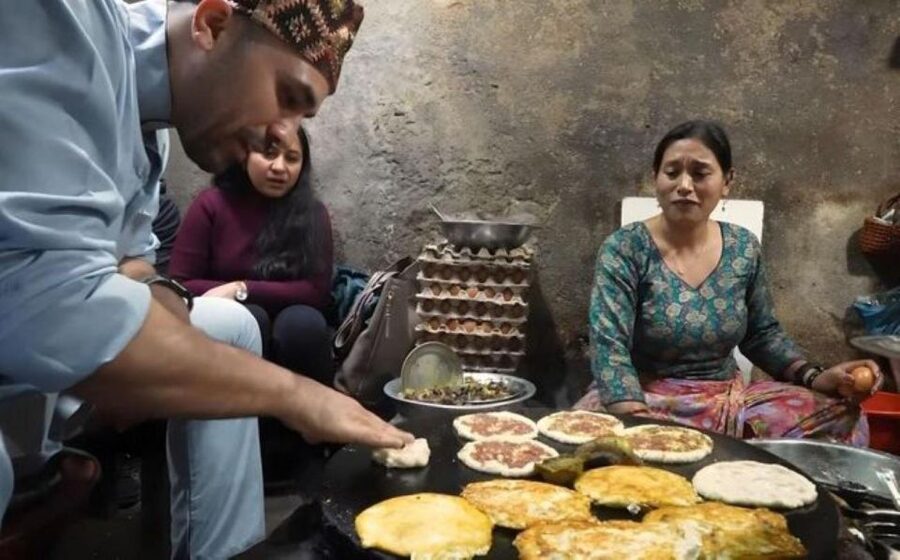
The tour includes all foods and beverages, with a minimum of 5 items with drinks. In practice, that minimum can become more, and several people mention tasting at least 8 or 9 things during the 2-hour window.
So plan your day accordingly:
- Eat lightly before you go, especially if you’re also planning dinner.
- Bring water with you only if your guide allows it; otherwise, rely on the drinks included.
- Don’t schedule a tight appointment right after unless you’re okay with being very full and a little slow-moving.
If you’ve ever done a food tour where you barely get enough to justify the price, this one aims in the opposite direction. People mention generous servings and leaving with full stomachs, which is exactly what you want for a short, paid walking experience.
Guide Choice: What Makes Santosh’s Style Work

This crawl is powered by an English-speaking guide, and reviews repeatedly mention the guide as a key part of the experience. In particular, Santosh is named several times, with people praising his friendly approach and the way he explains what you’re eating.
Good food tours help you do three things:
1) Find stalls you’d miss on your own
2) Know what the dish is meant to taste like
3) Feel comfortable asking questions
That’s what the feedback points to. People describe getting taken to authentic vendors only locals know about, with explanations that add context without making the walk feel like a lecture.
There’s also an important “real life” detail from one review: the guide was flexible when someone had timing constraints for a trek afterward. That tells me the tour can adjust, as long as you communicate early.
Potential downside again: a small handful of feedback notes a rushed feel at times. If you’re the kind of eater who loves lingering, you may want to gently set expectations at the start—ask for a slower pace if that’s your style.
Price and Value: Is $28 Worth a 2-Hour Crawl?
At $28 per person for 2 hours, the value comes from two things you usually have to pay separately in Kathmandu: guidance and access.
You’re paying for:
- An English-speaking guide
- All government taxes and official expenses
- Foods and beverages (minimum 5 items with drinks)
If you’d try to recreate this on your own, you’d be juggling decisions: where to go, what to order, which stalls are reliable, and how to avoid ending up with tourist-only food. A guided route removes that mental load.
Also, because the tour focuses on Newari classics like yomari and samay baji plus street staples like momo and laphing, you’re getting both “signature local tradition” and “what people actually eat on the street.” That mix is what makes a 2-hour format feel complete instead of random.
Bottom line: if you eat with curiosity and you like markets, this is a strong use of time for the price.
Who Should Book This Food Crawl (and Who Might Not)
This works best if:
- You want to try Newari cuisine without guessing
- You like street food, but prefer a plan and explanations
- You’re in Kathmandu for a short time and want a dense 2-hour taste route
- You enjoy learning about culture while you eat
You might skip it if:
- You hate walking in narrow market areas (this is still a walk, even if it’s only 2 hours)
- You need every stop to be slow and relaxed—some feedback points to pace that can feel rushed
- You’re not interested in trying foods beyond the familiar
If you’re traveling alone, this kind of guided tasting is also an easy way to connect. You’ll be surrounded by local food culture without having to figure out everything yourself.
Should You Book the Kathmandu Secret Food Crawl & Local Market Tour?
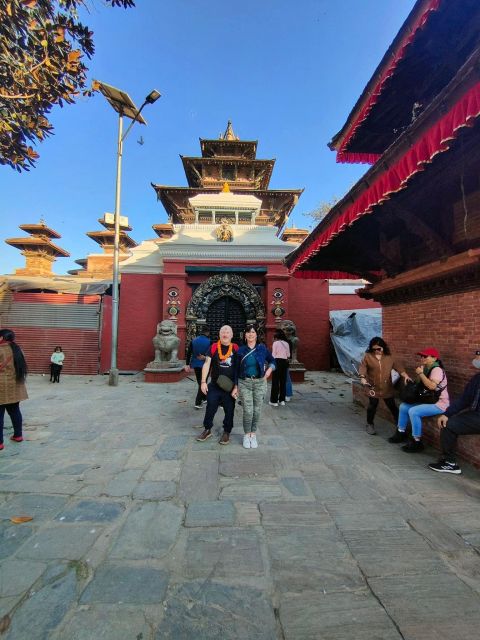
Yes, I’d book it if you want a practical introduction to Kathmandu eating—especially if you’re curious about Ason Bazar and Newari dishes like yomari and samay baji. The big win is the combination of food variety, cultural context, and a short time commitment that doesn’t leave you wandering hungry.
Book it early in your trip if you can. You’ll leave with dish names you can order later, plus a feel for how Kathmandu markets work. Just go in knowing you’ll likely leave full, and wear comfortable shoes.
FAQ
Where does the tour meet?
The meeting point is the main gate of Chhaya Devi Complex.
How long is the Kathmandu Secret Food Crawl?
It lasts 2 hours.
What is the price per person?
The price is $28 per person.
What’s included in the tour price?
It includes an English-speaking tour guide, all government taxes and official expenses, and all foods and beverages (minimum 5 items with drinks).
What food and drinks should I expect to taste?
You can expect a mix of Newari cuisine and Kathmandu street food, including dishes like yomari and samay baji, plus items such as momo, chatamari, and laphing. Drinks are included as part of the tastings.
Is the tour guide available in English?
Yes, the tour guide is English-speaking.
Is there free cancellation?
Yes. You can cancel up to 24 hours in advance for a full refund.
Can I reserve without paying right away?
Yes. You can reserve now & pay later.
Which market is featured during the tour?
The tour focuses on the oldest local market in Kathmandu, Ason Bazar.