REVIEW · KOBE
Kobe: Guided Sake Breweries Tour with Tastings
Book on GetYourGuide →Operated by KampaiSakeTours · Bookable on GetYourGuide
Sake in Kobe feels like a walking lesson. In Nada district, you’ll move brewery to brewery with an English live guide, turning every sip into a mini-course on how sake is made and why it tastes the way it does.
I love the way this tour gives you tastings across multiple breweries (so you can actually compare styles), and I love the friendly, funny energy that guides like Hiro and Romi bring to the group. One drawback: you’re on your feet for about 4 km, so plan to wear comfortable shoes and take it at an easy pace.
In This Review
- Key points worth knowing before you go
- Why Kobe’s Nada district is the perfect place to taste sake
- Meet at Ishiyagawa, then settle into a 3.5-hour walking flow
- Kobe Shushinkan (Fukuju): a classic name with careful, handcrafted choices
- Okage Tofu-an: the tofu stop that makes the sake comparison easier
- Hakutsuru Sake Brewery Museum: big-name brewery energy, with a tasting corner
- Kiku-Masamune (since 1625): kimoto-method tools, garden calm, and a craft focus
- What the tastings are really teaching you (beyond taste buds)
- Walking logistics and how to pack for a sake souvenir day
- Price and value: what you’re paying for at $106 per person
- Who should book this Kobe sake breweries tour
- Should you book it or skip it?
- FAQ
- Where does the tour start?
- What time does the tour start and end?
- How long is the experience?
- How many breweries do you visit?
- Is the tour in English?
- Is this a small group?
- What’s included in the price?
- What’s not included?
- Do you stop at the tofu shop?
- Can I buy sake or souvenirs at the stops?
- FAQ
- Question goes here
Key points worth knowing before you go
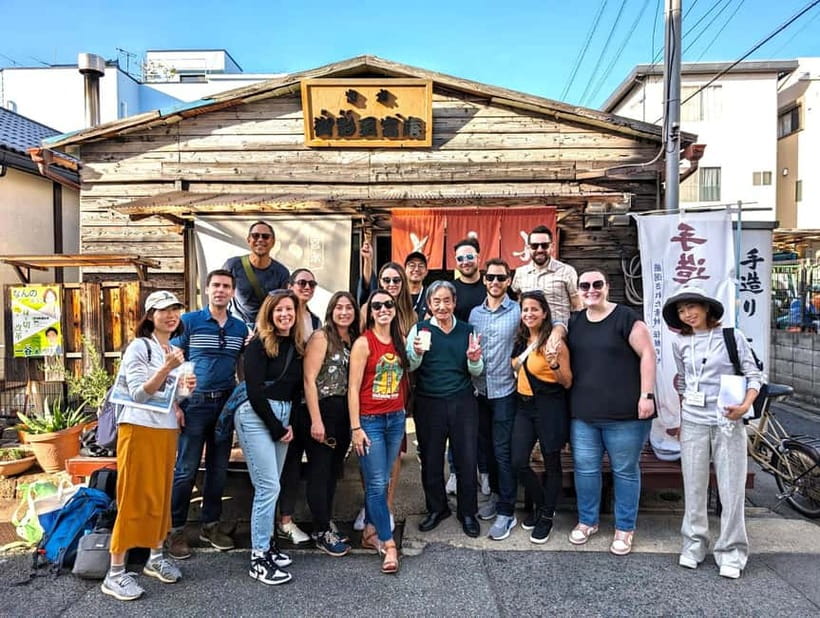
- Nada district tasting comparisons: you sample from several makers in Kobe’s top sake-producing area
- Small group max of 10: easier questions, more personal explanations, less waiting around
- Breweries from family-run to big-name brands: the route can include places like Fukuju, Hakutsuru, and Kiku-Masamune
- Fresh food stop (when open): Okage Tofu-an can be part of the day for a tofu tasting
- Bring a backpack for purchases: you’ll likely want to grab bottles and souvenirs along the way
Why Kobe’s Nada district is the perfect place to taste sake
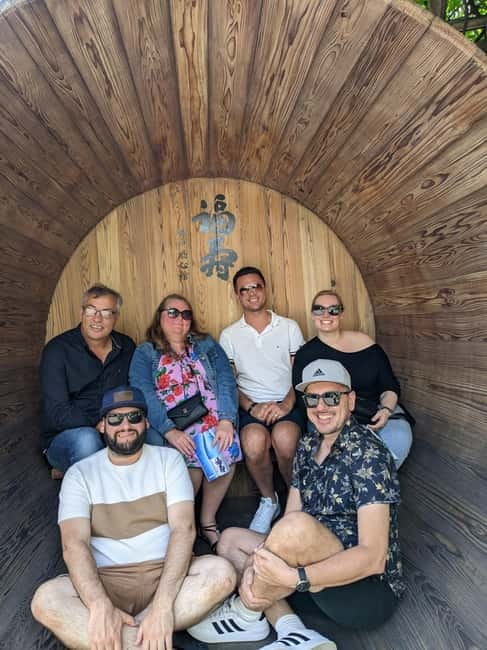
If you’ve only tried sake in bars, it can feel like one category of drink. In Kobe’s Nada district, the same drink turns into a set of styles, made by different breweries with different traditions. The tour’s whole trick is that it keeps the context close: you taste while the guide is pointing out what’s happening in the brewing process, and you can compare one brewery’s character against the next.
Nada is known for being a top sake-producing zone in Japan, with more than 26 breweries in the broader area. That density matters. Instead of traveling far between experiences, you stay in one neighborhood and get a sharper sense of how terroir, water, and craftsmanship show up in the glass.
This is also a very “Japan-in-real-life” type of outing. You’re not standing in a single museum room all day. You’re walking between working breweries and tasting spaces, with streets that feel local—busy enough to be lively, but small enough that you’ll notice details.
You can also read our reviews of more food & drink experiences in Kobe
Meet at Ishiyagawa, then settle into a 3.5-hour walking flow
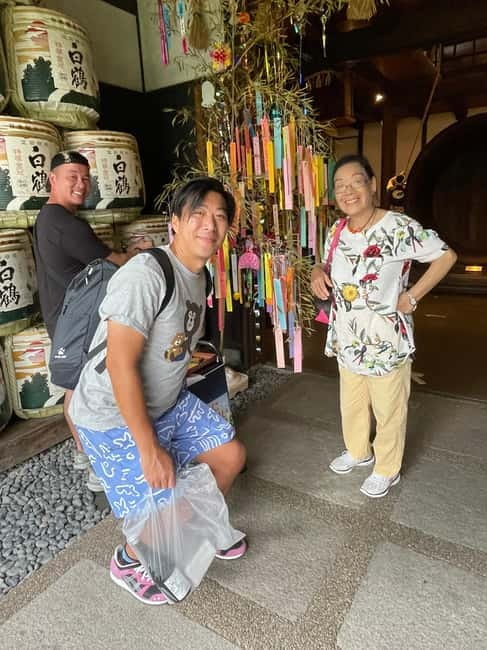
You start at Ishiyagawa station on the Hanshin line at 13:00, and you finish at Uozaki station at 16:30. It’s a guided, small-group experience (up to 10 people), and it’s built around tasting at 3 different breweries (sometimes 3 to 4 locations, depending on closures or conditions).
Here’s what that pacing feels like in practice:
- You’ll have short walking segments between stops, not long stretches with nothing happening.
- Each brewery visit includes time to look around and then taste.
- You get snacks along the way, so you’re not forced to choose between learning and getting hungry.
The tour runs about 210 minutes, so it’s not a quick “sip and go” thing. It’s long enough to learn the patterns, but short enough that you can still plan dinner afterward.
One practical note: you’re doing about 4 km on foot. The route includes multiple walking legs, and even if each one seems modest, the day adds up. Comfortable shoes aren’t optional—they’re the difference between enjoying the evening after and limping home.
Kobe Shushinkan (Fukuju): a classic name with careful, handcrafted choices
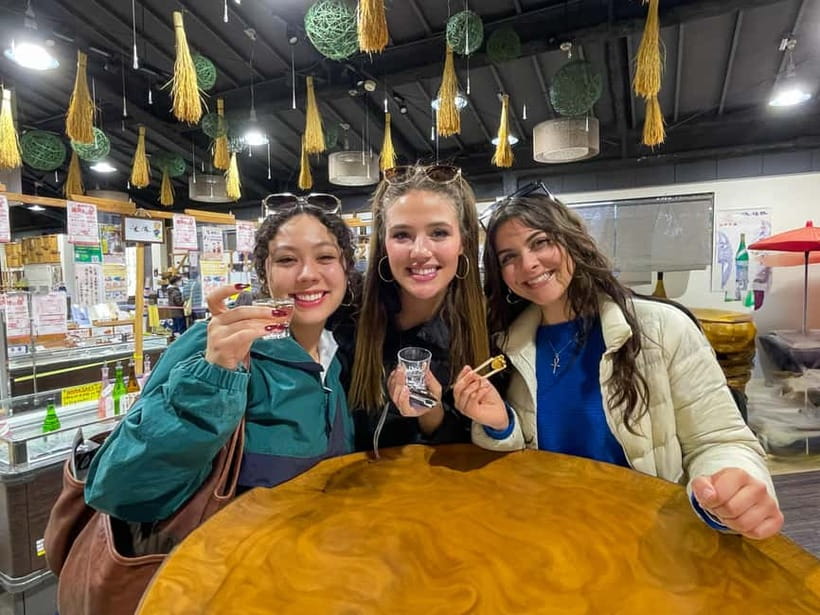
The first major brewery stop is Kobe Shushinkan, founded in 1751, where the sake brand is tied to Fukuju. What I like about this stop is that it frames sake as craftsmanship, not factory output. The brewery focuses on handcrafted production, high-quality ingredients, and the idea that the brewers’ attention is part of the flavor.
When you’re standing inside a place like this, you start to see sake as a process that includes time, skill, and restraint. That mindset helps you taste better later. You’ll be less focused on scoring “good vs bad” and more focused on what kind of character you’re sensing—clean, rounded, crisp, soft, and so on.
You also learn the brand purpose, which is part of why people come back for it: it’s not only about selling bottles. It’s about creating moments—something that “enriches the hearts” of the people who drink it. That kind of message can sound like marketing, but on a tasting tour, it actually connects to how the brewery describes its approach.
Okage Tofu-an: the tofu stop that makes the sake comparison easier
Between breweries, there’s a food stop at Okage Tofu-an (the tofu shop part of the experience). Fresh tofu is a major theme here, and the shop’s story links sake and tofu through something very practical: clean water. It also claims traditional craft, delicate texture, and a clean flavor.
What you’ll do at this stop is not just “snack once.” It’s a chance to reset your palate before tasting again. Tasting multiple sakes back-to-back can blur edges—what tastes different can start to feel similar. A light food break helps you notice nuance again.
There’s one key drawback to keep in mind: on Sundays and public holidays, the tofu shop is closed. When that happens, the tour won’t stop there and you won’t get tofu tastings.
If you’re going on a weekend or a holiday, it’s still a great tour—just be ready that this part of the route may be different.
Hakutsuru Sake Brewery Museum: big-name brewery energy, with a tasting corner
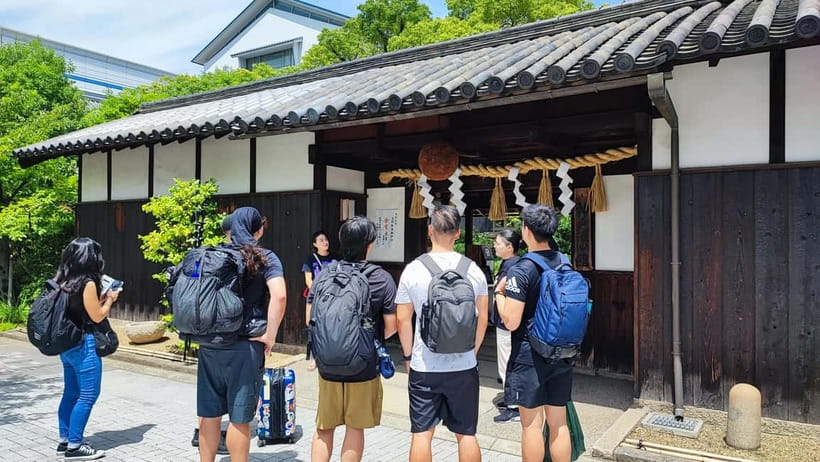
Next comes HAKUTSURU Sake Brewery Museum, and yes, Hakutsuru is described as Japan’s largest brewery. This stop is about scale and tradition living side-by-side. The museum opens an old brewhouse in its original form, so you can picture how sake-making traditions were carried down through generations.
Inside, there’s a tasting corner where you get your first tastes in that building, plus a shop where you can buy alcohol and souvenirs. What I like about this setup is that it’s practical. You taste first, then you can decide what to bring home while the flavors are still fresh in your mind.
Even if you don’t consider yourself a “sake person” today, this museum stop is usually where the tour clicks into place. You start recognizing how sake styles can be explained with real-world process and historical tools, not just vague tasting notes.
If you’re the type who likes to compare, Hakutsuru is a good anchor stop because it gives you a clear baseline: big brewery methods, a strong brand identity, and a tasting space designed for visitors.
Kiku-Masamune (since 1625): kimoto-method tools, garden calm, and a craft focus
The final brewery stop is Kiku-Masamune Shuzo Kinenkan, tied to sake-making since 1625. This is where the tour leans into traditional technique. Kiku-Masamune is known for keeping the traditional kimoto-method yeast style, and the museum highlights tools used in sake making.
What makes this stop feel special is the combination of “tools you can see” plus a calmer atmosphere. You taste in front of a Japanese garden, and the moment is built for slow breathing and noticing aroma before you drink.
The kimoto-method angle matters because it helps you understand why different sakes can feel different even when they’re served at similar temperatures. Yeast methods, fermentation choices, and care during production influence what you perceive in the glass. The guide is there to translate that into simple language you can actually remember.
And if you’re shopping for souvenirs, this is a good time to think about what you’ll actually drink later. Buy one bottle for a future dinner, one for a friend, and one “curiosity bottle” that you’ll open just to compare what you tasted today.
What the tastings are really teaching you (beyond taste buds)
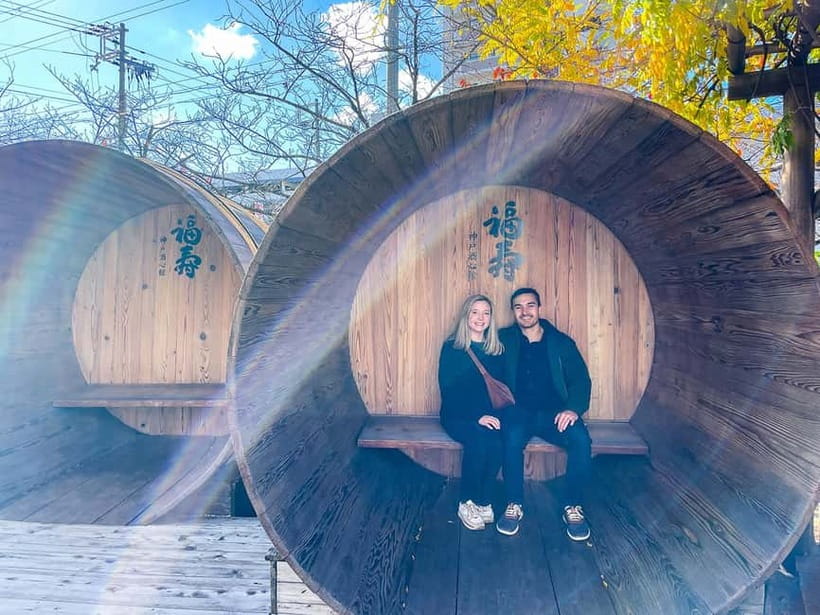
This tour isn’t only about trying alcohol. It’s about learning how to taste with purpose.
Here’s what you’ll likely pick up as the day goes along:
- Sake types differ in feel: some taste lighter and sharper, others feel softer and rounder
- The brewing process isn’t abstract: it shows up as aroma, texture, and finish
- Context matters: each brewery has a distinct approach, and you taste that difference on-site
Because you visit several breweries in a relatively tight window, you can do real comparisons. If you only tried one brand, you’d never know whether your favorite flavor came from the style or from that single brewery’s interpretation.
I also appreciate the guide-led pacing. In a good tasting, nobody feels rushed, and nobody is left guessing what they’re supposed to notice. On this tour, guides like Hiro, Romi, and others are known for making the explanations clear and keeping the mood light—one guide was even described as using costumes and accessories to make the day fun, not stiff.
And if you want a little extra sincerity: there’s at least one report of a private tasting setup and a direct conversation with a master brewer. That’s not something you should assume will happen every day, but it tells you the team can sometimes go beyond the basics when timing allows.
Walking logistics and how to pack for a sake souvenir day
This is a walking tour, so you’ll enjoy it most if you dress for it.
Wear comfortable shoes. The day includes multiple legs on foot, and you’re around 4 km total. Even in good weather, you’ll feel it by the end.
Bring a backpack if you can. The route includes brewery shops where you can buy bottles and souvenirs, and you’ll want a safe way to carry them. A tote bag can work, but a backpack is easier when you’re moving between stops.
One more “don’t get surprised” detail: breweries can be subject to change due to regular closing days or weather conditions. The tour still aims to keep the tasting experience intact, but the exact order and count of stops can shift slightly.
If weather goes wrong, I’ve seen reports that the organizers can adjust with a car so the group can visit extra breweries instead of losing time to delays. Still, plan like it’s mostly walking day.
Price and value: what you’re paying for at $106 per person
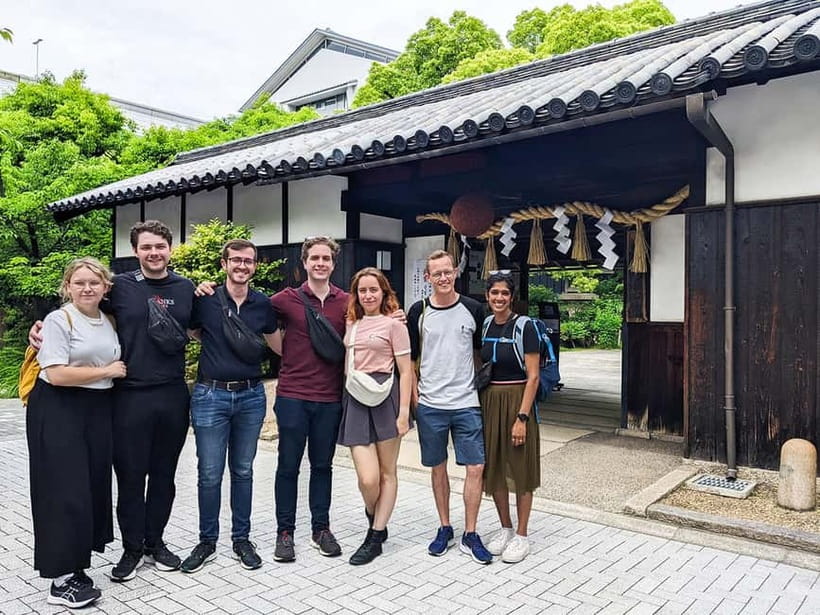
At $106 per person for about 210 minutes, you’re not just paying for alcohol. You’re paying for:
- a live English-speaking guide
- small group time (max 10 participants)
- guided access to multiple brewery tasting experiences
- snacks to keep the day comfortable
Hotel pickup and drop-off aren’t included, so you should budget time to reach the start at Ishiyagawa station and then get yourself back after finishing at Uozaki station.
Is it expensive? It costs real money, yes. But compared with doing tastings one-off, buying tickets separately, and trying to coordinate access on your own, it’s a smart value. You get structure, timing, and explanations—plus the convenience of a route designed for tasting in the Nada district rather than guessing your way around.
Also: you’re tasting multiple sakes across different breweries. That comparison is the real payoff. If you like the idea of learning while you taste, this price starts to make sense quickly.
Who should book this Kobe sake breweries tour
This works best if:
- you want a guided Kobe sake tour focused on real breweries, not just a single tasting room
- you like comparison tasting—trying different styles in a short time window
- you enjoy walking in a local neighborhood and don’t mind a steady pace
It’s not for everyone. The tour isn’t suitable for pregnant women and people under 20, and you’ll need to plan for that if your group includes anyone with those needs.
If you’re visiting from Osaka, this is also the kind of day trip that can feel manageable: start in Kobe, taste, learn, and then head out for dinner with the night views still ahead.
Should you book it or skip it?
Book this tour if you want your Kobe day to be about sake as a process—and not only about getting a buzz. The combination of multiple breweries in Nada, guide-led tastings, and the small-group feel makes it a strong choice for anyone who’s curious, even if you’re not a “sake expert.”
Skip it only if you know you won’t handle walking well. This isn’t a sit-down-and-watch experience. You’re moving around, and comfort matters.
If you do book, two tips will make your day smoother: bring comfortable shoes, and expect to buy at least one bottle if the tastings hit your taste buds. The tour is designed for that.
FAQ
Where does the tour start?
The tour starts at Ishiyagawa station on the Hanshin line.
What time does the tour start and end?
It starts at 13:00 and ends at 16:30, finishing at Uozaki station on the Hanshin line.
How long is the experience?
The tour lasts about 210 minutes.
How many breweries do you visit?
The tour visits 3 to 4 locations and includes about 3 different breweries in the Nada district.
Is the tour in English?
Yes, it’s a live English guided tour.
Is this a small group?
Yes. The group is limited to 10 participants.
What’s included in the price?
Included are the walking tour, guide, sake tasting, and snacks.
What’s not included?
Hotel pickup and drop-off are not included.
Do you stop at the tofu shop?
You may stop at Okage Tofu-an for a tofu tasting, but the shop is closed on Sundays and public holidays, so tofu tastings won’t be available then.
Can I buy sake or souvenirs at the stops?
Yes. For example, the HAKUTSURU Sake Brewery Museum has a shop in the same building where you can buy alcohol and souvenirs. Also, bring a backpack for shopping.
FAQ
Question goes here
Not needed.