REVIEW · KYOTO
Kyoto: Sake Brewery and Tasting Tour in Fushimi
Book on GetYourGuide →Operated by MagicalTrip · Bookable on GetYourGuide
Fushimi makes sake feel personal. This 3-hour guided walk in Kyoto’s brewery district connects scenery, history, and hands-on tasting, starting with a riverside stroll and ending at a bar where you’ll sample a wide range of Kyoto-made sakes. It’s one of those experiences where you learn the why behind what you’re drinking, not just where to take photos.
I especially like the 18-sake tasting format, because you can compare aromas and styles side by side and figure out what suits your palate. I also like that the tour uses the Gekkeikan Ōkura Sake Museum as a real context piece, so the brewing process isn’t just trivia.
One consideration: you’ll be walking outdoors in real Kyoto weather, and the tasting lineup is heavy. If you’re sensitive to heat or easily overwhelmed by lots of varieties, plan accordingly.
In This Review
- Key takeaways before you go
- Kyoto’s Fushimi Sake Walk: Why it feels different than a drink tour
- Getting started at Chushojima Station and finding your group fast
- Stop 1: The quick breather at Fushimi Jukkokubune
- Gekkeikan Ōkura Sake Museum: learning the process in real buildings
- Fushimi Yume Hyakushu Cafe: a short cultural pause
- Kizakura Kappa Country: mixing myth with sake culture
- Fushimi Saka Gura Kouji: the longer brewery district section
- Gokonomiya Shrine Honden: a calm reset before tasting time
- The tasting payoff: 18 sakes and how to enjoy the comparisons
- Price and value: what $96 buys you in Kyoto time
- Comfort, pacing, and who this tour suits best
- Tour vibe: small-group guidance with human warmth
- Should you book this Kyoto sake brewery and tasting tour?
- FAQ
- How long is the Kyoto: Sake Brewery and Tasting Tour in Fushimi?
- Where does the tour meet?
- Is the tour guided in English?
- How many people are in the group?
- How many sakes will I taste?
- Can children or teens taste the sake?
- Is the tour wheelchair or stroller accessible?
- Are allergies and dietary restrictions accommodated?
- What should I bring in summer?
Key takeaways before you go
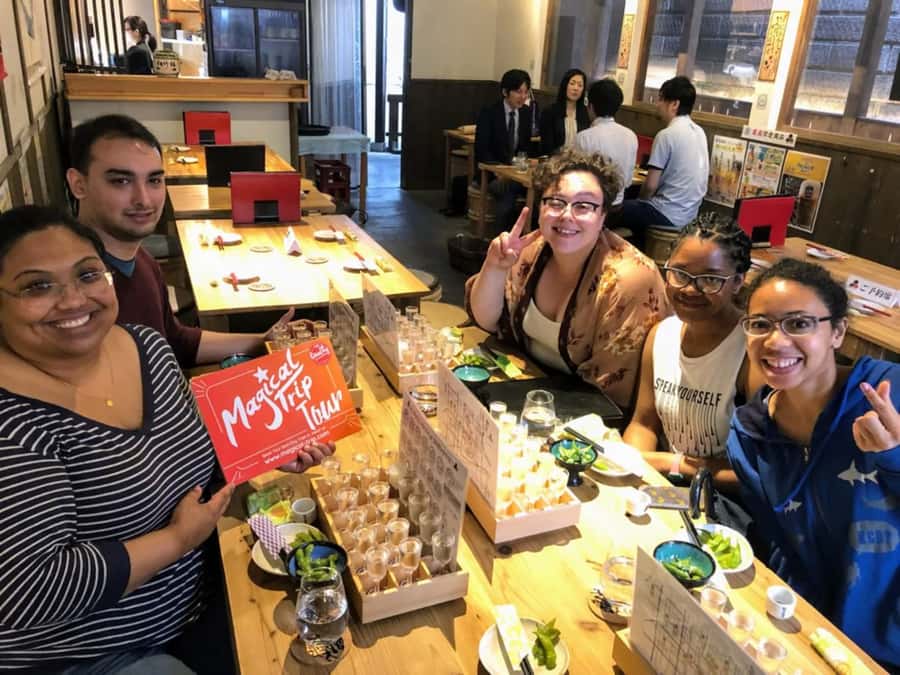
- 18 different sakes in a short window, so expect variety and decision-making
- Gekkeikan Ōkura Sake Museum inside a renovated brewery setting
- Fushimi brewing stories tied to water quality and the long-running tradition
- Kappa Country stop plus Edo-era history clues in a fun, approachable way
- Small group (up to 9) with an English live guide who answers questions
- Some walking routes aren’t stroller or wheelchair-friendly, so wear your comfiest shoes
Kyoto’s Fushimi Sake Walk: Why it feels different than a drink tour
Fushimi is Kyoto’s sake heartland, and this tour leans into that in a practical way. You’re not just sitting and sampling. You’re walking through the brewery district, seeing where the culture lives, and using the scenery to make sense of the stories behind the drink.
What makes the experience click is the balance between learned context and a sensory payoff. First you get the setting: riverside area vibes, a few cultural landmarks, and a sense of why this area became one of Kyoto’s major brewing zones for centuries. Then you get the payoff: 18 sakes you can smell, sip, and compare.
If you’re new to sake, that comparison matters. If you already like sake, it still helps because you’ll get exposed to Kyoto-made styles you might not pick on your own.
You can also read our reviews of more food & drink experiences in Kyoto
Getting started at Chushojima Station and finding your group fast
The tour meets at Chushojima Station, North Gate, and your guide holds a board that reads MagicalTrip. This is the kind of meeting point that helps you feel oriented quickly: you’re in a clear station location, not chasing a vague street corner.
The walk begins right away after the group gathers. That matters because the experience is timed to fit several stops plus tastings, including museum time. Comfortable shoes are a must since the route includes multiple locations and you’ll be moving the whole way.
Stop 1: The quick breather at Fushimi Jukkokubune
You’ll make a brief stop at Fushimi Jukkokubune (about 5 minutes). This is short by design. Think of it as a “get your bearings” moment before you step deeper into brewery-country. Even if you treat it as a photo break, it helps you shift into the right mindset: this area has a working, lived-in feel, not just museum glass and gift-shop shelves.
Gekkeikan Ōkura Sake Museum: learning the process in real buildings
Next is the main educational anchor: Gekkeikan Ōkura Sake Museum (about 1 hour). It’s housed in a renovated brewery, which changes the tone. Instead of reading about brewing in a sterile space, you’re in a place designed for brewing history—windows, rooms, and exhibits that feel connected to the work that used to happen there.
This part of the tour is where you get the “how it works” piece:
- how sake fits into Fushimi’s long reputation
- how the region’s quality water is tied to brewing
- how the brewing process is explained through exhibits
A common feeling in this kind of museum visit is that the pacing can drift into lecture mode. In the notes from past groups, the museum has been described as the shorter stretch that can feel a bit dry compared with the tastings and outside stroll. The good news: the tour structure keeps it to about an hour, so it doesn’t drag for too long.
Fushimi Yume Hyakushu Cafe: a short cultural pause
You’ll stop at Fushimi Yume Hyakushu Cafe for about 10 minutes. This is not the heavy-lift portion of the tour, but it matters for two reasons.
First, it breaks up the walking. Second, it gives you a taste of the local cafe rhythm inside a district that might otherwise feel like only shrines and warehouses. Even if you don’t plan to linger for a full drink, this mini-stop helps you slow down long enough to reset before the next brewery-themed stop.


Kizakura Kappa Country: mixing myth with sake culture
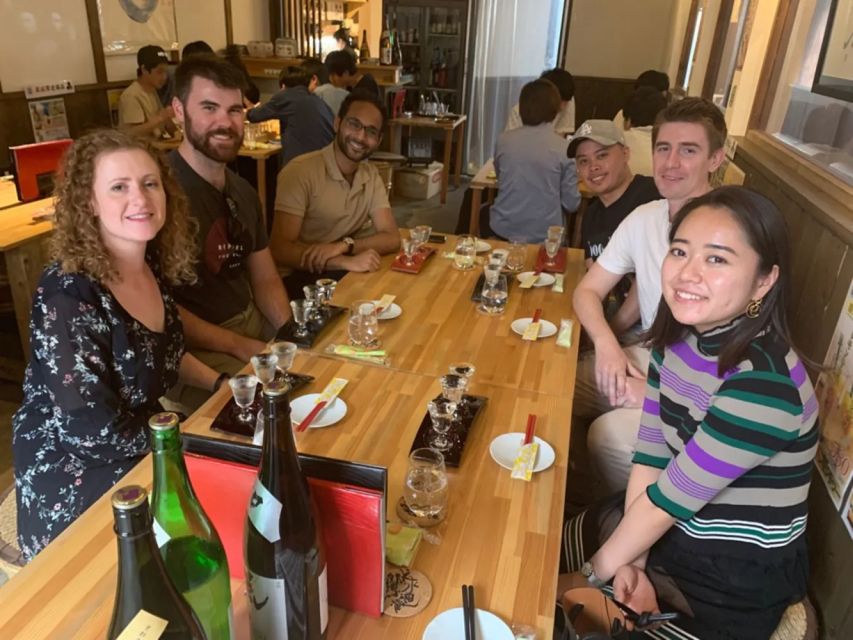
Then it’s Kizakura Kappa Country (about 20 minutes). This stop is built around a fun element: Kappa, the mythical creature tied to water in Japanese folklore. In a sake district, that connection makes sense fast, because sake culture here is tied closely to water quality and the waterways of the region.
This is also a place where history gets “story-shaped.” You’ll hear about the end of the Edo period of feudal government, presented alongside the culture of Fushimi. It’s a good reminder that sake isn’t only about modern taste—it’s also about eras, rules, and local industries.
One practical tip: if you’re traveling in summer, take advantage of shaded moments during this stop. People note that walking in hot conditions can be draining, and this is exactly the kind of mid-tour weather test point where a few minutes of slower pacing can help.
Fushimi Saka Gura Kouji: the longer brewery district section
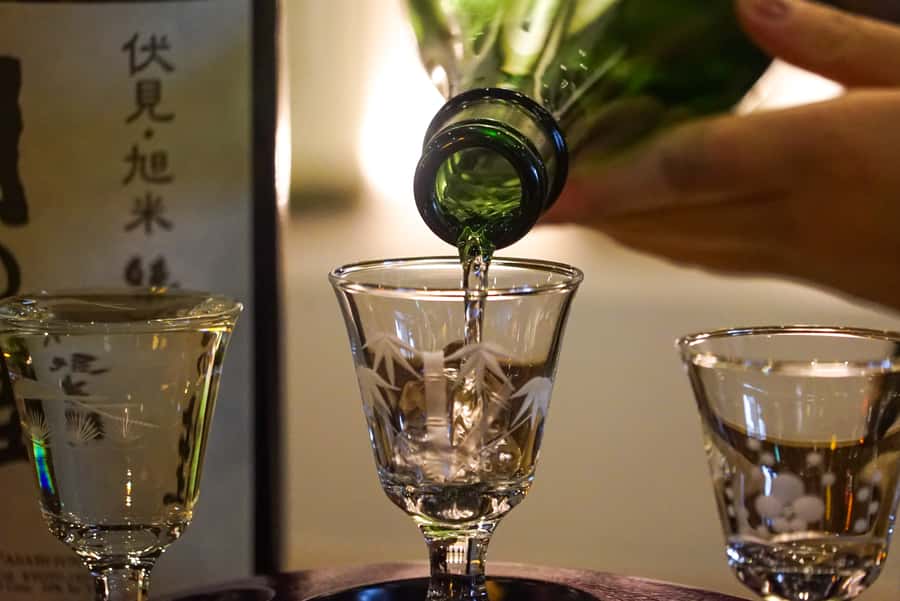
Next comes Fushimi Saka Gura Kouji (about 1 hour). This is where the district energy ramps up. You’ll spend time in and around the brewery area and you’ll pass through cultural and historical spots like liquor stores and nearby legacy lodging references such as Teradaya Inn.
What I like about this segment is that it’s less “museum moment,” more “real district moment.” You’re moving through the space where sake culture shows up in everyday ways. This is also where the tour’s history threads start to feel concrete: Fushimi’s reputation as one of the three major sake-brewing areas since ancient times isn’t just a line—it becomes a context for why the streets feel built for the trade.
Gokonomiya Shrine Honden: a calm reset before tasting time
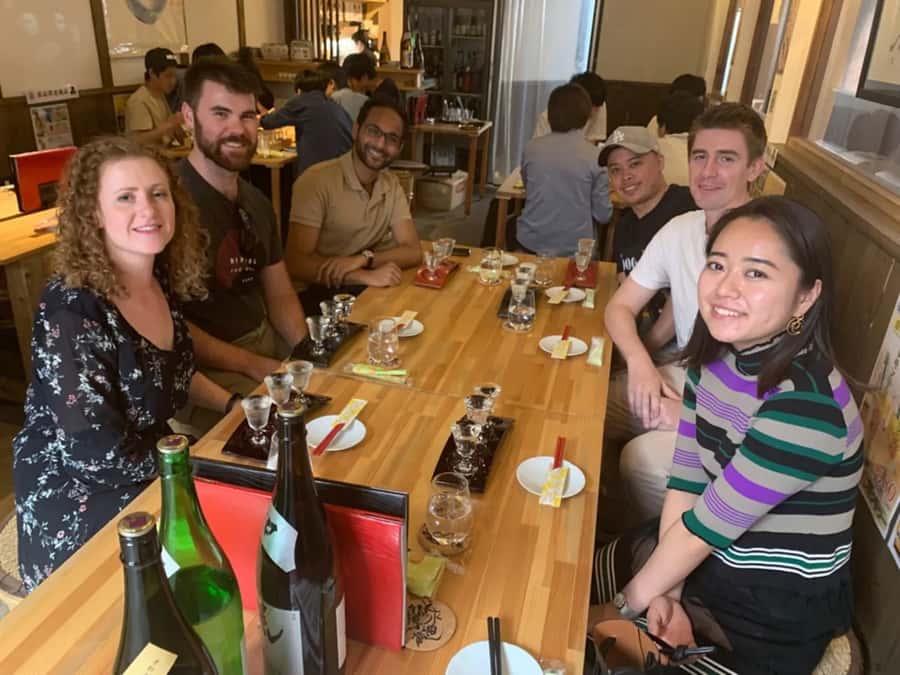
At Gokonomiya Shrine Honden (about 15 minutes), you get a breather. Shrines break up the industrial and commercial pace. They also add a different kind of meaning to the day: sake culture in Japan isn’t isolated from spiritual and seasonal rhythms.
This stop isn’t there for a long pilgrimage. It’s there to reset your head so that when you return to tasting, you’re more present and able to notice differences in aroma and flavor.
The tasting payoff: 18 sakes and how to enjoy the comparisons
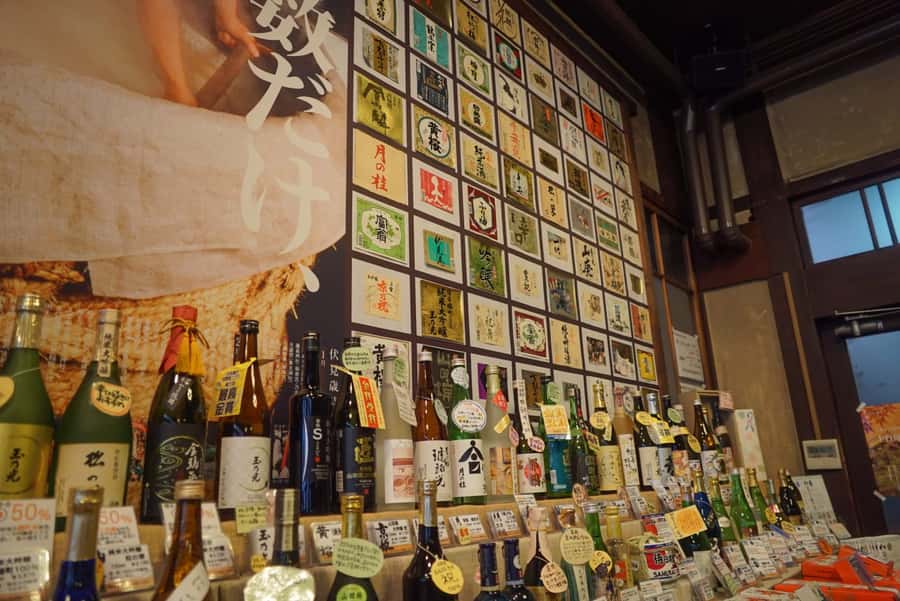
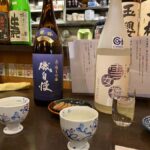
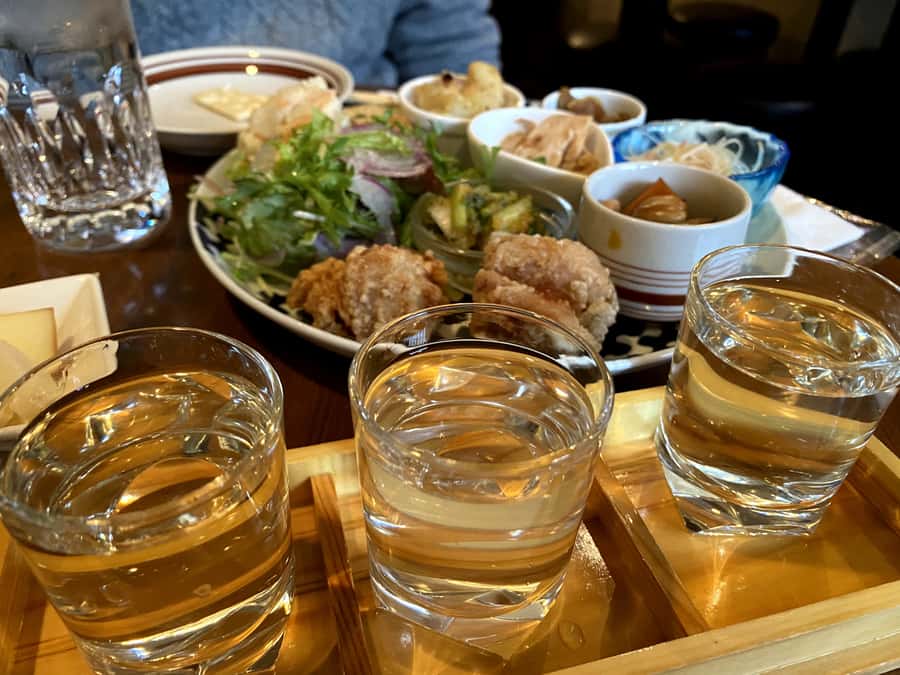
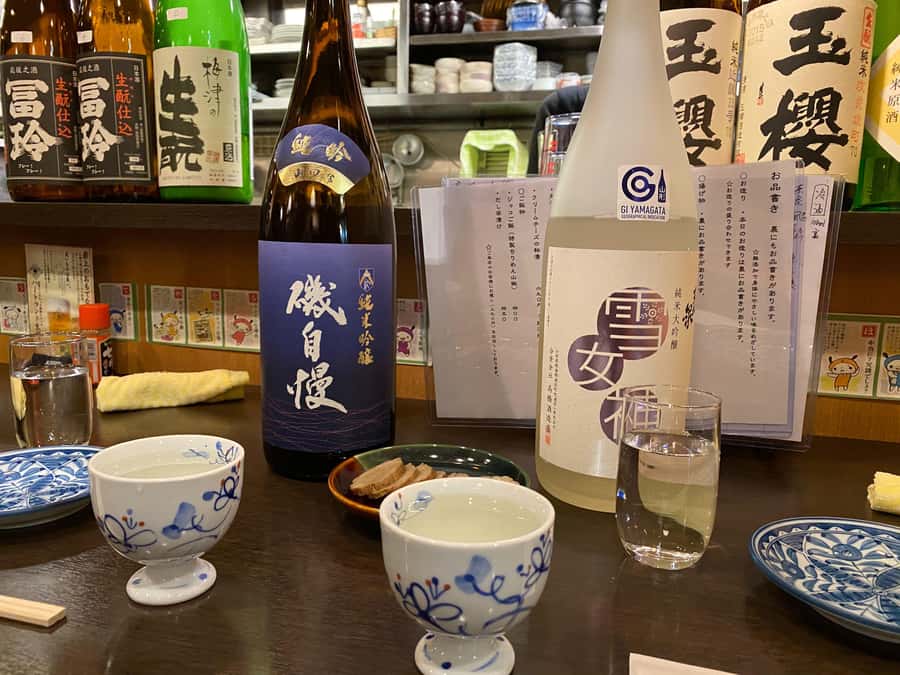
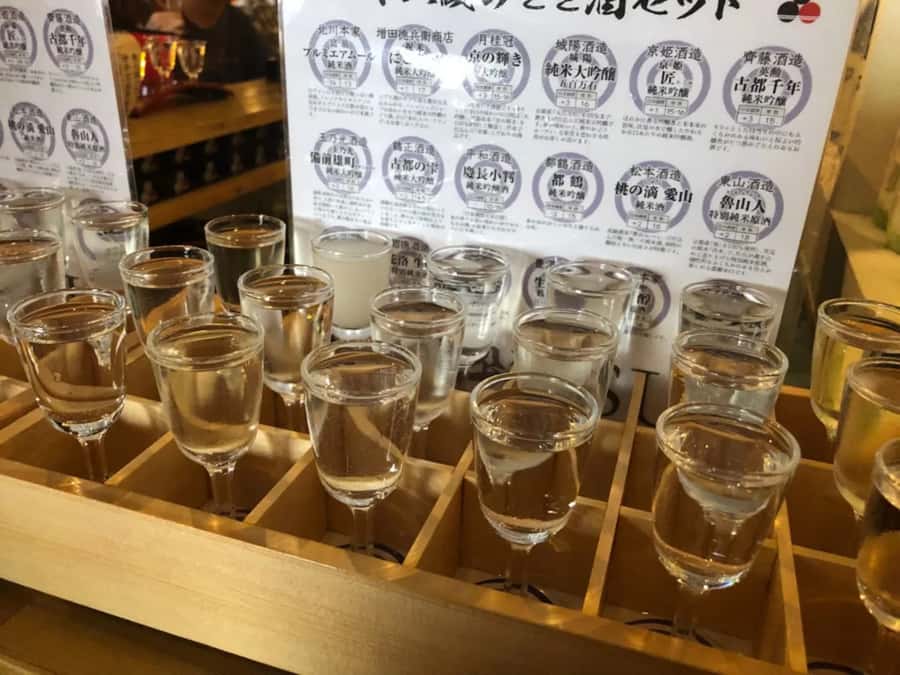
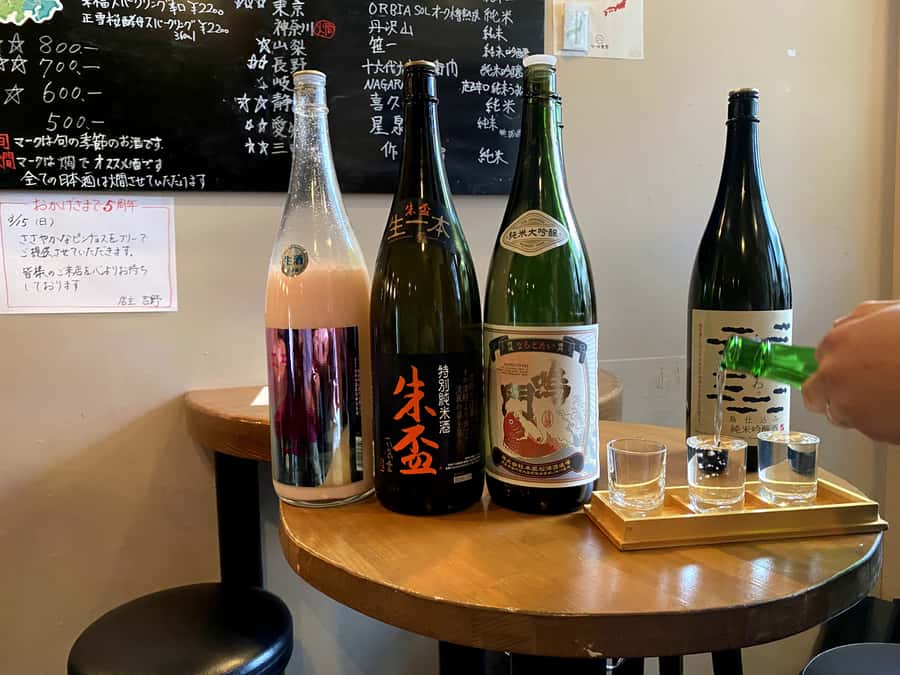
The tour’s heart is the tasting of 18 different sakes made in Kyoto. You’ll do this after you’ve walked the district and learned the brewing basics, and that order matters. When you understand things like brewing process and water quality, tasting stops feeling random.
Also, the tasting happens at a hidden bar after the shrine and district stops. That’s a smart choice for a tasting experience: it gives you a quieter, more focused setting to compare styles without fighting street noise.
How to get the most from 18 sips:
- Expect a lot of variety. Some sakes will be drier, some rounder, some aromatic.
- Don’t try to “grade” them all at once. Instead, pick a few categories you want to remember (fruity aroma, clean dryness, rice-forward depth).
- If something tastes confusing at first, it can help to reset your palate with water and slow down for the next pour.
One note to keep expectations realistic: there’s at least one opinion among past bookings that the number of variations can make it feel like you’re tasting wide instead of going super deep. In practice, that’s the tradeoff of sampling 18 in a short tour. If your goal is to become an expert in one type, you might want a follow-up tasting elsewhere. If your goal is to find your personal favorites fast, this format is a strong way to do it.
Price and value: what $96 buys you in Kyoto time
At $96 per person for about 3 hours, this isn’t a cheap “just sample a bit” activity. But the value is in what’s included:
- Entry to the sake museum and brewery area
- A local guide
- 18 sake tastings
- Photos during the tour
Small group size also affects value. With a maximum of 9 participants, you’re more likely to get time for questions and to understand what you’re tasting. If you’re traveling during busy seasons, that matters because crowd pressure can turn a tasting into a blur.
A quick way to judge if it’s worth it for you: if you want to learn the basics and taste a wide range in one afternoon, the structure justifies the price. If you only want one or two favorite sips and don’t care about brewing education, you might consider a lighter tasting option instead.
Comfort, pacing, and who this tour suits best
This tour is best for people who enjoy walking and who like guided explanations. It works especially well for:
- first-timers who want a guided entry into sake culture
- people who already like sake and want Kyoto-focused comparisons
- travelers who enjoy learning from a guide and asking follow-up questions
It’s not for everyone. The tour isn’t suitable for children under 15 and people under 20 because sake tasting isn’t allowed for minors under 20. The tour notes that some foods or snacks may be provided instead for those who can’t taste.
A few practical comfort considerations:
- Summer in Japan is hot and humid. Bring water and wear a hat.
- The tour starts on time, and if you’re late enough to miss the group, the policy is strict about refund/reschedule.
- Accessibility is limited: some stops aren’t wheelchair or stroller accessible.
Also, the tour can’t guarantee allergy-free conditions, and dietary substitutions aren’t guaranteed because food is prepared in kitchens not operated by the tour provider. If dietary needs are complex, it’s worth planning extra snacks from your own sources.
Tour vibe: small-group guidance with human warmth
One of the strongest themes from guide feedback is warmth paired with practical sake talk. Names that show up in past experiences include guides such as Matt, Kumi, Rika, Fuji, Yuki, Shinya, Nobu, Marie, and Nami. While the exact guide can vary, the consistent pattern is that the guides explain sake in a way you can actually use—what to notice in aroma, how brewing process affects taste, and how to make sense of styles.
If you like asking questions, this group format helps. A small size means you’re not just standing at the back listening.
Should you book this Kyoto sake brewery and tasting tour?
I’d book it if you want a Kyoto-specific sake experience that combines a real district walk with a focused museum visit and an 18-sake tasting. The short duration keeps it energetic, and the small group size supports better interaction.
I’d think twice if you:
- are traveling with limited mobility (some stops aren’t stroller/wheelchair-friendly)
- are sensitive to heat and long outdoor walking
- only want a deep dive into one sake type (this tour is broad by design)
If you’re in Kyoto and you want to leave with a short list of sake favorites plus a better sense of how Fushimi brewing works, this is a solid match.
FAQ
How long is the Kyoto: Sake Brewery and Tasting Tour in Fushimi?
The tour lasts about 3 hours.
Where does the tour meet?
Meet at Chushojima Station, North Gate. The guide holds a board that reads MagicalTrip.
Is the tour guided in English?
Yes, the tour includes a live English-speaking guide.
How many people are in the group?
This is a small group limited to 9 participants.
How many sakes will I taste?
You’ll taste 18 different sakes.
Can children or teens taste the sake?
Minors under 20 aren’t allowed to taste sake. Some foods or snacks may be provided instead.
Is the tour wheelchair or stroller accessible?
Some locations on the route are not accessible by a wheelchair or stroller.
Are allergies and dietary restrictions accommodated?
The tour can’t guarantee allergy-free options and can’t promise dietary substitutions, since food is prepared in kitchens not belonging to MagicalTrip.
What should I bring in summer?
Bring water and wear a hat to help prevent heat stroke in hot, humid weather.