REVIEW · KUALA LUMPUR
Laksa Lanes Kuala Lumpur Food Tour with 14+ Tastings
Book on Viator →Operated by A Chef's Tour · Bookable on Viator
Four hours of laksa chaos in Chinatown. This Kuala Lumpur food tour threads you through Petaling Street backstreets for 14+ tastings, where Malay-Chinese fusion shows up in every bowl and bun.
I especially like two things: the small group size (max 8) and the way the guides tie food to place, with clear pacing so you don’t feel rushed.
One heads-up: the tour is not suitable for vegetarians/vegans and it isn’t set up for severe allergies because of cross-contamination at street stalls.
In This Review
- Key reasons this Laksa Lanes tour is worth your time
- Petaling Street and Central Market: the best starting point for street-food momentum
- 14+ tastings that cover the Malay-Chinese food map (not just “a few bites”)
- Why this tasting count matters for your value
- Stop-by-stop flow: how the Petaling Street loop keeps you from feeling lost
- Start at Central Market: get oriented and set your taste goals
- Petaling Street Market: the main event of hot, handheld, and soup bowls
- Temple stops: a brief change of pace that makes the food feel like part of a neighborhood
- Back to Central Market: finish with a full stomach and a clearer mental map
- The guide makes a real difference: what to expect from sessions led by Steve, Sam, Kiran, and others
- Eat strategy: how to get the most from 14+ tastings without overthinking it
- 1) Skip breakfast or go very light
- 2) Take small bites, not giant mouthfuls
- 3) Pace your palate: salty then sweet on purpose
- 4) Watch the spice level
- Price and value: what $55 buys in real street-food terms
- Who should book Laksa Lanes, and who should look elsewhere
- Practical logistics that affect your day (without the stress)
- Should you book Laksa Lanes Kuala Lumpur Food Tour?
- FAQ
- How much does the Laksa Lanes Kuala Lumpur Food Tour cost?
- How long is the tour?
- How many tastings are included?
- Where do I meet for the tour?
- Is hotel pickup and drop-off included?
- Does the tour include alcoholic drinks?
- Does the tour run in bad weather?
- Is this tour suitable for vegetarians or vegans?
- Is this tour suitable for severe allergies?
- Can I cancel for a full refund?
Key reasons this Laksa Lanes tour is worth your time
- 14+ tastings in about 4 hours, with more food than most KL food tours
- Max 8 people, so you get real attention, not a food-cardio assembly line
- Chinatown backstreets around Petaling Street, close to Central Market
- A mix of noodle, dumpling, pastry, and sweet stops, not just one-food focus
- Bottled water + local soft drinks included, plus a pace that keeps you going
- Guides with strong storytelling, like Steve, Disha, Sam, Kiran, Kash, and Siddoz in different sessions
Petaling Street and Central Market: the best starting point for street-food momentum
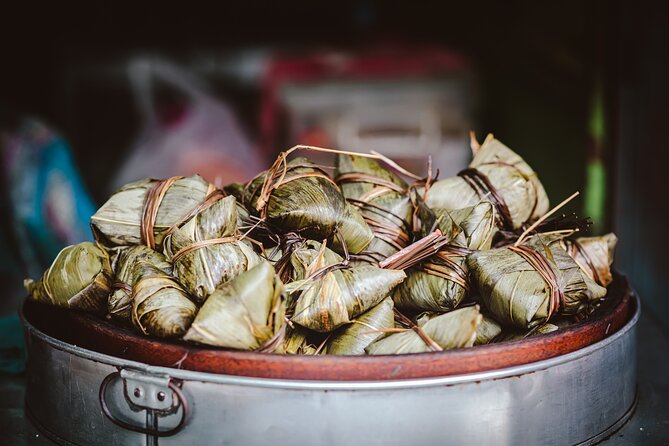
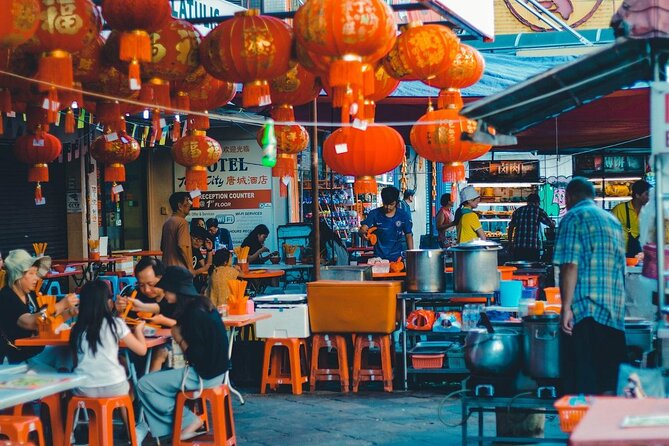
Central Market puts you right where you need to be. You’re near Petaling Street, and that means you can start with real Chinatown energy fast, without wasting time on long commutes or dead zones. The tour is built for walking, with enough structure to keep you moving while still letting you notice the details street food is famous for: steam, sizzling pans, and the constant flow of locals who know what’s good.
I also like that the tour stays practical. You get a mobile ticket, you meet at a clear landmark, and you finish back at the start point. No scavenger hunt. No guessing.
One small reality check: this is street food. That’s part of the charm. It also means you should plan for crowds, heat, and short walks between stops. If you’re sensitive to that, you might want to go slower mentally and treat each tasting like a mini-event rather than one more thing to consume.
You can also read our reviews of more food & drink experiences in Kuala Lumpur
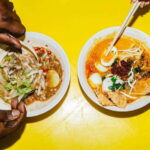
14+ tastings that cover the Malay-Chinese food map (not just “a few bites”)
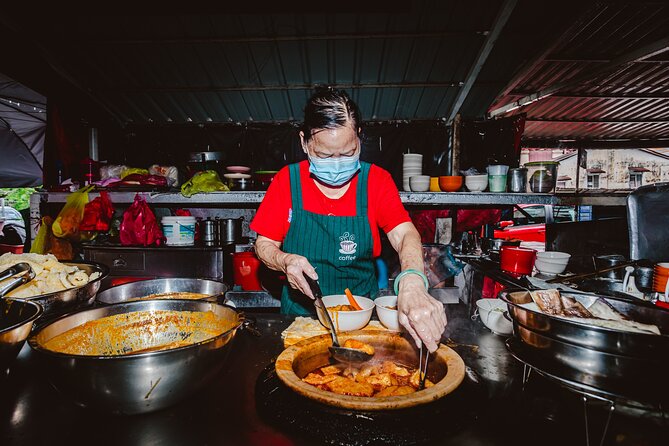
This tour earns its name the right way: laksa and lala noodles are major highlights, but you’ll see the wider Malay-Chinese fusion story across savory and sweet.
Expect standouts like:
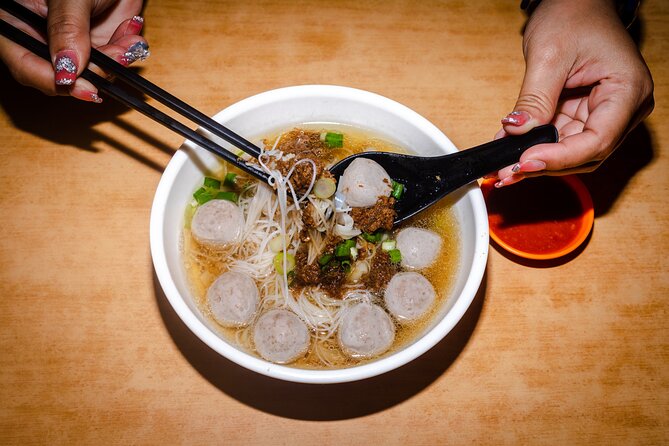
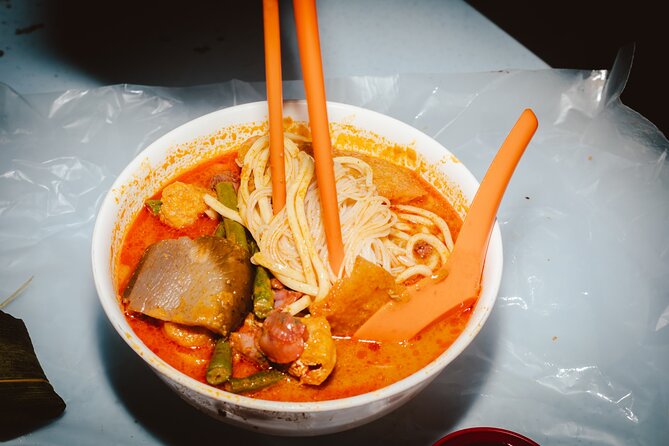
- Lala noodles and legendary laksas (steamy bowls, bold broth, classic KL comfort)
- Fluffy baos and baked char siu pows (the kind of pastry you’ll think about later)
- Coffee cham and peanut muah chee from Madam Tang (sweet + creamy, with snack energy)
- Egg tart telurs (small, easy to grab, very easy to keep eating)
- Hand-wrapped popiahs (crisp, filled, and best when they’re fresh)
- Buttery rice and plenty of spice (street-level flavor, not muted restaurant versions)
On top of the dishes listed in the tour overview, guides often bring in additional local favorites people cite as memorable on this same route: clams soup, pork ban, fresh spring roll, sweet tofu, egg cake, mochi, chicken rice, and curry laksa, plus temple stops along the way. You don’t need to memorize the menu in advance. The point is variety, and this tour delivers it.
Why this tasting count matters for your value
At $55 per person, the math works only if you’re actually getting enough food to justify the guide and the walking. Here, you’re not paying for three small samples and a promise. You’re getting 14+ tastings over about 4 hours, plus bottled water and local soft drinks.
That’s the difference between a casual snack walk and a true food tour that can replace breakfast (and often lunch too). Multiple guides and sessions emphasize the same advice: don’t eat too much before you go. I’d treat this like your main meal plan for the morning.
Stop-by-stop flow: how the Petaling Street loop keeps you from feeling lost
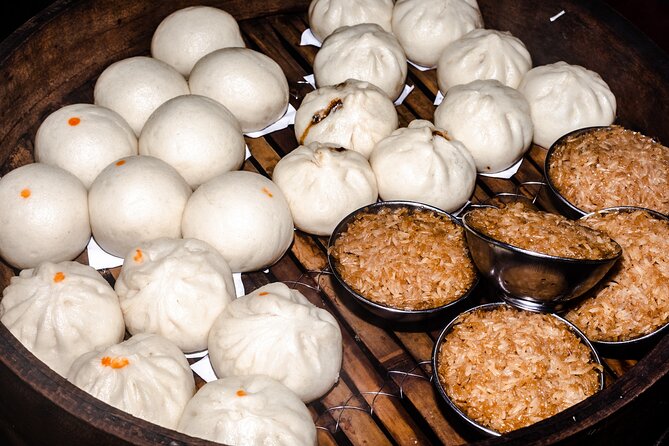
The tour keeps things simple in structure: it starts at Central Market, spends a good chunk of time around Petaling Street Market and Chinatown backstreets, and returns to the meeting point to finish. Even though the time blocks are short, the pacing is designed to feel varied rather than repetitive.
Start at Central Market: get oriented and set your taste goals
You’ll begin at Central Market, next to Petaling Street. This is a smart start. It’s easy to find, and it positions you right at the start of the Chinatown food lanes instead of sending you far off.
Before your first tasting, you’ll get an orientation from the guide. That matters more than you think, because street food is fast and chaotic from the outside. With a guide, you get a way to read what you see: what’s fresh, what’s made to order, and what to pay attention to in each dish (broth, texture, filling, spice level).
A few more Kuala Lumpur tours and experiences worth a look

Petaling Street Market: the main event of hot, handheld, and soup bowls
This is where most of the eating happens. Petaling Street market areas are packed with stalls and snack counters, and the tour is structured to hit multiple styles instead of doing the same thing twice.
A typical mix you’ll run into across the tastings:
- Noodle bowls like laksa and lala noodles, where you’re tasting broth depth and spice balance
- Pastry and buns like char siu pows, where texture matters as much as flavor
- Handheld bites like popiahs, where freshness is the whole point
- Sweet stops like muah chee and egg tart telurs, where creamy and custardy flavors reset your palate
One thing I appreciate here is the cultural context. Guides often mention where the Malay-Chinese fusion shows up in real recipes and how Chinatown food developed over time. You end up feeling like you understand what you’re eating, not just that you ate it.
Temple stops: a brief change of pace that makes the food feel like part of a neighborhood
Several sessions add Chinese temple and Indian temple visits along the way. That turns the tour from only food into a neighborhood walk with story beats. It also gives your feet a breather between tastings that are heavy on noodles and sweets.
You don’t need to be a religious-history nerd. Even if you’re just passing through, temple architecture and the everyday flow around them help you see the area as lived-in, not staged for tourists. That’s a big part of why street food tours can feel authentic when they’re done well.
Back to Central Market: finish with a full stomach and a clearer mental map
The tour ends back at the meeting point. Practically, that’s convenient: you can head to lunch plans without backtracking through crowded streets. Mentally, it helps too. Once you’ve walked the same lanes with a guide, you can later return on your own with confidence.
And yes, the “food coma” jokes people make about this tour are rooted in the real pacing: there’s a lot here.
The guide makes a real difference: what to expect from sessions led by Steve, Sam, Kiran, and others
This tour’s biggest quality driver is the guidance. The food is the headline, but the guide is what makes the experience feel organized.
From what’s been described across different guide names, there’s a common theme: the guides are friendly and question-ready, and they don’t just hand you food like a conveyor belt. They explain what you’re about to eat, why it’s special in the neighborhood, and how to pace yourself.
Examples that come up again and again:
- Steve is often described as knowledgeable and good at pacing so you don’t end up stuffed too early.
- Sam is praised for mixing food with culture and heritage, while still keeping the focus on eating.
- Kiran gets kudos for engaging storytelling and for making it feel fun, not like a lecture.
- Disha, Kash, and Siddoz show up in descriptions where people highlight the guide’s friendliness and the mix of temple visits with food.
You’ll also hear the same practical theme from guide-led advice: don’t show up too full. If you do, the later tastings (especially sweets and broth-heavy dishes) can feel like work instead of joy. The pacing helps, but it can’t fix a stomach that’s already busy.
Eat strategy: how to get the most from 14+ tastings without overthinking it
This isn’t a light snack tour. It’s a full-on morning or early-day food mission. Here’s how I’d handle it to keep it fun.
1) Skip breakfast or go very light
People specifically recommend skipping hotel breakfast when possible. If you’ve got a strong coffee habit, keep it small. If you’re hungry already, perfect.
2) Take small bites, not giant mouthfuls
Even when portions look friendly, you’re stacking up tastings. If the guide offers the option to share or take a portion that’s easier to manage, take it. You’re there for variety, not for a stomach competition.
3) Pace your palate: salty then sweet on purpose
You’ll likely get a rhythm: savory noodles and dumplings, then a sweet reset like muah chee or egg tart telurs. Let that work for you. Don’t force it if your mouth is already overwhelmed—pause, sip your included drinks, and let the next stop land.
4) Watch the spice level
The tour description includes plenty of spice. Street food spice isn’t always uniform, so you may get mild bites mixed with hotter ones. If you’re spice-sensitive, tell your guide so they can help you choose what to try first.
Price and value: what $55 buys in real street-food terms
At $55 per person, you’re buying more than “a walking tour with samples.” You’re buying:
- 14+ tastings (not just a few token bites)
- 4 hours of guided walking around Chinatown food lanes
- Bottled water and local soft drinks
- A small group capped at 8 people
- A guide who adds context instead of only pointing at menus
Street food can be hit-or-miss if you’re wandering alone. Here, you’re reducing the risk that you’ll miss the best stalls or order the wrong thing. That’s where value comes from: not the price sticker, but the probability that each stop is worth your time.
Also, the guide presence matters because you’ll learn what to expect from each dish before you taste it. That makes you more likely to enjoy it, even if the flavors are unfamiliar.
Who should book Laksa Lanes, and who should look elsewhere
This tour fits best if you:
- Love Malay-Chinese flavors and specifically want laksa and noodle-heavy comfort food
- Want a structured Chinatown walk instead of aimless stall hopping
- Enjoy learning small bits of culture along the way
- Can handle a lot of food in a half-day window
It’s not a great match if you:
- Are vegetarian or vegan, since street vendors can’t cover that reliably
- Have severe allergies, because cross-contamination risk is part of street food reality
- Prefer very light eating or lots of sit-down restaurant time
If you’re traveling with kids, big groups, or anyone with strong dietary constraints, it may still be possible to adjust, but the tour data clearly warns that some tastings may need to be missed for other restrictions.
Practical logistics that affect your day (without the stress)
- Duration: about 4 hours
- Group size: up to 8
- Weather: it runs in all weather conditions, so bring an umbrella if rain is likely
- Alcohol: alcoholic drinks aren’t included
- Getting there: the tour is near public transportation, and you’ll meet at Central Market
One small tip that pays off: wear shoes you trust for uneven sidewalks and crowded lanes. Your time is short and your walking is real.
Should you book Laksa Lanes Kuala Lumpur Food Tour?
If you want an efficient way to taste your way through Kuala Lumpur’s Chinatown without guessing, I’d book this. The biggest reason is simple: 14+ tastings in a small group, with guides who make the food make sense and who keep pacing under control.
Skip it only if you can’t do street food basics—especially vegetarian/vegan needs or severe allergies. And if you’re the type who likes a tidy restaurant lunch and then a slow stroll, this tour will feel like a food sprint.
If you can handle a lot of bites and you’re genuinely curious about laksa, lala noodles, buns, popiahs, and sweet stops like muah chee, this is a strong way to start your KL food story.
FAQ
How much does the Laksa Lanes Kuala Lumpur Food Tour cost?
It costs $55.00 per person.
How long is the tour?
The tour lasts about 4 hours.
How many tastings are included?
You’ll get 14+ food tastings included.
Where do I meet for the tour?
The start meeting point is Central Market in Kuala Lumpur City Centre.
Is hotel pickup and drop-off included?
No. Pick up and drop off from your hotel is not included.
Does the tour include alcoholic drinks?
No. Alcoholic drinks are excluded.
Does the tour run in bad weather?
Yes, it operates in all weather conditions. Dress appropriately and bring an umbrella if rain is likely.
Is this tour suitable for vegetarians or vegans?
No. It isn’t suitable for vegetarians or vegans due to limitations at street vendors.
Is this tour suitable for severe allergies?
The tour isn’t suitable for severe allergies because of the risk of traces and cross-contamination. Other allergies may require you to miss some tastings.
Can I cancel for a full refund?
Yes. You can cancel up to 24 hours in advance for a full refund.