REVIEW · KUALA LUMPUR
Sambal Streets Kuala Lumpur Food Tour with 15+ Tastings
Book on Viator →Operated by A Chef's Tour · Bookable on Viator
Your appetite will run the show in Kuala Lumpur. This 4-hour evening street-food tour takes you through Chow Kit Market and quieter backstreets, with 15+ tastings built for real local eating, not just photo stops. I love the small-group feel (max 8 people) and the way guides such as Steve, Jay, and Kirin connect each dish to everyday Malaysian life.
One heads-up before you book: it isn’t suitable for vegetarians since street vendor menus can be limited.
In This Review
- Key highlights you’ll feel fast
- Chow Kit After Dark: what this 4-hour food walk really covers
- Price and value: why $55 can work in Kuala Lumpur
- Route reality: meeting at Chow Kit, ending near Petronas
- Stop 1: old Kuala Lumpur backstreets and a chef-designed pace
- Stop 2: Chow Kit Market, where the flavors mix and the locals eat
- Stop 3: the finish near Petronas and what to do next
- What you’ll likely taste: 15+ samples with real variety
- Guides make or break it: the guide style that earns praise
- Practical tips: shoes, rain, and food rules that matter
- Who should book this tour (and who should skip it)
- Should you book Sambal Streets KL?
- FAQ
- FAQ
- How long is the Sambal Streets Kuala Lumpur Food Tour?
- How many food tastings are included?
- Is the tour fully halal?
- Is this tour suitable for vegetarians?
- Does the tour include alcohol?
- How many people are on the tour?
Key highlights you’ll feel fast
- 15+ tastings over about 4 hours so you’re always eating, not waiting
- Small group size (up to 8) for more attention and a calmer pace in busy markets
- Chow Kit Market at night, when the action is loud and the food is freshest
- Fully halal street-food route with bottled water and local soft drinks included
- Petronas Tower area finish, so you end near major sights instead of getting stranded
Chow Kit After Dark: what this 4-hour food walk really covers
This isn’t a sit-and-watch tour. It’s an evening walking route designed around how Kuala Lumpur actually eats: small plates, repeat visits to the same stall families, and constant decision-making by locals who know exactly what they want.
The heart of the experience is Chow Kit Market, where Malay, Chinese, and Indian flavors show up side by side. You get to sample a wide range without needing to guess what’s good or what’s safe to order. The pacing matters here. With about four hours total, you get time to move through different stops without feeling rushed every five minutes.
At the same time, it’s still a street-food tour. You should expect uneven pavements and crowded spots, especially around market areas. That’s part of the charm, but it can be a factor if you have mobility issues or weak ankles.
You can also read our reviews of more food & drink experiences in Kuala Lumpur
Price and value: why $55 can work in Kuala Lumpur
$55 per person sounds simple, but the value comes from what’s packed into it. You’re paying for a guided route, 15+ included tastings, and non-alcoholic drinks (bottled water and local soft drinks). Many city food tours in other places feel like you’re paying mostly for “the privilege of wandering.” This one is built more like a planned eating run.
Small-group size also changes the math. With max 8 guests, you tend to get easier communication with your guide, quicker reactions to spice levels or preferences, and more comfort when you’re trying new foods back-to-back.
One more value detail: the tour ends near the Petronas area, and the guide can help you figure out transport back. You avoid the awkward moment of being dropped somewhere inconvenient right when the night is dark and you’re full.
Route reality: meeting at Chow Kit, ending near Petronas
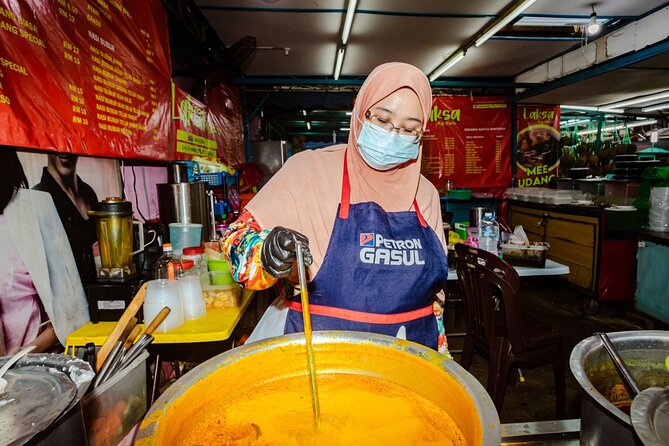
The tour starts near Hilton Garden Inn Kuala Lumpur Jalan Tuanku Abdul Rahman South, in the Chow Kit area. That’s useful because it places you close to the market action without requiring hotel pickup. You meet, get your bearings, and then you’re off to eat.
The route is structured as a walk-through of older parts of Kuala Lumpur, then a bigger market focus, then a finish back in the city center with views in the Petronas direction. One reason I like this approach is that it uses the city’s geography. You don’t just bounce between random restaurants. You get a sense of how neighborhoods feel different as you move.
The ending near the Petronas Twin Towers matters too. Even if you only see them briefly, you leave the tour with a familiar anchor point for the rest of your evening.
Stop 1: old Kuala Lumpur backstreets and a chef-designed pace
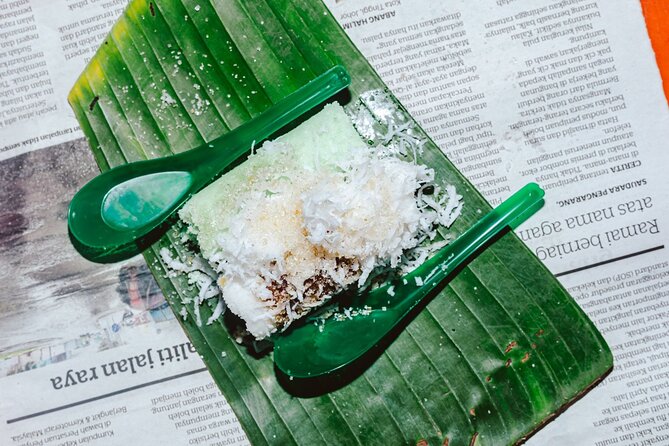
Before you hit Chow Kit Market, you’re set up for a “warm-up” phase that feels like local life rather than a test kitchen. The tour is built for about an hour in this first stretch, and the intention is clear: you’re guided into the smaller backstreet rhythm so the market stop doesn’t feel like the only big moment.
This is where you start learning how to order and what to look for when you see a line. You’re also starting to understand the flavor logic in Malaysian street food. Expect plenty of sampling rather than one heavy dish, which helps if you want variety but also hate wasting money on one item that turns out to be too spicy or not your thing.
Practical note: because it’s walking, the “backstreets” can mean narrow stretches and some uneven ground. Comfort matters more than fashion. Review comments included reminders about shoes and the occasional rain situation.
Stop 2: Chow Kit Market, where the flavors mix and the locals eat
Chow Kit Market is the main event. This is where the tour shifts into a two-hour focus on street vendors and the energy that makes KL food feel alive. It’s also where you get the most variety in one area because stalls cluster by theme.
Chow Kit is where you see the Malaysian food blend up close. You’ll likely encounter combinations that feel Malay, Indian, and Chinese all at the same time, sometimes with the same base ingredient treated in different ways. That’s one reason food tours here are more satisfying than a single-dish hunt.
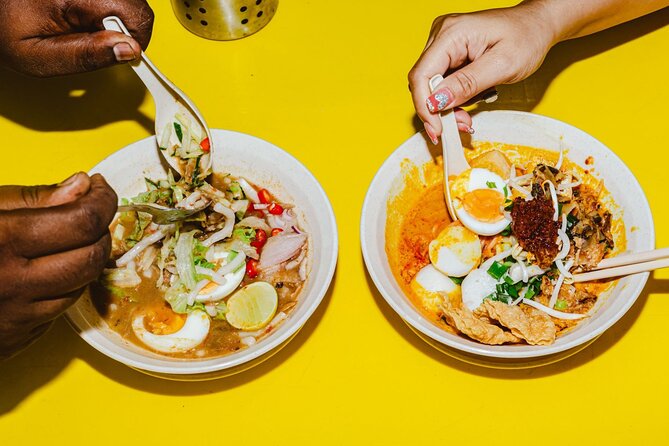
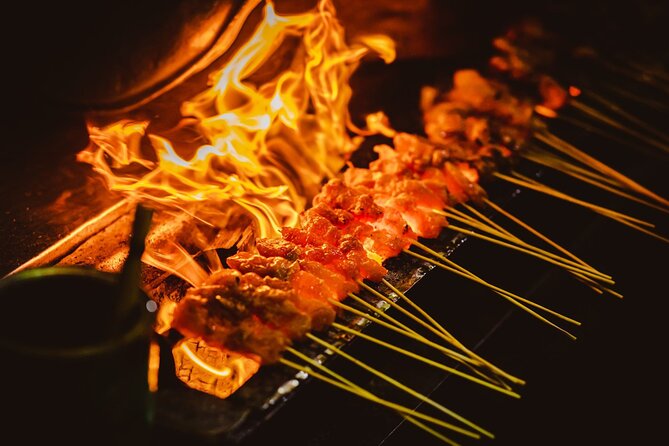
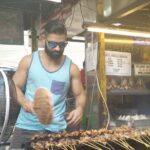
From what guides and guests describe, this is also where the memorable tastings show up. Past experiences on this tour include flame-grilled chicken satay with peanut sauce, fresh fruit tastings, and sweets or drinks that help balance the savory hits. Some people even mention trying durian for the first time, plus highlights like mango smoothie and other fruit flavors such as mangosteen and pineapple.
If you’re curious about street food technique, this market section is where you tend to notice it. The food isn’t just thrown together. It’s assembled fast, cooked hot, and served with the right condiments for the crowd that’s standing right there.
A few more Kuala Lumpur tours and experiences worth a look
Stop 3: the finish near Petronas and what to do next
The last stretch brings you back into the city core, ending near the foot of the Petronas Twin Towers area (the tour concludes near NZ Curry House, and the guide can help with transport planning). This is a smart way to close an evening because it gives you a clear landmark.
You’re often full by the end, which changes the goal for the rest of your night. You’re not hunting food anymore. You’re doing quick sightseeing, finding a dessert stop if you still have room, or getting a comfortable ride back to your hotel without detours.
Also, ending in this zone means you’re more likely to connect with places you already wanted to see on your trip. It reduces the chance that your food tour becomes an all-consuming detour from your bigger KL plans.
What you’ll likely taste: 15+ samples with real variety
The tour doesn’t publish a tasting-by-tasting menu in the details you provided, but the tastings described in feedback give you a strong sense of the range. This is the sort of night where you’re tasting more than one cooking style in one run.
Here are examples of what people highlight from the experience:
- Satay: grilled chicken with peanut sauce
- Fresh fruit tastings, including fruits that many first-timers don’t know how to choose
- Durian, often described as a first-time bucket list moment
- Fruit drinks, including mango smoothie that gets repeated praise
- Classic street items like nasi lemak (mentioned in feedback as a standout)
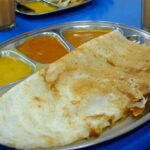
- Roti-making (some tours include hands-on griddle cooking, and people love the fresh-off-the-stove factor)
- Savory fish items such as char-grilled mackerel (mentioned as a delight)
- Desserts or teas that can be delicious, but spicy-heavy nights can still surprise your stomach
One useful way to approach this: treat it like a sampler platter where each bite teaches you something. You don’t have to love everything. The point is to learn what Malaysian street food tastes like across categories, from sweet fruit to grilled savory to rich rice dishes.
And if you’re worried about spice, take comfort in the fact that feedback includes guides assessing spice acceptance and adjusting what you get.
Guides make or break it: the guide style that earns praise
This is a guided tour with professional foodie guides, and that shows. The most repeated praise is that guides connect the food to culture, explain ingredients, and keep the experience lively.
Names that come up in feedback include Steve, Jay, Steven, Stephen, and Kirin (also spelled Karin in one review). Regardless of the name, the pattern is consistent: people say the guide was friendly, entertaining, and able to explain what’s in the dish and why it matters.
That matters for you because street food can feel chaotic if you don’t know what you’re looking at. When a guide explains the basics, you make better choices. You also stop wasting your money on foods that you misunderstand.
There’s also a pacing element. Feedback includes that the tour is well-planned and not just constant walking. You’re moving, but you’re not sprinting. Still, one criticism mentioned that the amount of information can feel like it’s interrupting conversation at times. If you like lots of chat between tastings, you’ll still probably have time, but you might need to speak up and steer the talk.
Practical tips: shoes, rain, and food rules that matter
Here are the practical points that most affect your comfort and enjoyment.
Wear comfortable shoes. Market sidewalks and backstreet routes can be rough. Even reviewers who loved the experience mentioned walking difficulty at times, and one highlighted the need for comfortable footwear.
Bring an umbrella in rainy season. The tour operates in all weather conditions, and rain gear comes up repeatedly. Even a light shower can make the streets slick, and you’ll stay calmer if you’re prepared.
Alcohol is excluded. The tour includes bottled water and local soft drinks, but it’s not an alcohol tour. That’s a plus if you want to stay clear-headed while sampling lots of flavors.
Diet reality check: vegetarian and allergy limits. The tour isn’t suitable for vegetarians because street vendor menus can be limited. Pescatarians may need to skip one or two tastings. Severe allergies are a no-go for this format, since street food comes with cross-contact risks.
If you’re gluten intolerant, the data says it can be suitable as long as traces are acceptable. For other allergies, some dishes may need to be missed.
Who should book this tour (and who should skip it)
I’d point you toward this tour if you:
- want a lot of tasting in one evening without planning each stop yourself
- like learning while you eat, and you enjoy guide-led explanations
- appreciate small groups, where it’s easier to move and easier to ask questions
- want an ending near Petronas so the tour slots into a normal sightseeing plan
I’d suggest skipping or carefully reconsidering if you:
- are a vegetarian who needs consistent veggie options
- have severe allergies or very strict dietary needs where cross-contact could be risky
- expect fully smooth walking routes on perfect pavement
If you’re on the fence and you’re more of a “single perfect meal” person, you might feel a little overwhelmed by the sheer number of tastings. But if you like sampling and comparing flavors, this format fits.
Should you book Sambal Streets KL?
Yes, I think you should book it if your goal is a high-output food night with strong local flavor and a guide who can make sense of what you’re eating. The combination of 15+ tastings, small-group size, and a route that mixes Chow Kit Market with backstreet KL is the core reason this works.
If you can handle walking, follow the food rules that apply to your diet, and show up hungry, you’re likely to come away with more than just full. You’ll come away with a practical feel for how Malaysian street food is built: grilled, fried, sweet, sour, spiced, and served in bite-size portions that keep the night moving.
Also check the timing you book. One reason people rave is the full-evening energy, and some even mention ending later than expected when the pace runs long with tastings and conversation.
You also have flexibility, since the experience offers free cancellation up to 24 hours in advance for a full refund.
FAQ
FAQ
How long is the Sambal Streets Kuala Lumpur Food Tour?
It runs about 4 hours.
How many food tastings are included?
The tour includes 15+ food tastings.
Is the tour fully halal?
Yes, the tour is fully halal.
Is this tour suitable for vegetarians?
No. It isn’t suitable for vegetarians because street vendor menus can be limited. Pescatarians may be able to skip one or two tastings.
Does the tour include alcohol?
No. Alcoholic drinks are excluded.
How many people are on the tour?
It’s a maximum of 8 travelers per tour.