REVIEW · KUALA LUMPUR
The 10 Tastings of Kuala Lumpur With Locals: Private Street Food Tour
Book on Viator →Operated by Withlocals · Bookable on Viator
One street meal can teach you a whole city. I like how this private pacing tour stays focused on what you want to eat, and I love the Indian, Chinese, and Malay mix behind the ten tastings. It’s not just a food stop tour; the guide weaves in culture so the bites make sense.
One catch: you’ll walk a fair amount around Central Market and nearby streets, and the tastings add up fast. Bring comfy shoes, and plan an easy evening afterward.
In This Review
- Key things to know before you go
- Private food tour pacing in Central Market and Chinatown
- Ten tastings that map Malaysian flavors (not just random snacks)
- Stop 1: Petaling Street Market food + shopping energy
- Guan Di Temple: a culture break that actually supports the food
- Sri Maha Mariamman Temple: KL’s old Hindu roots
- The final food stop: local favorites with ordering guidance
- Price and value: $79.73 for a 3-hour private meal plan
- Food-safety, portion reality, and how to make it work for you
- Who this tour fits best (and who may want a different plan)
- Should you book this Kuala Lumpur street food tour?
Key things to know before you go
- Private guide just for your party means you can ask for substitutions and slow down when you want.
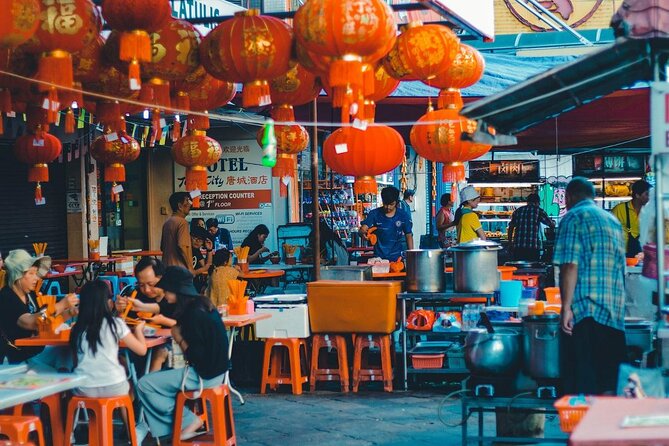
- Ten food and drink tastings are built around KL’s Indian, Chinese, and Malay flavors (you may even spot favorites like nasi lemak with ayam rendang and paper dosa).
- Petaling Street Market timing gives you both the shopping chaos and the food side of Chinatown.
- Temple visits in between bites include Guan Di Temple and Sri Maha Mariamman Temple for context you can actually use.
- Vegetarian alternatives are possible if you message your host with dietary needs ahead of time.
- Sustainable, carbon-neutral approach is part of the experience design through a B-Corp provider.
Private food tour pacing in Central Market and Chinatown
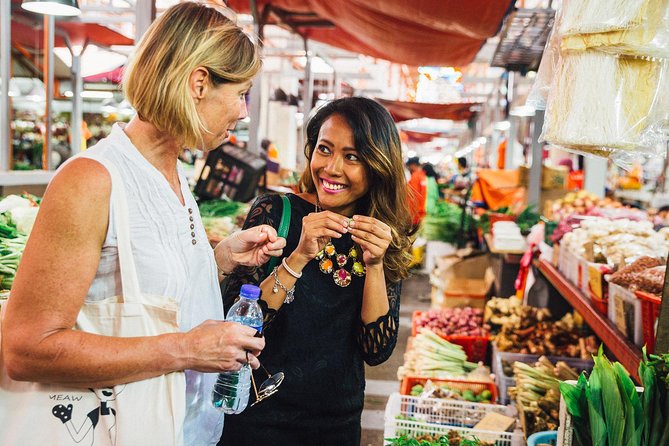
This tour is built for people who want more than a checklist of snacks. You meet your guide near Central Market (Jalan Hang Kasturi) and start from there, then you stay in a tight zone long enough to feel KL’s food energy without burning a whole day in transit. It’s about 3 hours, and because it’s private, the pace doesn’t feel like you’re being shoved along.
I also like that you get something extra at the end: your guide can share tailored restaurant recommendations for the rest of your trip. That matters in KL because good food is everywhere, but the best plan is knowing where to go on your schedule—not guessing.
Practical note: there can be multiple entrances around Central Market. If you want fewer headaches, aim for the Information Desk near the main entrance when you arrive.
You can also read our reviews of more food & drink experiences in Kuala Lumpur
Ten tastings that map Malaysian flavors (not just random snacks)
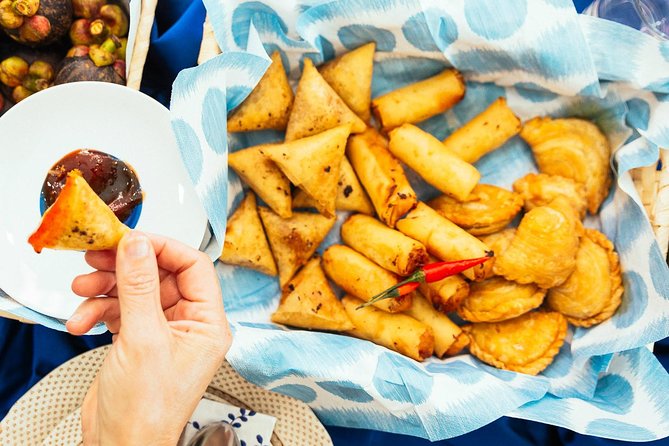
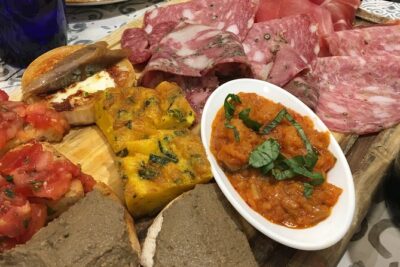
The big promise here is simple: you get 10 tastings of food and drinks, chosen to represent KL’s multi-ethnic cuisine. You’ll see that pattern right away—Malay comfort foods, Chinese-style street staples, and Indian favorites show up in sequence so your meal feels like a story, not a series of separate stalls.
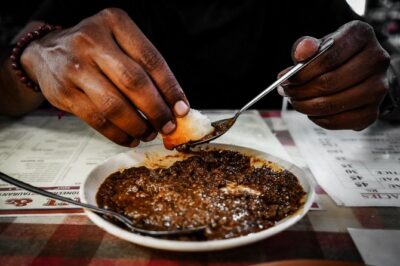
The tour includes examples like nasi lemak with ayam rendang and paper dosa, which is a clue that you’re not only eating small, dry bites. Plan to eat enough to feel satisfied. If you’re the type who normally orders one thing and shares one bite, you’ll still need your own space here.
Between tastings, your guide ties the dishes to culture—how people eat them, what to watch for in the flavor, and what order makes sense. Guides with names like Manjeet and Joel have been singled out for explaining not just what you’re eating, but how locals approach it—down to when to order and how to handle the dish at the stall.
Stop 1: Petaling Street Market food + shopping energy
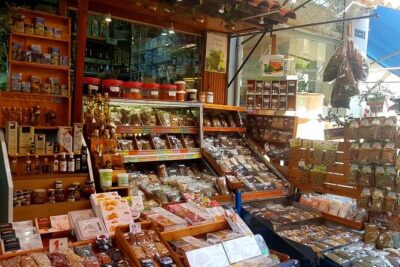
Petaling Street Market is where you feel Kuala Lumpur’s street level fast. You’ll also get a reminder that this is a market, not a theme park: stalls sell plenty beyond food, and the vendors are used to customers who haggle.
What makes this stop work for a first-timer is that the guide doesn’t just point and say try this. The tastings are already scheduled into your walking rhythm, so you’re not deciding at every turn with a growling stomach and sweaty confusion. You sample multiple bites in this area and build a baseline for what KL street food tastes like before heading into the temple stops.
If you’re careful about spice, texture, or allergies, bring it up early. This is also where a good guide earns their fee. Some guides (for example, Zack in past tours) have gone as far as calling ahead to handle an allergy request, which is the kind of effort that turns a meal from risky to relaxed.
Guan Di Temple: a culture break that actually supports the food
After the market, the tour shifts gears. You’ll visit Guan Di Temple for about 30 minutes, with time to look around and learn why this stop fits the day you’re having.
This temple break is more than photos. It gives context to Kuala Lumpur’s food culture, which is tied to different communities living side by side. When your guide explains what to notice—and what the people behind the cuisine value—you start tasting with better understanding. That’s the difference between eating “street food” and eating KL.
Also, temples mean you slow down. That’s good. By this point, your appetite is working overtime, and a calmer moment helps you enjoy what comes next without rushing.
Sri Maha Mariamman Temple: KL’s old Hindu roots
Next comes Sri Maha Mariamman Temple, described as the oldest Hindu temple in Kuala Lumpur, founded in 1873. You spend about 30 minutes here, so it’s enough time to take in the details without feeling stuck.
I like this timing because it sits between food stops. If you only eat all the way through, the day becomes a food blur. This temple visit gives your brain a reset. You can connect what you ate earlier with the cultural communities that shaped it, especially when your guide points out what matters in the place you’re standing.
If you’re sensitive to tight spaces or crowd flow, go slow. Markets and temples are close quarters, and the tour is designed to keep moving—so pace yourself and use the short stops to breathe.
A few more Kuala Lumpur tours and experiences worth a look

The final food stop: local favorites with ordering guidance
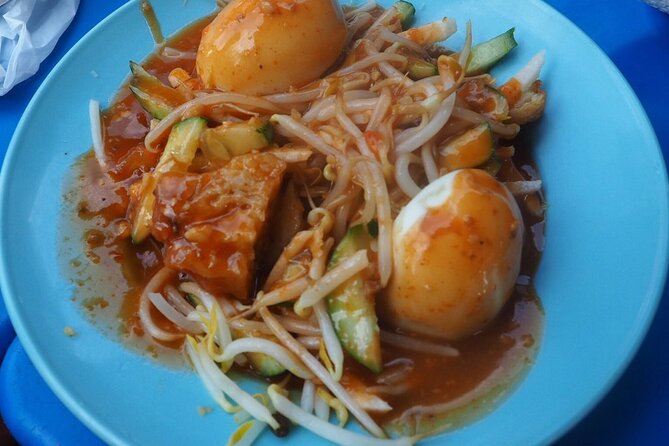
The last part of the tour is your payoff: more local treats and more direct guidance on what makes sense to try. You’ll spend around 1 hour in this segment.
This is where the guide’s personality shows. In past tours, guides like Zack, TK, and Siddoz have been praised for guiding people through what to eat, including tailoring for dietary needs. If you want things mild, share it before the last stretch so you don’t end up with a dish you can’t enjoy.
One more thing: this tour tends to leave you full. That’s not a marketing line; it’s the practical outcome of ten tastings in a short time window. So don’t book something heavy right after. If you do dinner plans, keep them light or plan to snack later.
Price and value: $79.73 for a 3-hour private meal plan
At $79.73 per person, this isn’t a cheap way to eat, but it’s also not priced like a luxury private driver. The value comes from a few bundled pieces:
- 10 tastings of food and drinks (the main cost driver)
- a private multilingual local foodie guide
- cultural stops (so you’re not only paying for food)
- vegetarian alternatives if you coordinate ahead
- a sustainable, carbon-neutral approach through a B-Corp experience provider
- recommendations you can use after the tour
If you were to do the planning yourself—figuring out where to go, what to order, and how to fit it into an efficient walking route—you’d likely spend time and still end up guessing. For many people, paying for a private guide is less about the food being expensive and more about removing the decision fatigue.
My suggestion: treat it like a “food orientation session.” If KL food is new to you, this helps you feel confident choosing your next meals.
Food-safety, portion reality, and how to make it work for you
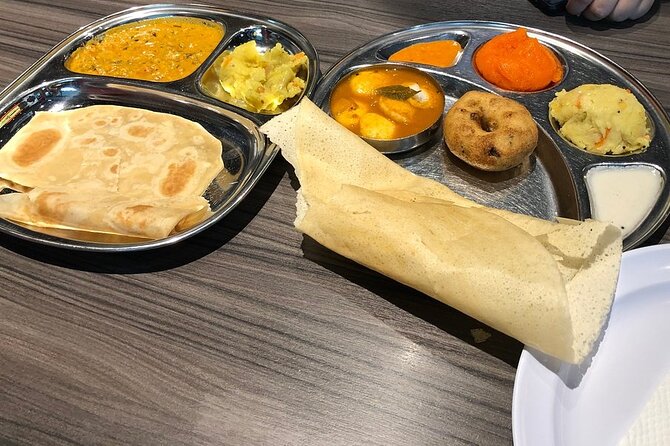
Street food is part of the charm, but it’s still your body. This tour includes a lot of eating in a short span, so it can feel intense if you’re used to grazing. The best move is simple:
- Go in hungry, but pace yourself.
- Drink water between tastings when you can.
- If you have dietary needs, message your host ahead of time for vegetarian alternatives or other requirements.
Some people have raised concerns about hygiene or how much they were served at certain stops, so don’t be shy about asking your guide to explain what you’re eating before you take the first bite. A good guide will switch gears quickly if you say you want smaller spice, less oil, or a different texture.
Also, keep an eye on what you’re being offered. If anything feels repetitive, speak up early. With a private tour, your request should matter.
Who this tour fits best (and who may want a different plan)
This works well if you:
- want a first taste of KL without building a route from scratch
- like learning as you eat, not in a museum-style lecture
- prefer private attention over a bigger group schedule
- want temple context paired with the food story
It may not be ideal if you:
- hate walking or crowds and want mostly seated experiences
- want a wider “big sights” day, since the focus is food plus nearby cultural stops
- expect every tasting to be a light snack (the day can be filling)
Should you book this Kuala Lumpur street food tour?
Yes, if you want a short, high-impact plan that mixes street food with real cultural context. The combo of 10 tastings, private guide attention, and temple stops is a strong value for a first visit, especially when you’ll also leave with recommendations for your remaining meals.
Book it if you like structure but still want choice. Send your dietary details early, and ask your guide questions at the first stop so the day stays aligned with your taste—not just their script.
If you want more control, show up ready to communicate. A tour like this is at its best when you’re part of the process, not only collecting bites.