REVIEW · LIMA
The 10 Tastings of Lima With Locals: Private Street Food Tour
Book on Viator →Operated by Withlocals · Bookable on Viator
Lima can be a lot. This route turns it into 10 simple tastings with a private guide who keeps you moving. You get to sample street favorites, then learn what to order later, so the rest of your trip feels easier and more delicious.
Two things I especially like: you’re not in a big group, so your guide can adjust on the fly (including vegetarian options), and the tour feels built for your senses—sweet, savory, crunchy, spicy, and coffee. One consideration: you will walk for about 3 hours, and some stops lean spicy, so if chili heat is a problem, tell your guide early.
In This Review
- Key highlights you’ll feel right away
- A 3-hour plan that starts at Jirón de la Unión
- Plaza San Martín and turrón since 1930
- Mercado Central: cheese, stuffed olives, and fruits you can’t name fast
- Barrio Chino dumplings near Palacio de Torre Tagle
- Museo Numismatico bites: Andean potatoes, corn, and country chili
- A route through Lima’s civic landmarks (outside views)
- Centro Histórico de Lima: the oldest bar and a lemon-chili seafood plate
- Chanchamayo coffee at Casa de la Literatura Peruana
- San Francisco Convent churros twist at the Basílica
- How the tastings help you eat well after the tour
- Vegetarian alternatives and how to handle chili heat
- Is it worth booking? My honest take
- FAQ
- How long is the 10 Tastings of Lima With Locals tour?
- Is this a private tour?
- Where does the tour start?
- Does the tour include vegetarian options?
- What’s included in the tastings?
- Do I need to buy tickets for the stops?
- What if I need to cancel?
Key highlights you’ll feel right away
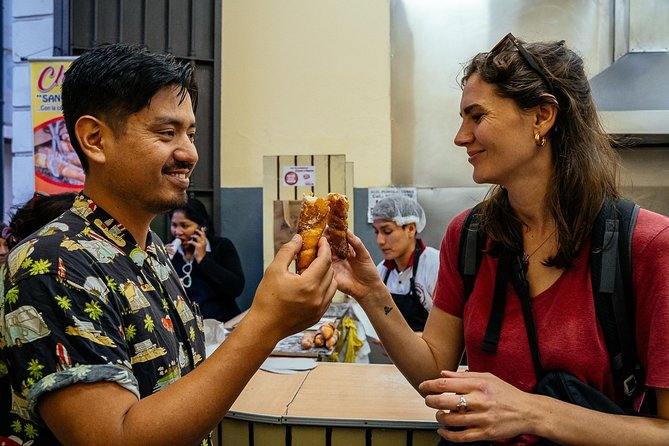
- 1-on-1 attention so you can ask questions and swap choices as you go
- 10 tastings across markets, historic center streets, and landmark areas
- Flavor logic, from Peruvian-Andean ingredients to Chinese-influenced dumplings
- Coffee stop that matters with a real Chanchamayo coffee moment
- A mix of food and sightseeing, not just eating in place
A 3-hour plan that starts at Jirón de la Unión
The tour meets at Jirón de la Unión 958 in Lima and returns you to the same spot. That helps a lot on a busy itinerary day, because you’re not guessing where you’ll end up. It’s also near public transportation, which is useful if you’re mixing this with other city plans.
Expect about 3 hours of active strolling, paced around food and short landmark breaks. This is the kind of tour where the timing matters: you taste something, then you walk to the next stop before your taste buds get numb.
The big value is that it’s private—just you and your local guide—so the experience doesn’t feel like you’re tagging along behind a megaphone. If you’re the type of traveler who hates long waits and wants quick, clear answers, this format fits.
You can also read our reviews of more food & drink experiences in Lima
Plaza San Martín and turrón since 1930
The tour begins at Plaza San Martín with a bakery that’s been making turrón since 1930. You’ll bite into the sweet dessert while your guide shares its story, including how turrón traditions trace back to the 18th century.
This stop works because turrón isn’t just a sugar hit. It’s a taste of Lima’s long cultural mixing—dessert traditions that have evolved over time. Plus, the plaza view gives you a sense of orientation early. You start the day with something familiar (sweet, easy to try) and a clear “here’s the vibe of the area” moment.
Potential drawback: turrón is a dessert first, so if you’re arriving with a big appetite already, you’ll want to pace the rest of your day’s meals accordingly.
Mercado Central: cheese, stuffed olives, and fruits you can’t name fast
Next up is Mercado Central, where the focus is on what Peruvian food tastes like at market level—fresh, direct, and slightly chaotic in the best way. You’ll discover what makes Peruvian cheese special, and how it upgrades the experience of stuffed olives.
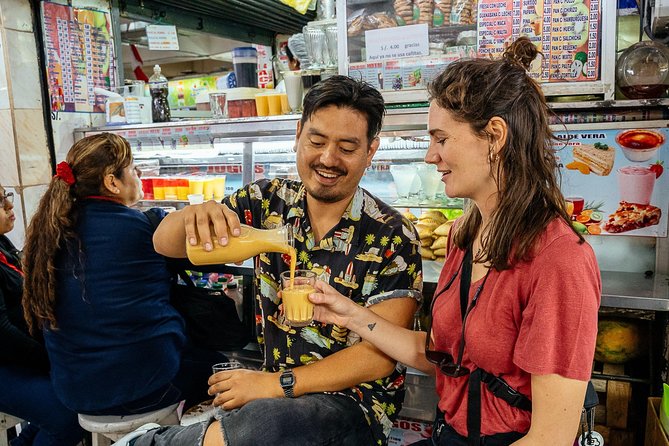
Then comes one of the more memorable parts: you’ll explore local fruits that are hard to describe quickly because there’s so much variety. Your guide will help you understand what you’re tasting, and you’ll even sip like a local—tasting the fruit experience instead of just looking at it.
Why this stop is so useful: fruit and cheese are the building blocks of a lot of Peruvian eating. Once you’ve tasted them here, you’ll recognize flavors later—at restaurants, ceviche stands, and snack counters that use similar ingredients.
Practical note: markets can be loud and crowded, so if you like calm spaces, you may have moments where you just focus on following your guide and the next bite.
Barrio Chino dumplings near Palacio de Torre Tagle
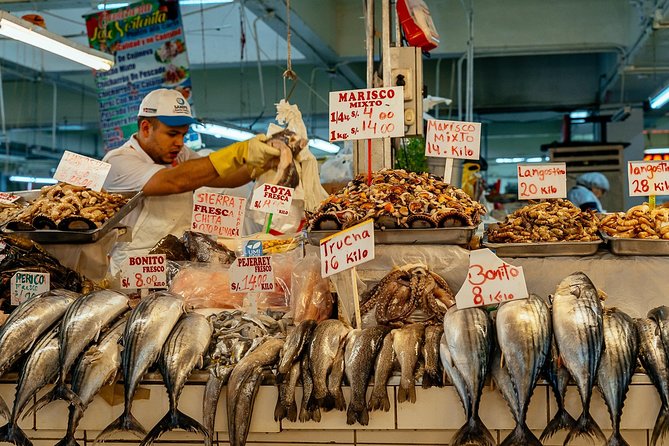
Your route shifts into Barrio Chino, Lima’s Chinatown area, where the food story is about blending. You’ll taste dumplings made using local Peruvian ingredients alongside Chinese cuisine techniques.
This stop also has a strong sense of place. You’ll be tasting food near Palacio de Torre Tagle, and the contrast is part of the fun: a historic-looking setting next to the flavors that come from real cultural exchange.
What to watch for: dumplings here aren’t just about the dumpling shape. It’s about the seasoning balance—how the filling tastes grounded and local, not generic “restaurant dumpling.” If you’ve ever had dumplings that felt the same everywhere, this helps you see how much the details change from place to place.
Museo Numismatico bites: Andean potatoes, corn, and country chili
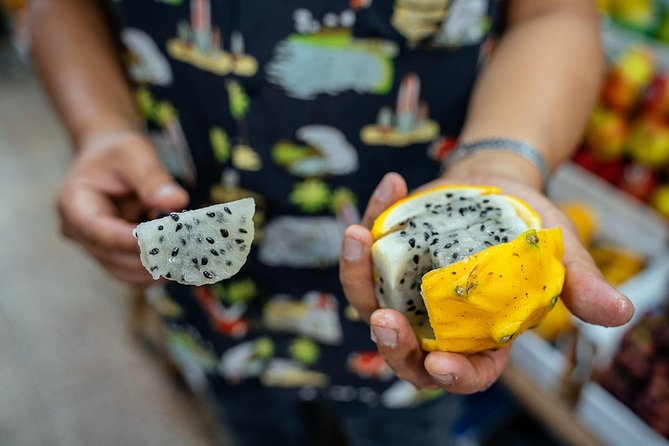
At Museo Numismatico del Perú, the tour turns toward Andean street-food style tasting. You’ll try a mix that includes Andean potatoes, a hard-boiled egg, lima beans, and giant Peruvian corn—foods that are both simple and deeply tied to local agriculture.
Then the guide adds a chili element: you’ll enjoy some chili that can only be found in Peru’s countryside. That matters because it creates contrast. The starchy, comforting components are one note, and the chili brings heat and aroma that make the whole plate feel more alive.
This stop is a good example of why a guided tasting beats guessing. You might see these ingredients later, but without context you could miss what makes the combination work—or why the chili choice matters.
One thing to consider: if you’re sensitive to heat, this is a stop where you’ll want to communicate clearly so your portions match your comfort level.
A route through Lima’s civic landmarks (outside views)
Between food stops, you’ll also get city context with landmark views. The tour includes sights from the outside near the Spanish Inquisition and Congress museum area, plus commentary on local heritage. You’ll also admire the architecture of both the Cathedral and the Government Palace—again, mainly from the outside—while your host explains what you’re looking at and why it matters.
This part is helpful even if you’ve read guidebooks before, because you get to connect what the buildings represent to the food scene you just tasted. Peru’s food culture isn’t just about flavor. It sits inside the city’s story—migration, history, and identity.
Practical expectation: these are shorter, mostly viewing-and-listening moments. If you prefer nonstop eating, you might wish the tour leaned more toward markets, but I’ve found these quick landmark breaks make the whole experience feel less like a food sprint and more like a real Lima introduction.
Centro Histórico de Lima: the oldest bar and a lemon-chili seafood plate
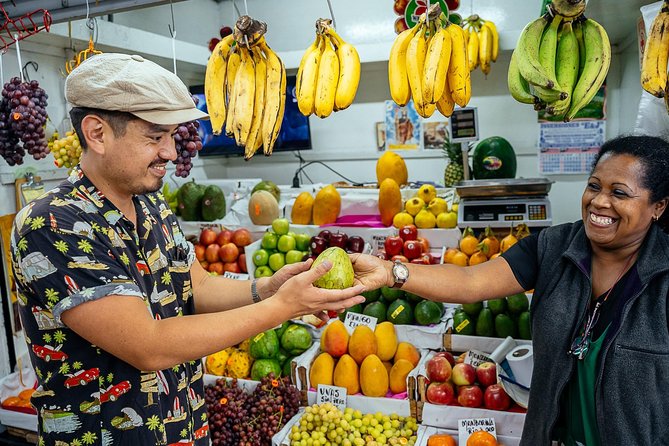
In the Centro Histórico de Lima, the tour adds two major ingredients: atmosphere and a proper seafood dish. You’ll discover the oldest bar still open in all of Peru, and then you’ll fall in love with a local seafood tasting that combines fish, lemon, onion, salt, and chili.
This is exactly why the guide structure matters. Lemon and chili can sound simple, but the balance is the point. With the onions and salt, you’re tasting a flavor equation that’s become classic for a reason—bright, punchy, and not heavy.
Also, being in the historic center gives the seafood moment extra weight. You’re not eating in a bland corner; you’re experiencing the dish where the city’s public life and old-world geometry surround you.
If you don’t like chili at all, don’t assume you’re stuck. Tell your guide and ask for the mildest option available during the tasting.
Chanchamayo coffee at Casa de la Literatura Peruana
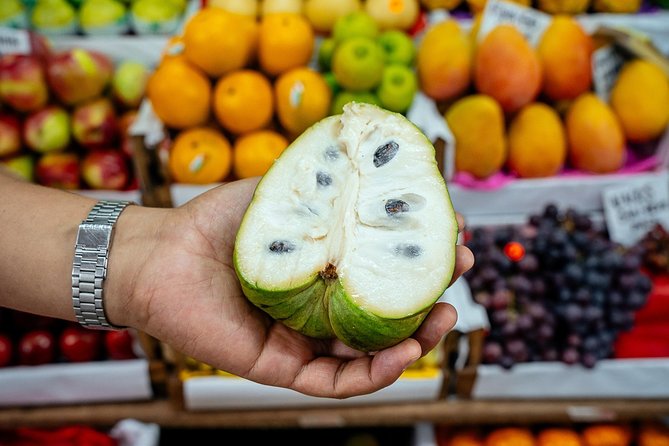
Next is Casa de la Literatura Peruana, where the focus shifts to coffee. You’ll learn about the local coffee trade close to the landmark while you enjoy a cup of Chanchamayo coffee, grown in the Andes.
Coffee stops on tours can be filler. This one feels more grounded because you’re not just drinking something—you’re getting the origin story and a sense of why coffee is part of Peru’s daily economy. It also helps reset your palate after savory tastes.
What I like about this placement: it’s late enough that you can appreciate the flavor differences but early enough that you’ll still enjoy the final sweet stop without feeling overloaded.
If you’re sensitive to caffeine, keep it in mind—this is a full coffee tasting moment in the route.
San Francisco Convent churros twist at the Basílica
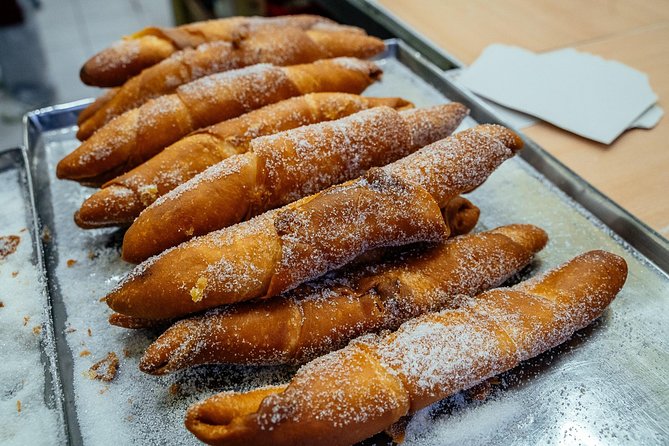
The final food anchor is the Basílica and Convent of San Francisco area. Here, you’ll taste a local take on churros—something different from the Spanish churros you’ve likely had elsewhere.
The key detail is location and style: you’re eating on the grounds connected to San Francisco Convent, and the treats come with a distinct local twist. It’s a sweet ending that feels tied to place, not just served because it’s popular.
Why this stop matters: it wraps up the day’s flavor range in a familiar format (fried dough), but with a Lima-specific twist. That makes it a great souvenir in edible form—you’ll remember the last bite when you’re deciding what to order back in your hotel area.
How the tastings help you eat well after the tour
The best tours don’t just feed you for a few hours—they train your instincts. This one does that in a few ways.
First, you taste across categories: sweet turrón, cheese-and-olive bites, Chinese-influenced dumplings, Andean street-food elements, seafood with citrus and chili, and coffee from the Andes. That range teaches you what “Peruvian street flavor” can mean.
Second, you get personalized food recommendations to last the rest of your trip. Even if you have a restaurant list already, the guide can steer you toward things that match your tastes—spicy vs mild, snack vs meal, and what to look for at markets.
Third, it’s private. So if you like one flavor profile, your guide can steer you toward similar choices later without you feeling left behind. That’s why people rate this highly: the experience stays flexible instead of rigid.
Vegetarian alternatives and how to handle chili heat
Vegetarian options are included, which is a big deal on food tours. You shouldn’t have to choose between missing key stops and eating food you’re not excited about. The guide can offer alternatives during the tastings, so you keep moving through the same itinerary rhythm.
Chili is another thread through the tour—Peru’s countryside chili shows up at one stop, and the seafood dish includes chili. If you don’t like heat, say so up front. A good guide will help you find a level that still lets you experience the flavors without making it miserable.
Comfort tip that’s worth listening to: wear shoes you can walk in for a few hours. The route is built on getting from place to place, not sitting between each tasting.
Is it worth booking? My honest take
Book it if you want a fast, flavorful Lima intro that’s built for real food—not just photos. The private format and 10 tastings are the core value, and the itinerary mixes market culture with historic landmarks so you leave with both appetite and understanding.
Skip or reconsider if:
- you hate walking for about 3 hours
- you strongly dislike trying new foods
- you need very specific dietary control and want everything mild and plain (you’ll want to talk to your guide first)
If you’re a first-timer to Lima, or you only have a day or two and want your best odds of eating well, this tour is a smart use of time.
FAQ
How long is the 10 Tastings of Lima With Locals tour?
It’s approximately 3 hours.
Is this a private tour?
Yes. It’s a private tour with only you and your local guide.
Where does the tour start?
The meeting point is Jirón de la Unión 958, Lima 15001, Peru.
Does the tour include vegetarian options?
Yes. Vegetarian alternatives are included.
What’s included in the tastings?
The tour includes 10 food & drinks tastings, plus city highlights between food stops.
Do I need to buy tickets for the stops?
The itinerary lists admission ticket free for the stops shown, and the tour includes the tastings and guide.
What if I need to cancel?
You can cancel for a full refund if you cancel up to 24 hours in advance of the experience’s start time. If you cancel less than 24 hours before, the amount paid is not refunded.