REVIEW · MARSEILLE
Marseille: Walking Food Tour with Full Meal
Book on GetYourGuide →Operated by _Do Eat Better Experience · Bookable on GetYourGuide
Marseille has a way of feeding you fast. This walking food tour turns the city into a tasting menu, with stops across the Old Port area and into neighborhoods like Le Panier. I like the small-group feel (capped around 10–12) and the mix of historic and modern places where you actually see how locals eat. One thing to consider: you do need to be comfortable walking on Marseille streets, and it’s not set up for mobility limitations.
What makes it worth your time is that you’re not just sampling a bite here and there. Over 210 minutes, you’ll hit at least 4 food stops, each with a full serving, plus water and at least one alcoholic drink. Expect a “full meal” vibe, and the exact menu shifts with the season and what the partner restaurants have available.
In This Review
- Key highlights to look for
- Marseille food tour basics: what makes the format work
- Finding your starting point near the Old Port (and why it matters)
- Old Port stop: the Marseille you can smell and hear
- Le Panier and Rue Caisserie: history that shows up in food choices
- Noailles finish: where the tour lands for real-life next steps
- What you’ll eat: a Marseille “full meal” menu built for variety
- The dessert question: great, but pace yourself
- Drinks and pacing: why the group size feels like a real lunch
- Guide style: what you gain from the storytelling
- Price and value: is $99 fair for what you get?
- Who should book this Marseille walking food tour
- Who should skip it
- Should you book? My decision guide
- FAQ
- How long is the Marseille walking food tour with a full meal?
- Where do I meet the guide?
- How many food stops are included?
- Is alcohol included?
- What languages does the guide speak?
- How big is the group?
- Is hotel pickup or drop-off included?
- What should I bring?
- Is the tour suitable for people with mobility impairments?
- Is there a place for pets or luggage?
Key highlights to look for
- Old Port start with real food stops, not just photo ops
- Le Panier and nearby streets where Marseille’s everyday side shows through
- At least 4 tasting stops, each with food sized for a proper lunch
- Seasonal menu flexibility, so you’re tasting what’s good right now
- Small group pacing that stays manageable on a warm day
- English and French live guide, so you won’t get lost in translation
Marseille food tour basics: what makes the format work
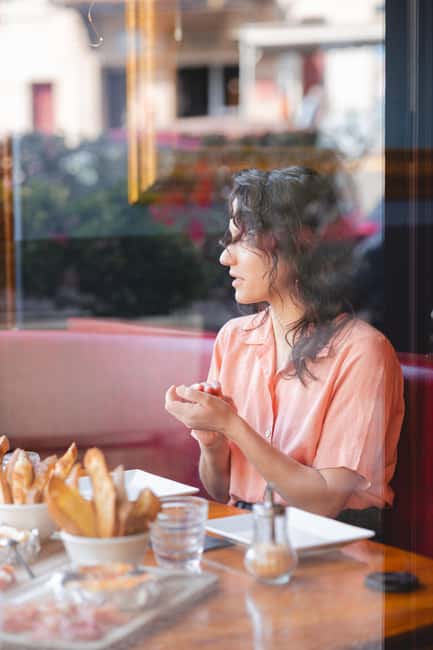
This is a classic “walk and eat” setup, but with a few smart details that make it feel like a meal, not an extended snack. You’re out for about 210 minutes, you’re moving through central neighborhoods, and you’re consistently fed at each stop. That matters in Marseille, where you can spend a lot of time circling for the right place—or eating something mediocre because you picked based on a menu photo.
The other big win is that the guide keeps things practical: you’re shown where to go, what to order, and what each item represents in Marseille’s food culture. The tour runs with a live guide in English and French, and the group size is small (limited around 10, with a maximum cap around 12). That size helps you ask questions without shouting, and it also keeps the pace from turning into a slow-moving traffic jam.
Finally, it’s built around the idea that Marseille is a port city. So you’ll see seafood influence, Provençal flavors, and Mediterranean cross-currents show up again and again.
You can also read our reviews of more tours and experiences in Marseille.

Finding your starting point near the Old Port (and why it matters)
You meet the guide in front of Le New Terrasse. The starting area is listed as 66 Quai du Port, which puts you right in the Old Port zone. I like meeting here because it gives you an immediate context switch: you’re not starting in a random street market with no landmarks, and you’re not starting far from the neighborhoods you’ll actually taste your way through.
Also, plan your timing with the walk in mind. Even with a steady pace, Marseille has hills and old-stone lanes. Several people called out that the walking is manageable, but it can still feel like a “hot day” kind of route. Wear comfortable shoes, and if you’re visiting in summer, bring a water mindset even though the tour includes water.
One logistical detail that can shape your day: the tour doesn’t end where it starts. It finishes in Noailles, so plan your next meal or transport from there.
Old Port stop: the Marseille you can smell and hear
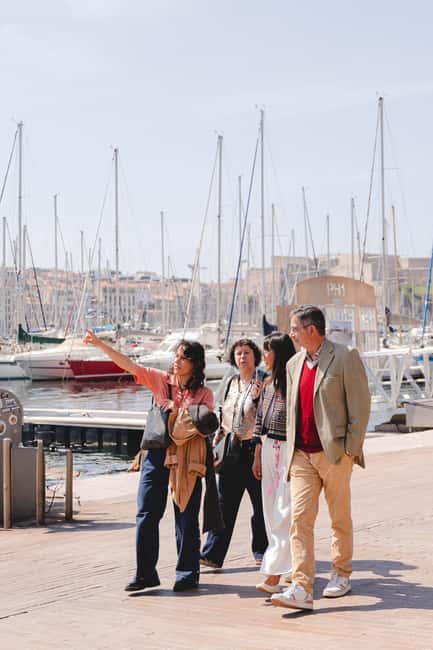
The tour includes a stop at the Old Port of Marseille with both sightseeing and a food tasting. This is an ideal first stop because it helps you orient immediately. You get the atmosphere of the port district—boats nearby, maritime rhythms, the sense that people here eat around the city’s “working life,” not just around museum time.
From a food-tour point of view, starting with the port zone is also smart. You can hear and see how seafood and market culture fit into daily life, which makes the later dishes feel less random. You’re not just tasting items; you’re tasting a theme.
A practical note: the first stop sets the tone for the rest of the walk. If you’re hungry but hesitant, don’t be. This tour’s pacing is set up so you’re fed at each stop, and the overall timing works like a proper lunch window.
Le Panier and Rue Caisserie: history that shows up in food choices
Next you head toward Le Panier, Marseille, and then through streets like Rue Caisserie—again with sightseeing plus food. Le Panier is one of those neighborhoods where the streets feel lived-in, not packaged. That’s the difference between eating “tourist French food” and tasting food tied to the city’s rhythms.
What I like about this part of the route is the mix of small street energy with recognizable Marseille flavors. Even if you’re not the type who loves walking tours for their own sake, you’ll still get value because the food keeps interrupting the walk at the right moments. You’re not powering through for an hour just to earn a tasting.
Rue Caisserie is a good example of why this tour is more than “sit, eat, leave.” You get a change of setting between neighborhood textures—so you feel like you’re seeing Marseille, not just consuming it.
Noailles finish: where the tour lands for real-life next steps
The tour ends in Noailles, another central area tied to everyday food culture. This is a useful finish point if you like to keep wandering after the tour, because it’s not an isolated finish line. You can continue exploring, find lunch-friendly options nearby, or switch to a different part of the city from a busier hub.
One caution: because the tour finishes in Noailles, you should plan your end-of-tour plans accordingly. If you were hoping to close the loop back at the Old Port, you’ll need to handle that with your own transit.
You can also read our reviews of more food & drink experiences in Marseille
What you’ll eat: a Marseille “full meal” menu built for variety
The food is the main reason to book this tour. The standout feature is that the tastings are seasonal and tied to what’s available through the partner venues. That’s not a vague promise—it affects what you’ll taste, which means you’re less likely to repeat a generic set of items that show up in every city.
Here are the types of items that can appear on your route:
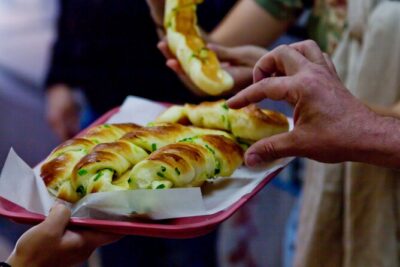
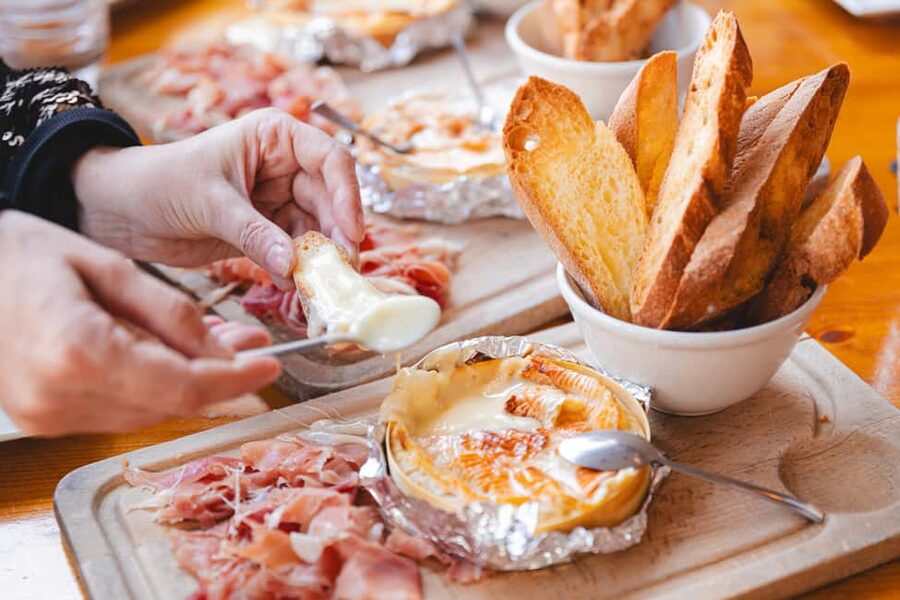
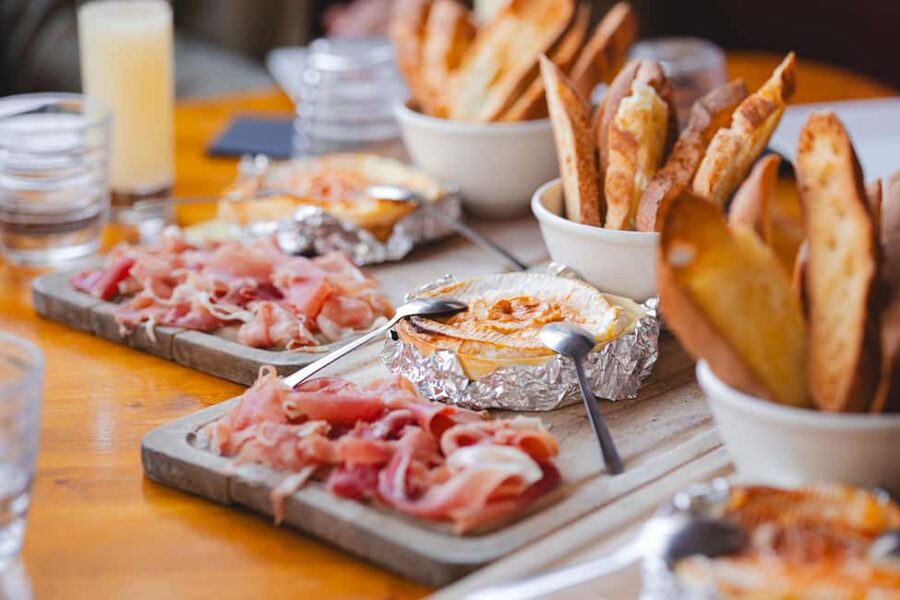
- Cheese tastings: It could be a hot, roasted camembert flavored with pastis, or a cheese board with multiple varieties. Either way, cheese is treated as a centerpiece, not a side decoration.
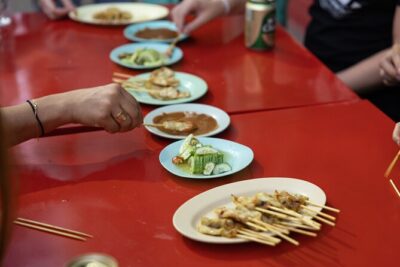
- Fish-based dishes: Expect options that reflect Marseille’s seafood culture—things like mussels or cuttlefish, plus other sea-forward possibilities.
- Marseille tapas: You might taste local staples such as panisses, aioli, or local charcuterie. These feel simple, but they’re built on good ingredients and clean flavors.
- Provençal sweets: The tour can include biscuits and sweets infused with the perfumes of the French Riviera. It’s a sweet finish that stays regional, not international candy-store sweet.
- Southern Mediterranean pastries: Marseille is a crossroads, so you may also get pastries that reflect that blending of cultures.
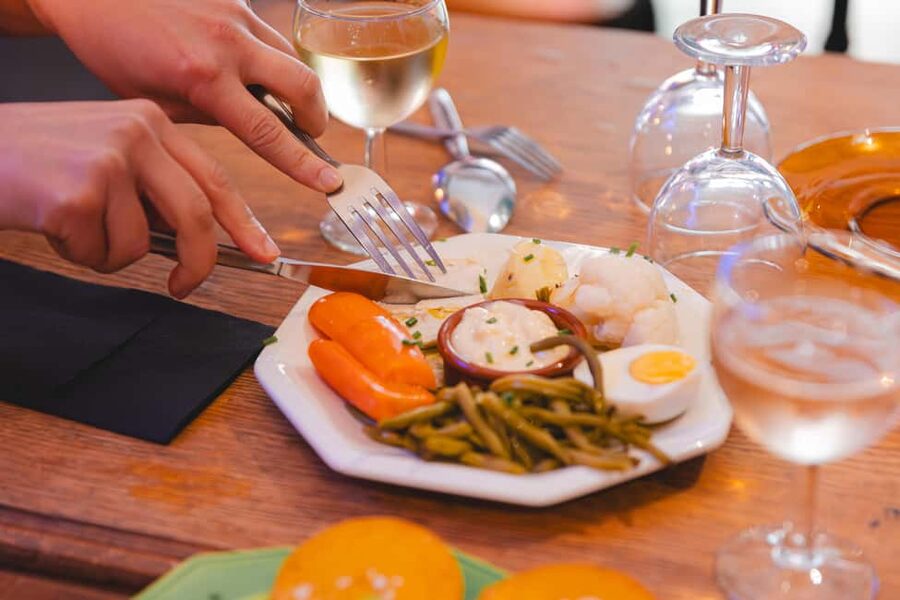
A key detail: at least one serving of food is included at each stop. That’s why this tour works as a “full meal” experience. You’re not left hungry in the middle, and you’re not dependent on buying extra items to feel fed.
The dessert question: great, but pace yourself
One recurring caution in the feedback is that the tour can lean toward sweets, with desserts sometimes feeling heavy compared to savory bites. That doesn’t mean it’s bad. It means you should come ready to taste, then adjust your pace during the route. If you want to keep your appetite for the non-dessert items, eat what’s served at a steady rhythm and slow down a little when sweets come out.
And yes, based on what people said: skipping breakfast can make a big difference. This is the kind of tour where you’ll be excited to keep going—and you don’t want to start the day already half full.
Drinks and pacing: why the group size feels like a real lunch
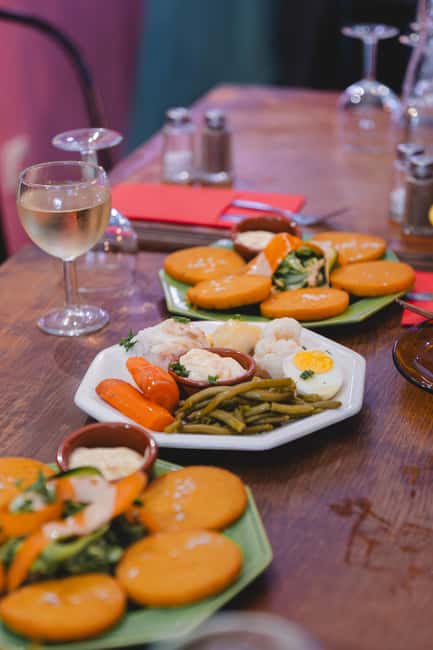
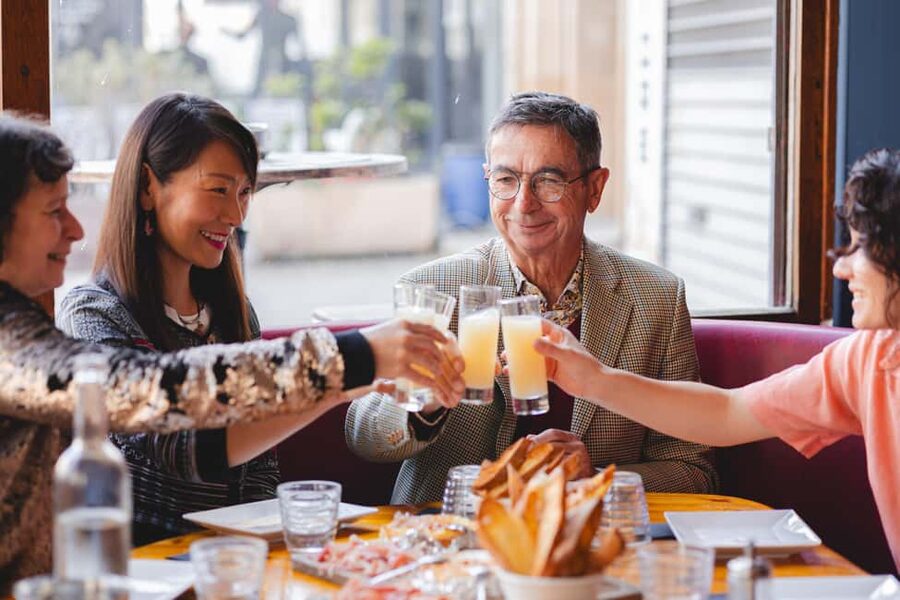
You’ll get water plus at least one alcoholic drink. The exact drink isn’t pinned down in the info you have, but the tour experience is clearly meant to include a wine or local drink component alongside the tastings. In practice, that’s what helps the tour feel like a meal break, not a tasting sprint.
The pacing is also part of the value. This isn’t a rapid checklist where you’re gulping food while standing. The tour is timed at 210 minutes, with time to walk between stops and still enjoy each venue. Several people highlighted that it’s manageable even on hot days, but still: be realistic. You’ll be on your feet on Marseille streets, and the route includes hills.
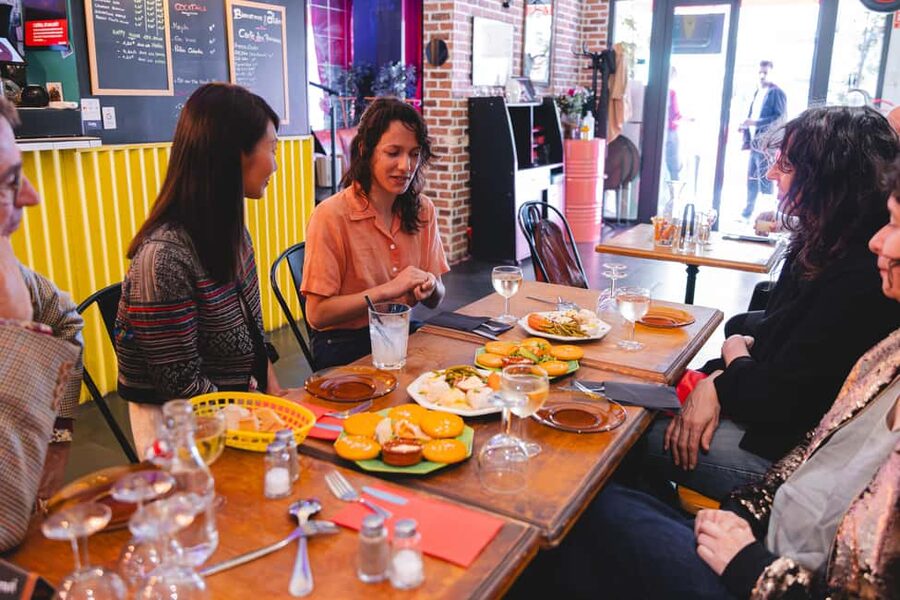
Small group size helps here. With a group that stays around a dozen people at most, you’re more likely to get served smoothly and to hear what the guide is saying. That matters because food tours can get awkward when nobody can hear or when the group is too large for the restaurants to handle.
Guide style: what you gain from the storytelling
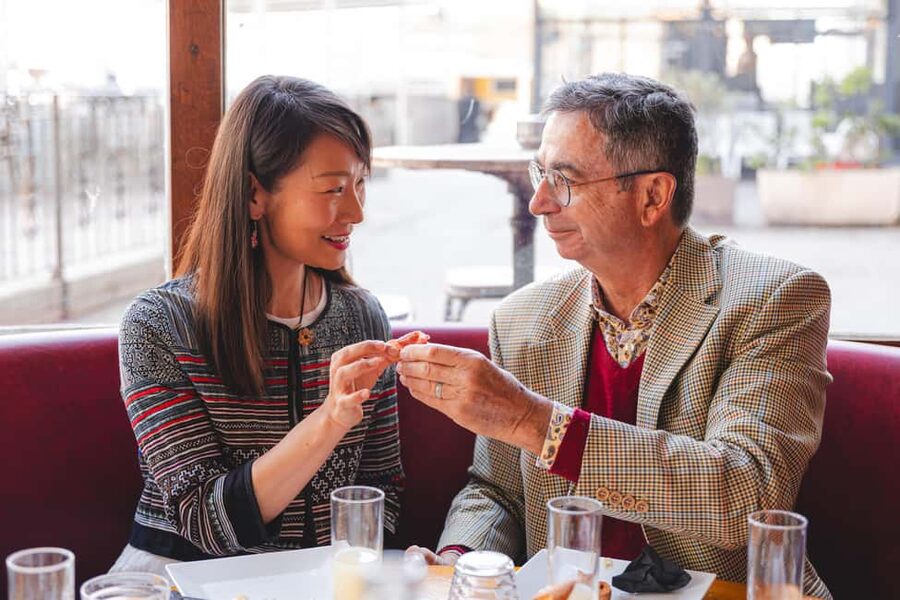
A food tour is always part food, part context. This one includes city history and culinary culture in the mix, with the guide sharing stories as you walk. Some guides have been singled out for friendly, conversational explanations, and for answering questions without rushing you along.
You also get a guide who can work in English and French, so you won’t be stuck waiting for translation at each turn. That matters if you’re the type who likes to ask follow-ups like how a dish is made or why certain flavors show up in Marseille.
That said, keep expectations grounded: if you want a long, lecture-style lesson, the tour may feel more focused on eating than on extended history. In other words, you’ll get context, but the food remains the main event.
Price and value: is $99 fair for what you get?
At $99 per person for 3.5 hours, this isn’t a cheap snack tour. But it can represent good value if you price it the right way.
You’re getting:
- At least 4 food stops, with at least one serving at each stop
- Water
- At least one alcoholic drink
- A live guide
- A route that includes central sights alongside the dining
If you tried to replicate this on your own, you’d spend money on multiple separate meals and still lose the time advantage of having someone plan the route for you. The tour also gives you access to places you might not choose casually, which can be a big deal in a city where the “right” spot isn’t always the most obvious one.
My practical take: this tour is good value when you want a structured, tasty day without decision fatigue. If you just want to eat one or two items and wander independently, it won’t feel as cost-effective.
Who should book this Marseille walking food tour
This tour is a strong match if you:
- Want a proper lunch-length food experience instead of scattered snacks
- Like walking through neighborhoods like Le Panier while eating what belongs there
- Enjoy sea-and-southern flavors—cheese, seafood dishes, Provençal sweets, and Mediterranean pastries
- Appreciate a small-group format where you can talk with the guide
It’s also a nice choice for first-timers because you get a clear sense of where the city’s food culture shows up, starting near the Old Port and moving into the maze of central streets.
Who should skip it
You should likely look for a different format if you:
- Have mobility limitations. This tour is marked as not suitable for that
- Need to bring luggage or large bags (not allowed)
- Are traveling with pets (not allowed)
Also, if you dislike alcohol or can’t drink, you might still enjoy the food, but the tour is set up to include at least one alcoholic drink, so check your comfort level before booking.
Should you book? My decision guide
Book it if you want Marseille through food—cheese, seafood, local tapas, and Provençal sweets—served in a route that connects the dots between the Old Port and neighborhoods like Le Panier and Noailles. The best part is the structure: food at every stop, guided context, and a pace that doesn’t feel frantic.
Skip it if you’re looking for a history-first walking lecture or a tour that starts and ends in exactly the same spot. And come hungry. The servings are built to keep you going until lunch is truly done.
If you’re planning your first day in Marseille, this is a smart anchor. It gives you a delicious start, a clearer sense of the city’s layout, and plenty of ideas for where to go next once you land in Noailles.
FAQ
How long is the Marseille walking food tour with a full meal?
The tour lasts about 210 minutes.
Where do I meet the guide?
Meet your guide in front of the restaurant Le New Terrasse.
How many food stops are included?
You’ll have at least 4 food stops, and at least one serving of food is included at each stop.
Is alcohol included?
Yes. At least 1 alcoholic drink is included, and water is also included.
What languages does the guide speak?
The live guide speaks English and French.
How big is the group?
It’s a small group, limited to 10 participants, with a maximum of 12.
Is hotel pickup or drop-off included?
No. Hotel pickup and drop-off are not included.
What should I bring?
Bring comfortable shoes.
Is the tour suitable for people with mobility impairments?
No. The tour is not suitable for people with mobility impairments.
Is there a place for pets or luggage?
Pets are not allowed, and you can’t bring luggage or large bags.