REVIEW · MARSEILLE
Marseille: Sunset Street Food Tour
Book on GetYourGuide →Operated by _Do Eat Better Experience · Bookable on GetYourGuide
Marseille at sunset has a special pull. This street food tour is a smart way to spend 210 minutes in the city’s artist quarter, eating your way through the blocks locals actually hang out in. You’ll walk between squares and streets tied to Cours Julien and the surrounding area, picking up a feel for Marseille’s food culture as the evening cools off.
What I like most is the food-to-walk ratio. You’re promised at least 4 food stops with water, plus alcohol for adults, so you don’t just snack lightly and then wait around. I also love the mix of classic Marseille bites and drinks like pastis, with options that can include panisses, fried fish, and local cheese.
One consideration: it’s a walking tour and it isn’t suitable for people with mobility impairments. Also, since tastings can vary by season and partner availability, your exact menu might not match what you’re craving most.
In This Review
- Key things that make this tour worth your time
- Entering the Cours Julien neighborhood: where the night starts
- Happy-hour tapas style: wine or pastis and the local rhythm
- Boulevard Chave: tasting while you read the city
- Back through Cours Julien: the second pass is where it clicks
- Rue Crudère: where the tastings lean deeper into local comfort
- Place Notre Dame du Mont: finishing with a proper sense of arrival
- Price and value: what $100 buys in real food time
- Who this tour is best for (and who should rethink it)
- Tips to get the most out of the route
- Should you book the Marseille Sunset Street Food Tour?
- FAQ
- How long is the Marseille Sunset Street Food Tour?
- Where do I meet the guide?
- How many food stops are included?
- Is alcohol included, and is there an age limit?
- What languages are the tours offered in?
- What can I expect to eat and drink?
- What should I bring, and what isn’t allowed?
Key things that make this tour worth your time
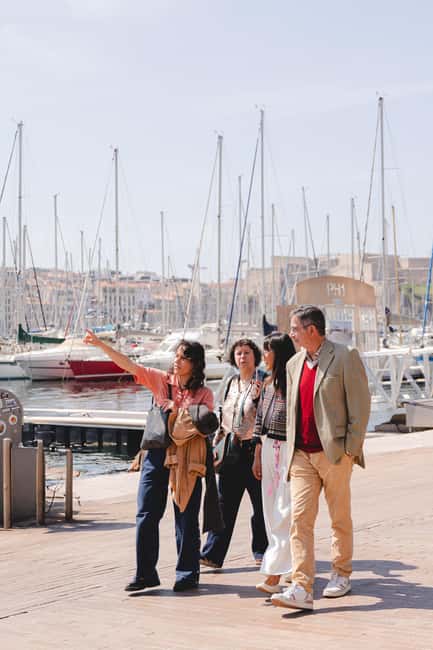
- Meeting right on the Cours Julien stairs: the Escaliers du Cours Julien is an easy, fun landmark to orient yourself fast.
- A real neighborhood route: you move through Cours Julien, Boulevard Chave, Rue Crudère, and end at Place Notre Dame du Mont, not just one strip.
- Happy-hour style tastings: you’ll do a wine or pastis moment with local-style tapas.
- Guides that personalize the experience: guides such as Simone, Sophie, Yasmine, Alexandre, Ines, and Benjamin came through with great rapport and local recommendations.
- Enough food to feel satisfied: multiple guides’ groups described leaving not hungry, not just sampling.
Entering the Cours Julien neighborhood: where the night starts
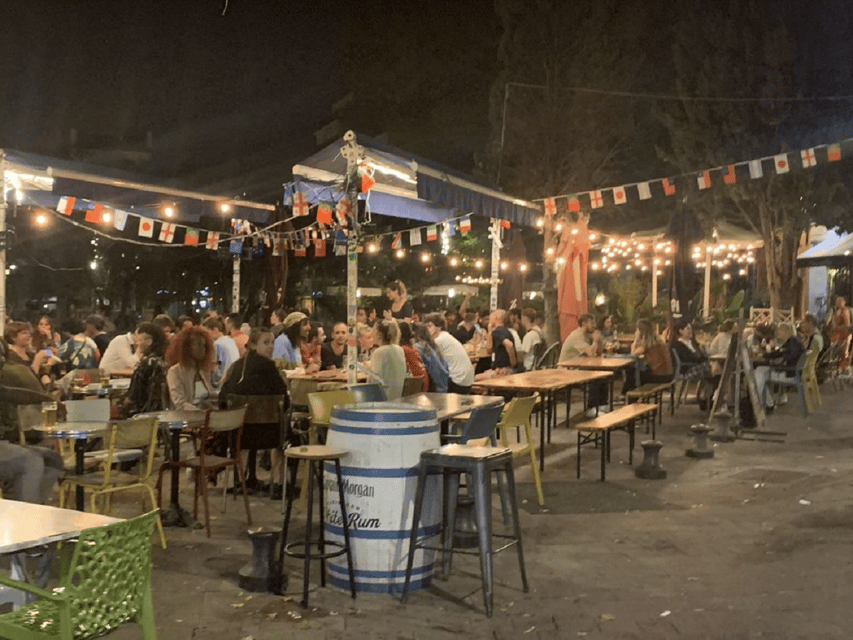
The tour begins on top of the colourful stairs at Escaliers du Cours Julien. That matters more than it sounds. In Marseille, the best evenings often hinge on starting in the right patch of the city, and these stairs put you in the middle of an area known for street art, small eateries, and that artsy, social street energy.
From there, you head into Cours Julien, where your guide starts linking the dots: what you’re seeing, why it’s there, and how the neighborhood’s food scene fits into everyday life. It’s also where you get your first taste of the whole concept: street food as a social habit, not a tourist performance.
What you can expect food-wise early on depends on season and availability, but you’ll be working from a menu pattern that includes traditional Marseille flavors and regional favorites. One guest experience highlighted a cheese and wine start with a relaxed chat with the shop owner—exactly the kind of “local conversation” moment that makes a food tour feel like a real evening out.
Practical note: this is not a sit-down dinner. Wear comfortable shoes, and plan for a steady walking pace that covers several blocks and short climbs typical of this part of Marseille.
You can also read our reviews of more food & drink experiences in Marseille

Happy-hour tapas style: wine or pastis and the local rhythm
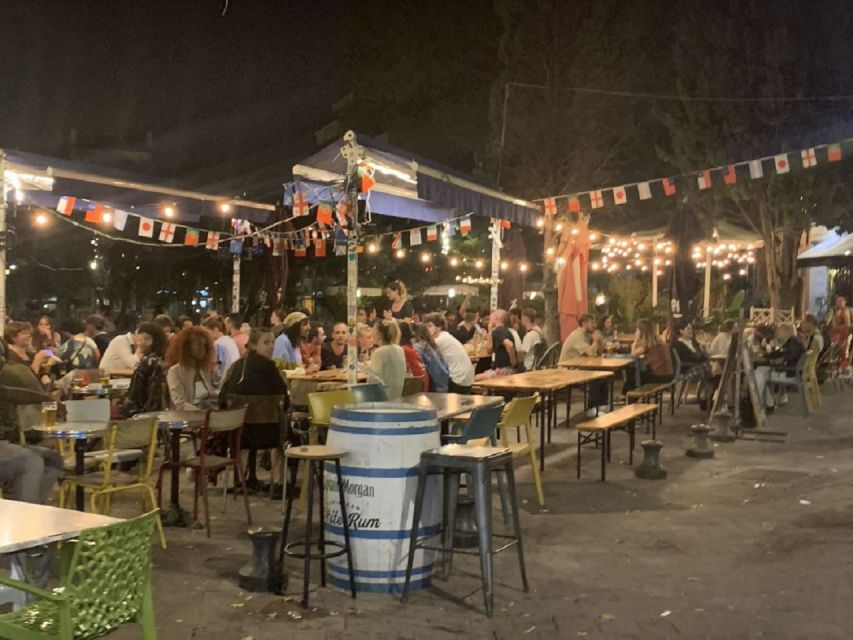
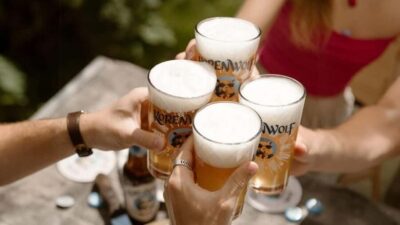
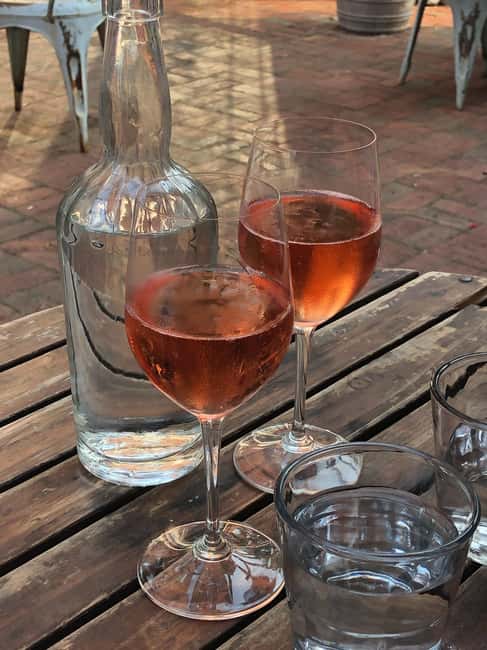
One of the best parts of this tour is the happy-hour feel. You’re set up to relax with a glass of wine or pastis, then taste local specialties in a tapas-style flow—very much in the Marseillaise tradition.
This section is valuable for two reasons. First, it helps you understand the drinks that shape Marseille meals. Pastis isn’t just something to sip; it’s part of the local pacing—slow, social, and built for talking while food lands in front of you. Second, it gives context for the savory tastes you’ll keep encountering on the route.
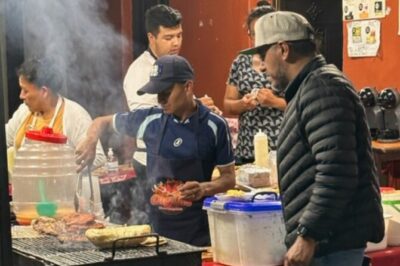
What you might taste here (depending on what’s available) includes items such as panisses (a classic street snack), fried fish, and other local products. Some routes also include a wine tasting and a local cheese selection as part of the stops. If you’re a “small bites, lots of variety” person, this is your sweet spot.
A quick reality check: alcohol is included, but only for guests older than 18. If you’re under 18, make sure you confirm how the tour handles non-alcohol tastings when you book. The tour also includes water, which is genuinely helpful for keeping the pace comfortable.
Boulevard Chave: tasting while you read the city
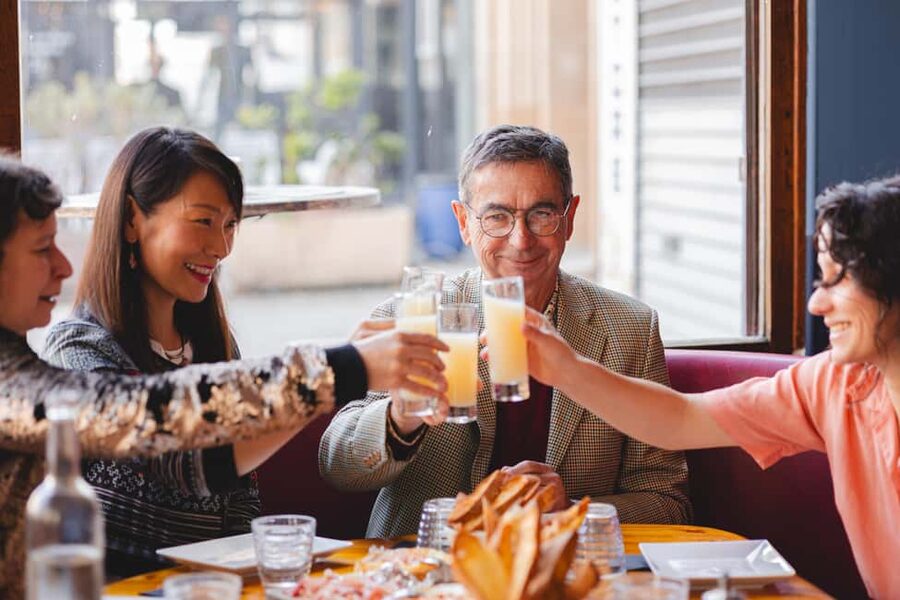
After Cours Julien, the route moves to Boulevard Chave. This stop is where the tour starts to feel like a guided walk with purpose. You’re not only eating; you’re also learning how to “see” the neighborhood—street level details, the feel of the blocks, and why certain places become go-to spots for locals.
Food at this stage continues the same theme: local products and Marseille-friendly fare, served in the kind of casual settings that are common here. The exact dishes can shift, but the pattern stays: a mix of savory bites, a couple of drink moments, and enough variety across stops that you don’t feel like you’re repeating the same thing.
Why I think this part works: when you’re on a food tour, it’s easy to miss the city itself. Boulevard Chave helps you avoid that. You get a sense of Marseille’s everyday energy while still staying focused on why you’re there—tasting.
You’ll also likely notice that the tour doesn’t just stick to the most obvious “postcard” routes. Several guides from the tour’s own history emphasized that the point is to show you what the neighborhood feels like after the crowds thin out, and that shows in how the stops are selected.
Back through Cours Julien: the second pass is where it clicks
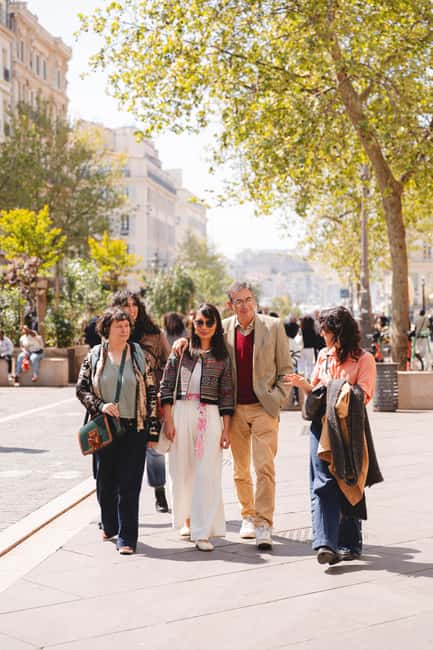
There’s another stop back in Cours Julien later in the route. That backtracking is a good sign, not a waste. It usually means your guide is arranging the pacing and grouping tastings so you’re not overwhelmed at once.
This is also where the tour tends to get more conversational. In multiple guide-led accounts, guests described chatty, friendly pacing with time to ask questions and receive recommendations—like where to go next for classic Marseille dishes. One guest specifically mentioned a recommendation for bouillabaisse, which is exactly the kind of add-on insight you want from a local guide, especially if you only have a couple of days.
If you’re thinking about what to do after the tour, this is the moment to ask. A guide who knows the neighborhood can point you toward places that match your tastes, not just your schedule.
And yes, the food keeps coming. The tour is designed so that at least one serving of food is included at each stop, and groups have described finishing the experience feeling satisfied.
Rue Crudère: where the tastings lean deeper into local comfort
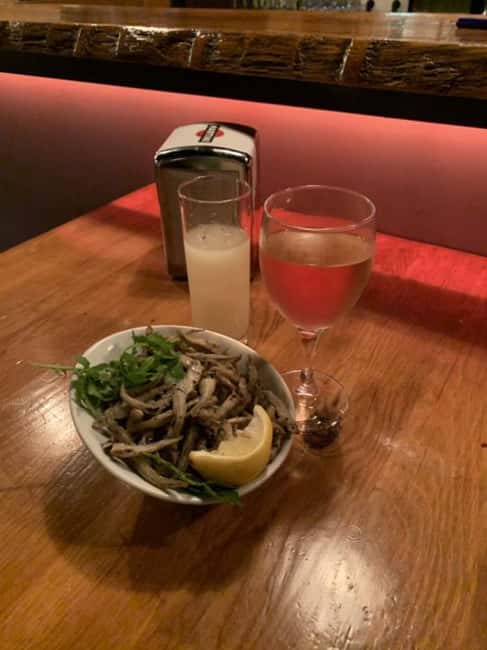
Next up is Rue Crudère, another stretch that supports the tour’s main idea: eat the neighborhood story, not just the food list.
This part is often remembered for tastings that feel more distinctly Marseille. Depending on the season and partner availability, you might see the menu tilt toward classic snacks and regional staples, plus drink pairings. Some experiences called out cheese and wine as a favorite portion, which makes sense here because cheese works well with wine pacing and typically lands well in a walking-food itinerary.
One thing I’d flag for readers: people’s tastes vary. The tour guides have shown flexibility in at least some cases—for example, one guest noted their guide accommodated food dislikes and allergies. Still, don’t assume every dietary need can be handled the same way every night. If you have restrictions, it’s smart to message ahead or speak directly with your guide at the start.
Also, this is the kind of route where you’ll want to be mentally ready for small stops that each take a bit of time. Rue Crudère is not about speed; it’s about tasting while the city stays in focus.
A few more Marseille tours and experiences worth a look
Place Notre Dame du Mont: finishing with a proper sense of arrival
The tour ends at Place Notre Dame du Mont. A finishing point like a square is useful on a practical level. It gives you a natural moment to regroup, stand for a minute, and figure out how you’ll get back or where you’ll go next.
It also helps emotionally. Walking tours can feel like “just keep moving,” especially when you’re eating as you go. Ending in a place you can see and orient around helps the whole experience feel like a complete loop rather than a chain of snacks.
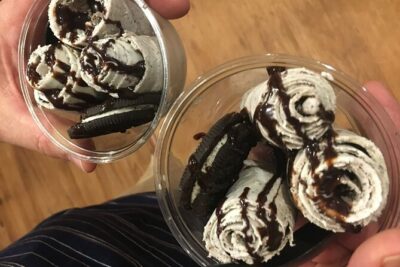
Some accounts described an ending that included sweets, such as ice cream, which fits the overall arc: savory first, drinks and cheese in the middle, then a lighter finish. Even if your exact finale differs, the structure tends to keep you comfortable from start to finish.
Price and value: what $100 buys in real food time
At $100 per person for about 210 minutes, the value comes from what’s included, not just the walking. You’re getting:
- A guide
- At least 4 food stops
- Water
- Alcoholic beverages for adults
- At least one serving of food at each stop
The biggest value lever is that alcohol and food aren’t “extras.” If you tried to recreate this on your own, you’d likely pay for each location’s tasting portion separately, and you’d also miss the guided sequencing that keeps your tastes varied and your evenings flowing.
Group size also affects the feel. With a maximum of 12, you generally get more personal attention than the giant bus-and-walk tours. And since the minimum group size is 2, it’s not designed as a lonely slog, either.
The trade-off is that you can’t “pick” every dish you want ahead of time. Tastings may vary by season and partner availability. If you’re chasing one specific item, treat this tour as a sampling of Marseille’s style rather than a guaranteed checklist.
Who this tour is best for (and who should rethink it)
This works especially well if you:
- Want a first-night introduction to Marseille’s food neighborhoods
- Like street-food pacing: small plates, drinks, conversation
- Enjoy learning about local places you could miss on your own
It’s also a strong fit for couples and friends who want a social evening. Several experiences described meeting good people through the small-group setup and leaving with recommendations for where to eat next.
Rethink it if you:
- Need mobility-friendly options (the tour is not suitable for people with mobility impairments)
- Don’t want alcohol involved in the itinerary (alcohol is included for adults)
If you’re traveling with kids, the tour’s age-and-alcohol design means it may not fit your family plans—this is one you should check carefully when you book.
Tips to get the most out of the route
If you want your evening to feel smooth, do these:
- Bring comfortable shoes and expect a walking rhythm with a few steps.
- Keep your day flexible. A food tour works best when you’re not rushing off to something right after.
- Come hungry in a normal way. It’s not an all-you-can-eat marathon, but it’s enough that you shouldn’t leave starving.
- Use your guide. If you’re hoping for a classic Marseille meal later, ask. One guest specifically got a bouillabaisse recommendation in conversation, which is exactly the kind of added value that can save you money and time.
Should you book the Marseille Sunset Street Food Tour?
I’d book this tour if you want a neighborhood-focused food experience in Marseille that mixes tastings with real city context. It’s not trying to replace a restaurant dinner. It’s trying to give you a guided tasting evening where you learn what locals snack on, what they sip during happy hour, and how the art-and-street-life parts of Cours Julien connect to eating out.
The strongest reasons to say yes are simple: at least 4 food stops, alcohol and water included for adults, and a route that goes beyond the most obvious tourist lanes. The main reason to pause is walking logistics—this one isn’t for mobility needs.
If your goal is to get bearings fast and eat well while doing it, this is a solid call.
FAQ
How long is the Marseille Sunset Street Food Tour?
The tour lasts 210 minutes.
Where do I meet the guide?
You meet on top of the colourful stairs called Escaliers de Cours Julien.
How many food stops are included?
The tour includes at least 4 food stops, and at least one serving of food is included at each stop.
Is alcohol included, and is there an age limit?
Yes. Alcoholic beverages are included, but only for guests older than 18. Water is also included.
What languages are the tours offered in?
The live tour guide speaks English and French.
What can I expect to eat and drink?
Tastings can vary by season and partner availability. Possible items include panisses, fried fish, wine tasting, local cheese selection, pastis, and other local tapas-style products. Water is included.
What should I bring, and what isn’t allowed?
Bring comfortable shoes. The tour doesn’t allow luggage or large bags, and it doesn’t allow pets.