REVIEW · MARRAKECH
Medina Stories Marrakech Food Tour with 15+ Tastings
Book on Viator →Operated by A Chef's Tour · Bookable on Viator
15+ tastes in 4 hours sounds impossible. On this Medina walk, 15+ tastings and guided market stops turn the maze of the Medina into something you can navigate on day one, ending at Jemaa el-Fnaa.
I love how the food comes with real, practical context. You’ll sample things like cumin-crackling sardines, charcoal chicken skewers, and harira finished with sweet-caramel dates, not just random bites. I also like the small-group setup (max 8) because it stays human-sized, so you can ask questions without feeling rushed.
One thing to plan for: this is lots of walking on Medina streets, and if you’re vegetarian you’ll usually get 4–5 fewer tastings than non-vegetarian options.
In This Review
- Key highlights worth planning for
- First Bite in the Medina Maze Near Bab Doukkala
- What You’ll Eat: From Cumin Sardines to Ras el Hanout Escargot
- Markets, Olive Stalls, and Street Carts (Learning to Shop Like a Local)
- Bakery Ovens and the Hands-On Pastry Moment
- The Hammam-Ember Cooking Setup: Why Tagines Hit Different
- Walking Route, Coffee Boost, and Ending at Jemaa el-Fnaa
- Price and Value for $45: What You’re Really Paying For
- Practical Tips So You Enjoy Every Stop
- Should You Book Medina Stories Marrakech Food Tour?
- FAQ
- How much does the Medina Stories Marrakech Food Tour cost?
- How long is the tour?
- How many people are in the group?
- What’s included in the tour price?
- Are alcoholic beverages included?
- Do vegetarians get the same tastings?
- Where does the tour start and end?
- What if weather is poor?
Key highlights worth planning for
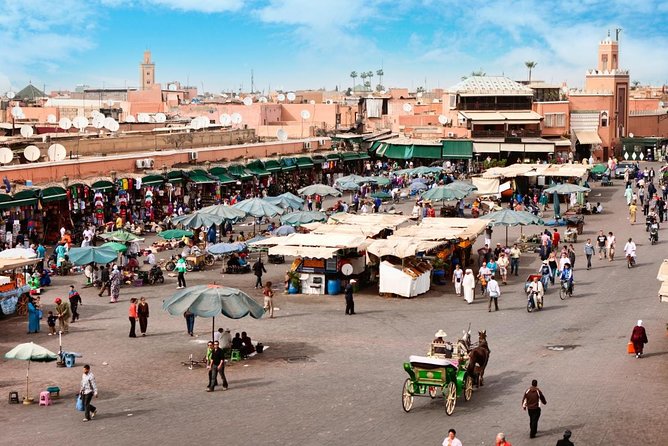
- 15+ tastings in about 4 hours, including wood-fired, charcoal, and oven-baked Moroccan specialties
- Small group limited to 8, with guide attention that actually feels personal
- Rachid as your guide, sharing how dishes are made and why ingredients matter
- Breaks built into the route, including a coffee boost and chances to sit during the snack marathon
- Ends at Jemaa el-Fnaa, so you leave with bearings for your next meal
First Bite in the Medina Maze Near Bab Doukkala
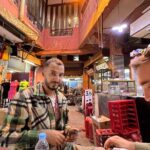
You start in the Medina area near Bab Doukkala, at Optma Conseil Plus (Boussalem Mohamed Standard) in the Bab Doukkala Entree area. It’s a good pickup point for the whole “walk into the real Marrakech” feeling—no long drive, no waiting around, just a quick move into the alley world where the smells hit fast.
This is built for a small group, capped at just 8 people. That matters more than it sounds. In a place like the Medina, you want slow enough pacing to actually hear explanations, but not so slow that you’re stuck in one spot while the food line moves on. The small size keeps the group together, helps the guide manage the flow, and makes it easier to spot what you’re being offered before you’re already halfway through the next alley.
The tour runs about 4 hours (roughly 3.5–4 hours depending on group pace). It ends in the main square, Jemaa el-Fnaa, which is convenient because many hotels and riads aren’t far once you’re oriented. Your guide can help you with directions or taxi ideas if you need that hand-off.
If you like learning by doing, this works well. You’re not just eating; you’re getting a map in your head of where things are made, who makes them, and what to look for next time when you’re on your own.
You can also read our reviews of more food & drink experiences in Marrakech
What You’ll Eat: From Cumin Sardines to Ras el Hanout Escargot
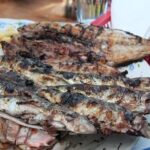
The headline here is simple: 15+ tastings. And these aren’t all “safe” tourist bites. You’re sampling classic Moroccan flavors across different cooking styles—charcoal, wood-fired ovens, simmering pots, and ember-cooked dishes.
Some of the specific foods you can expect include:
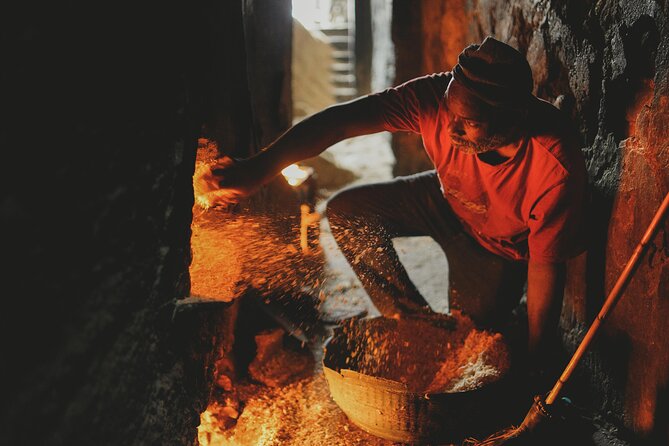
- Trays of sardines crackling with cumin in a wood-fired bakehouse
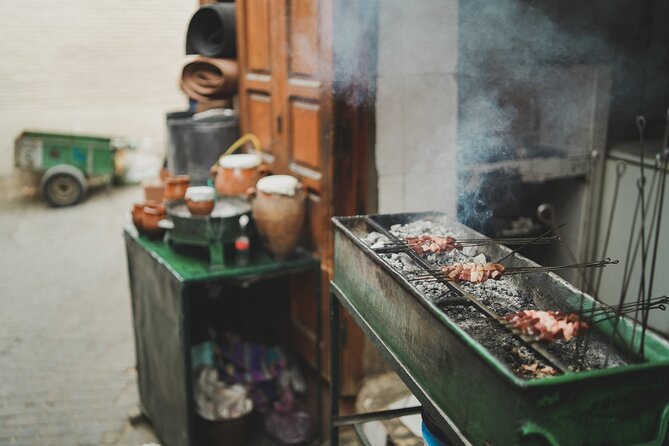
- Smoky chicken skewers sizzling over charcoal
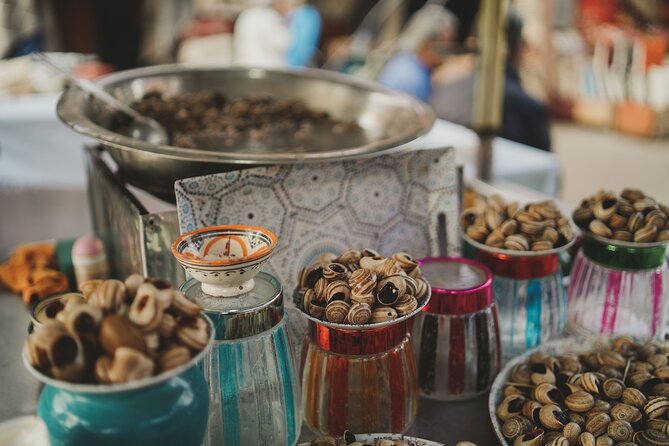
- Escargot simmered with ras el hanout (spice blend)
- Harira (comforting soup) with sweet-caramel dates
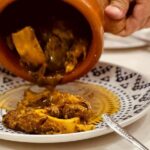
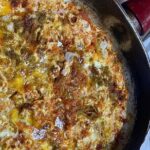
- A tagine-style dish baked in embers of a hammam cooking setup
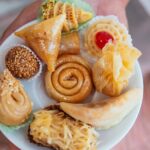
On top of that, many people come away talking about how wide the range feels. You may also run into items like tangia, yogurt, sardine sandwiches, snails, beef prepared with oil, nut candies, and strong coffee. That variety is the point: Moroccan food doesn’t live in one format. It’s street grilling, oven baking, slow cooking, and sweet finishing.
What I like most is that you get a sense of how the flavors build. For example, ras el hanout isn’t just a label—it’s tied to a specific mood of warmth and complexity. Charcoal grilling isn’t just smoky; it changes how meats and spices taste by the time you bite. And harira isn’t just soup—it comes with a rhythm: salty comfort, then that sweet-caramel date finish.
If you’re the kind of traveler who wants to know what you’re eating so you can repeat it later, this is the right style of tour.
Markets, Olive Stalls, and Street Carts (Learning to Shop Like a Local)
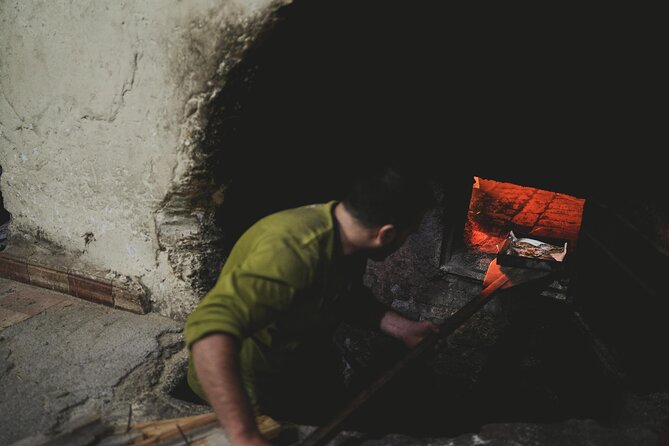
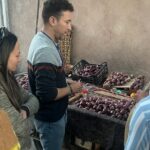
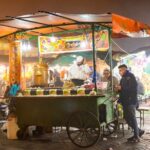
Part of the value here is the shopping education. This route takes you through the everyday food world: markets, bakeries, pastry shops, grill houses, olive stalls, and street carts. You’re seeing how Moroccan cuisine is built from ingredients that show up again and again.
A good guide doesn’t just tell you what tastes good. They teach you what to look for. On this tour, the explanations focus on ingredients and how dishes are made, which helps you later when you’re staring at a display and wondering what’s worth trying.
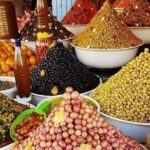
Olives and olive-related stalls matter because they show up in savory meals everywhere. Spice stalls matter because Morocco’s signature blends aren’t one-size-fits-all; they shift depending on what’s being cooked and how long it’s cooked. Even if you don’t buy anything, you’ll leave with a stronger sense of what’s fresh, what’s seasoned, and how vendors put together flavor quickly.
Also, the Medina setting teaches you a practical skill: navigating by food cues. Once you’ve followed your guide through a sequence of tastings, the next time you hear a grill going or smell a wood-fired oven, you’ll know what kind of stop you’re looking at.
It’s not just eating. It’s learning the system.
Bakery Ovens and the Hands-On Pastry Moment
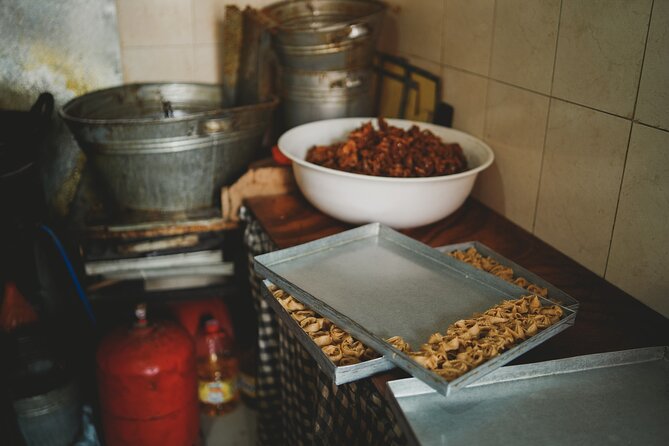
One of the standout things from people’s experiences is the bakery stop energy—especially the communal ovens and the chance to shape pastry. Yes, you might get a quick hands-on moment, and that turns the tour from “tasting” into “memory you’ll actually keep.”
Communal bread ovens and traditional pastry techniques are the kind of food details that you won’t notice wandering on your own. Even if you can’t recreate the exact recipe, seeing how dough is handled and how bakers work the oven gives you a mental picture you can carry forward.
This is also where you start to understand why Marrakech street food tastes the way it does. The oven environment affects crust, chew, and scent. And when you’re tasting right after you see the baking setup, the flavor feels connected instead of random.
Practical tip: if you’re planning to buy snacks later, this stop helps you spot quality. You learn what freshly baked looks like, what warm pastry smells like, and how vendors manage small batches. That saves you from the “I guessed and picked wrong” moments that can happen when you’re hungry and moving fast.
The Hammam-Ember Cooking Setup: Why Tagines Hit Different
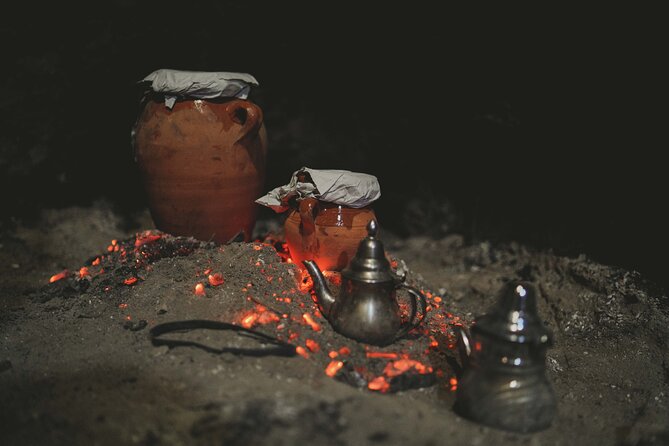
If you like food lore with a purpose, this part is for you. Several people mention a furnace under hammam baths—food slow-cooked in hot ashes for locals. That’s not just a cool story. It changes texture and depth.
The tour’s ember-cooked dish is tied to that same idea: cooking with heat held in the environment, not only heat on a direct flame. When you taste something cooked like that, you understand why Moroccan slow cooking feels different from faster street grilling.
And because this happens inside a working food environment (not a stage), it feels real. You’re seeing how people cook for their daily needs, not how a kitchen performs for tourists. The guide’s explanations help connect the cooking method to the flavor you’re tasting, which makes the experience stick.
Also, this is a good reminder for planning your own meals after the tour. If you know which dishes come from slow, ember-style heat versus charcoal grilling, you can choose better in restaurants. You’ll also feel more confident ordering, because you’ll know what to expect.
A few more Marrakech tours and experiences worth a look

Walking Route, Coffee Boost, and Ending at Jemaa el-Fnaa
This isn’t a sit-and-eat tour. It’s a walk-first experience through the Medina. Expect uneven sidewalks, narrow lanes, and plenty of moving between stops. The good news is the route is paced so you’re not constantly on your feet without breaks. People mention opportunities to sit down during the snack marathon, plus a well-timed coffee boost about halfway through.
That pacing detail matters for two reasons:
- You’ll enjoy the food more when you’re not completely overrun by it.
- You’ll digest enough to keep going—because yes, 15+ tastings is not a light day.
The tour ends at Jemaa el-Fnaa, the main central square. That’s a smart finish line. You end where you can keep exploring immediately—food, drinks, people watching, and plenty of directions for taxis if you need them. If you’re staying in the central area, it can feel like the tour hands you back the city with better bearings.
Bring comfortable shoes and expect to walk more than you think you will. If you’re traveling with kids, some families have successfully brought prams and handled the stops with patience, but you should still expect a lot of Medina foot traffic.
Price and Value for $45: What You’re Really Paying For
At $45 per person for about 4 hours, this is strong value for a few reasons.
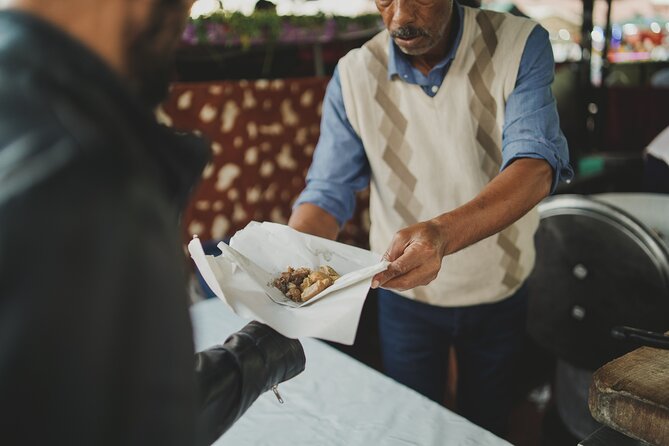
First, the tasting count is high. 15+ tastings in a short window means you’re effectively buying a sequence of meals instead of paying for one restaurant dinner. Second, you’re getting a guide who helps you understand what you’re eating. In Marrakech, that matters, because a dish can look similar in a shopfront but taste completely different depending on spices, cooking time, and preparation.
Third, the small group size (max 8) is a hidden cost-saver. With bigger groups, guides rush and explanations get cut. Here, the group stays small enough for practical conversation and better timing at each stop.
A couple of things to know for fairness:
- Alcohol isn’t included.
- Bottled water is included, which is a nice baseline in the Medina heat.
- If you’re vegetarian, you’ll typically get 4–5 fewer tastings, because options aren’t available at every stop.
Also, this tour is a great first-day move. People often mention doing it early in the trip for confidence in ordering and wandering later. You come out with a mental checklist of what’s good and what cooking styles mean.
If you’re the type who likes to eat well without overthinking, $45 feels like a smart shortcut.
Practical Tips So You Enjoy Every Stop
Here’s how to make this tour go smoothly:
- Go in hungry. Multiple people stress that you should not eat beforehand, because the tour is genuinely filling.
- Wear shoes you don’t mind getting a little dusty. The Medina is a walking environment, not a stroll on smooth paths.
- Plan for spice. You’ll taste spice blends like ras el hanout, plus plenty of savory grilled and cooked items. If you have a sensitive stomach, take your time between tastings.
- Expect strong coffee and sweet finishes. Coffee shows up, and so do sweets like nut candies and caramel-date flavors.
- Keep expectations realistic: you’re walking, listening, tasting. It’s not a museum. You’ll get the best experience when you let yourself be guided.
If you want to maximize value, treat the tour like training. After your last tasting, use what you learned to choose better on your own: look for wood-fired bread spots when you want warm crust, charcoal grilling when you want smoky flavor, and slow-cooked dishes when you want that deeper, softened taste.
Should You Book Medina Stories Marrakech Food Tour?
I think you should book it if you want a guided, food-first introduction to Marrakech’s Medina and you’re comfortable walking for about 4 hours. The 15+ tastings, small group size, and the cooking-method focus are exactly what you want when your goal is to eat well and learn fast.
Skip it or ask extra questions first if you have limited mobility, because Medina streets are not designed for comfort. Also, if you’re vegetarian, plan on fewer tastings than non-vegetarian guests.
For most people—especially first-timers—this is a practical way to get your bearings, taste a wide range, and leave with enough knowledge to order confidently for the rest of your trip.
FAQ
How much does the Medina Stories Marrakech Food Tour cost?
It costs $45.00 per person.
How long is the tour?
It runs about 4 hours (approximately 3.5 to 4 hours depending on the group pace).
How many people are in the group?
The tour is limited to a maximum of 8 travelers.
What’s included in the tour price?
You get 15+ food tastings over 4 hours, an expert local foodie guide, bottled water, and a mobile ticket.
Are alcoholic beverages included?
No. Alcoholic beverages are not included.
Do vegetarians get the same tastings?
Vegetarians have 4–5 fewer tastings, since options are not available at every stop.
Where does the tour start and end?
It starts at Optma Conseil Plus (Boussalem Mohamed Standard) near Bab Doukkala and ends in Jemaa el-Fnaa.
What if weather is poor?
This experience requires good weather. If it’s canceled due to poor weather, you’ll be offered a different date or a full refund.