REVIEW · NAGASAKI
Nagasaki Street Food Adventure: Private Walking Tour with a Local
Book on Viator →Operated by City Unscripted · Bookable on Viator
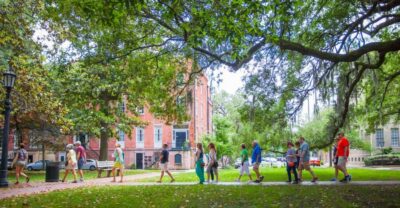
Lanterns and street food in Nagasaki. This private walking tour is interesting because your route gets shaped around your interests before you even set foot outside. You’ll taste 6–8 dishes with a local guide, hopping between neighborhoods that are famous for everyday comfort food.
I like that the tour sends you to three specific foodie areas instead of aimless wandering. Japan’s oldest Chinatown, the Hamanomachi Arcade by the Nakashima River, and the Maruyama entertainment quarter each have a different vibe, and the guide helps you read what you’re looking at. I also like the human touch: you may be matched with guides such as Yuri, Shin, Armand, Miki, or Senyo, and the best ones blend food with stories as they go.
One consideration: it’s built for walking, and you may cover a lot of ground in 3 hours (so bring shoes you don’t mind wearing fast). Plan for a solid pace, especially if your guide is trying to hit several stops efficiently.
In This Review
- Quick Reasons This Tour Works
- A Private Street-Food Route Built Around Your Answers
- Price and What You Really Get for $228.18
- Where You Start, How Fast You Walk, and What to Expect
- Chinatown Under Lanterns: What to Eat in Japan’s Oldest Chinatown
- Hamanomachi Arcade by the Nakashima River: Snack While You Shop
- Maruyama After Hours: Food Tied to Entertainment
- A Retro Underground Market: Postwar Flavors in One Stop
- How to Make the Most of Six to Eight Tastings
- Should You Book This Nagasaki Street Food Tour?
- FAQ
- How long is the Nagasaki street food walking tour?
- Is this tour private or shared?
- How many food tastings are included?
- Are drinks included in the price?
- Where does the tour start and end?
- Which neighborhoods does the route cover?
- Is transportation included?
- Can I request a hotel meet-up?
- Are service animals allowed, and is it near public transportation?
- Can I cancel for a full refund?
Quick Reasons This Tour Works
- Questionnaire-based route tailoring before you start, so you don’t waste time on the wrong foods
- Six to eight tastings from 2–3 eateries, meaning you’ll actually get full (not just sample)
- Route through Chinatown, Hamanomachi, and Maruyama, so you see multiple sides of Nagasaki food culture
- Two included drinks (alcoholic or soft drink) to keep the meal pacing comfortable
- Private guide matched to your personality, with flexibility to adjust the plan as you talk
- Food plus context, including how Nagasaki’s postwar story shows up in what people eat
A Private Street-Food Route Built Around Your Answers
Before you go, you’ll fill out a short questionnaire. The point is simple: you tell your guide what you like (and what you want to avoid), and the walking route gets adjusted to fit. That matters in Nagasaki because the best places are not always the most obvious ones from street level.
The tour is private, so you aren’t herded with strangers who all want different things. Guides you might meet include Yuri, Shin, Armand, Miki, and Senyo, and the consistent theme is that they adapt the plan as they get to know you. In other words, you’re not just collecting snacks. You’re being directed.
You meet at Nagasaki City Tourist Information Center (1-60 Onouemachi) and the tour ends back there. Hotel meet-up is available on request for central locations, which is handy if you’re staying near the action and don’t want to start with transit.
Price and What You Really Get for $228.18
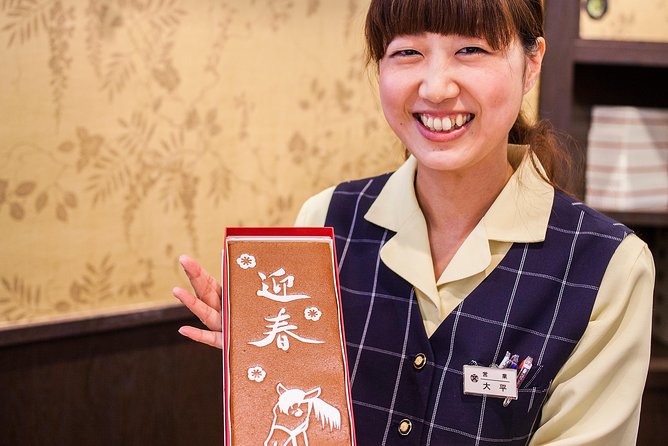
At $228.18 per person, this is not a bargain-bin food stroll. The value comes from what’s bundled: a 3-hour private walking tour, 6–8 tastings from 2–3 eateries, and 2 included drinks. You’re also paying for local decision-making, meaning fewer detours and less chance of ending up at the “good enough” places.
Think of it like this: if you tried to DIY six tastings across multiple neighborhoods, you’d spend time researching, hunting, and comparing lines. A good guide shortens that process, and it shows up most when a place is hard to spot or only makes sense once you understand what to order and why.
Group discounts may apply, and the fact it’s often booked well in advance suggests people are planning around it. If you only have a short time in Nagasaki, this tour is one of the more efficient ways to get a wide cross-section of local flavors without turning the day into homework.
Where You Start, How Fast You Walk, and What to Expect
You’ll start at Nagasaki City Tourist Information Center in Onouemachi. That’s a practical launch point: it’s easy to find, and it’s near public transportation. You end back at the same meeting point, so you don’t have to solve the last-mile problem at the end of a food-heavy afternoon.
Timing matters here. The tour is about 3 hours, which means you’ll be moving most of the time. One review note worth taking seriously: plan to walk fast. I’d treat that as a nudge to set your expectations. If you want a slow cultural wander, this may feel like a “route with checkpoints” rather than a long sit-down tour.
Also, the tour is designed for most travelers. Service animals are allowed. If you’re traveling with kids, this can work well because it’s a set path with regular food payoff, and guides sometimes adjust to family needs as they learn what your group wants.
Chinatown Under Lanterns: What to Eat in Japan’s Oldest Chinatown
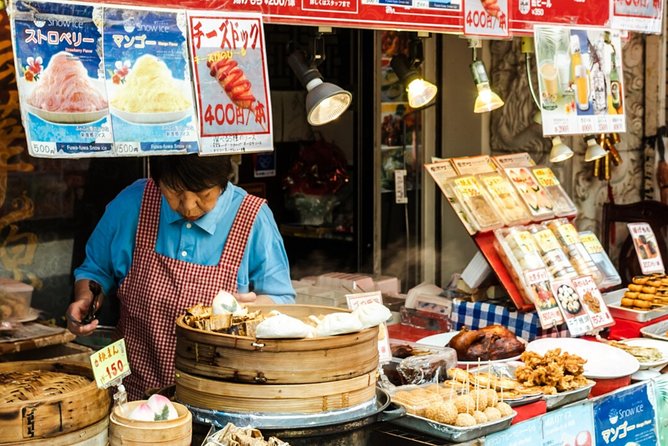
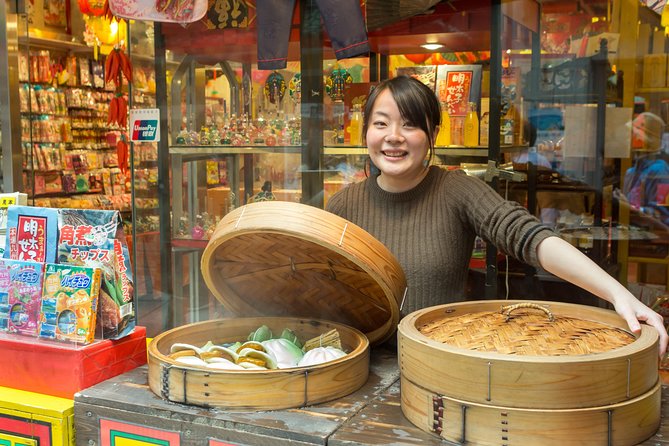
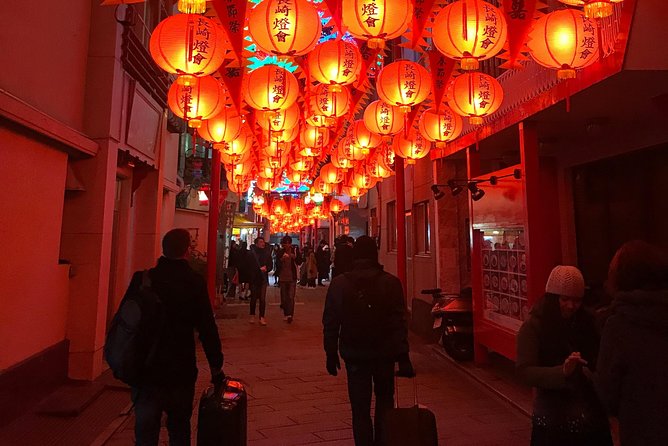
One of the tour’s main stops is Japan’s oldest Chinatown. You’ll walk lantern-lit streets lined with stalls and long-running storefronts, and your guide explains what you’re seeing as you go. This is where the tour earns its “more than food” reputation.
Chinatown is not one single flavor. It’s a mix, and Nagasaki’s version reflects local history and long connections across the region. Your guide introduces regional favorites and shares stories about the neighborhood as a crossroads of culture. That context helps you taste with more attention, even if you’re not the type who reads every menu label.
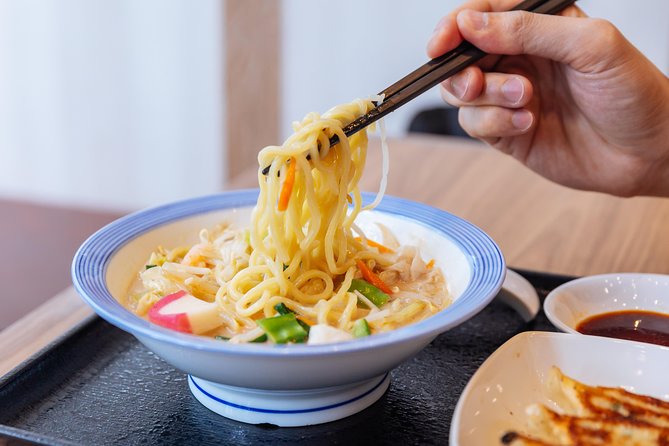
What you might taste depends on your choices and the day, but guides often steer people toward staples that feel specific to Nagasaki’s Chinatown. In reviews, you’ll see favorites like gyoza still showing up in people’s memories long after the tour. The big win is that you’re not left guessing which stall is worth your time.
A drawback at Chinatown can be crowds and lines at the best counter spots. The trade-off is that these places are popular for a reason, and you’ll have someone working the plan with you instead of standing around trying to decide.
Hamanomachi Arcade by the Nakashima River: Snack While You Shop
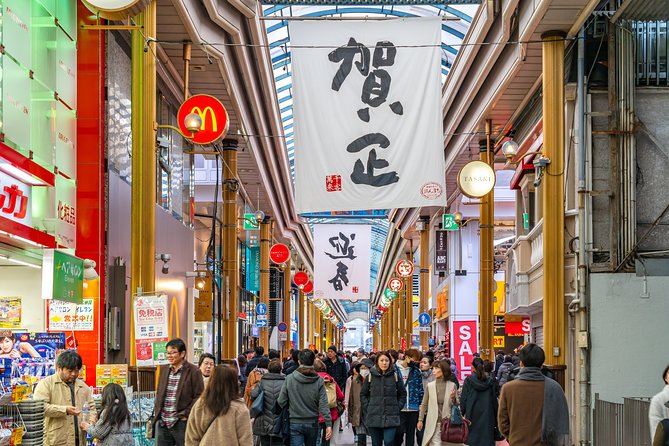
Next, you’ll head into a covered shopping street beside the Nakashima River. This is the part of Nagasaki where everyday life and food culture feel linked. You’ll see locals out shopping, grabbing quick bites, and using the arcade as a social corridor.
The covered design is also practical. If the weather is humid or drizzly, you’re still walking comfortably through active lanes rather than getting soaked between stops. And because it’s a shopping street, snack timing feels natural. This is where you can try something savory, then follow it with something sweet without feeling like you’re forcing it.
Guides often choose stops that make sense both for taste and for flow. You’re likely to bounce between eateries, and the guide helps you manage what to order so the tastings don’t all blur together. In practice, that can mean spacing out flavors and textures, not just collecting “another bite” every few minutes.
In at least one itinerary experience, the arcade section also connected people to an ice cream stop afterward. Even if your exact sweet choice differs, the pattern is useful: you’ll get a real neighborhood walk, then finish the food portion with something that feels like dessert rather than filler.
Maruyama After Hours: Food Tied to Entertainment
The Maruyama stop focuses on a historic entertainment quarter with a nostalgic atmosphere and an evening energy. This isn’t just about scenery. It’s about understanding why food shows up where it does.
When a neighborhood has long-standing entertainment roots, eating becomes part of the rhythm. Snacks and drinks aren’t extras. They’re how people pace their night. Your guide points out that link and explains how food culture here is woven into daily life, not treated like a separate tourist activity.
This is also a good moment to lean into conversation. If you want to ask why Nagasaki’s flavors differ from other Japanese cities, this is where your guide can connect the dots. One of the most common themes from different guide experiences is that the tour is tailor-made for your questions, not just a script.
As for tastings here, expect a mix that builds on what you already tried. If Chinatown gave you the “street-to-stall” feel and the arcade gave you shopping-and-snacking energy, Maruyama often shifts the mood toward evening-friendly bites and drinks.
A Retro Underground Market: Postwar Flavors in One Stop
The last neighborhood stop is a retro underground market that reflects postwar Nagasaki. This section is short, but it can be surprisingly memorable because it captures a specific time-and-place feeling. You’re stepping into a food space that reads like an old photo: different from the street-level scenes, with its own kind of comfort.
The tastings here can range from sweet to savory, depending on the route and your preferences. This is the part of the tour where your guide’s knowledge is especially useful. If you’re trying to decide between multiple stalls quickly, you want someone who can explain what’s worth your limited time.
Postwar Nagasaki is a theme your guide may bring up directly through food and the market layout. Even if you don’t know the details beforehand, you’ll start seeing patterns: comfort foods, quick portions, and flavors designed for real life, not just display.
If you’re the type who wants one last hit of something iconic before you head back, this is where that moment often lands. People tend to leave this stop feeling like they finally understand why Nagasaki feels different, even if they can’t explain it in one sentence.
How to Make the Most of Six to Eight Tastings
The tour is designed around volume and pacing: 6–8 tastings from 2–3 eateries, plus 2 drinks. That’s enough food that you shouldn’t need dinner afterward, but it’s still light enough to keep walking.
To get the best results, do two things before you start:
- Tell your guide your must-try list and your hard no’s in your questionnaire
- Arrive ready to eat, not stuffed from an earlier big meal
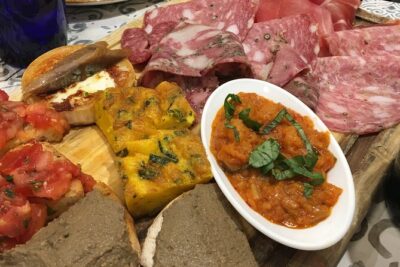
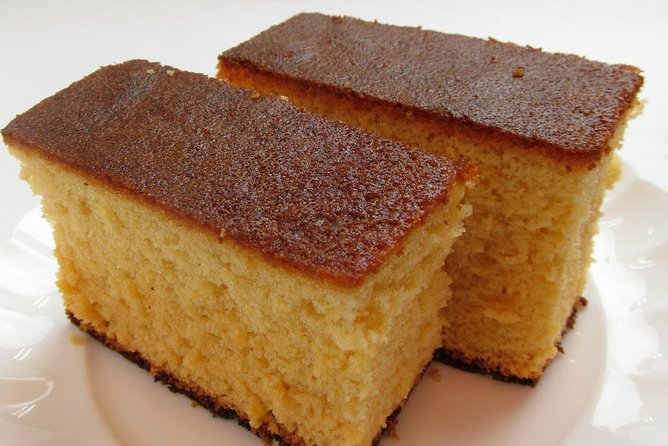
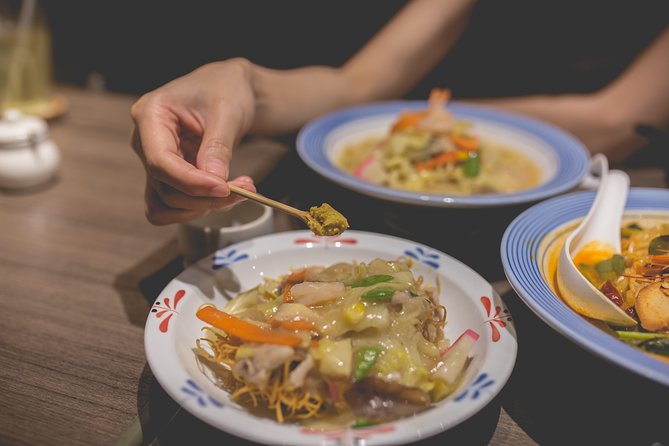
From guide experiences, you might see tastings like sashimi, wagyu, sake tasting, Castella cake, or other Nagasaki favorites. Chambon also shows up as a memorable choice for at least one guest. Your actual lineup depends on your preferences and what’s available, but the overall idea stays consistent: you should taste a spread that makes sense for Nagasaki, not just whatever is popular elsewhere.
The two included drinks can be alcoholic or soft drinks. That’s useful because it keeps you from having to “buy your way” through each stop. It also helps you slow down just enough to enjoy the conversation, which is half the point of a private tour.
Some guides even help with what comes next after the walking ends. For example, one guide provided follow-up tips for getting to Mt. Inasa by cable car for evening views and fireworks. That’s not part of the tasting plan, but it’s a good example of the kind of practical guidance you can benefit from during the day.
Should You Book This Nagasaki Street Food Tour?
I think you should book this if you have limited time and want a local route that hits multiple neighborhoods in one afternoon. The value is strongest for people who want both food and context, and for anyone who’s worried about wasting money on weaker choices.
You might skip it if your travel style is slow and you hate walking. This is a checkpoint tour with a steady pace, not a leisurely stroll where you stop to admire every doorway for half an hour.
One more simple test: if you’re the kind of traveler who can’t stand staring at menus with no idea what to order, this is your solution. A good guide does the ordering math for you, then walks you through the why behind the flavors.
If you do book, do it with comfortable shoes and an open mind. Nagasaki street food is as much about the route as it is about the bites.
FAQ
How long is the Nagasaki street food walking tour?
The tour lasts about 3 hours.
Is this tour private or shared?
It’s a private tour/activity. Only your group participates.
How many food tastings are included?
You’ll get 6–8 tastings of local delights from 2–3 eateries.
Are drinks included in the price?
Yes. The tour includes 2 drinks, either alcoholic or a soft drink.
Where does the tour start and end?
It starts at Nagasaki City Tourist Information Center (1-60 Onouemachi, Nagasaki) and ends back at the same meeting point.
Which neighborhoods does the route cover?
The tour focuses on Chinatown and also includes stops in the Maruyama area and the Hamanomachi Arcade.
Is transportation included?
This is primarily a walking experience. Transportation is not included, but public transport may be used, and your guide can help arrange transport if you want to go beyond walking.
Can I request a hotel meet-up?
Yes, hotel meet-up is available on request for central locations.
Are service animals allowed, and is it near public transportation?
Service animals are allowed, and the meeting point is near public transportation.
Can I cancel for a full refund?
Yes. You can cancel up to 24 hours in advance of the experience for a full refund.