REVIEW · NEW YORK CITY
New York City’s Hell’s Kitchen: Walking Food Tour
Book on GetYourGuide →Operated by Manhattan Walking Tour · Bookable on GetYourGuide
Five stops, one neighborhood, nonstop stories. This Hell’s Kitchen walking food tour mixes food with street-level context on where the area came from and why it earned its famous nickname. You’ll cover a lot of ground in a short time, without feeling rushed.
I really like the format: small group (limited to 8) and five tastings at distinct spots, so you get variety without spending your whole day hopping between restaurants. Second, the menu range is the point—Japanese flavors, Georgian staples like khinkali, Indian-spiced bites, plus a cookie stop and a meatball stop—so you leave with a real sense of how many cuisines share this block.
The only drawback to plan around is diet: a vegetarian option is available if you request it at booking, but other needs (like vegan, gluten-free, nut allergies, dairy free, kosher) can’t be accommodated.
In This Review
- Key things you’ll notice on this tour
- Hell’s Kitchen in 150 minutes: what you’re really buying
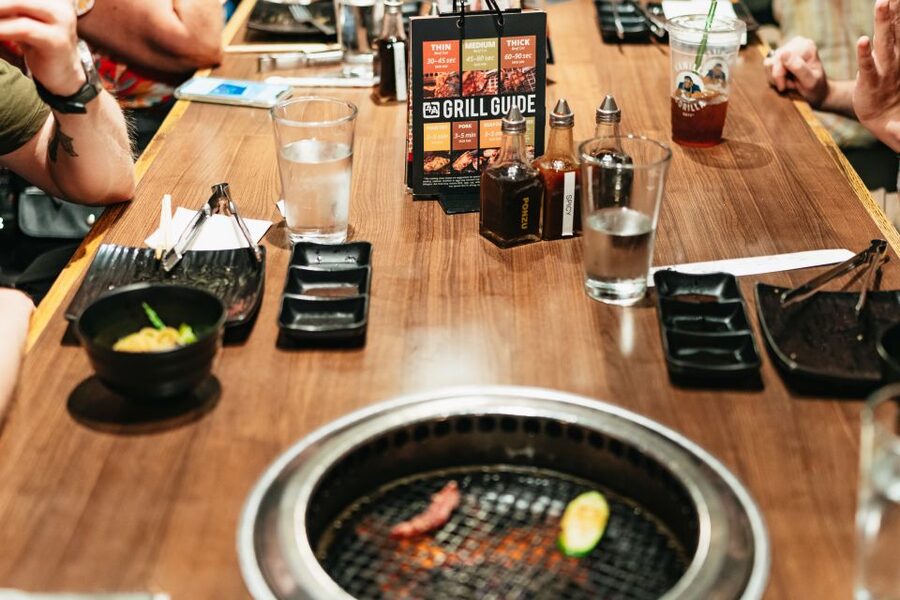
- Starting at Gyu-Kaku: the Japanese first taste that sets the tone
- The cookie stop: dessert with real neighborhood context
- Georgian comfort food: khinkali, mezze, and the power of dumplings
- Indian-spiced fusion and the cheese boat moment
- Meatball time: classic comfort in a new neighborhood setting
- Walking history: Irish roots, the name Hell’s Kitchen, and the West Side Story link
- Pacing, group size, and what to bring so it feels easy
- Vegetarian option vs. other diet limits: plan first, snack second
- Who this Hell’s Kitchen tour suits best (and who should skip it)
- Should you book this tour?
- FAQ
- How much is the Hell’s Kitchen walking food tour?
- How long is the tour?
- Where do we meet for the tour?
- How many people are in the group?
- Is the tour guided in English?
- Is there a vegetarian option?
- Can the tour accommodate vegan, gluten-free, or nut allergy needs?
- Are pets allowed?
- What’s the cancellation and pay-later policy?
Key things you’ll notice on this tour
- Five food stops across one tight neighborhood, not a scattered city crawl
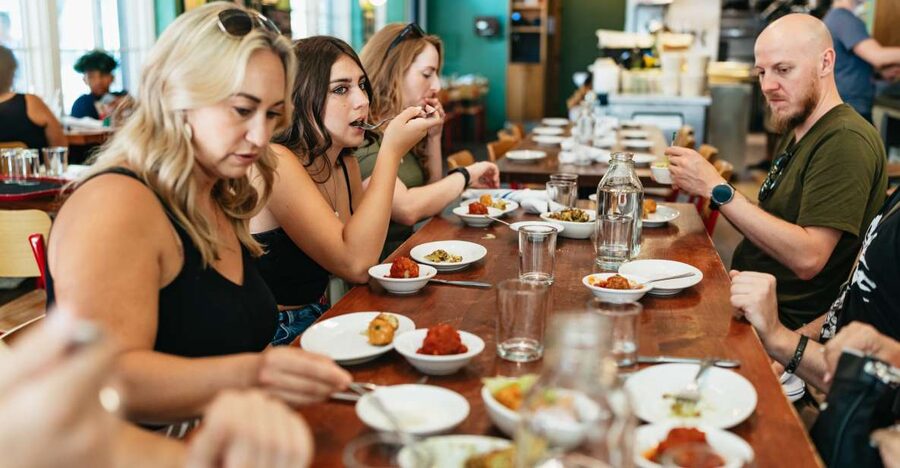
- A small group of up to 8, which makes questions easy and the pace more comfortable
- Hell’s Kitchen origin stories, including how the name took hold and why it stuck
- Culinary range that actually changes from stop to stop (Japanese to Georgian to fusion)
- Story-led guiding, with names like Alex, Jake, Cale, Claire, and Nicky showing up often in feedback
Hell’s Kitchen in 150 minutes: what you’re really buying
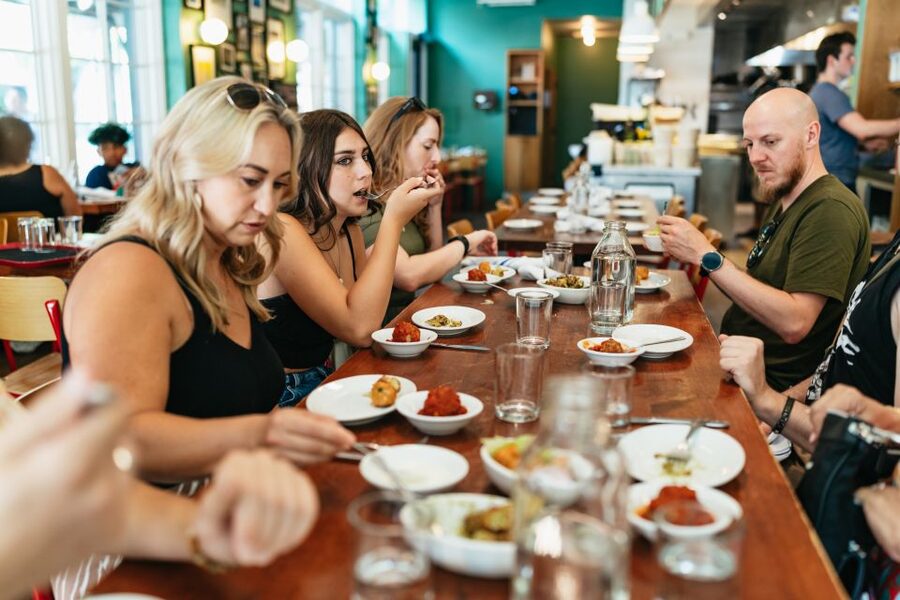
At $129 per person, this is not the cheapest food tour in New York, but it’s also not trying to be a long, slow restaurant crawl. You’re paying for two things at once: five structured tastings and a guide who connects them to the neighborhood’s past and reinvention.
The 150-minute length matters. You’re meant to finish with enough food to feel satisfied and enough context to understand why Hell’s Kitchen looks and feels the way it does today. You’ll also walk enough to stay awake and oriented, without the day turning into a marathon.
I also appreciate the practical setup. You start at a real restaurant location—Gyu-Kaku on 44th Street—and the plan is designed around stopping, eating, and hearing stories as you go. Bring good shoes and an appetite, because by the end you’ll likely want to skip (or at least delay) a heavy dinner.
You can also read our reviews of more walking tours in New York City


Starting at Gyu-Kaku: the Japanese first taste that sets the tone
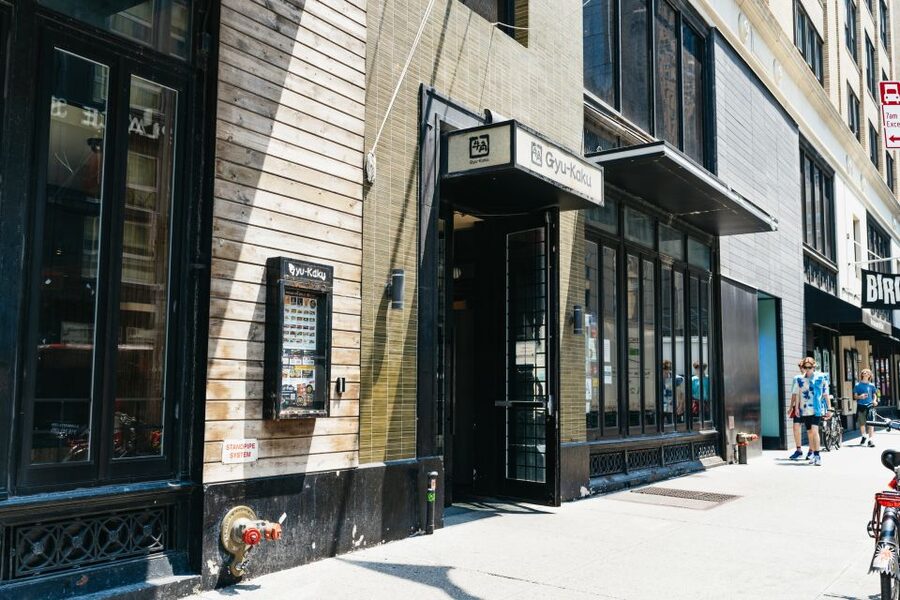
Your meeting point is Gyu-Kaku, 321 W 44th Street between 8th and 9th Avenues. Even if you’ve never done a food tour before, this helps you get oriented right away: you’re standing at a recognizable restaurant, not wandering until someone finds you.
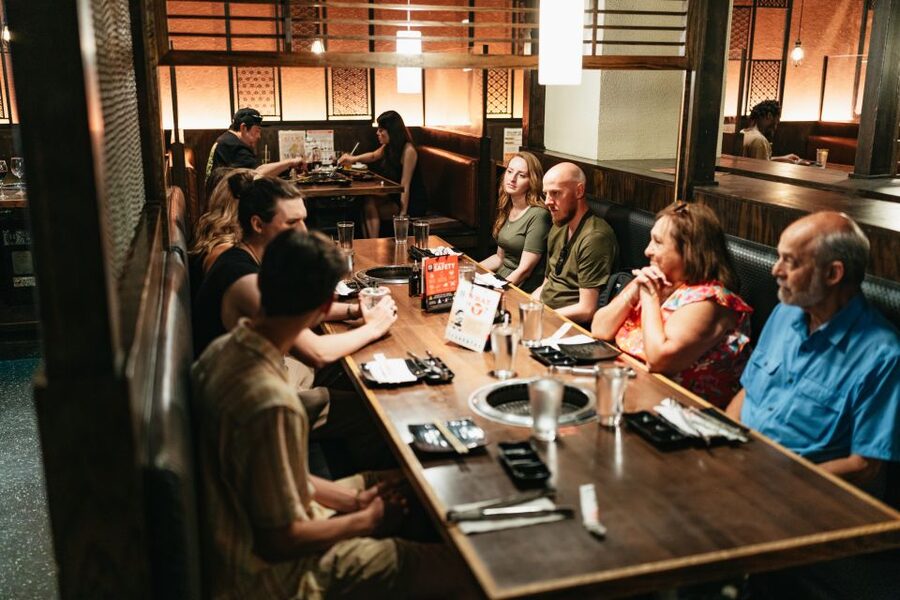
This first stop brings a Japanese angle to the neighborhood’s food mix. You’ll get a tasting that fits the Gyu-Kaku style, and the nice part is that you’re not stuck with one cuisine for the entire tour. One feedback theme that keeps coming up is that people were happy about indoor seating during at least some tastings, which helps when the weather is unpredictable.
Why it works: starting with something clean and distinct makes every next stop more noticeable. You’ll taste, then immediately compare—later you’ll be thinking about spice levels, dumpling textures, sweet vs. savory, and how the neighborhood blends immigrant food cultures over time.
The cookie stop: dessert with real neighborhood context
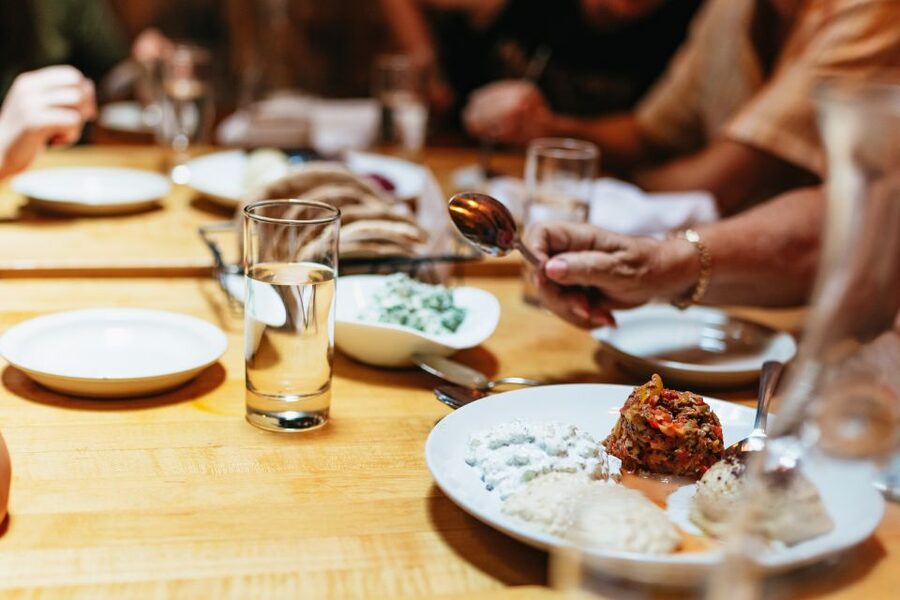
Some food tours treat dessert like an afterthought. Here, the cookie stop gets attention, and it’s not just a sugar break.
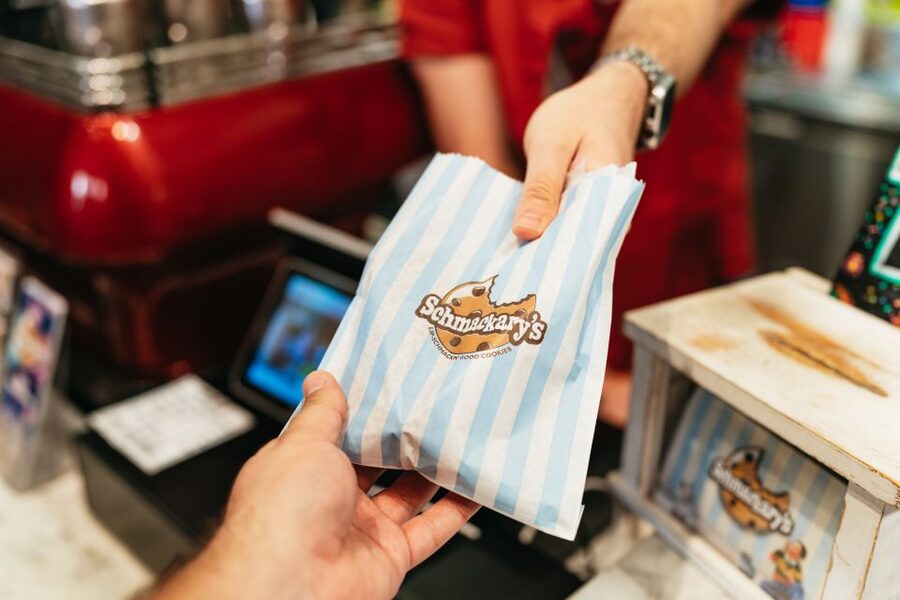
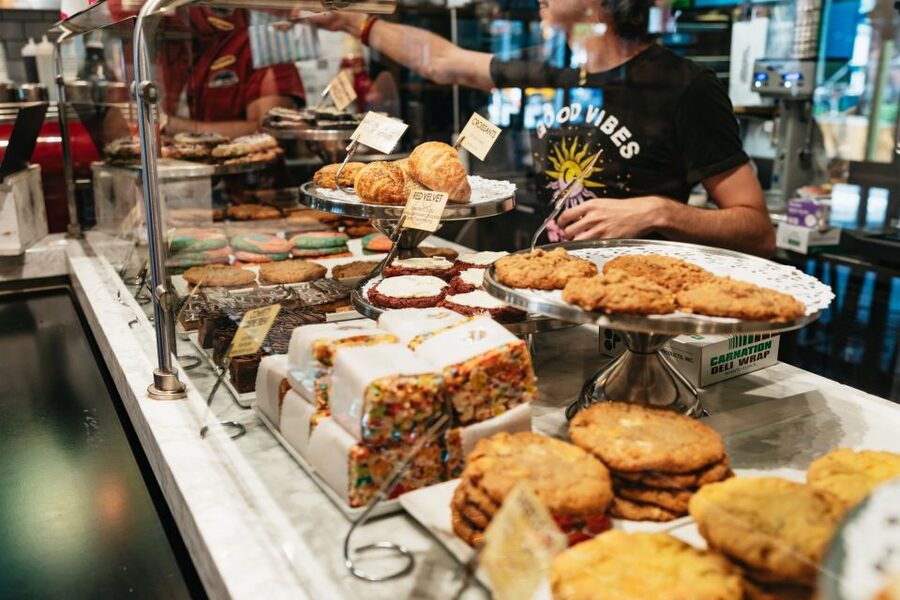
You’ll reach a place focused on freshly baked cookies, and the guide ties that shop into the bigger story of the neighborhood—how local businesses, waves of immigrants, and changing crowds shape what survives and what becomes part of the area’s identity. It’s a small moment, but it’s also a useful reset point in the middle of a walking-and-tasting afternoon.
This stop is also a good “read the room” moment. If you’re the type who likes to taste slowly, grab a seat and take your time. If you’re a fast eater and just want the best bites, you’ll still get enough to feel like you did the stop properly.
Georgian comfort food: khinkali, mezze, and the power of dumplings
Hell’s Kitchen is famous for reinvention, but one thing this tour does well is slow down long enough for the food to speak. One major stop is Georgian, including khinkali (khinkali), which people consistently point to as a standout.
What I like about including Georgian food in the mix is that it adds something different in both flavor and technique. Dumplings bring a whole new texture experience compared to tacos, meatballs, or cookie sweetness. And Georgian spreads—often described as mezze-style eating—help you understand how this neighborhood became a place where families and communities can carry traditions forward.
If you enjoy learning by eating, this is the stop where you’ll probably connect the dots most. The guide’s stories about immigration and ethnic tensions aren’t abstract when your plate includes food shaped by those histories.
Potential caution: some tastings can be hands-on or shareable, which can feel awkward if you strongly prefer individual portions. If you know communal eating is hard for you, plan to come with a flexible mindset or go in expecting that a few bites may involve passing items around.
Indian-spiced fusion and the cheese boat moment
One of the tour’s charms is that it doesn’t stick to obvious choices like pizza or bagels. You’re likely to hit a stop centered on Indian-Mexican fusion—the kind of combo that makes sense in a neighborhood where people mix, borrow, and adapt.
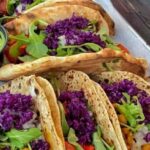
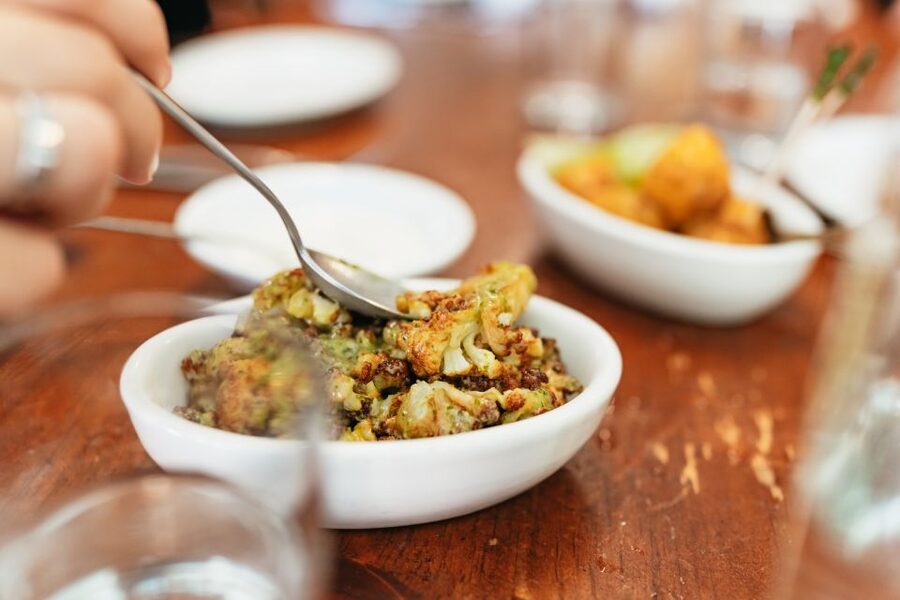
Expect bold flavors: spiced fillings, warm tortillas or taco-style servings, and that satisfying mix of familiar-and-new. This is also where people mention the cheese boat as a favorite. Even if you’re not usually a “cheese person,” this kind of dish tends to be fun because it feels part snack platter, part social food.
Why this stop matters: it explains, through food, what “neighborhood change” means in real life. Hell’s Kitchen didn’t just attract new restaurants—it learned how to mix. You get to taste the result instead of just hearing about it.
If you’re the type who wants to leave with a few new go-to restaurant ideas, this is the section where you’ll likely take mental notes. You’ll understand what you like and what you want to order again later.
You can also read our reviews of more food & drink experiences in New York City




Meatball time: classic comfort in a new neighborhood setting
At some point on the walk, you’ll also reach a famous meatball establishment (people commonly reference The Meatball Shop). Even if you’ve eaten meatballs in other cities, this stop gives you something different: it’s tied to the flow of the neighborhood and the way people use familiar comfort food to build a loyal local crowd.
This is a good “anchor” tasting. After spice-heavy or dumpling-heavy stops, meatballs bring a grounding, savory payoff. It also helps balance the sweet cookie stop earlier so you don’t feel like your palate is only chasing sugar.
One more reason this stop works on a tour like this: meatballs are easy to eat on the go, and they’re satisfying enough that even if you’re not a picky eater, you’ll likely enjoy it. It’s the kind of dish that helps the group feel like a team.
Walking history: Irish roots, the name Hell’s Kitchen, and the West Side Story link
The food is half the experience. The other half is the neighborhood story, and the tour is built around specific themes, not generic facts.
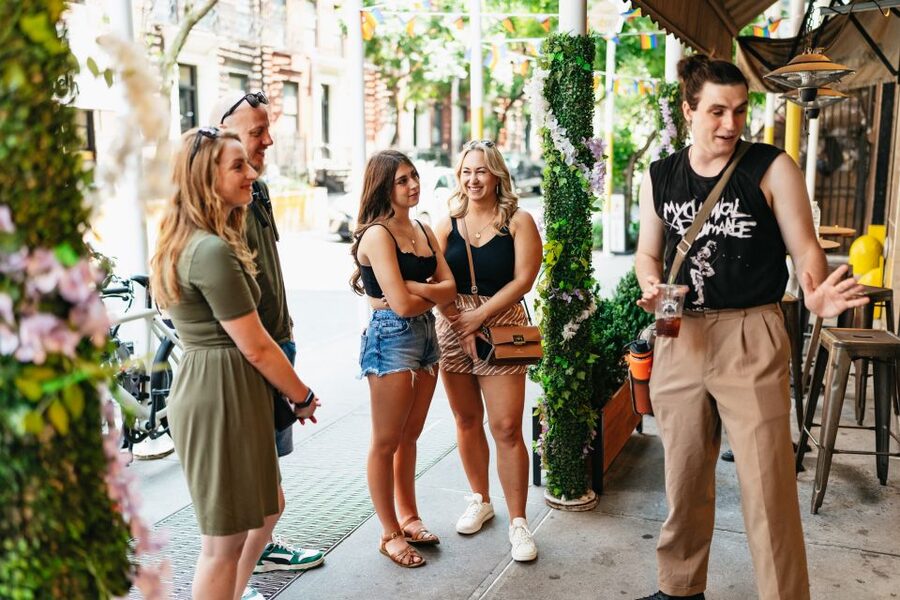
You’ll learn that Hell’s Kitchen started with working-class Irish Americans, and that the nickname came from a mix of reputation and real street-life tension. The guide also explains how the area earned its notorious label and how ethnic tensions shaped what people thought they were walking into.
Then you’ll connect the neighborhood to culture in a major way: Hell’s Kitchen’s role in inspiring West Side Story. That connection isn’t just trivia. It helps you see why this part of Manhattan keeps getting rewritten in art, headlines, and memory—sometimes with accuracy, sometimes with exaggeration, but always with meaning.
You’ll also hear about the area’s darker chapter, including crime and gang violence, and you’ll get a counterweight with how it evolved into a place with some of the city’s most prestigious properties. That contrast is one of the smartest parts of the storytelling, because it prevents the tour from becoming a one-note history lecture.
Pacing, group size, and what to bring so it feels easy
The tour is 150 minutes, and it’s built for a small group of up to 8 participants. That matters because you can actually talk with the guide, and questions don’t get swallowed by a big crowd. It also helps you move at a human pace through Midtown streets.
Practical advice that will make the whole thing smoother:
- Wear good shoes. You’re walking a neighborhood, not visiting museums where you can sit every few minutes.
- Come hungry. One clear pattern in feedback is that people were full enough to cancel or skip a later dinner.
- Don’t schedule a tight dinner right after if you can avoid it. You’ll likely be pleasantly stuffed, even if portions are tastings rather than full plates.
Also, the tour is English-language, and it’s led by a live guide. People mention feeling comfortable and included—another reason the small group size helps.
Vegetarian option vs. other diet limits: plan first, snack second
This is the most important practical section for choosing the right fit.
A vegetarian option is available if you inform the local supplier at the time of booking. That’s helpful if you eat dairy and eggs or if vegetarian is enough of a category for your needs.
But the tour cannot accommodate other dietary requirements, including vegan, kosher, nut allergies, dairy free, or gluten-free diets. So if you have any of those constraints, you’ll want to double-check whether the tour’s vegetarian option actually matches your personal requirements. If it doesn’t, it may not be the right booking for you.
If you’re unsure, I’d rather you plan conservatively than count on substitutions. With tastings, a mismatch can ruin both the meal and the fun.
Who this Hell’s Kitchen tour suits best (and who should skip it)
I think this tour is best for you if:
- You want a food-and-story combo in one afternoon
- You like trying unfamiliar cuisines in a controlled, guided way
- You enjoy learning neighborhood history that’s tied to what’s on your plate
- You prefer a small group where you can ask questions and get tips for the rest of your trip
I’d skip it if:
- You need diets beyond the vegetarian option (gluten-free, vegan, allergy-specific needs)
- You dislike any chance of shareable, hands-on tastings
- You’re on a tight schedule and can’t afford 150 minutes plus walking time
Should you book this tour?
If you’re visiting New York and want one experience that mixes Hell’s Kitchen history with real, varied eating, I’d say this is a strong bet. The five stops across Japanese, Georgian, fusion bites, cookies, and meatballs give you enough variety to feel like you truly learned the neighborhood through food.
Book it if you can eat vegetarian or if you’re flexible with standard tasting formats. Don’t book it if you have dietary needs outside the vegetarian option, because substitutions aren’t guaranteed here.
Bottom line: this works when you come hungry, wear comfy shoes, and let the guide connect the dots between streets, immigrants, and what ends up on menus today.
FAQ
How much is the Hell’s Kitchen walking food tour?
The price is $129 per person.
How long is the tour?
The duration is 150 minutes.
Where do we meet for the tour?
You meet at Gyu-Kaku, 321 W 44th Street, between 8th and 9th Avenues, New York.
How many people are in the group?
The tour is limited to a small group of up to 8 participants.
Is the tour guided in English?
Yes, it is a live tour guide in English.
Is there a vegetarian option?
Yes, a vegetarian option is available if you inform the local supplier at the time of booking.
Can the tour accommodate vegan, gluten-free, or nut allergy needs?
No. Any dietary needs other than the vegetarian option can’t be accommodated on this tour, including vegan, kosher, nut allergies, dairy free, and gluten-free diets.
Are pets allowed?
Pets are not allowed, though assistance dogs are allowed.
What’s the cancellation and pay-later policy?
You can cancel up to 24 hours in advance for a full refund, and you can reserve now and pay later (pay nothing today).