Osaka at night smells like a snack crawl. This small-group food tour threads through Namba and Dotonbori with real stops, real local habits, and guide-led detours that help you eat more than you would on your own.
I really like the format: five local eateries instead of endless street wandering, so you leave full with a smart mix of Osaka classics. I also like that the guide is a full-time Osaka person (Kevin, in at least some departures), so you get both food detail and neighborhood context, not a script.
One possible drawback: there is no hotel pickup, and it starts at 5:00 pm, so you’ll want to be at the meeting area on time and ready to walk.
In This Review
- Key Highlights to Know Before You Go
- Namba After 5:00 pm: Why This Neighborhood Food Tour Works
- The Guide Factor: Full-Time Local Energy (and Kevin’s Touch)
- Where You Start at Namba Station (Exit 18) and How the Night Feels
- Stop 1: Namba First Hour—Bites, Signs, and Getting Oriented
- Sennichimae: Arcade Chaos Meets Local Street-Game Food
- The Glico Man Sign and Dotonbori Lighting Over the Canal
- Hozen-ji Temple: A Quiet 10 Minutes That Changes the Mood
- What You’ll Eat: Five Eateries, Multiple Tastings, and a Local-Style Order
- Drinks Included: Two Beverages and the Osaka Social Pace
- Price and Value: Is $90 a Good Deal?
- Logistics That Actually Matter (So You Don’t Waste Time)
- Who This Tour Is Best For
- Should You Book This Osaka Food Tour?
- FAQ
- How long is the tour?
- What does the Osaka Food Tour cost?
- Where do I meet the guide?
- What food is included?
- Are drinks included?
- Is free cancellation available?
Key Highlights to Know Before You Go
- Small groups (max 9) keep the night relaxed and easy to follow
- Meet at Namba Station (Exit 18) and start right in the action
- Five authentic eateries with multiple tastings, including Osaka staples like takoyaki and kushikatsu
- Two included drinks (alcoholic is optional) so you can keep the pace social
- Iconic signs plus quieter alleys: Dotonbori energy, then a temple pause at Hozen-ji
- Fudo Myo-o ritual moment: you’ll sprinkle water over the statue with a ladle at Hozen-ji
Namba After 5:00 pm: Why This Neighborhood Food Tour Works
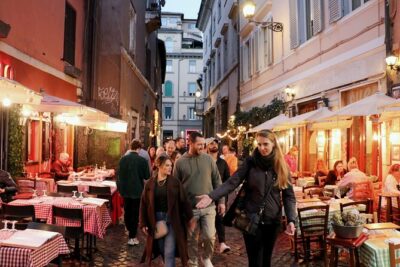
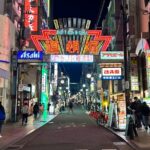
Namba is Osaka’s after-dark stage. Lights bounce off the canal. Restaurants crowd the sidewalks. Game arcades and ramen counters sit shoulder to shoulder. If you’ve only got one evening to understand Minami, this is a smart way to do it because the route is built around where locals actually eat and hang out.
The tour also has a practical vibe: it’s designed so you’re not sprinting from place to place, and you’re not stuck in the loudest, most obvious tourist lane the whole time. With a max group size of nine, it’s easier to ask questions, compare tastes, and just enjoy the flow. That matters because Osaka food is best when you can slow down for small bites, not when you’re rushing to keep up.
You can also read our reviews of more food & drink experiences in Namba
The Guide Factor: Full-Time Local Energy (and Kevin’s Touch)
This company leans hard on a simple idea: guides who actually live the rhythm of Osaka can point you toward better food and better stories. The description says guides are full-time professionals who’ve spent years living in Japan, running hundreds of tours, and exploring Namba in detail. That’s the kind of experience that pays off when you’re in a neighborhood where signage, menus, and customs move fast.
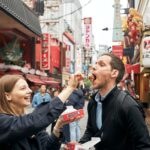
One name shows up in the feedback: Kevin. People highlight him as friendly, funny, and very good at explaining both the meals and the area. If you’re the type who likes to understand what you’re eating (not just what it tastes like), you’ll appreciate that he connects flavors to local habits.
And if you’re worried about language barriers, the notes mention that Kevin speaking Japanese helps. Even if you don’t speak much Japanese yourself, having a guide who can handle the menu and the local context can turn a stressful ordering moment into something easy and even fun.
Where You Start at Namba Station (Exit 18) and How the Night Feels
You meet at 3 Chome-8 Namba, Chuo Ward, Osaka, and the practical meet-in-the-real-world point is Exit 18 of Namba Station. The tour begins at 5:00 pm and runs for about 3 hours 30 minutes, ending back near the meeting point.
This is a good timing choice. Early evening is when the neighborhood is active but not fully chaotic. You’ll get the “wow” of Dotonbori brightness without feeling like you’re eating in a packed midday rush.
Also, it’s a mobile ticket setup. No printed stress. Just have your phone ready. And because it’s near public transportation, you’re not forced into expensive taxis or complicated transfers.
Stop 1: Namba First Hour—Bites, Signs, and Getting Oriented
The first chunk is about 1 hour in Namba, and it’s doing an important job: getting your bearings fast while you’re already hungry. Before you see the big landmarks, you need the neighborhood rhythm—where the crowds concentrate, where the quieter lanes sit, and where the kind of places you’d miss from a map actually are.
This part is ideal for first-timers in Osaka. Namba can feel overwhelming if you only know it from photos. A guide-led start helps you understand the layout and gives you a baseline for the rest of the night. You’ll also start your tastings at multiple spots rather than waiting until the end for the “real food.”
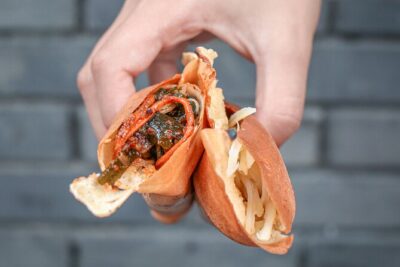
What you can expect to eat across the entire tour includes Osaka basics like takoyaki, kushikatsu, udon, karaage, and dessert. The dishes can change nightly, but the intention stays the same: you’re sampling the flavors Osaka is known for, not chasing random tourist snacks.
Sennichimae: Arcade Chaos Meets Local Street-Game Food
After Namba, you move into Sennichimae, just east of Dotonbori. This area feels like classic Minami: bright signage, game arcades, ramen shops, and kushikatsu spots packed into a few lively blocks.
It can get busy along the main drag, so the tour’s value here is timing and selection. Instead of you trying to guess which counter is worth your time, you follow someone who knows where to stand, when to move, and what to try. In practice, that reduces the awkward moments—like when you’re unsure what the line is for or whether the place specializes in the thing you want.
If your goal is to eat like a local, Sennichimae is a great stop because it’s not just about one famous landmark. It’s the larger street scene where Osaka’s casual dining culture shows up.
The Glico Man Sign and Dotonbori Lighting Over the Canal
The Osaka Glico Man sign is one of those places you can recognize instantly, even if you’ve never been to Osaka. It towers above Ebisubashi Bridge and lights up the canal below.
This isn’t just a photo moment. It’s also a good mental switch from “market energy” to “Dotonbori identity.” Dotonbori is where Osaka’s personality gets loud. You’ll see that contrast in real time: signs, crowds, and the kind of restaurants where people snack while they walk.
If you’re wondering why a food tour includes an iconic sign stop, that’s the answer. You’re learning where the neighborhood story is written in light and motion, so the rest of your trip makes more sense.
Hozen-ji Temple: A Quiet 10 Minutes That Changes the Mood
Then the pace shifts. You head to Hozen-ji Temple, about a minute’s wander down a quieter alley from Dotonbori street. It’s small, but it’s famous for the Fudo Myo-o statue.
This is the kind of stop that makes the tour feel more than a snack list. You get a breather from neon and foot traffic. The temple visit is also interactive in a simple, memorable way: visitors use a ladle to sprinkle water over the statue.
It’s only around 10 minutes, so it won’t eat up your entire night. But it adds something important: a taste of Osaka’s spiritual side, right in the middle of the food culture that dominates Minami. Even if you’re not a big temple person, you’ll likely appreciate the contrast.
What You’ll Eat: Five Eateries, Multiple Tastings, and a Local-Style Order
The tour’s dinner approach is built around one key idea: multiple tastings at five authentic local eateries. That’s the difference between “trying things” and actually learning what Osaka flavors taste like.
Your included meal is described as dinner with multiple tastings, and while the dishes change nightly, you should expect a lineup such as:
- takoyaki
- kushikatsu
- udon
- karaage
- dessert
…plus other items.
That variety matters. If you only eat one category—like only fried snacks or only noodle bowls—you don’t get the full picture of Osaka’s comfort-food range. Tastings let you sample different textures and flavors in one evening: chewy vs. crispy, savory vs. sweet, hot vs. cooling moments.
Drinks Included: Two Beverages and the Osaka Social Pace
Your ticket includes two drinks. The notes say whether they’re alcoholic is up to you, and if you’re lucky, there may even be additional drinks added.
This is a smart inclusion because food in Osaka often comes with a social rhythm. When you’re walking between stops, a drink helps you keep the pace comfortable instead of feeling like you’re speed-running dinner. It also gives you a natural moment to chat with your guide and your small group.
If you’re going to skip alcohol, you still get value. Two drinks included means you’re not paying extra just to keep yourself from getting parched.
Price and Value: Is $90 a Good Deal?
At $90 per person for about 3.5 hours, the value depends on how you like to travel.
Here’s what you’re paying for, in practical terms:
- A guided route through Namba, Sennichimae, Dotonbori landmarks, and Hozen-ji
- Five local eateries with multiple tastings
- Two included drinks
- A small group size (max 9), which usually improves the experience because you’re not lost in a crowd
If you try to DIY this night, you’ll likely spend similar money just hunting for the right places and ordering enough dishes to feel satisfied. The guide removes guesswork. You also avoid the “I’m in a famous area but I don’t know what to order” problem.
So yes, it’s not a budget price, but it’s not a splurge, either. It sits in the sweet spot for people who want a full evening of food and context without planning every stop.
Logistics That Actually Matter (So You Don’t Waste Time)
This is where the tour stays practical:
- No hotel pickup. You’ll start at Namba Station Exit 18 and the meeting address at 3 Chome-8 Namba, Chuo Ward. Plan to arrive a few minutes early.
- Start time is 5:00 pm. You’ll want a light earlier meal or you’ll be stuffed before the best bites start rolling in.
- Mobile ticket only. Keep your phone charged.
- You walk. The stops include street-level areas and a short alley temple visit. Wear shoes that work with lots of sidewalk time.
Accessibility is described as most travelers can participate. The tour clearly involves walking, and it’s a good idea to bring that in mind if you have mobility needs.
Who This Tour Is Best For
This tour is a strong match if you:
- are in Osaka for a short time and want one solid food plan
- like the classic Osaka hits (takoyaki, kushikatsu, udon, karaage)
- enjoy walking with a guide who explains the why behind what you eat
- prefer small group experiences over big, loud crowds
It’s also a good first evening plan because you get landmarks like the Glico Man sign and Dotonbori context, plus quieter texture at Hozen-ji. You’ll likely feel more confident exploring Minami on your remaining days.
Should You Book This Osaka Food Tour?
I’d book it if you want an evening that combines iconic Namba energy with genuine food stops, and you’d rather follow a local route than gamble on what looks good.
I’d think twice if you hate walking or you strongly prefer fully independent dining. This is a guided tasting night, and the pacing assumes you’re willing to sample multiple places in a single session.
If you’re new to Osaka and want to eat your way through Namba and Dotonbori with a small group and a guide like Kevin who brings humor and explanations, this is the kind of tour that makes your trip feel organized even when the streets are loud.
FAQ
How long is the tour?
The tour lasts about 3 hours 30 minutes.
What does the Osaka Food Tour cost?
It costs $90.00 per person.
Where do I meet the guide?
You meet at Exit 18 of Namba Station, and the tour also lists the meeting point as 3 Chome-8 Namba, Chuo Ward, Osaka.
What food is included?
Dinner includes multiple tastings at 5 authentic local eateries. The dishes can change nightly, and you should expect items such as takoyaki, kushikatsu, udon, karaage, dessert, and more.
Are drinks included?
Yes. Two drinks are included with your ticket price, and alcoholic drinks are optional based on your choice.
Is free cancellation available?
Yes. You can cancel up to 24 hours in advance of the experience for a full refund, and cancellations are based on local time.