REVIEW · PARIS
Paris: Montmartre Food Tour with 10 Local Tastings & Wines
Book on GetYourGuide →Operated by Secret Food Tours · Bookable on GetYourGuide
Montmartre tastes the way Paris actually works: small shops, quick chats, and a steady string of bites. This 3-hour tour feels like shopping with locals in mind, starting at Anvers and ending with wine and the Secret Dish at a hidden spot.
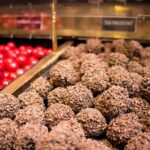
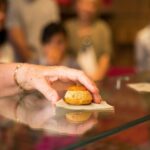
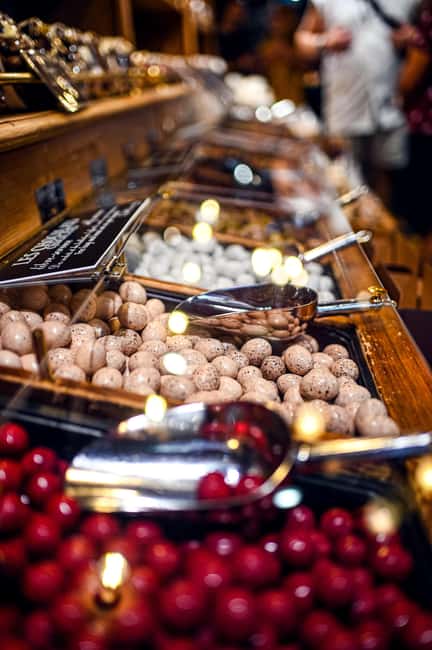
What I love most is the range: sweet hits like artisan chocolates and real French macarons, then savory stops like cheese at a local fromagerie and fine cured meats from a traditional butcher.
The other thing I like is how it’s paced. You’re not sprinting for photos; you’re eating, walking, and learning—so even when the streets are busy, the experience stays relaxed. The main consideration is simple: it’s a walking tour on cobblestones, so you’ll want comfortable shoes, especially since it runs rain or shine.
In This Review
- Key Points to Know Before You Go
- Montmartre by Food: Why This 3-Hour Walk Fits Paris
- Where to Meet the Guide: Anvers vs Abbesses (Orange Umbrella Edition)
- Your First Sweet Stops: Chocolates, Macarons, and Getting Oriented
- Crêpes and Street-Level Snack Energy
- Bakery Bread: Why Fresh Matters More Than You Think
- Fromagerie Cheese: Pairing Logic You’ll Actually Use
- Traditional Butcher Stop: Cured Meats with Real Character
- Montmartre Market Time and Lunch: Taking a Break from the Wander
- The Secret Finale on Rue Lepic: Wine, Stories, and the Secret Dish
- Pacing, Walking, and the Small-Group Difference
- Price and Value: What $99 Actually Buys in Montmartre
- Who This Montmartre Food Tour Is Best For
- Should You Book This Montmartre Food Tour?
- FAQ
- How long is the Montmartre food tour?
- Where do I meet the guide?
- What’s included in the price?
- Is the tour accessible for wheelchair users?
- What should I bring or wear?
- Is there free cancellation?
Key Points to Know Before You Go
- A true Montmartre “shop and taste” route, not a sit-down meal with a few samples
- 10 tastings plus fine wine that includes both sweet and savory favorites
- Hands-on food culture stops: chocolates, macarons, crêpes, bread, fromagerie cheese, and butcher cured meats
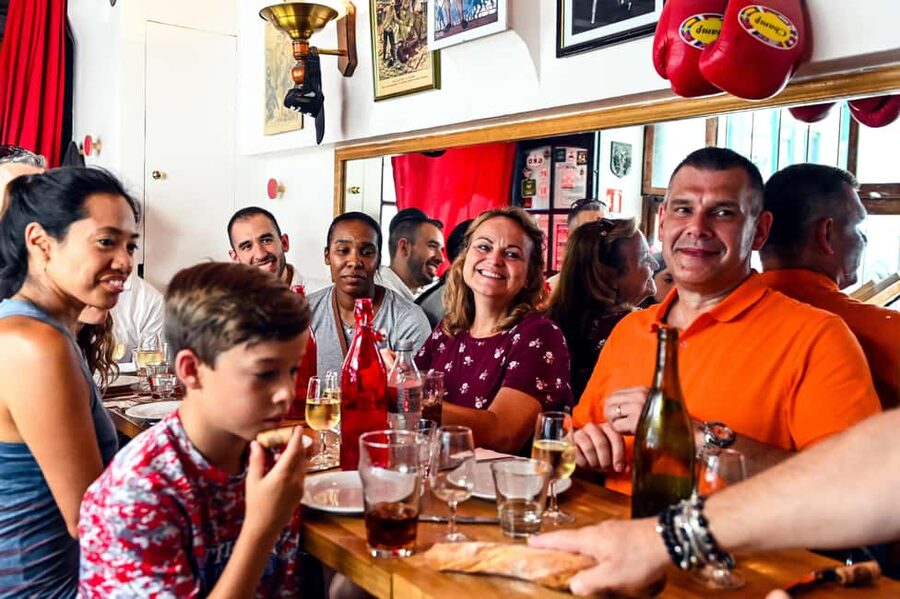
- A calm finale with wine, stories, and a Secret Dish at a private-feeling location
- Small group format, which makes it easier to ask questions (and actually hear answers)
- Meeting point changes by day and start time, so you’ll want to confirm where the guide is posted
Montmartre by Food: Why This 3-Hour Walk Fits Paris
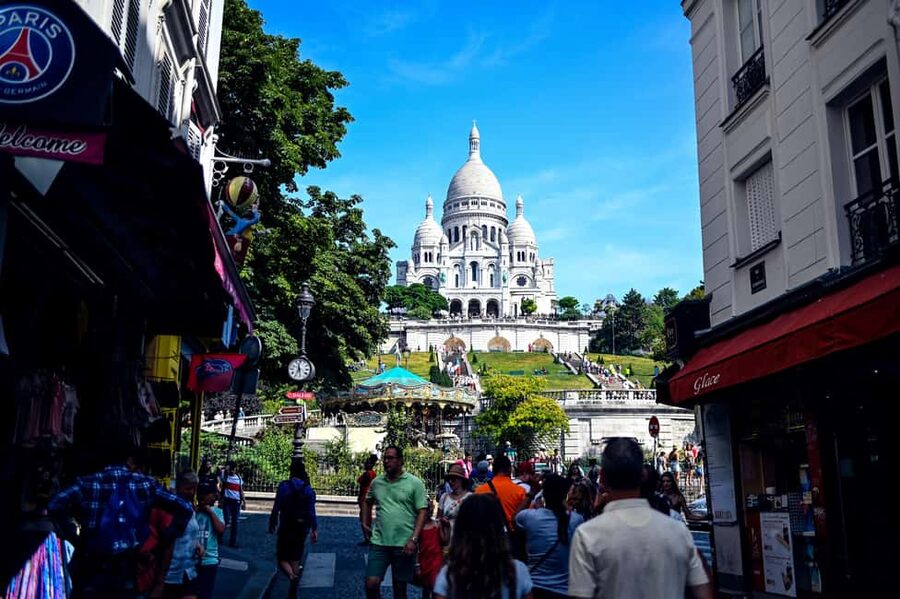
If you only do famous viewpoints in Paris, you miss half the story. Montmartre is where the city turns up the volume on everyday life: people wander, snack, compare products, and build a meal step by step. This tour is built around that rhythm, with tastings that move you from one classic food counter to the next.
I like that it mixes the obvious wins with the practical ones. Yes, you get the Paris standards—macarons, chocolates, and crêpes—but you also get the stuff that makes a French meal feel French: cheese from a fromagerie and cured meats from a traditional butcher. It’s the kind of mix that helps you understand what’s worth buying back home.
At $99 for a 3-hour outing, it’s not “cheap,” but it’s also not just paying for walking. You’re paying for multiple tastings, wine (red and white), and the guide’s steering toward places that locals actually use for their shopping list. When the food portions are heavy and the stops are varied, the value starts to make sense fast.
You can also read our reviews of more food & drink experiences in Paris

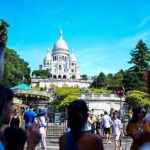
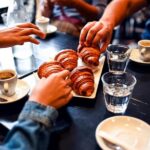
Where to Meet the Guide: Anvers vs Abbesses (Orange Umbrella Edition)
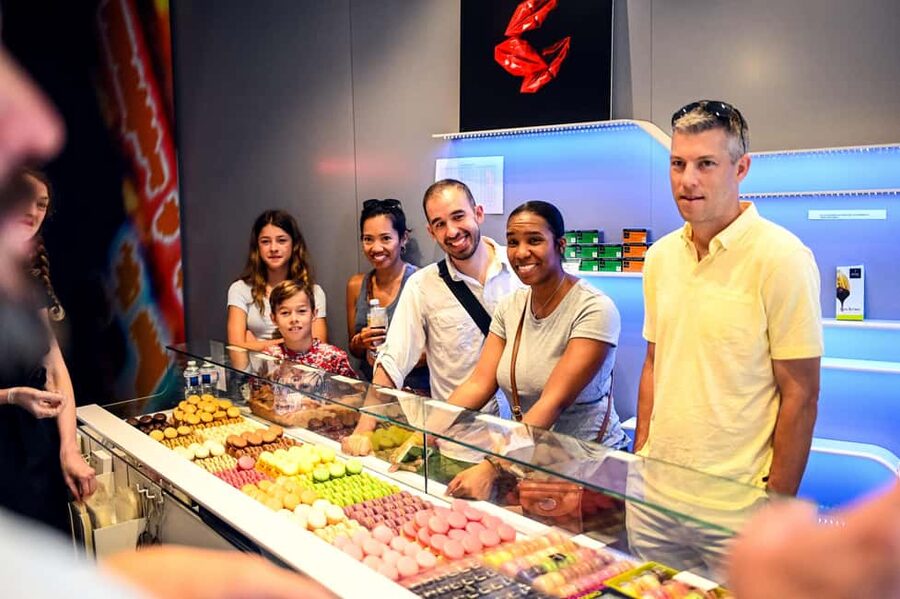
Meeting is straightforward once you know the rule: it depends on the day and start time.
- Monday to Friday (tours starting between 10:30am and 5:30pm): meet outside metro Anvers, Line 2, by the subway entrance. The guide is waiting with an orange umbrella.
- Saturday and Sunday and all tours starting at 6:00pm: meet at Abbesses Station, Line 12, by the subway entrance, also with an orange umbrella.
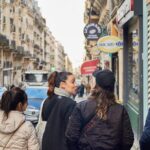
A small heads-up from real-world experience: one traveler noted it can be tricky to find the meeting spot if the instructions don’t match the time they booked. My advice is to take a minute before departure to check your day/time, open the Google Maps link, and locate the umbrella. In a neighborhood like Montmartre, that saves stress.
Your First Sweet Stops: Chocolates, Macarons, and Getting Oriented
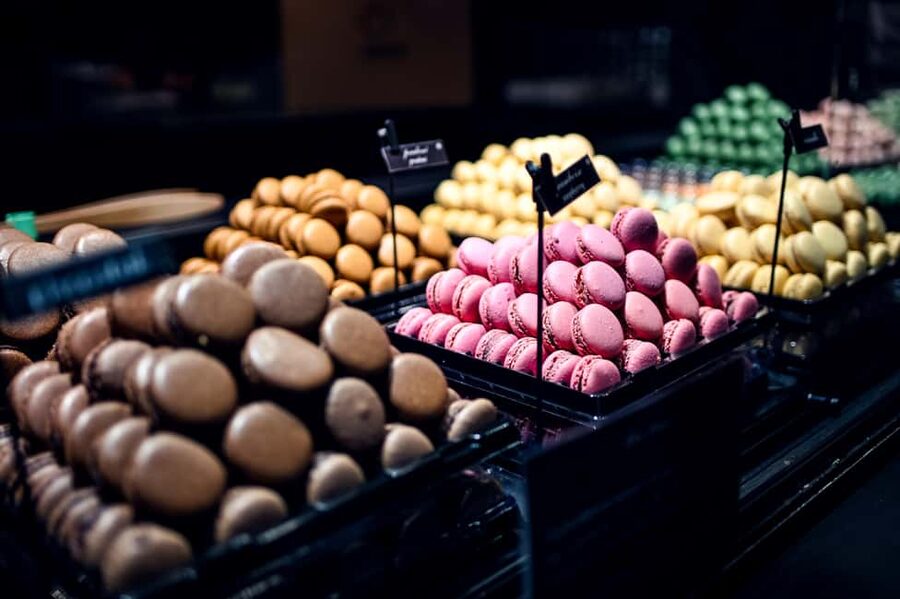
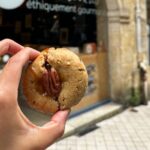
Montmartre can feel like a maze until you learn the logic of its streets. The tour starts by setting your taste buds up for the rest of the walk, and that’s smart. If you begin with sweet treats like artisan chocolates and delicate French macarons, you loosen the whole experience—snack-to-snack, you’re in a good mood and ready to pay attention.
You also get more than just sugar. The point of these early tastings is to show how serious French food culture is about small things: texture, ingredients, and consistency. When your first stop is award-winning artisan chocolates, you’re being introduced to quality standards before the tour turns savory.
This is also where you start hearing the guide’s approach. Guides named in guest feedback—like Ioana, Coralie, and Celine—are repeatedly praised for making explanations feel clear and useful, not like a lecture while you eat. The result: you can taste first, then understand what you’re tasting.
Crêpes and Street-Level Snack Energy
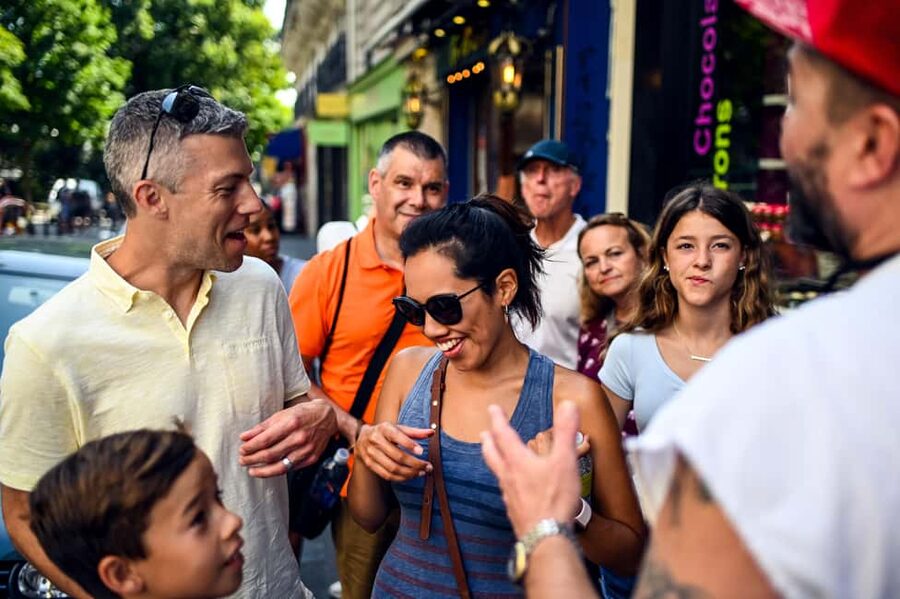
Next comes a classic Paris moment: fresh crêpes in a lively street setting. There’s a reason this part matters. Crêpes aren’t just a snack in Paris—they’re a shortcut to local life. People grab them while wandering. Families share them. They’re quick, simple, and everywhere, so you learn how Parisians actually eat outdoors.
You’ll also learn about the difference between a classic crêpe and a Breton galette. Even without getting too technical, it’s useful because it helps you order with confidence later. You stop thinking of all “crêpes” as the same thing, and you start noticing what’s sweet versus what’s a more savory style.
The practical payoff: after this, you’ll know what to look for and what questions to ask when you’re back on your own. And if you’re traveling with picky eaters, this stop usually buys you goodwill. Crêpes have broad appeal.
Bakery Bread: Why Fresh Matters More Than You Think
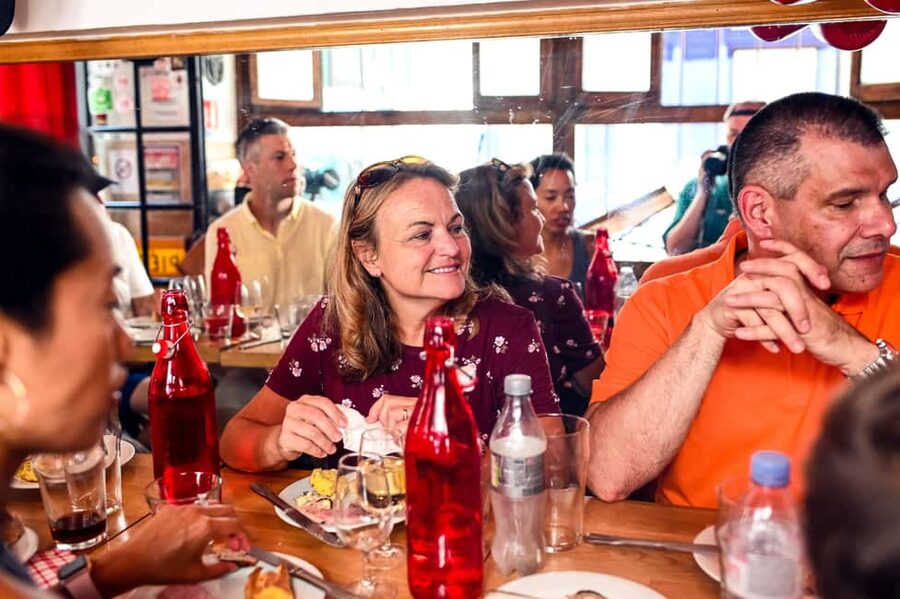
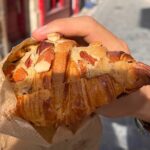
A beloved bakery stop adds another layer: freshly baked breads straight from the oven. Bakery tastings are where many food tours either disappoint (tiny samples, rushed service) or shine (real bread, proper warmth, and enough variety to notice differences). In this tour, the structure suggests the goal is the second one.
This stop also helps you connect the dots between sweet and savory. Once you’ve had pastries and macarons, it’s easy to think of “French food” as desserts and display cases. Bread brings you back to the everyday side: the base of a meal, the comfort side of the city.
Comfort tip: take a breath here and pace yourself. Bread can be deceptively filling, and you still have cheeses, cured meats, and wine coming.
A few more Paris tours and experiences worth a look




Fromagerie Cheese: Pairing Logic You’ll Actually Use
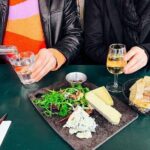
Then you get the kind of stop that makes a food tour worth doing even if you’re not a hardcore foodie: cheese from a local fromagerie. This isn’t generic “here’s cheese.” It’s a focused tasting where the guide’s explanations matter, and the pairing is part of the lesson.
In feedback, Naf is specifically praised for pairing cheeses and wine from the same region. Even if your guide isn’t Naf, the fact that pairing is highlighted in the experience tells you the tour aims to teach you how French eaters think about combinations, not just what to eat.
Why this matters for you: after a cheese stop with guidance, you’ll be better equipped to shop at a fromagerie yourself. You’ll pick with intention instead of buying based on packaging and vibes. That alone is a real “learn something” moment.
Traditional Butcher Stop: Cured Meats with Real Character
After cheese, you move to the traditional butcher for fine cured meats. Think sauisson and aged ham—items that taste like patience. Cured meat is also a great “training ground” for French flavors, because it shows how salt, time, and technique change everything.
The tour’s structure makes this part feel like a natural progression. You’re not eating random things. You’re building a plate in your head: bread + cheese + meat, then wine at the end. By the time you reach the finale, you’re ready for the full rhythm of a French tasting meal.
One more reason I like this stop: it’s practical. If you’ve ever stood in a Paris butcher shop unsure what to ask for, this gives you the confidence to translate what you tasted into what you want to buy.
Montmartre Market Time and Lunch: Taking a Break from the Wander
There’s a food market visit built into the middle of the tour, followed by lunch time. This section is valuable because it keeps the experience from feeling like a line of storefronts only. A market stop changes the pace: you get to see ingredients in context and understand where the neighborhood’s food identity comes from.
Lunch also matters for energy management. At 3 hours, you need to know the tour isn’t just snacking you into exhaustion. Multiple stops and wine can add up. The lunch block helps reset your appetite so the final tastings land well.
A practical note for you: this is the moment to slow down. Montmartre has hills and sharp turns, and after you’ve tasted several items, it’s easy to rush. Give yourself time to sit, breathe, and enjoy the break.
The Secret Finale on Rue Lepic: Wine, Stories, and the Secret Dish
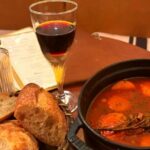
The tour ends at Rue Lepic, with the most talked-about part: relaxing with wine and the Secret Dish at a hidden location. The word secret here isn’t marketing fluff. The setup is meant to give you a calmer, more intimate end to the experience, away from street noise and constant walking.
In feedback, the final tasting space is described as comfortable and well appointed, and that matters more than you might expect. A good food tour ends where you can actually taste—without rushing, without balancing food over a cold drink while you hunt for your next stop.
This is also where the guide’s personality shows. Hosts named in the feedback—like Matthew, Emmanuel, and Louise-Francois—are praised for making the whole wrap-up feel like a shared meal, not a checklist. If you like stories with your wine, this is the moment.
And yes, you’ll leave with that Montmartre feeling: you walked the neighborhood, you ate like someone who lives there, and you didn’t spend the whole day searching for the next place.
Pacing, Walking, and the Small-Group Difference
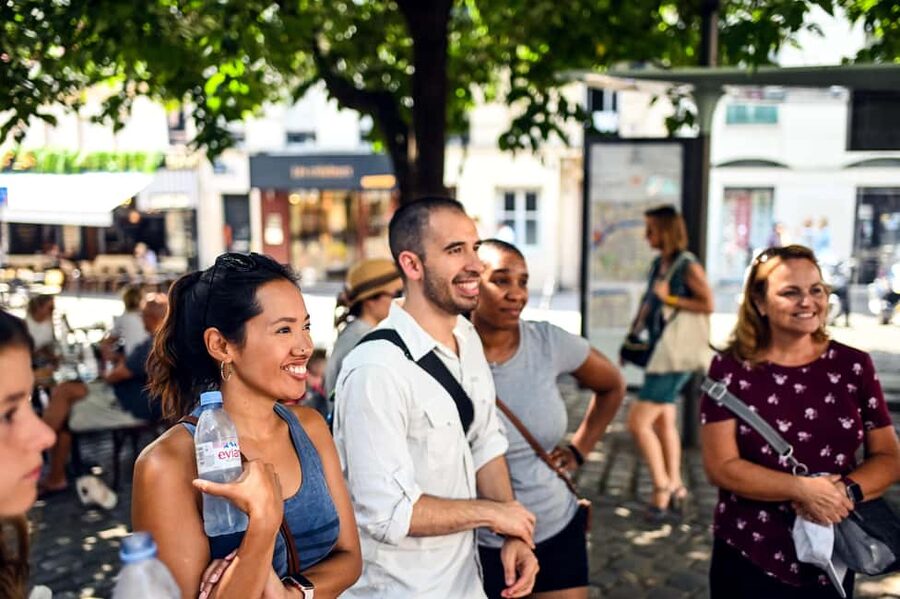
This tour is built for a small group, and that affects the whole vibe. With fewer people, you get more time at each stop and more space to ask questions. It also helps the guide manage the tasting flow so you’re not stuck waiting while others catch up.
The food pacing is a big reason the tour earns high marks. People frequently mention plenty of food and a good rhythm through the stops. That lines up with the structure: multiple tastings spread across the walk, then wine and a final Secret Dish.
One consideration: it’s not suitable for wheelchair users. The tour is also rain or shine, so plan for slippery streets and uneven surfaces.
If you’re prone to getting cold or tired quickly, wear layers and bring a light jacket. You’ll be standing, walking, and tasting—not sprinting, but still moving for three solid hours.
Price and Value: What $99 Actually Buys in Montmartre
Let’s be honest: $99 sounds like a lot for a neighborhood walk. The value comes from what’s included and how much it adds up.
You’re getting:
- A mix of sweet and savory tastings (artisan chocolates, macarons, crêpe, bread, cheeses, cured meats)
- A Secret Dish at the end
- Fine wines (red and white)
- Water and soft drinks
- A live English-speaking guide
So you’re not paying for “entry” into places. You’re paying for the food itself plus the direction—someone else handles what to order, where to go, and how to make the stops fit together.
When I look at value, I also think about what you would do on your own. If you tried to replicate this without guidance, you’d need time to find reliable cheese counters, understand what butcher items are worth tasting, and still hope the places wouldn’t be too touristy. Here, the tour is designed to do that work for you.
Who This Montmartre Food Tour Is Best For
This is a strong pick if you want:
- A Montmartre introduction that’s focused on food rather than just sights
- A mix of sweet and savory so your group doesn’t split over preferences
- A guide-led route that helps you learn the neighborhood through tastings
- A social experience with wine at the end, but not a huge bus-tour crowd
It’s also a good option if you’re a “just tell me what’s good” eater. The stops are classic French-food anchors: chocolates, macarons, crêpes, bread, cheese, cured meats, and wine.
If you hate walking or you’re mobility-limited, skip it. This is for people who can handle standing, eating in between stops, and comfortable-paced walking.
Should You Book This Montmartre Food Tour?
I think you should book this tour if you want a hands-on Montmartre experience with 10 local tastings, wine, and an ending that feels like a proper shared meal. It’s especially worth it when you’d otherwise be spending time trying to figure out where to eat, what to buy, and how to order.
Skip it if you’re looking for a museum-style activity, or if your comfort level with walking and uneven streets is low. Also, if you strongly prefer a full sit-down lunch only, this is built around tastings and short stops, not a single long restaurant meal.
If you do book, come hungry, wear shoes that can handle cobbles, and show up ready to slow down for the cheese, butcher meats, and the Secret Dish. That’s where the tour stops feeling like “things to try” and starts feeling like how Paris eats.
FAQ
How long is the Montmartre food tour?
It runs for 3 hours.
Where do I meet the guide?
On Mondays to Fridays (with tours starting from 10:30am to 5:30pm), you meet outside metro Anvers, Line 2, by the subway entrance. On Saturdays and Sundays, and for all tours starting at 6:00pm, you meet at Abbesses Station, Line 12, by the subway entrance. In both cases, the guide is waiting with an orange umbrella.
What’s included in the price?
You’ll get fresh pastries and authentic macarons, sweet crêpe and artisan chocolates, a selection of French cheeses, cured meats and freshly baked breads, the Secret Dish, fine wines (red and white), plus water and soft drinks.
Is the tour accessible for wheelchair users?
No. The tour is not suitable for wheelchair users.
What should I bring or wear?
Bring comfortable shoes. The tour takes place rain or shine.
Is there free cancellation?
Yes. You can cancel up to 24 hours in advance for a full refund.