REVIEW · PASSY GRIGNY
Passy-Grigny: Chocolate and Champagne Tasting Tour
Book on GetYourGuide →Operated by Champagne DOM CAUDRON · Bookable on GetYourGuide
Three bubbles, three chocolates, one tidy tour. I like how the English-or-French guided walk takes you from the first pressing to the modern vat house, so Champagne feels real instead of mysterious. Even if you’re new to Champagne, the pace stays friendly and clear.
The real payoff is the three Champagne tastings paired with three chocolates, a combo that makes the flavors click fast. One watch-out: Passy-Grigny is in the Marne Valley countryside, so you’ll want to plan how you’ll get to the meeting point (a car helps).
In This Review
- Key things I’d make sure you notice
- Passy-Grigny and Champagne DOM CAUDRON: What makes this tour feel special
- Your 90 minutes: how the flow works (and where to pay attention)
- The behind-the-scenes Champagne-making tour: what you actually see
- The tasting part: three Champagnes with three chocolates
- Learning about Meunier and Champagne production without the lecture vibe
- Price and value: does $32 make sense?
- Logistics in the Marne Valley: how to get there without headaches
- Who this tour is best for (and who might want something else)
- Booking and planning tips that matter
- Should you book the Passy-Grigny Chocolate and Champagne Tour?
- FAQ
- How long is the Passy-Grigny chocolate and Champagne tour?
- What languages are available for the tour?
- What do I taste during the tour?
- Where is the meeting point?
- Is this tour wheelchair accessible?
- Can I cancel or pay later?
Key things I’d make sure you notice
- Passy-Grigny origins and the Meunier connection—the story starts locally, tied to Aimé Caudron and the village winemakers in 1929
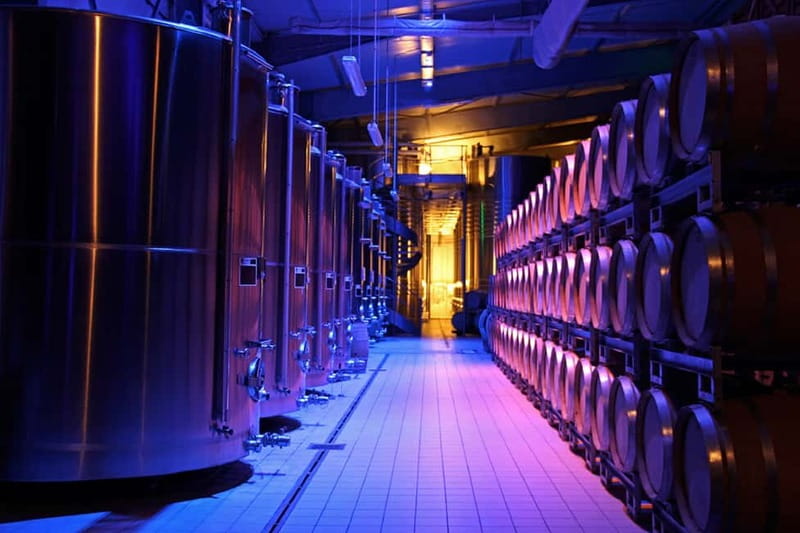
- A production tour you can actually follow—from vine-grower pressing to the current vat house setup
- English or French guiding with time for questions—many guests mention guides like Clémentine, Katja, and Fanny
- The chocolate-and-Champagne pairing is the star of the finish—three pours, three bites
- Not a huge factory-circuit—more personal, with a relaxed end-of-tour tasting flow
Passy-Grigny and Champagne DOM CAUDRON: What makes this tour feel special
If you’re tired of the big, scripted Champagne factories, this is a smart alternative. The experience centers on Champagne DOM CAUDRON in Passy-Grigny, a village in the Marne Valley, and that local focus changes the mood.
The backstory is worth knowing before you arrive. This Champagne house traces its roots to Passy-Grigny and to Aimé Caudron, a priest with a vision for bringing village winemakers together. In 1929, the house story links that collaboration to the development that’s associated with the Meunier grape—an idea that helps you understand why “local” matters in Champagne.
You also get something practical out of the storytelling. It sets up the tour so the production steps make sense, not just as a sequence of machines, but as choices made in a specific place with specific grapes.
You can also read our reviews of more food & drink experiences in Passy Grigny
Your 90 minutes: how the flow works (and where to pay attention)
The full experience runs about 90 minutes. The guided portion is listed at 75 minutes, with tastings at the end, so it’s short enough to fit into a day without draining you.
You’ll start either at CHAMPAGNE DOM CAUDRON (10 Rue Jean York) or in Passy-Grigny, depending on the option you book. Either way, the experience finishes back at the 10 Rue Jean York address.
Here’s how I’d mentally map the timing:
- Early part: you’re learning the Champagne process and touring the working areas
- End part: you shift into tasting mode, pairing three Champagnes with three chocolates
That structure is a big part of the value. You don’t get an hour of theory and then a token sip. The explanation and the tasting land close together.
The behind-the-scenes Champagne-making tour: what you actually see
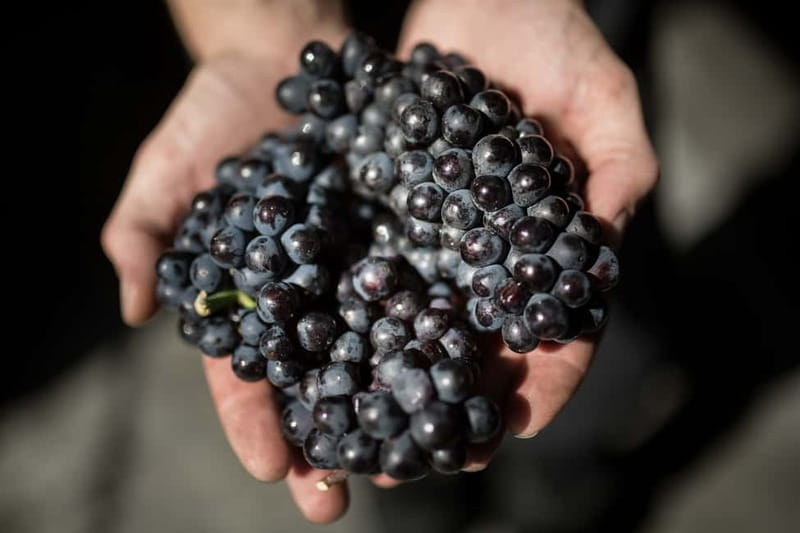
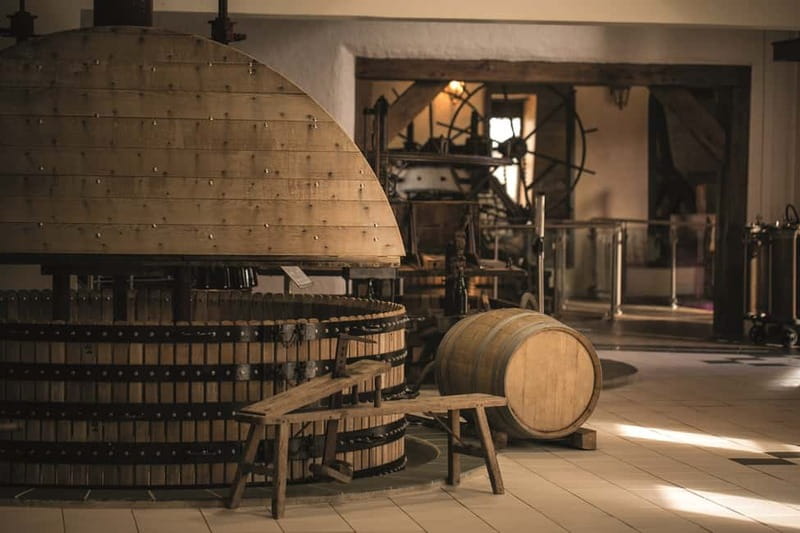
The tour is built around a classic Champagne journey, but presented so novices can follow. You start with what’s described as a vine-grower first press, then move through to the current production setup, including the modern vat house.
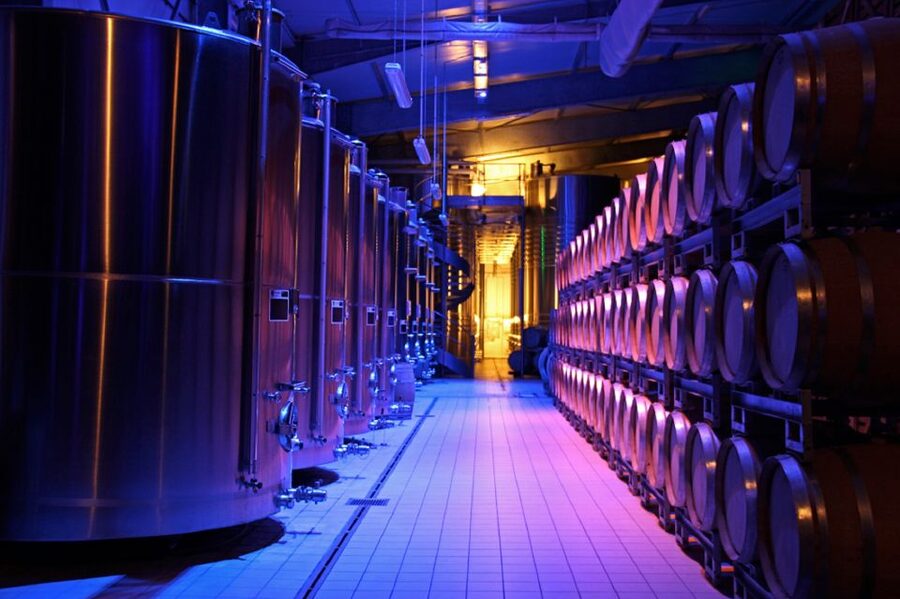
That’s important if your goal is understanding, not just sightseeing. The vat house is where fermentation and holding steps happen, and seeing it helps you connect what you taste later with what you saw earlier.
Many guests highlight that the guide keeps things lively and answers questions. In multiple comments, guides like Clémentine, Katja, and Fanny get praised for making the walk feel welcoming and for explaining the process without hand-waving.
One extra layer you might notice: there’s also a short video/documentary-style presentation during the tour. If you’re picky about tech polish, one person mentioned that the video could feel a bit old. Still, it can be useful if you want a quick visual “map” while you’re walking.
The tasting part: three Champagnes with three chocolates
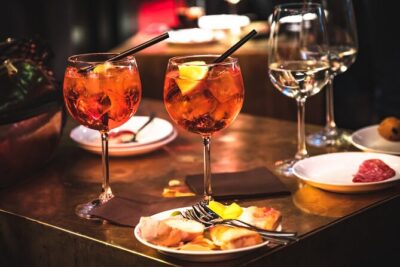
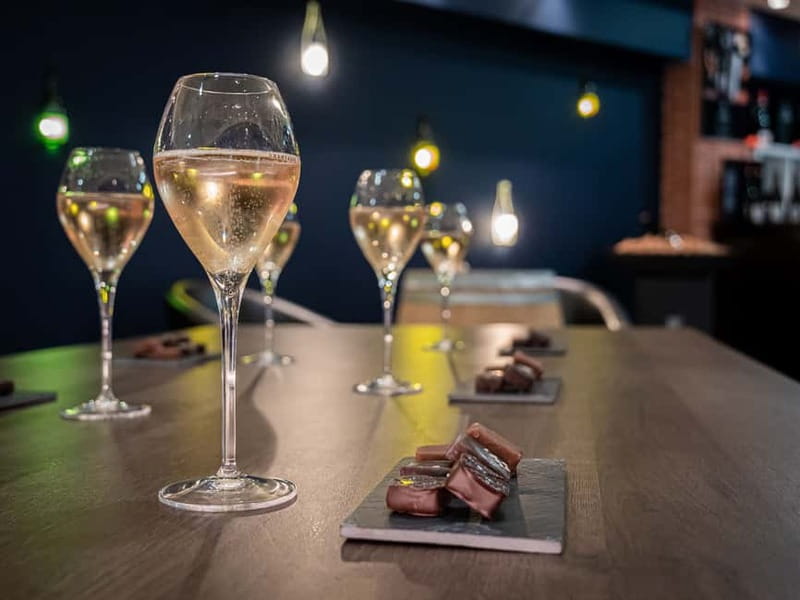
The final experience is the pairing. You taste three different Champagnes alongside three chocolates, and the intent is simple: help you notice how texture, sweetness, and flavor change what you perceive in the wine.
This is where the tour earns its keep. Champagne can be intimidating because it’s nuanced, but chocolate gives you a handle. Chocolate often brings sweetness, cocoa bitterness, and a creamy mouthfeel—so you can start picking up contrasts and harmonies without needing a wine textbook.
A few practical tips for getting more out of the tasting:
- Take notes for only one thing per pour (for example, acidity, fruitiness, or how it finishes)
- Smell first, sip second, then take one bite of chocolate and compare
- If you’re sharing, try each pairing briefly before deciding which chocolate you like with which Champagne
You’ll likely feel a “click” when you realize the pairing isn’t random. It’s designed to help you link what you learned about Champagne production to how it tastes in your glass.
Also, if you’re coming with kids, the experience is set up to be family-friendly. One review mentions a child was offered juice during the tour, which suggests they don’t ignore non-drinkers.
Learning about Meunier and Champagne production without the lecture vibe
There’s a reason this tour is appealing even if you don’t consider yourself a Champagne person. The route ties together origin, grapes, and production in a way that feels chronological.
The local roots matter because they explain why Champagne is not one generic product. When the story references Aimé Caudron and the village winemakers gathered in 1929—especially in relation to the Meunier grape—it gives context for a blend that you’ll often hear about but rarely understand on a first pass.
And then you see how it becomes something real: pressing, fermentation steps associated with the vat house, and the path from raw materials to bottles. You don’t need any special background. You just need curiosity and a willingness to taste.
If you love learning by doing, this fits. You walk, you listen, you see, and you taste in the same visit.
Price and value: does $32 make sense?
At about $32 per person for a 90-minute guided experience with three Champagne tastings and three chocolate tastings, the pricing looks fair for the product and time involved.
This isn’t just a paid pour at the end. You’re paying for:
- A guided tour through the production areas (about 75 minutes)
- Multiple tastings, paired intentionally
- A local setting in Passy-Grigny rather than a high-volume, one-size-fits-all stop
Several guests directly call out the value for money, and you can see why. You get the kind of tasting people usually pay more for, plus the context that helps you understand what you’re tasting.
That said, it’s still a paid tasting experience. If you’re hoping for a free, wander-around Champagne “museum,” this isn’t that. It’s a structured tour with a strong focus on production and tasting.
Logistics in the Marne Valley: how to get there without headaches
The biggest practical issue is location. Passy-Grigny is in the Marne Valley countryside, and one person specifically warned that public transportation may not be convenient, mentioning that ride-hail services like Uber/Bolt might be alternatives.
So here’s my advice: if you’re driving, it gets easier fast. If you’re not driving, confirm how you’ll reach 10 Rue Jean York based on the starting option you select, because the meeting point can vary.
Also, give yourself a little buffer before the start time. This is the kind of tour where you’ll want to arrive ready to walk and listen, not rushing through the last minutes.
Who this tour is best for (and who might want something else)
This tour is a great match if you want a compact Champagne experience with real explanation and a fun finish.
You’ll likely be happiest here if you:
- Like Champagne but want the “how” behind it
- Want a short tour that doesn’t eat your whole afternoon
- Enjoy pairing experiences, especially chocolate plus wine
- Travel with teenagers or families, since the atmosphere is friendly and kid-friendly elements show up (like juice for children)
You might consider a different type of visit if:
- You want a heavier historical, cathedral-like Champagne lecture. One review compared it to tours that focus more on production than history.
- You’re the type who becomes annoyed by any video or short presentation segments, since there is one built into the flow.
Booking and planning tips that matter
A couple of details help you plan calmly. The experience offers free cancellation up to 24 hours in advance, and there’s a reserve now, pay later option so you can keep flexibility if your schedule is fluid.
Language is listed as English or French, and reviews strongly suggest the English option works well for people who want explanation without guessing.
Finally, check the meeting point for your exact booking option. It may start at the Champagne house address (10 Rue Jean York) or in Passy-Grigny, but it ends back at the house address.
Should you book the Passy-Grigny Chocolate and Champagne Tour?
Yes—book it if you want a 90-minute production-focused Champagne tour that ends with a serious, paired tasting. For the price, the mix of guided walking and three Champagne pours plus three chocolates is a strong deal.
I’d especially book it if you’re the sort of traveler who likes hands-on learning: you see pressing and modern production areas, then you taste with the explanation still fresh in your head.
If your priority is deep history over production, you might feel less satisfied than with other Champagne tours. But for most people looking for a practical, fun, not-too-long Champagne afternoon in the Marne Valley, this one makes a lot of sense.
FAQ
How long is the Passy-Grigny chocolate and Champagne tour?
The experience is listed at 90 minutes total, with a guided portion of about 75 minutes.
What languages are available for the tour?
The tour is offered in English or French.
What do I taste during the tour?
You’ll taste 3 different Champagnes paired with 3 chocolates.
Where is the meeting point?
The meeting point can vary depending on the option booked. One stated option is CHAMPAGNE DOM CAUDRON, 10 Rue Jean York.
Is this tour wheelchair accessible?
Yes, the activity is listed as wheelchair accessible.
Can I cancel or pay later?
You can cancel up to 24 hours in advance for a full refund, and there’s a reserve-now and pay-later option.