REVIEW · PHUKET
Phuket: Southern Flavours Food Tour with 15+ Tastings
Book on GetYourGuide →Operated by A Chef's Tour · Bookable on GetYourGuide
Follow your nose through Phuket Old Town. This 4-hour morning walking tour starts at Ranong Main Market and feeds you with 15+ tastings of Southern Thai street food, plus regional flavors you won’t easily find on your own. I also like the small group size (up to 8), because it keeps the pace relaxed and makes it easier to ask questions as you’re eating.
The one drawback to plan around: if you have strict dietary needs, this isn’t a one-size-fits-all option. Vegan food isn’t catered for, and serious allergies (especially shellfish and peanuts) need extra caution because street food involves shared kitchens and traces.
In This Review
- Key Things I’d Prioritize Before You Go
- Starting at Ranong Main Market: your food tour warm-up
- Why Phuket Old Town tastes so good on foot
- Curry, roti, and Hokkien noodles: the Southern Thai core
- Spring rolls with cured pork and tamarind: sweet-sour bite
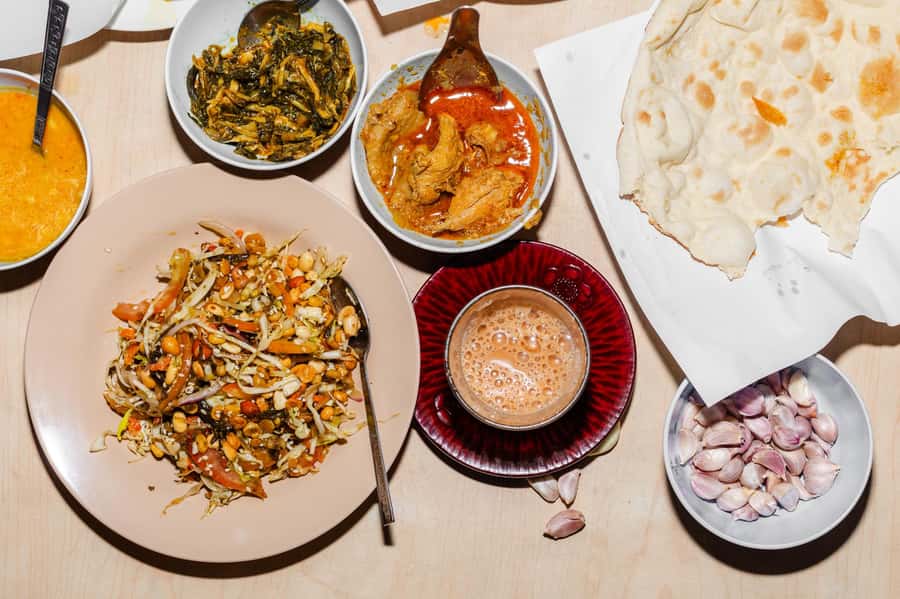
- Burmese tea house treats: curries, tea leaf salad, and samosas
- An antique shophouse iced dessert: royal Thai influence, street style
- Who you’ll likely eat with: guides like Cat, Lucky, Tom, Gigi, and Nam
- Timing and walking pace: making 4 hours feel manageable
- Price and value: why $64 can feel like a bargain
- Dietary limits: what you can do and what you should skip
- Who should book, and who should choose another tour
- Should you book this Phuket Southern Flavours Food Tour?
- FAQ
- How long is the Phuket Southern Flavours Food Tour?
- Where do I meet the guide for this tour?
- How many tastings are included?
- Is the tour vegetarian-friendly?
- Is it suitable for vegans?
- Can celiac or gluten-intolerant guests join?
- Is it safe for people with shellfish or peanut allergies?
- What’s included in the ticket price?
- Is hotel pickup and drop-off included?
Key Things I’d Prioritize Before You Go
- 15+ tastings across about 5–6 stops means you sample, not just nibble
- Old Town Phuket walking is part food, part place—colorful streets and local rhythms
- Variety that actually makes sense: Southern Thai classics plus Burmese influences
- Wood-fired naan and Burmese tea house snacks add a different side of Phuket
- Small group setup (max 8) keeps the tour personal, even at busy market time
Starting at Ranong Main Market: your food tour warm-up
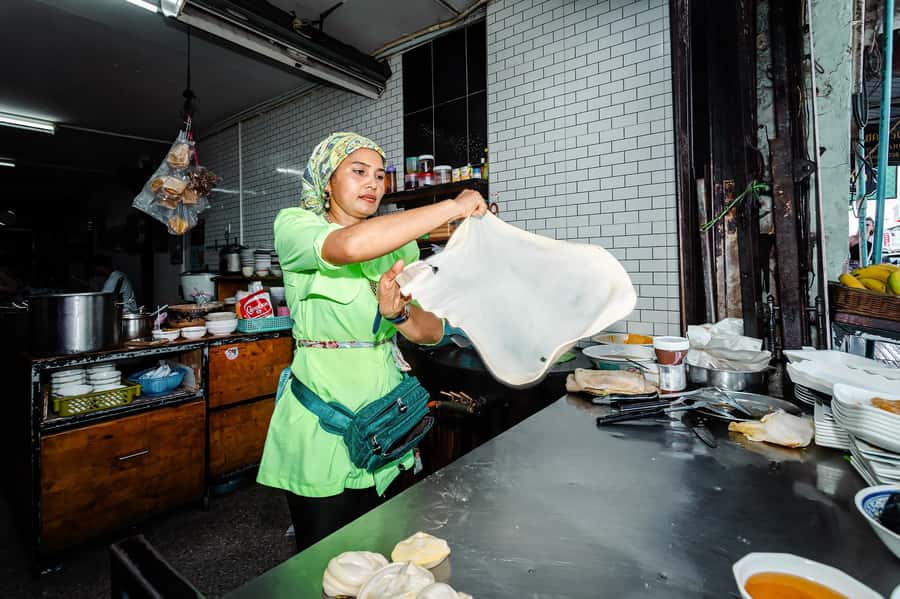
Your tour begins outside Ranong Main Market in Phuket Old Town. The guide meets you on the steps outside the front of the market, and you’ll start by getting your bearings right where locals do food shopping and snack stops. If you’re coming from outside the Old Town area, using Grab or Bolt is the easiest bet, and local buses often drop you close to the same spot.
For me, the biggest value of starting at the market is that it sets the tone. You’re not just walking to restaurants and ordering off menus. You’re learning how Phuket’s food shows up in everyday life—fast bites, shared tables, and the casual way people move between stalls and shops.
Also, come ready to walk. You’ll be on your feet for the whole 4 hours, and Phuket weather can change quickly. Wear comfortable shoes and bring an umbrella if rain is even a remote possibility.
You can also read our reviews of more food & drink experiences in Phuket
Why Phuket Old Town tastes so good on foot
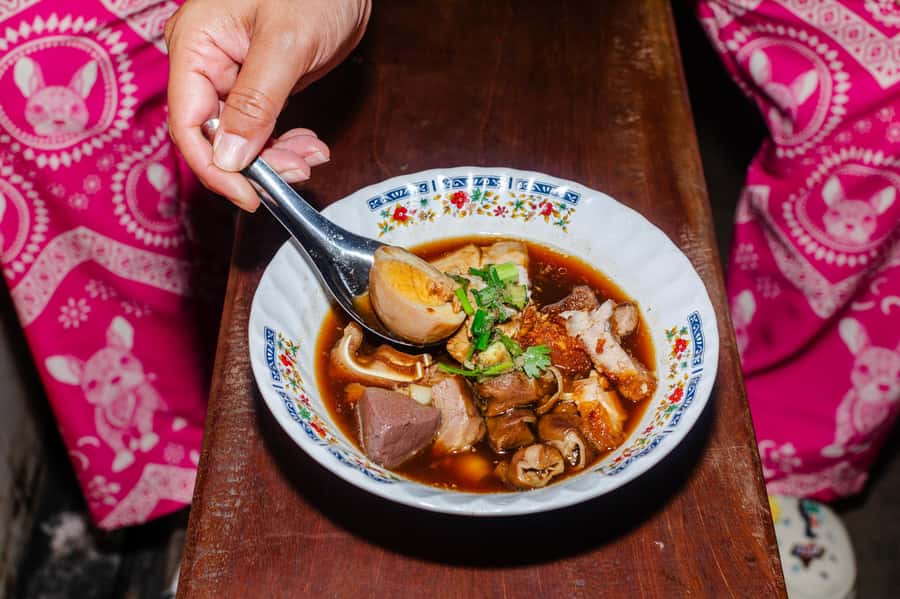
Phuket Old Town is where you see the layers of the island’s food culture. You’ll be sampling dishes shaped by Southern Thai traditions, plus neighbors that influenced the region. That matters because a food tour is more fun when the story matches the flavor.
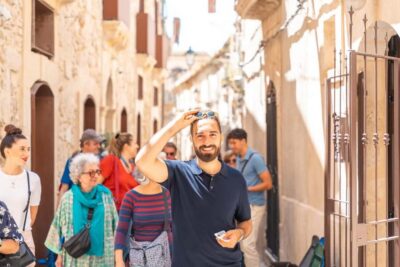
You’ll walk through colorful streets while your guide explains what you’re eating and why it’s made the way it is. Based on how guides run the experience, expect lots of dish-to-history connections: how curries are built, why noodles vary by style, and how the Burmese and Thai communities left marks on Phuket menus.
And the best part is the pacing. Since you’re sampling many dishes in smaller portions, you’ll get momentum early. Most people end the tour very full, which usually means you’re set up to skip a heavy dinner later.
Curry, roti, and Hokkien noodles: the Southern Thai core
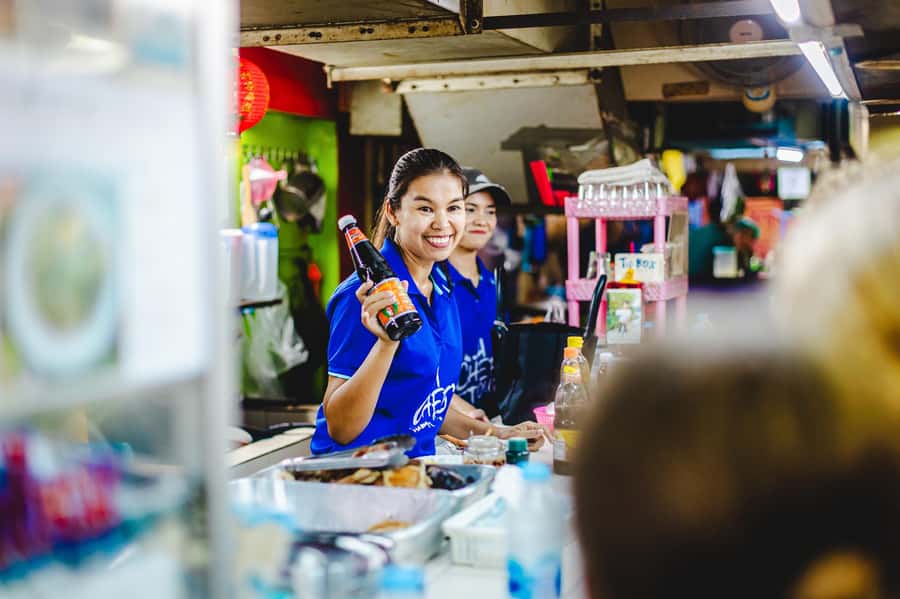
A big reason this tour has so many repeat fans is how it anchors you with classic Southern Thai flavors, then expands outward.
One highlighted stop includes flaky roti dipped in massaman curry. This combo is perfect for understanding Phuket-style eating. Massaman tends to be comforting and gently spiced, and the roti acts like a sponge for the sauce—so you can taste the curry deeply without needing a full plated meal.
Later, you’ll try a bowl of Hokkien noodles from a small family-run spot. Noodles are one of those Phuket signals: the island’s food isn’t only about one cuisine. You’ll start to notice how noodle broth styles, toppings, and cooking methods shift depending on which community influenced the kitchen. In some versions of the tour, you might even hear the dish described with a local noodle name like kuay jab, which hints at how these classics keep their identity even when they’re adapted.
What I like about this sequence is that it avoids random “try something” stops. You’re tasting within a theme—Southern Thai comfort food—then adding regional surprises so your brain can actually compare flavors.
Spring rolls with cured pork and tamarind: sweet-sour bite
Some food tours stick to either Thai or either street snacks. This one includes a very Phuket-specific sweet-sour moment: fresh spring rolls filled with cured pork and topped with tamarind sauce.
Spring rolls sound simple until you eat them back-to-back with the curry and noodle flavors. Tamarind changes the whole mood. It adds a tang that cuts through salty filling, and it makes the bite feel lighter even when you’re already eating a lot. It’s also the kind of dish you might not order on your own because it looks like a “snack” until you try it next to everything else.
Practical note: because you’re eating a series of tastings, the spring rolls can be a spot where you’ll want to slow down and actually taste the sauce. Don’t rush—this is where the tour’s variety becomes obvious.
Burmese tea house treats: curries, tea leaf salad, and samosas
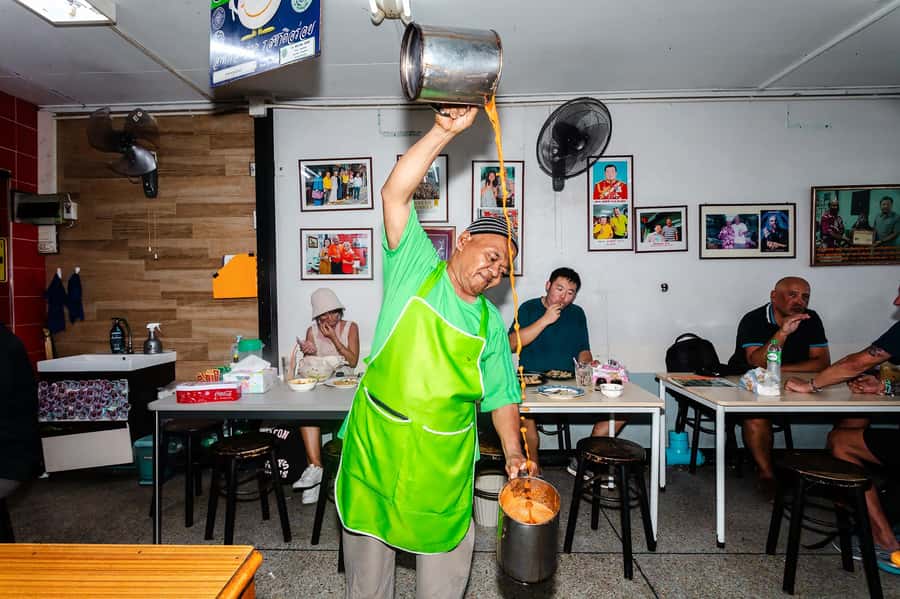
One of the most memorable segments is a hidden teashop serving the Burmese community. This is where the tour widens beyond Southern Thai classics and turns into a true regional food experience.
You can expect Burmese curries, plus tea leaf salad and crispy samosas. The flavors tend to feel different from Thai street food in both texture and balance, so it’s a nice reset after curry-and-noodle heaviness. It’s also a reminder that Phuket’s food scene has never been isolated.
There’s another detail that makes this stop stand out in a practical way: naan baked on a roof wood-fired oven. If you’ve had naan that tastes flat or overly uniform, this style is the opposite. Wood-fired heat gives it a stronger aroma and a more distinct bite.
And yes, you’ll also wash it down with local tea, which is a clever move on a walking tour. It keeps your stomach settled while still letting the next tasting hit properly.
An antique shophouse iced dessert: royal Thai influence, street style
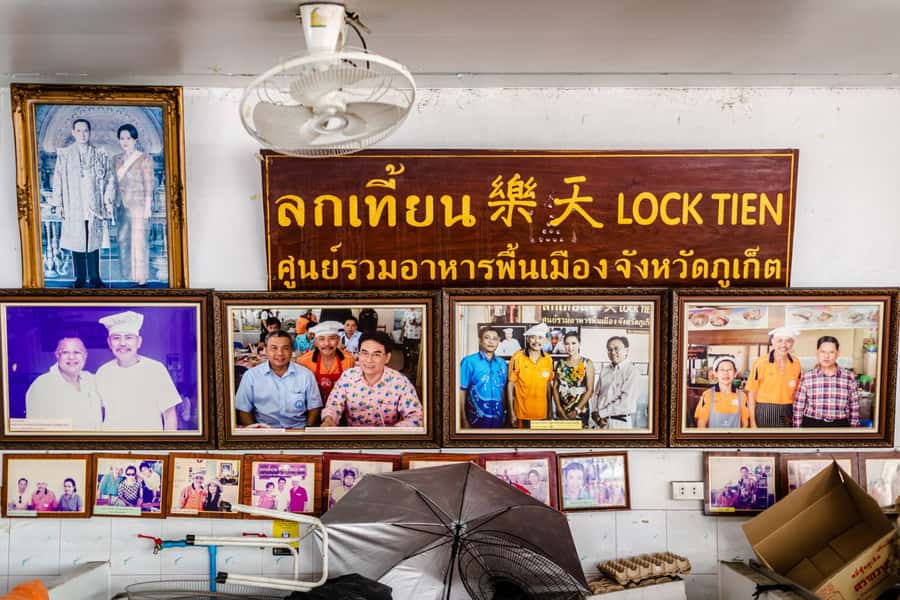
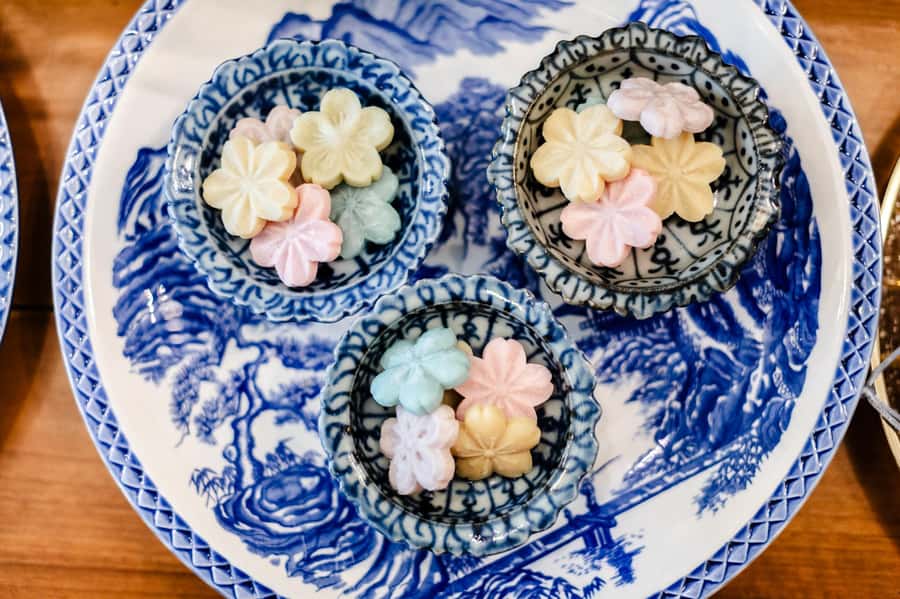
Finish strong with a sweet stop in an antique shophouse. The tour includes a Phuketian-style iced dessert, served with enough context to connect today’s flavors to older royal Thai influence.
This is one of those moments where food tours can go generic, but this one has the right angle: the dessert isn’t just sugar. You’re learning how royal cuisine ideas show up in island versions of sweets and how Thai culinary culture has adapted over centuries.
It’s also the right timing. By the time you reach dessert, you’re usually at the point where you think you’re done eating—then the last bite hits and you realize you still have room. That’s part of the design of a 15+ tasting route: you end full, not stuffed into regret.
Who you’ll likely eat with: guides like Cat, Lucky, Tom, Gigi, and Nam
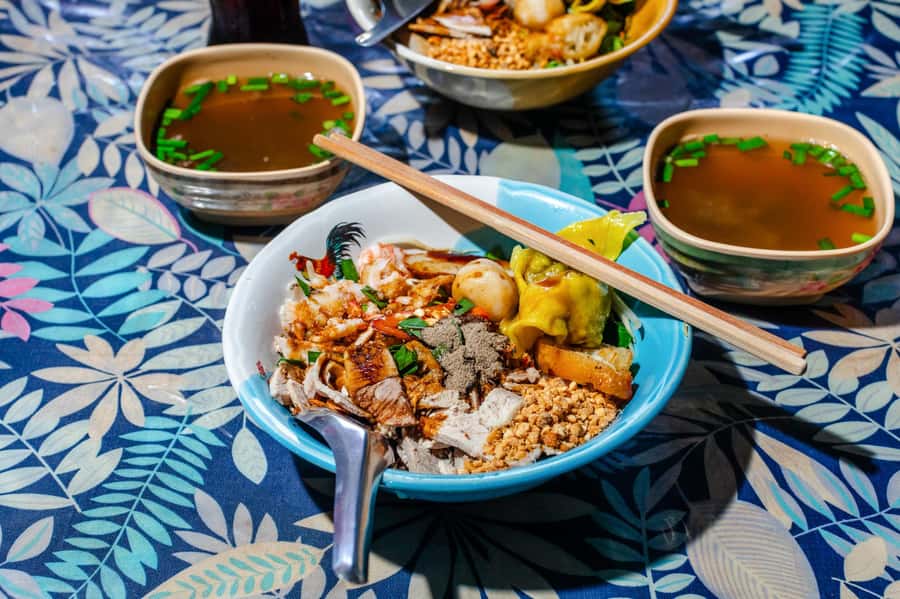
A Chef’s Tour runs this experience, and the guide can vary by date. From recent guide names, you might find Cat, Tom, Lucky, Gigi, or Nam leading the way. What stays consistent is the guide role: they’re not just pointing at food, they’re explaining how the dishes work and why locals eat them the way they do.
In the most satisfying tours, you get both sides: the street-level practical info and the cultural storytelling that makes you remember what you tasted. Many people also mention that guides keep things relaxed and fun, which matters because you’re eating constantly for 4 hours. If the tour feels like a lecture, you’ll lose your appetite. If it feels like a friendly food walk, you keep enjoying each stop.
Timing and walking pace: making 4 hours feel manageable
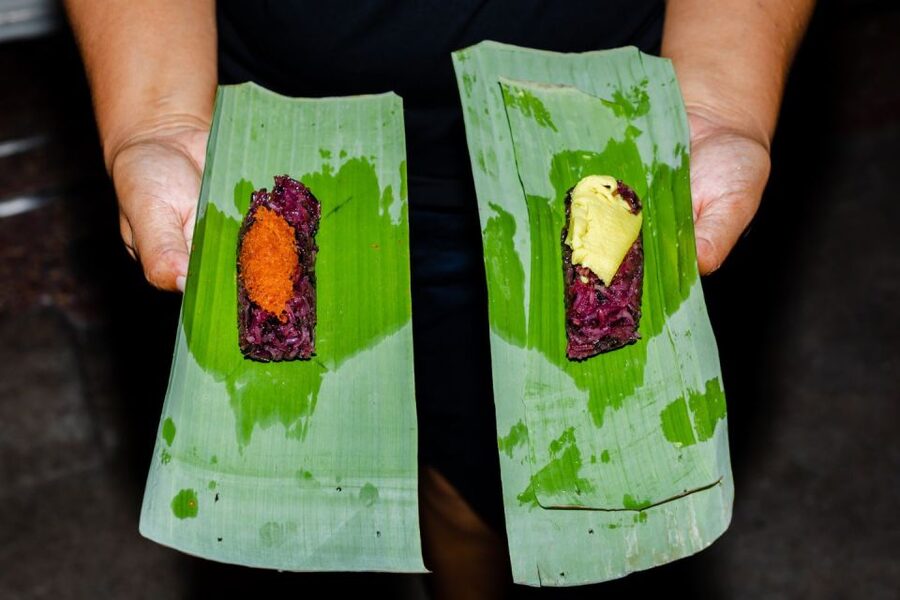
This is a 4-hour tour with 5–6 stops and 15+ tastings, so don’t expect huge restaurant plates. It’s more like snack-sized portions stacked into a full meal. That also means you should plan your morning around it.
There are multiple starting times. The regular run is at 10:00am, and sometimes there’s a 12:30pm option. One key detail: the 12:30pm tour may not go inside the market because it closes, but you’ll get a replacement dish instead.
Transportation-wise, expect you might be using taxis to get there and back, especially if you’re staying far from Old Town. The good news: the meeting point is easy to find in Phuket Old Town, and the tour is set up so you don’t need hotel pickup.
And if you’re worried about traffic or being late, it helps to know the meeting plan ahead of time. Some guides share meeting details in advance, including how busy traffic can get.
Price and value: why $64 can feel like a bargain
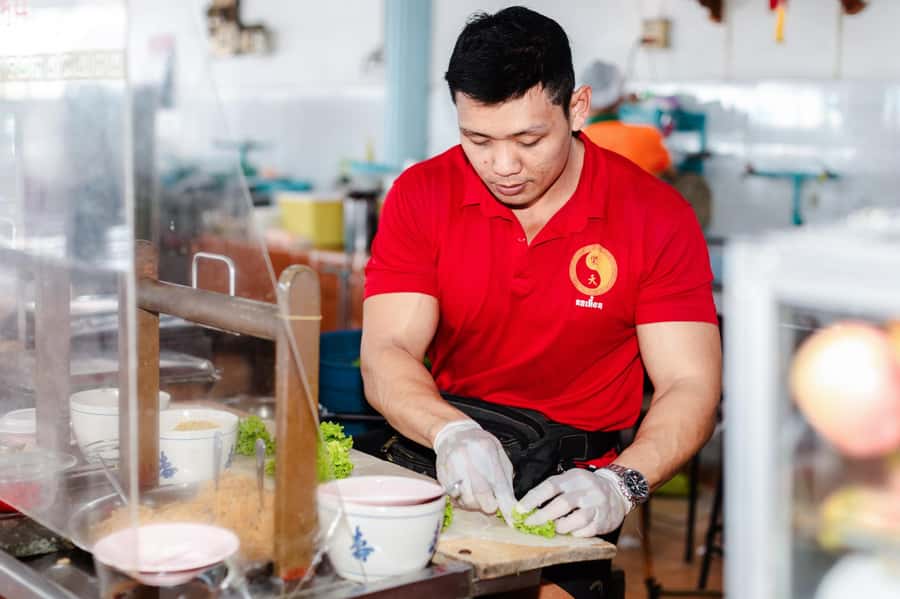
At $64 per person for 4 hours, the math is mainly about food volume and selection. You’re not paying for one meal. You’re paying for a guided route that strings together 15+ tastings across multiple local spots, including a Burmese tea house and a dessert stop in an antique shop setting.
In practice, this often beats the cost of piecing it together on your own, because:
- you don’t waste time hunting for the right stall
- portions are designed for tasting, not ordering full dishes
- you get the cultural context that helps you choose what to eat again later
Most importantly, this tour tends to leave you full enough that a later dinner is hard to justify. If you’re doing other food experiences after this, plan lighter choices—or save your appetite for seafood night or a casual pad thai stop later.
Dietary limits: what you can do and what you should skip
If you have dietary needs, read this part carefully and plan early.
- Vegans: not suitable.
- Vegetarian: possible, but you may get 2–3 fewer tastings since some stops have limited alternatives.
- Celiac or strict gluten needs: not advised for celiac guests because soy sauce appears in some dishes.
- Mild gluten intolerance: you might be okay, but you still have to be cautious.
- Shellfish and peanut allergies: not suitable for severe allergies due to risk of traces and cross-contact.
This is the reality of street food. Even when a kitchen tries to help, you can’t always control ingredients at every stop. If you’re traveling with any serious allergy, I’d treat this tour as a “no” unless the provider can confirm a safe plan for your specific needs.
Who should book, and who should choose another tour
This tour is a great fit if you:
- want Southern Thai street food plus regional connections
- like tasting many dishes rather than ordering one big meal
- prefer a small group walking format where you can ask questions
- want a guided way to discover Old Town Phuket without guessing which stall is worth it
It’s less ideal if you:
- are strictly vegan
- need a fully celiac-safe menu
- have severe shellfish or peanut allergies
If you fall into any of those categories, you’ll probably get more peace of mind with a different style of tour that can guarantee safer ingredient control.
Also, if you’d rather not do a morning walk, there’s an evening alternative called Baba Tastes. That can be a smart move if you’re dealing with beach plans or late mornings.
Should you book this Phuket Southern Flavours Food Tour?
I’d book it if your main goal is to eat your way through Phuket Old Town with lots of tastings, guided context, and a route designed for people who want variety without spending your whole day searching. The 15+ tastings, up to 8 people, and repeatable structure make it feel like better-than-random value.
I’d think twice if your diet is complex or your allergies are severe. In that case, you might do better with a tour built for ingredient control, not one based on street-food stops.
If you’re on the fence, a simple strategy helps: go hungry, wear good walking shoes, and message your needs clearly when booking. This tour works best when you let it feed you first, then use what you learn to order smarter on the rest of your trip.
FAQ
How long is the Phuket Southern Flavours Food Tour?
It runs for 4 hours.
Where do I meet the guide for this tour?
You meet at Ranong Main Market in Phuket Old Town. The guide waits on the steps outside the front of the market.
How many tastings are included?
You’ll get 15+ food tastings during the tour.
Is the tour vegetarian-friendly?
Vegetarian options are supported, but you should expect you may receive 2–3 fewer tastings than the full set at some stops.
Is it suitable for vegans?
No, the tour is not suitable for vegans.
Can celiac or gluten-intolerant guests join?
Mild gluten intolerance may be okay, but it’s not advised for celiac guests because some dishes include soy sauce.
Is it safe for people with shellfish or peanut allergies?
The tour is not suitable for severe shellfish and peanut allergies due to risk of traces and cross-contamination.
What’s included in the ticket price?
The price includes the guide, 15+ food tastings, and bottled water plus local soft drinks.
Is hotel pickup and drop-off included?
No, hotel pickup and drop-off are not included.