REVIEW · PORTO
Porto Experience: History, Culture and Tasting Tour
Book on GetYourGuide →Operated by InsighTours · Bookable on GetYourGuide
Porto begins with stone, then sugar. This 3-hour guided loop covers Sé do Porto and the Bishop’s Palace basics, then turns the trip into something you can actually taste. I like how the stops feel purposeful, not random, and I also like the included local tasting that keeps the tour from being all facts and no flavor.
Your main trade-off is time. You’ll spend a chunk inside MMIPO Museu da Misericórdia do Porto, so if museums drain your energy, you might want the optional longer city walk to balance it with more street time.
The upside is the human touch. In past runs, guides like Rui and Arthur have been especially warm and responsive, and even the tighter, more structured parts of the tour can feel easy to follow when you can ask questions on the spot.
In This Review
- Key Things to Know Before You Go
- From Catedral Hill to Tasting: Why This Porto Tour Works
- The Starting Point: Terreiro da Sé and Sé do Porto
- Paço Episcopal: What the Cathedral’s Nearby Palace Adds
- Rua das Flores: Where the Tour Slows to Let You Look
- São Bento Station Azulejos: Portugal’s Tile Art as a Story
- MMIPO Museu da Misericórdia do Porto: Charity History Through Art
- When the Museum Is a Perfect Fit (and When It Isn’t)
- The Food Tasting Block: Typical Delicacies and Drinks
- A Small Tip
- Optional 4-Hour Add-On: Porto City Hall, Clérigos, and the Old Jail
- Avenida dos Aliados and the City Hall Moment
- Clérigos Church: Decoration You Can Actually Appreciate
- Portuguese Center of Photography: A Stop for Modern Culture
- Miradouro da Vitória: The View That Makes Porto Feel Like Porto
- Price and Value: Is $53 a Fair Deal for 3 Hours?
- Who This Tour Suits Best
- The Guide Factor: When the Tour Feels Personal
- Small Logistics That Affect Your Enjoyment
- Should You Book This Porto History and Tasting Tour?
- FAQ
- How long is the Porto Experience: History, Culture and Tasting Tour?
- Where does the tour start?
- Where does the tour end?
- What is included in the price?
- Is there an option to extend the tour?
- Is the tour good for first-time visitors to Porto?
- What sights are covered besides the cathedral and museum?
- What languages are offered?
- Is there a skip-the-line or express security option?
- Can I cancel for a full refund?
Key Things to Know Before You Go
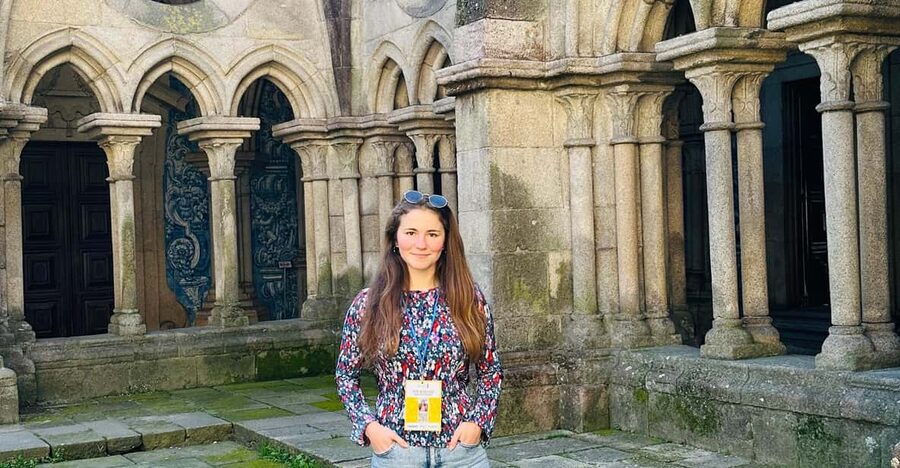
- Sé do Porto + Paço Episcopal: the start of Porto’s story on Catedral Hill
- São Bento Station azulejos: guided viewing of Portugal’s famous tile art
- MMIPO (Misericórdia Museum): charity history shown through art and local context
- A real local food stop: typical delicacies plus drinks during the tasting window
- City-center highlights if you add time: Avenida dos Aliados, Clérigos Church, and Miradouro da Vitória
From Catedral Hill to Tasting: Why This Porto Tour Works
Porto can be a “keep walking and hope it clicks” kind of city. This tour avoids that problem by using medieval landmarks as your backbone, then rewarding you with art and food along the way. You end up with a clear mental map: where Porto started, how it grew, and what people valued enough to protect in buildings, art, and traditions.
I also appreciate that the plan doesn’t treat Porto like a checklist. You see major sights, yes, but the guidance connects them: cathedral power and church influence, then how Porto’s civic life shows up at places like Avenida dos Aliados and viewpoints later.
You can also read our reviews of more food & drink experiences in Porto



The Starting Point: Terreiro da Sé and Sé do Porto
You begin at Terreiro da Sé, in the area that feels like Porto’s old spine. The guide meets you next to the pillar in front of the cathedral, identifiable by the company tag and a white umbrella—easy to spot once you’re looking for the landmark.
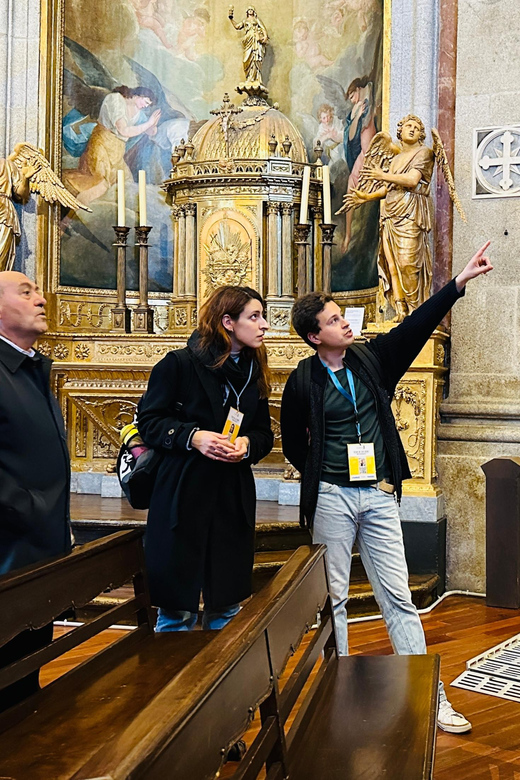
The first stop is Sé do Porto itself, with a guided visit of about 40 minutes. This is the moment the tour gets real: you’re not just looking at stone, you’re learning why this hilltop mattered in the city’s early life and power structure.
Paço Episcopal: What the Cathedral’s Nearby Palace Adds
Right after the cathedral, you visit Paço Episcopal, Porto for around 20 minutes. This helps you understand the cathedral complex as more than a church building. It turns the area into a whole system—religion, authority, and daily influence—rather than a single pretty facade.
If you’ve only ever seen cathedrals from the outside, this part can change how you read them. You’ll start noticing how buildings are positioned and why certain spaces were designed for control, ceremony, and visibility.
Rua das Flores: Where the Tour Slows to Let You Look
After the cathedral zone, you walk through Rua das Flores for about 15 minutes. It’s a short stretch, but that’s exactly the point: you get artisan-shop energy without it turning into a random shopping detour.
Then you continue along Rua de Sant’ Ana for about 20 minutes of sightseeing and strolling. This section is where you can catch street texture—how locals move through the old parts of town—before the tour hits indoor, guided-heavy stops again.
São Bento Station Azulejos: Portugal’s Tile Art as a Story
Next up is São Bento Station, and yes, it deserves a guided look. You spend about 15 minutes here with a guide, focusing on the tile artwork that has made the station famous.
What I like about this stop is that it gives you a “quick win” cultural moment. You don’t need a deep art background to understand what you’re seeing, because the guide’s framing helps you notice scenes and themes in a way that feels organized.
This is also a good pause in the schedule. The tour keeps moving, but you’re not racing—15 minutes is enough to enjoy the azulejos without feeling trapped in a long detour.





MMIPO Museu da Misericórdia do Porto: Charity History Through Art
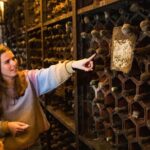
The biggest museum block is MMIPO, with about 40 minutes for a guided visit. MMIPO Museu da Misericórdia do Porto is all about Porto’s legacy of charity and how that mission connected to the arts and civic life.
I like this stop because it adds a different angle on Portuguese history. Most city tours focus on rulers and wars. This one helps you see how institutions shaped everyday life—who got help, how communities organized support, and how art carried meaning inside those walls.
When the Museum Is a Perfect Fit (and When It Isn’t)
If you enjoy buildings that hold social stories—rules, rituals, and records—MMIPO will feel worthwhile. If you prefer street scenes and quick photo stops, it may feel like the most “stuck in place” part of the tour, since the schedule gives it a solid chunk of time.
A smart move if you’re museum-sensitive: ask your guide for one or two specific things to look for before you enter. That way you’re not passively receiving information—you’re spotting it.
The Food Tasting Block: Typical Delicacies and Drinks
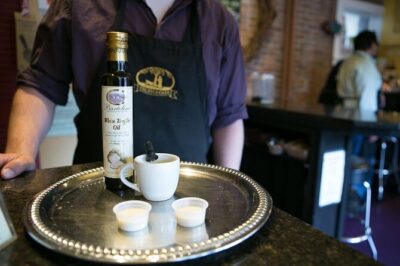
This tour includes a tasting moment—about 30 minutes—plus drinks. It’s described as typical local delicacies, and that included component matters when you’re trying to judge value.
At $53 for a 3-hour guided experience with guided visits and tickets at key stops, the tasting is doing more than feeding you. It’s the part that turns “information” into memory. When the tour finishes, you’re not only thinking about architecture—you’re thinking about flavors that match what you just saw.
A Small Tip
Come with a light appetite. You don’t need to skip breakfast, but you’ll enjoy the tasting more if you’re not already full from a heavy meal right before the start.
Optional 4-Hour Add-On: Porto City Hall, Clérigos, and the Old Jail
If you choose the longer option, you continue into the more famous city-center landmarks. The add-on route includes Avenida dos Aliados, Clérigos Church, the Portuguese Center of Photography, plus stops connected to the old court and jail area—ending at Miradouro da Vitória for photos and sweeping views.
Avenida dos Aliados and the City Hall Moment
Avenida dos Aliados is the Porto main boulevard vibe—wide, visible, and designed for civic presence. You spend about 15 minutes sightseeing here, including a look at Porto City Hall.
This part helps you connect the medieval story you started with to a city that became confident and public-facing. You’re seeing how power shifted from church-led beginnings to civic spaces people could gather around.
Clérigos Church: Decoration You Can Actually Appreciate
Clérigos Church is next, with sightseeing and a short walk time (about 15 minutes). Even in a brief visit window, this church works because the guide steers you toward what to notice, so it doesn’t turn into visual overload.
If you like architecture that looks theatrical up close, this is one of those stops where your eyes start finding details faster once the guide gives you the right framing.
Portuguese Center of Photography: A Stop for Modern Culture
You’ll also pass the Portuguese Center of Photography for about 15 minutes. That quick stop brings a modern art thread into the route, so the tour doesn’t become exclusively medieval.
It’s not a long gallery immersion, but it’s enough to keep the city feeling current—especially if you already know you’ll spend other time in Porto’s neighborhoods outside the tour.
Miradouro da Vitória: The View That Makes Porto Feel Like Porto
The add-on option ends at Miradouro da Vitória, with about 15 minutes for a photo stop and sightseeing. This viewpoint is one of those “everything clicks” finishers.
You’re high enough to understand how the city spreads, and you’re positioned to see the rooftops and river unfold in one glance. After walking through cathedrals, streets, and institutions, the view pulls it all together.
Price and Value: Is $53 a Fair Deal for 3 Hours?
$53 per person can sound like either a steal or a lot, depending on what’s included. Here’s the key: the tour includes tickets and guided visits for the main attractions (Sé do Porto, the Episcopal Palace, and MMIPO), plus typical tastings and drinks.
So you’re not paying for a “walk and good luck” experience. You’re paying for guided access and interpretation at several high-interest points in a short time window, with a professional guide handling the story.
In practical terms, it’s a good value for first-timers who want structure and context more than solo wandering. It’s also a good value if you know you’ll otherwise spend time figuring out where to start and what matters most in each area.
Who This Tour Suits Best
This fits you if you:
- want a guided Porto intro that covers medieval to modern city themes
- like history explained in real places, not in an abstract lecture
- want included food tasting instead of hunting it down on your own
It might not fit you as well if you:
- hate museums and would rather spend the time walking
- prefer very long stays at each attraction (this tour is timed, with focused windows)
The Guide Factor: When the Tour Feels Personal
Your experience quality depends on your guide, and that’s true of every guided tour. In standout past runs, guides such as Rui and Arthur have been praised for being enthusiastic, attentive, and quick to answer questions, which matters when the group gets into the “why does this matter” part of Porto history.
Another name that has shown up in positive experiences is Damiano, with special praise connected to the tasting experience. Olexandra also appears in feedback for strong performance that paired city coverage with clear storytelling.
If you want the best version of this tour, bring questions. Ask simple ones like what changed in Porto over time, or why this building exists next to that one. When the guide has a chance to respond, the tour starts to feel like a conversation, not a schedule.
Small Logistics That Affect Your Enjoyment
- The tour lasts 3 hours for the standard route, with an optional 4-hour add-on if you want the fuller city-center sweep.
- You start at Terreiro da Sé and finish with drop-off locations at Dworzec Sao Bento or Praça do Infante D. Henrique (depending on the option and routing).
- You get an express security check and a skip-the-line style approach, which can save time at the main attractions.
- Languages include Portuguese, English, Spanish, Russian, Ukrainian, and Italian, so you can match your comfort level.
Should You Book This Porto History and Tasting Tour?
Book it if you want a smart first pass at Porto that connects Sé do Porto, São Bento’s azulejos, and the MMIPO museum into one coherent story—then rewards you with food and a view. It’s especially good value when you consider that tickets, guided visits, drinks, and tasting time are included.
Skip it or consider the shorter plan only if you’re museum-avoidant or if you already know Porto’s key sights and you mostly want neighborhood wandering. But even then, the cathedral start and the viewpoint finish tend to give you enough payoff to justify the time.
If you’re deciding between random self-guided walking and a guided structure, this is the kind of tour where structure helps you see more, understand more, and remember more.
FAQ
How long is the Porto Experience: History, Culture and Tasting Tour?
The standard tour is 3 hours.
Where does the tour start?
The meeting point is next to the pillar in front of Se do Porto (Porto Cathedral), at Terreiro da Sé.
Where does the tour end?
There are drop-off locations listed as Dworzec Sao Bento and Praça do Infante D. Henrique.
What is included in the price?
Included are tickets and guided visits to Porto Cathedral, the Episcopal Palace, MMIPO, plus typical delicacies, drinks, and professional guides. Insurances and certifications are also included.
Is there an option to extend the tour?
Yes. There is an optional 4-hours add-on that continues to the city-center landmarks.
Is the tour good for first-time visitors to Porto?
It’s designed as an intro route with major sights and guided interpretation of city medieval history, Portuguese history, architecture, arts, society, politics, and modern culture.
What sights are covered besides the cathedral and museum?
The route includes Rua das Flores, São Bento Station, Avenida dos Aliados (optional add-on), Clérigos Church (add-on), Portuguese Center of Photography (add-on), and Miradouro da Vitória (add-on).
What languages are offered?
Guides are available in Portuguese, English, Spanish, Russian, Ukrainian, and Italian.
Is there a skip-the-line or express security option?
Yes, the tour includes an express security check.
Can I cancel for a full refund?
Free cancellation is available up to 24 hours in advance for a full refund.