REVIEW · PORTO
Porto: Private Guided Wine-Tasting Tour
Book on GetYourGuide →Operated by Porto Xperience Tours · Bookable on GetYourGuide
Wine tasting in Porto’s hills is a treat. This private guided tour mixes Porto’s old streets with classic regional pours, so you get both the city and the wine story in one go.
What I like most is the mix of stops and flavors—6 wine tastings across multiple styles, not just one house standard. I also enjoy how the guide ties the tastings to what you’re seeing in town, including the city’s Portuguese wine connections, while you skirt more tourist-heavy routes.
One thing to think about: this is a lot of walking on uneven surfaces, and it’s not suitable for people with mobility impairments. If that’s a problem for you, you’ll have a rough time even if you love wine.
In This Review
- Key things that make this tour worth your time
- Where the tour begins at Porto Cathedral’s doorstep
- A hillside Porto walk that favors the local rhythm
- The tasting plan: what 6 wine tastings actually means
- A quick reality check on food
- Red Douro and the idea of balance you can taste
- Vinho Verde: why “green wine” is a warm-weather-friendly ending
- The Port finale: Big Brother, then the famous Port Wine
- Porto Cathedral to wine tastings: how the guide turns walking into a lesson
- No cellar tour: why that can be good (and when it’s not)
- Skip-the-line perk and why private time changes the vibe
- Price and value: is $76 per person fair for 3 hours of wine?
- What to pack (and what to avoid) so the walk is comfortable
- Who this tour suits best—and who should skip it
- Should you book Porto Xperience Tours’ wine tasting walk?
- FAQ
- How long is the Porto private wine-tasting tour?
- Where do we meet the guide?
- How many wine tastings are included?
- What wines will I try?
- Is food included with the tastings?
- Is this tour private?
- Is the tour suitable for people with mobility impairments?
- What languages are available for the live guide?
- Can I cancel and get a full refund?
Key things that make this tour worth your time
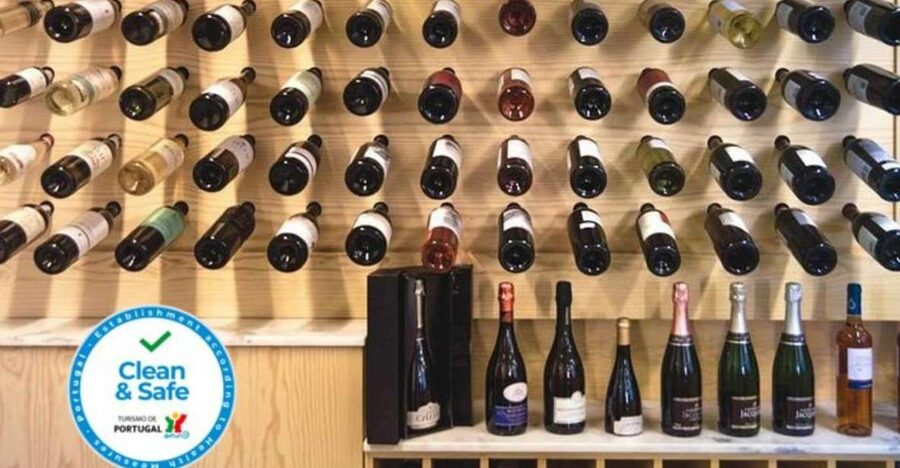
- 6 tastings in 3 hours, paced so you can taste without feeling rushed
- Red Douro + Vinho Verde + Port finale, so you sample major Portuguese styles
- Hidden pockets of Porto, reached by walking hilly, narrow streets
- Starting at Porto Cathedral area, a smart place to orient before the wine stops
- Private group format, often just you and your party for a more relaxed pace
- No long cellar tour, more tasting locations around town than winery entrances
Where the tour begins at Porto Cathedral’s doorstep
Your tour kicks off near Porto Cathedral, at the Pillory of Porto’s Cathedral by Terreiro da Sé. Even if you’re not a church-and-stones person, this start helps you get oriented fast. Porto is steep, and the streets can feel like a maze—starting with a landmark makes the rest of the walk easier to follow.
This first stop also sets the tone: a guided walk that mixes city context with what you’re about to taste. The goal isn’t just to hand you a glass; it’s to explain why these wines matter in Portugal and how they connect to the landscape and the culture.
The walk style here is practical. Wear shoes you can trust, because the pavement can be irregular and the streets are often uneven. You’ll also want to keep your day bag small; oversize luggage or large bags aren’t allowed.
You can also read our reviews of more food & drink experiences in Porto



A hillside Porto walk that favors the local rhythm
After the cathedral area, the tour turns into a guided stroll through Porto’s older lanes. The best part is that you don’t just do the most obvious streets. You’ll weave through tighter, hillier sections where locals actually move through their day, and the vibe changes from “tour group time” to real neighborhood time.
You should expect narrow streets and constant walking. This is the core trade-off: you’re doing a wine tour, but it runs on footwork, not a bus. The upside is you see how Porto feels at street level—stairs, corners, lookout moments, and the sense that the city was built to be walked slowly.
If you’re sensitive to uneven surfaces or long uphill sections, plan carefully. The tour explicitly isn’t suitable for mobility impairments, and even if you’re generally fine with walking, the terrain can wear you out sooner than you’d expect.
The tasting plan: what 6 wine tastings actually means
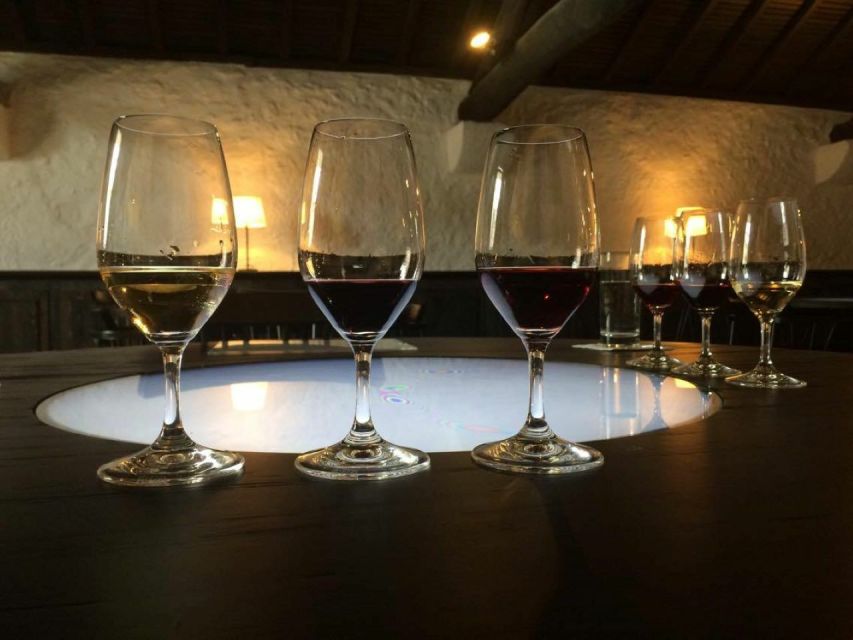
This experience includes 6 wine tastings, and that number matters because it shapes pacing. Instead of one dramatic tasting at a single venue, you’ll sample across multiple styles during the walk, with small stops built into the route.
Here’s what you can count on tasting, based on the tour’s wine lineup:
- Red Douro wines, with notes the guide highlights like floral tones and red berry flavors, plus the idea of balance
- Vinho Verde, the “green wine” style known for tropical fruit aromas
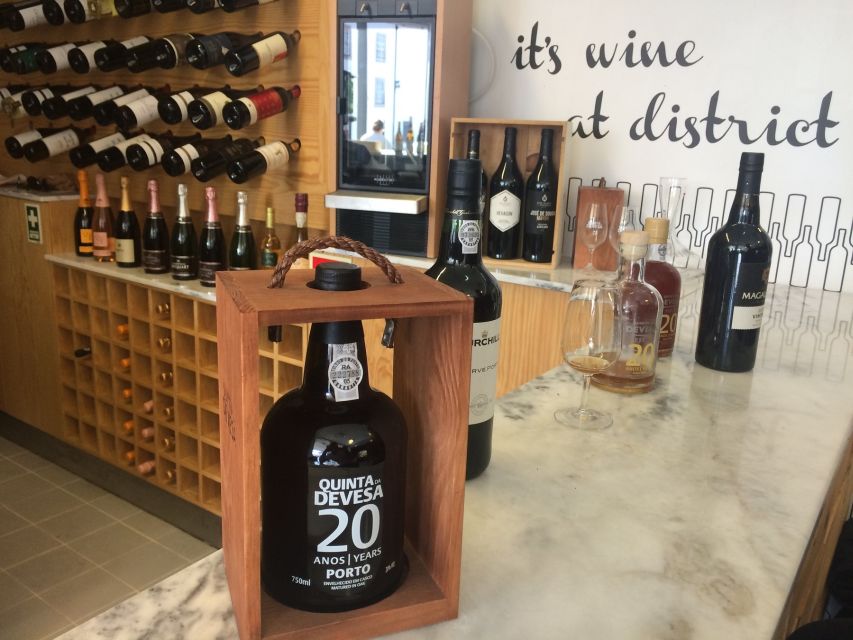
- A finish featuring Big Brother and then Port Wine, described as a renowned Portuguese classic
The value in doing it this way is simple: you learn by contrast. You taste one style, then move to another, and you start to notice how Portugal’s regions express themselves differently. It also makes the tour feel like a progression rather than six random pours.
A quick reality check on food
Food isn’t included. That doesn’t mean you’ll be starving, but it does mean you should eat earlier or plan a snack after. Wine tastings can stretch out and your appetite may not show up the way it does at meals, so having something in your system before you start helps you enjoy the flavors more clearly.
Red Douro and the idea of balance you can taste
Douro wines are the foundation of the Douro Valley story, and the tour frames the tasting around how the wines show up on the palate. You’ll hear the guide connect the feel of the wine to its character—specifically the guidance around floral notes, red berries, and that sense of supreme balance.
I like this part because it gives you a mental checklist. When the guide talks about balance, you’re not just waiting for a flavor to appear—you’re learning how to notice structure. Is it smooth or sharp? Does the fruit stay in front or fade quickly? That kind of attention helps your tasting get more interesting even if you’re not a wine nerd.
If you enjoy comparing styles, the Red Douro stop is your “anchor.” Later tastings make more sense because you have a reference point.
You can also read our reviews of more guided tours in Porto


Vinho Verde: why “green wine” is a warm-weather-friendly ending
Then comes Vinho Verde, literally called green wine. The tour emphasizes the aroma side, especially tropical fruit notes and how those flavors land in a way that works well during an afternoon outing.
This is a great choice for a walking tour because Vinho Verde is often lighter on the palate than heavier reds. Even if you’re not chasing “light and refreshing,” you’ll usually find it easier to keep tasting as you walk rather than getting weighed down.
Think of it as the palate reset. After Douro red complexity, the Vinho Verde moment helps you keep your attention on aromas and freshness instead of fatigue.
The Port finale: Big Brother, then the famous Port Wine
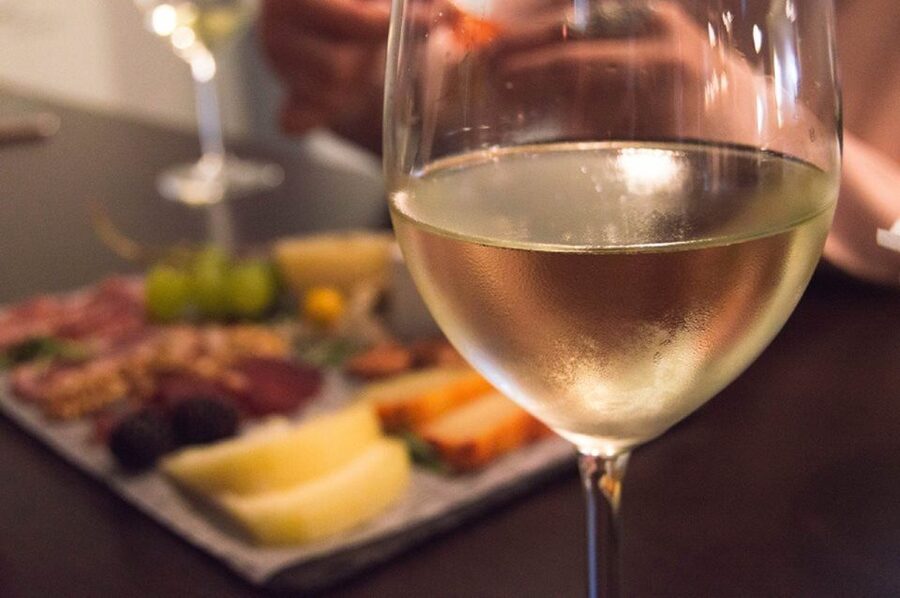
The tour closes with two tastings that feel like a payoff. First you try Big Brother, and then you finish with Port Wine, described as one of the most renowned Portuguese wines.
Port is the kind of wine that teaches you quickly. It’s often sweeter, richer, and more intense than what you might expect if you only think of wine as “dry.” Ending here makes sense because you’re tasting the most iconic style right at the end of your walk when your curiosity is high and your palate is still working.
Also, the way the tour builds toward the finale helps you remember the contrast. If you’re someone who likes structured experiences—start here, taste this, finish with something big—that pacing is a real win.
Porto Cathedral to wine tastings: how the guide turns walking into a lesson
A big part of the experience is the guide’s role. The tour description promises an expert who explains the history of the city and Portuguese wines, and at least some guides do that in a friendly, practical way.
In one case, a guide named Ricardo was praised for giving lots of information and pairing it with “many tasty treats” along the way in special locations. Another positive note highlighted that the guide shared good Porto info and kept the company warm, especially since the group ended up being just the couple on that date.
Still, there’s a fair warning from the mixed ratings: wine knowledge can vary by guide. One booking flagged that the guide wasn’t strong on wine. That doesn’t mean every guide is the same, but it does suggest you should come with curiosity. Ask about what you’re tasting. If something feels off, speak up early rather than waiting until the last pour.
No cellar tour: why that can be good (and when it’s not)
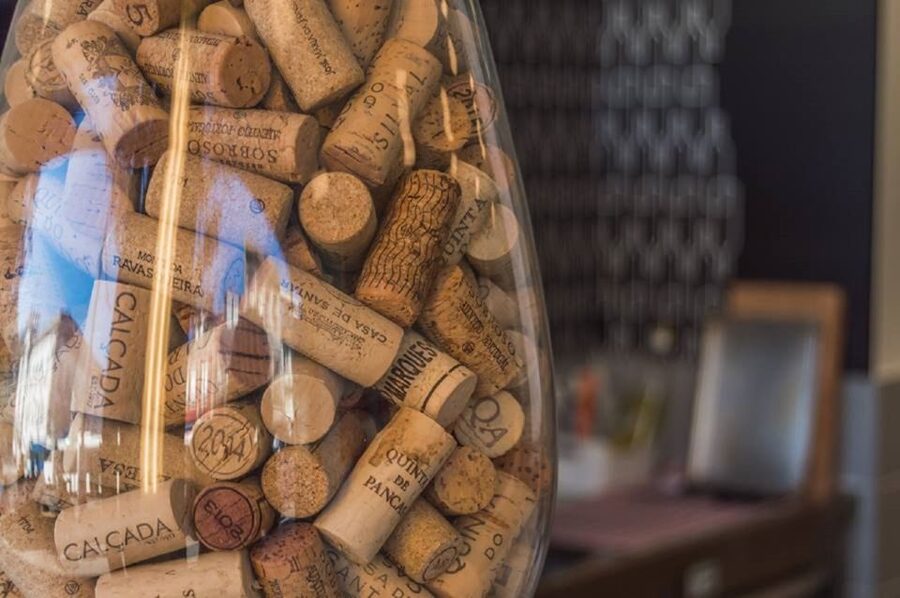
If you’re picturing a classic winery visit with a long stop in a cellar, this tour may not match that fantasy. One booking specifically noted that there was no visit to wine cellars. Instead, the experience keeps things moving through Porto, using set tasting spots along the route.
For many people, that’s a plus. You avoid the time sink of transfers and waiting, and you get a stronger sense of Porto itself—how the city works on foot, not just what’s inside a production space.
But if your main goal is cellar access, barrels, and a behind-the-scenes production tour, you might feel shorted. In that case, you could still enjoy the tastings, just adjust expectations: this is a city + tasting format, not a deep winery tour.
Skip-the-line perk and why private time changes the vibe
The tour includes a skip-the-ticket-line advantage. You might not need it for every part of the experience, but it’s useful if any component requires entry or timing.
The other major factor is that it’s a private group. In practice, that often means you don’t get a mixed pace with strangers. One booking even mentioned that only the couple took part, which made the guide’s pace feel tailored and the conversation more natural.
For you, private format matters most in two ways:
- You can ask questions about wines as they appear, not after the group moves on.
- You can move at a pace that fits you, especially on steep streets.
The tour also runs for 3 hours, which is long enough to feel like an experience, but short enough that you can still plan dinner and a sunset walk afterward.
Price and value: is $76 per person fair for 3 hours of wine?
At $76 per person for a 3-hour private guided tour with 6 tastings, the value is best understood as a “tasting count + city walking” deal, not a cheap bar crawl.
If you were buying these wines on your own, you’d likely pay for tastings at multiple places and still be dealing with routing, finding the right spots, and hoping someone explains what you’re drinking. Here, you get:
- Guided context as you walk
- Pacing that links each wine style to the experience
- A set tasting program that ends with a recognizable Port payoff
The missing piece is food—so if you’re the type who likes to eat alongside tastings, you’ll need to budget for that separately. But if you plan one solid meal before and one after, the tasting-heavy format becomes a good use of time.
This is also the kind of tour that pays off if you enjoy learning a little without turning your day into a classroom. You’ll leave with more specific wine vocabulary than you started with, especially around Douro balance, Vinho Verde aromas, and how Port fits into Portuguese identity.
What to pack (and what to avoid) so the walk is comfortable
Because the route includes walking on uneven surfaces, your clothing and shoes matter more than usual. Bring comfortable shoes and comfortable clothes that handle uneven cobbles and hills.
A few practical limits:
- Oversize luggage and large bags aren’t allowed
- Plan to travel light so you can move smoothly between stops
- The tour asks guests to bring a face mask or protective covering
If you tend to carry a big backpack, consider swapping to a smaller day bag. You’ll enjoy the tasting portions more if you’re not constantly adjusting your gear on narrow streets.
Who this tour suits best—and who should skip it
This tour is a strong fit if you want a Portugal-focused experience without turning your day into a long transfer schedule. It’s especially good for people who:
- Like walking and want to see Porto beyond a single main avenue
- Want tastings that cover multiple major wine styles (Douro, Vinho Verde, Port)
- Prefer a private guide who can answer questions
It’s not a great fit if you:
- Need step-free routes or have mobility limitations (it’s not suitable)
- Want a full cellar/production tour experience instead of city-based tasting stops
- Get tired easily by uphill, uneven streets
Should you book Porto Xperience Tours’ wine tasting walk?
Yes—if you want the best of Porto and Portuguese wine in one afternoon. The combination of 6 tastings, a structured progression from Douro to Vinho Verde to Port, and a guided walk through lesser-seen lanes is a practical use of time, especially if it’s your first visit to Porto.
Think twice if you hate uneven walking or you’re expecting a classic cellar tour with production details. Also, if wine knowledge is your top priority, be ready with questions early in the tour so you get the kind of explanations you want.
If you book, I’d plan it like this: eat before you start, wear shoes you’d wear for a long neighborhood walk, and treat the tastings as a lesson. You’ll come away with a clearer sense of what makes Douro red character different from Vinho Verde aromas—and why Port earns the big finale.
FAQ
How long is the Porto private wine-tasting tour?
The tour runs for 3 hours.
Where do we meet the guide?
Meet your guide in front of the Pillory of Porto’s Cathedral, Terreiro da Sé SE, 4000 Porto, Portugal.
How many wine tastings are included?
You’ll get 6 wine tastings during the tour.
What wines will I try?
You’ll taste Red Douro wines, Vinho Verde, Big Brother, and Port Wine.
Is food included with the tastings?
No, food isn’t included.
Is this tour private?
Yes, it’s a private group experience.
Is the tour suitable for people with mobility impairments?
No, it’s not suitable for people with mobility impairments, and it includes a lot of walking on uneven surfaces.
What languages are available for the live guide?
The tour guide is available in Portuguese, English, German, French, and Spanish.
Can I cancel and get a full refund?
Yes. You can cancel up to 24 hours in advance for a full refund.