REVIEW · REYKJAVIK
Reykjavik Food Tour – Old Harbor Walking Tour
Book on Viator →Operated by BiteSized Iceland · Bookable on Viator
Icelandic food starts with the harbor. This Reykjavik Food Tour – Old Harbor Walking Tour is a smart mix of local tastings and real-world context about how fishing shaped daily life. I really like the small size (max 8), because it makes it easy to ask questions, and the guide energy—mine was bright and excited, and I could feel how much Sabrina enjoyed showing the neighborhood’s food scene.
My favorite part is that it feels like you’re learning how Iceland eats now, not just checking off famous old traditions. The one thing to consider is that the experience requires good weather, so you’ll want a plan for a bit of time outdoors in the Old Harbor streets.
In This Review
- Key highlights you’ll actually care about
- Old Harbor is the right stage for Icelandic food
- Price and value: is $123 fair for 3 hours?
- Where you start and end, and why the route feels easy
- Stop 1: Saga Museum area snacks and settlement context
- Stop 2: Aurora Reykjavik (Northern Lights Center) and everyday Iceland
- Stop 3: Reykjavik Maritime Museum—where fish stops being a flavor
- Stop 4: Iceland Ocean Cluster—sustainability, fish farms, and whaling topics
- What you’ll be tasting: local favorites, plus the evolution story
- The guide matters: Sabrina’s style and why it helps you eat better
- Pacing and walking: manageable, but plan for streets
- Who this tour is best for (and who might skip it)
- Should you book this Reykjavik Old Harbor walking food tour?
- FAQ
- How long is the Reykjavik Old Harbor walking food tour?
- How much does the tour cost?
- How many people are in the group?
- Where does the tour start and end?
- What museums or attraction stops are included?
- Are the museum admissions included?
- How many places do we eat at?
- Do I choose a morning or afternoon tour time?
- Is this tour ticket mobile?
- What if the weather is bad?
- Is there a cancellation window if my plans change?
Key highlights you’ll actually care about

- Six-plus tastings across the Old Harbor: you’ll stop at at least six restaurants or street food vendors
- Tiny group size (max 8): private feel, easy conversations, less waiting around
- Museum stops with free admission: Saga Museum, Aurora Reykjavik (Northern Lights Center), Maritime Museum, and more
- Fish-industry stories tied to food: from settlement-era importance to today’s ocean topics
- Modern Icelandic food focus: you’re more likely to taste the evolution than only the old-school headlines
- Pick your time slot: morning or afternoon options, with one listed start at 3:00 pm
Old Harbor is the right stage for Icelandic food
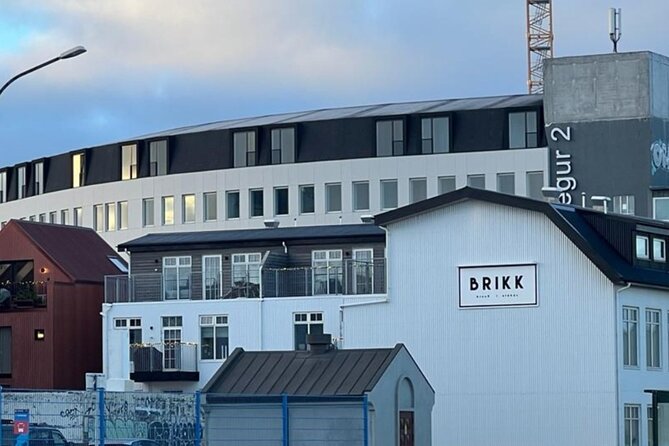
Reykjavik’s Old Harbor area makes sense for a food tour. You’re walking through the part of town where the fishing story is still visible—boats, maritime buildings, and the kind of streets where seafood culture doesn’t feel like a museum exhibit. Even the landmarks you pass help connect what’s on your plate to why Iceland’s diet became what it is.
On this tour, the food isn’t treated like a side quest. It’s the main thread, and the stops along the way explain the bigger picture behind local ingredients and seafood habits. That’s the big value for you if you’ve only got a short time in Reykjavik and want more than a random meal crawl.
You can also read our reviews of more walking tours in Reykjavik
Price and value: is $123 fair for 3 hours?
At $123 per person for about 3 hours, you’re paying for a tightly planned, guided loop through the Old Harbor with multiple tasting stops and paid-entry value built in. The key detail is that you’re not just getting one restaurant meal and calling it a day. The format is designed around repeat sampling—local eateries and street vendors—plus short museum visits.
Two things make the price feel more reasonable:
- You get free admission tickets at the museum-focused stops listed in the tour plan.
- You’re in a small group (max 8), which usually means less crowd energy and more time spent actually eating and talking, not just lining up.
If you prefer self-guided walking with bakery snacks, this might feel pricier than your usual street-food budget. But if you want a guided tasting route where someone else handles the sequencing and the context, the cost lines up with the structure you’re receiving.
Where you start and end, and why the route feels easy
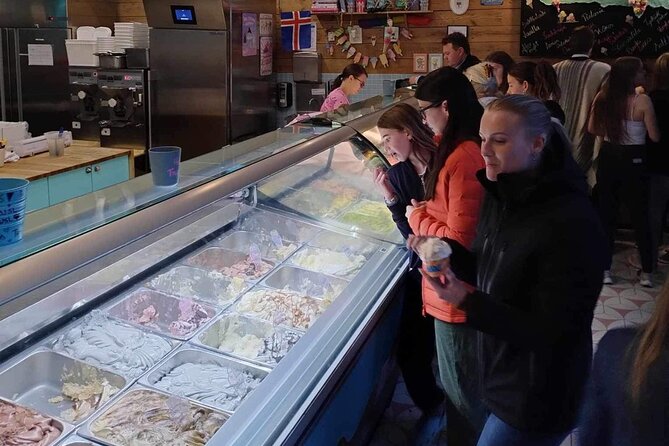
The meeting point is Seljavegur 2, 101 Reykjavík, and the tour concludes at Grandagarður 21, 101 Reykjavík. It’s designed as a neighborhood walk, not a cross-town trek. The experience wraps up just a few minutes’ walk from the area where you started, which keeps the day from turning into a long transit puzzle.
You’ll also be near public transportation, which matters if your travel schedule is chaotic. And because the format is private for your group, you don’t have to worry about the pacing being set for strangers who have very different plans from yours.
Stop 1: Saga Museum area snacks and settlement context
The first museum stop is the Saga Museum area, in the Grandi / Reykjavík Old Harbor neighborhood. You get about 30 minutes here, and the admission is free as part of the experience. The goal isn’t to turn this into a textbook lesson. Instead, you use the museum visit as a quick base layer for understanding Iceland’s roots—why stories, sea life, and survival matter to modern culture.
What I like about starting here is timing. Early in the tour, when you’re still orienting yourself, the context helps you taste with better attention. Food stops don’t land as random bites; they start to feel like cultural clues.
The only potential drawback: if you’re mostly after pure food volume and don’t care about museum context at all, you might wish the first portion leaned a bit harder into eating right away. Still, it’s a short visit and it sets the tone.
Stop 2: Aurora Reykjavik (Northern Lights Center) and everyday Iceland
Next up is Aurora Reykjavik, the Northern Lights Center. You’ll spend about 30 minutes here, also with free admission ticket value. This stop helps broaden the story beyond fish only. Iceland’s identity includes wonder, weather, and what life feels like in a northern place where the seasons affect everything.
Between the indoor-and-outdoor sightseeing moments, you’ll also hit 1–2 local eateries in the area. That means you’re not just walking past food. You’re taking breaks to taste while your guide connects the dots—how people think, work, and eat in daily life, not just in peak tourist moments.
If you’re a “show me, don’t tell me” type, this stop works well because it keeps switching gears. You see a landmark, then you taste something local, then you learn how it fits.
You can also read our reviews of more food & drink experiences in Reykjavik



Stop 3: Reykjavik Maritime Museum—where fish stops being a flavor
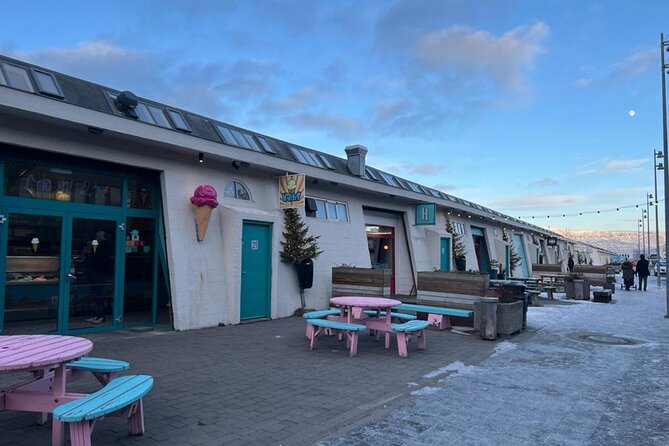
The Reykjavik Maritime Museum is the big turning point for most people. Fish is a staple of the Icelandic diet, and this is where you get the significance of fishing put into context—how it’s tied to settlement history and the long arc of how Iceland developed.
You’ll spend about 30 minutes at this museum stop, again with free admission ticket value included. The practical benefit for you is that you’ll understand why seafood shows up so often, even when you’re tempted to think Iceland’s food identity is only about a few famous things. It’s more systemic than that.
Then, just like the other segments, you’ll also get 1–2 local eatery stops during this part of the tour. That’s the genius of this route: you learn the “why,” and then you taste the “how it shows up on plates” right away.
One consideration: if you’re not interested in maritime or fishing history, you may find this stop more informational than you expected. But it’s still tied directly to the food you’re sampling.
Stop 4: Iceland Ocean Cluster—sustainability, fish farms, and whaling topics

After the historic museum stops, the tour shifts to modern ocean conversations at the Iceland Ocean Cluster. The tour plan explicitly frames fishing as a main pillar of the Icelandic economy today, and it uses this segment to talk through hot topics in the industry: sustainability, fish farms, and whaling.
This is where the tour becomes more than a nostalgia walk. You’re not only hearing about how Iceland ate in the past; you’re getting a sense of how Iceland thinks about seafood and its future. For a food tour, it’s a strong move, because it connects your tastings to current reality.
Between food tasting stops, your guide covers these themes as you move through the neighborhood. The pacing helps: you’re not sitting through lectures. You’re walking, tasting, and hearing the why behind what you’re eating.
If you’re the kind of person who likes food with context, this segment will be a highlight. If you prefer purely light entertainment, it might feel more serious than the average tasting tour.
What you’ll be tasting: local favorites, plus the evolution story
The tour is built around sampling Icelandic foods and drinks, and the structure supports variety. You’ll visit at least six different restaurants or street food vendors over the course of the walk. That matters because one place rarely gives you the full picture of Iceland’s food culture.
A useful clue comes from the way the tour is described by people who love it: this experience leans toward how Icelandic food evolved, rather than focusing mainly on the older tourist-famous items. For example, fermented shark is the headline many people expect—but it’s not treated as the whole point. Instead, you’re more likely to get a broader sense of what Icelanders actually eat now.
So what should you expect in practice? You can expect a mix of tastes—enough variety to form opinions—plus a guided explanation that helps you place each food within the broader story. And because you’re moving between multiple eateries, your meal doesn’t turn into one long wait or one overwhelming plate.
The guide matters: Sabrina’s style and why it helps you eat better
The guide experience is a big part of why this tour performs so well. In my experience with guided tours like this, the best guides do two things: they keep it fun, and they help you notice details you’d miss alone. This tour hits both.
The guide I had—Sabrina—was energetic and clearly excited about showing the eateries and sharing notes about Iceland. That enthusiasm isn’t just personality; it changes how you interact with the food. You’re more likely to ask, compare tastes, and connect your snack to the cultural story your guide is telling.
You also get a bit of personalized flow. With a maximum of 8 people, it’s easier to adjust pacing if someone needs an extra minute or wants to ask a follow-up question. In places like Reykjavik, that small-group dynamic can be the difference between a rushed walk and a genuinely enjoyable afternoon.
Pacing and walking: manageable, but plan for streets
This is a walking tour, so you’ll be on the move. Still, the route is structured around a handful of nearby museum and food stops in the Old Harbor area, and the pacing is kept workable for most people who book it. If you’re carrying mobility concerns, the good news is that the tour is designed for general participation rather than extreme endurance.
A practical tip: Iceland weather can change fast, and the tour requires good weather. If it’s gusty, rainy, or miserable outside, keep your flexibility in mind because the format depends on being out and moving between stops.
Who this tour is best for (and who might skip it)
You’ll enjoy this most if you want a Reykjavik Food Tour that feels grounded in local life. It’s a great fit if you like seafood culture and want to understand why it matters to Iceland beyond simple taste.
It’s also a strong choice if you’ve already done the main sights and now you want something more specific—food plus meaning. If you’re the type who likes museums but doesn’t want a long sit-down day, the museum stops are short and tied directly to tasting.
On the other hand, if you want a pure “eat as much as possible” tour with no history or ocean-industry talk, the structure might feel like it mixes in more context than you prefer. In that case, you might consider a food tour with a more restaurant-heavy format.
Should you book this Reykjavik Old Harbor walking food tour?
I’d recommend booking this if you want at least six tastings, a small group experience, and a guide who connects food to Iceland’s fishing reality—past and present. The museum stops with free admission also add real value, especially if you’re the type who likes a little structure instead of wandering aimlessly.
Book it sooner rather than later if your dates are firm. The tour is commonly reserved about 34 days in advance on average, and you’ll want a good chance at the time slot that fits your schedule. And if weather looks questionable, keep your plans flexible since the tour requires good weather and may be rescheduled or refunded.
If your ideal trip is part food, part stories, and part understanding why Icelandic eating culture works the way it does, this Old Harbor tour is an easy yes.
FAQ
How long is the Reykjavik Old Harbor walking food tour?
It runs about 3 hours.
How much does the tour cost?
The price is $123.00 per person.
How many people are in the group?
The tour is a small-group experience with a maximum of 8 people, and it’s private for your group.
Where does the tour start and end?
It starts at Seljavegur 2, 101 Reykjavík, Iceland, and ends at Grandagarður 21, 101 Reykjavík, Iceland.
What museums or attraction stops are included?
The tour includes stops at the Saga Museum, Aurora Reykjavik (the Northern Lights Center), the Reykjavik Maritime Museum, and the Iceland Ocean Cluster.
Are the museum admissions included?
Yes. The provided stop details list admission tickets as free for the museum stops.
How many places do we eat at?
The tour includes visits to at least six different restaurants or street food vendors, with multiple tasting stops throughout the route.
Do I choose a morning or afternoon tour time?
Yes, you can choose a morning or afternoon tour to fit your travel plans.
Is this tour ticket mobile?
Yes, the experience features a mobile ticket.
What if the weather is bad?
The tour requires good weather. If it’s canceled due to poor weather, you’ll be offered a different date or a full refund.
Is there a cancellation window if my plans change?
You can cancel for free up to 24 hours in advance for a full refund. If you cancel less than 24 hours before the start time, you don’t get a refund.
![[Hi-end] Private Hanoi Street Food Tour With Real Foodie - Lunch at 11:30 vs dinner at 18:00: timing that actually matters](https://b2.foodtourer.com/wp-content/uploads/hi-end-private-hanoi-street-food-tour-with-real-foodie-400x267.jpg)