REVIEW · ROME
Rome: Rione Parione Private Walking Food Tour
Book on Viator →Operated by Walkingourmet · Bookable on Viator
A food tour that walks you through Rome’s flavors. Starting at Piazza Campo de’ Fiori, this private 3-hour Rione Parione stroll is built around real neighborhood stops, not a bus-to-a-restaurant shuffle. You get a guided loop through classic Roman eating spots, with seasonal fruit, thin-crust pizza, fried street food, big gelato variety, and a chef-made tiramisu finish.
I especially like that your tastings aren’t random samples—they’re tied to what each place is known for, from a local pizzicheria’s antipasti to a pastry shop’s pastarella. Another win: it’s truly private for your party only, so the guide can pace things (and answer questions) around your group. The main thing to consider is that food tours mean lots of walking and lots of food—if you’re sensitive to heat or portion size, plan your pace and don’t eat a heavy lunch first.
In This Review
- Key points worth knowing
- Private Walking Food Tour in Rione Parione: What You’ll Actually Get
- Start at Campo de’ Fiori Market: Seasonal Fruit and Pizza Roots
- Pizzicheria Stop: Antipasti Choices Like a Local
- Roman Fritti: Suppli and Flower Frittata-Style Flavor
- Pastarella Pastry and the Gelato Decision Problem
- Tiramisu by the Chef: The End of the Sweet Run
- Fish-Market Stop and Fresh-Fried Calamari
- The Italian Finish: Coffee or Tea Where It Belongs
- Price and Value: Is $112.94 Worth It?
- Guide Quality: What Your Experience Depends On
- Who This Tour Fits Best (and Who Should Rethink It)
- Tips to Make the Most of Your 3-Hour Walk
- Should You Book This Rome Food Tour?
- FAQ
- How long is the Rome: Rione Parione Private Walking Food Tour?
- What does the tour cost?
- Is this tour private?
- Where do you meet and where does it end?
- What food and drinks are included?
- What language is the tour offered in?
- Will I get a ticket on my phone?
- How far in advance do people usually book?
- What is the cancellation window?
Key points worth knowing
- Private for your party: no mixing with strangers during the 3-hour walk
- All tastings included: snacks and beverages are part of the price
- Wide food range in one loop: fruit, pizza, antipasti, fritti, pastry, gelato, tiramisu, and fried calamari
- Coffee/tea at the end: the classic Italian close to a meal
- Guide experience can vary: most guides are praised, but there have been a couple of trouble reports (including one no-show)
Private Walking Food Tour in Rione Parione: What You’ll Actually Get
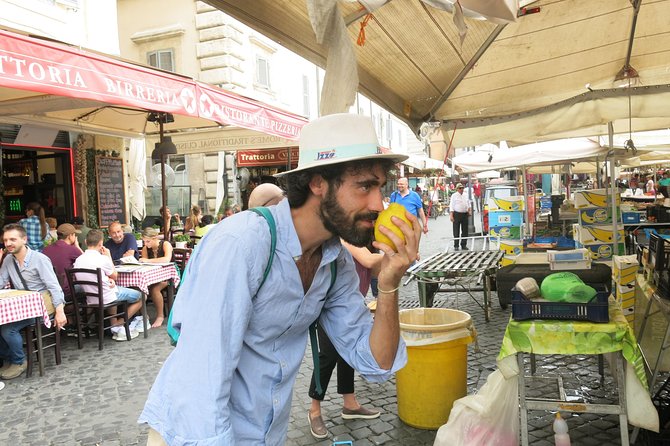
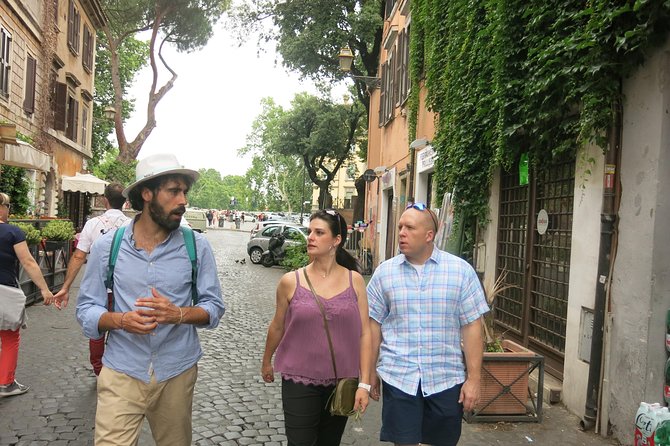
This is a private walking food tour that focuses on one Rome neighborhood: Rione Parione. You meet in the middle of the action at Piazza Campo de’ Fiori, right by the market atmosphere. Then you walk from stop to stop, tasting as you go.
What makes this format work is that you see how food fits into daily life. Markets aren’t just photo backdrops here—they’re where the day’s produce becomes the day’s snacks. Pizza isn’t explained from a distance; you’re in the area where Roman thin crust pizza is part of local routine. Even the finish is Italian-normal: coffee comes at the end, not as a separate event.
The value angle for me is the “everything included” approach. At $112.94 per person for about 3 hours, you’re paying for the guide and the tastings rather than playing price-hunting games across separate restaurants. Just remember: the tour includes snacks and coffee/tea, but alcoholic beverages are not included, so if you want wine or beer you’ll need to plan for that separately.
You can also read our reviews of more walking tours in Rome
Start at Campo de’ Fiori Market: Seasonal Fruit and Pizza Roots
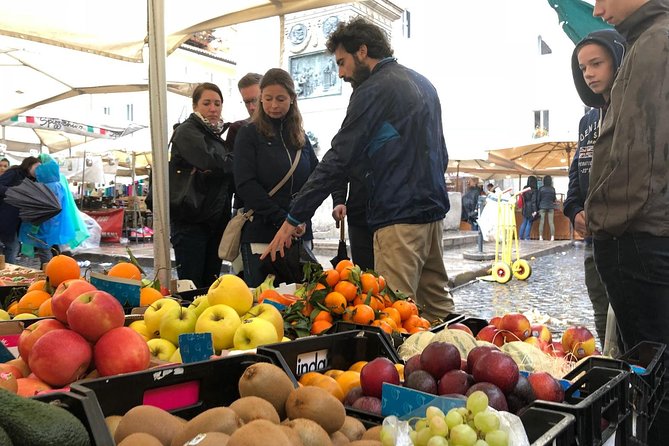
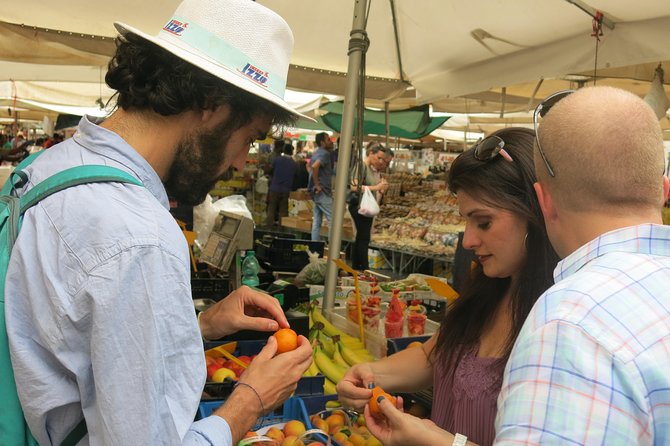
Your tour begins at Piazza Campo de’ Fiori, where you get a quick hit of local flavor before the heavier stuff. The first stop is the market itself. You’ll get to discover what’s in season and try local fruits straight from the stalls.
That matters more than it sounds. In Rome, seasonal produce is a real taste marker. When the market is doing well, you can pick up on what locals are eating right now—bright fruit, simple flavors, no pretending. It’s also a great “arrival moment.” You’ll start the tour with your senses awake, not sluggish from travel.
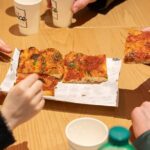
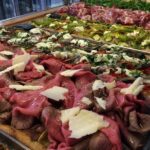
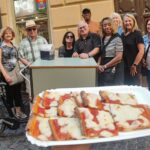
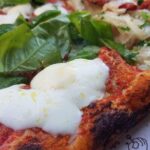
Right next to the market area, the tour goes to Roman pizza territory. The emphasis is on thin-crust pizza, which is the tradition in this style of Roman pizza. You’re not just tasting bread and cheese—you’re getting a reference point for how Roman pizza should feel in your mouth: crisp edges, less thickness, and a different balance than the thicker Neapolitan style many visitors expect.
One practical note: you might think fruit + pizza is a light start. In practice, you’re still heading toward a full sequence of stops. If you tend to overdo it, I’d keep breakfast modest.
Pizzicheria Stop: Antipasti Choices Like a Local
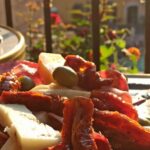
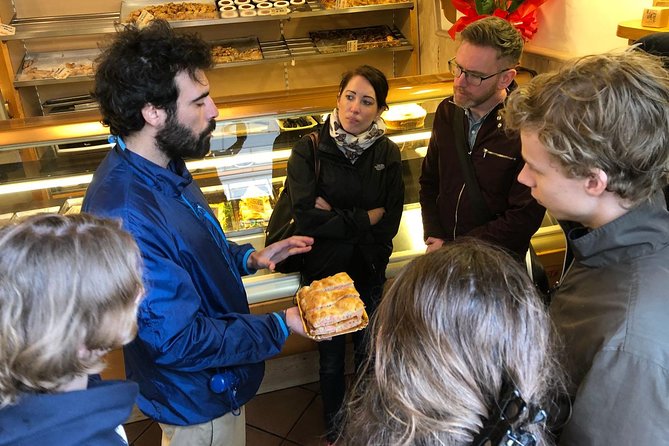
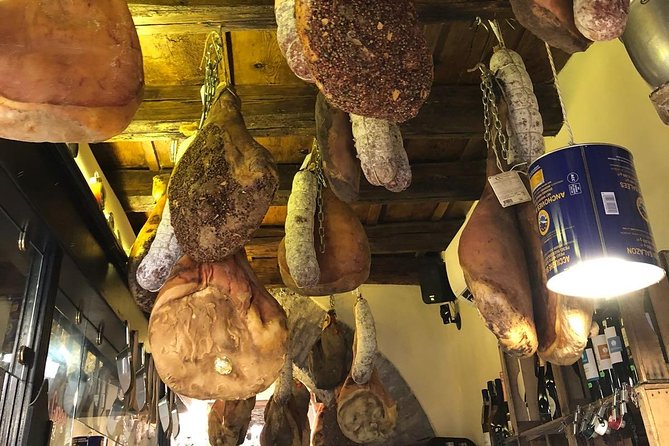
After pizza, the tour shifts to a pizzicheria, a Roman-style place known for fresh bites and antipasti selections. The focus here is on options like prosciutto and spicy salami, so you can taste the range—from cured, salty comfort to heat and spice.
This is one of those “small concept, big payoff” stops. Antipasti in Rome isn’t always fancy. It’s practical food for real schedules: quick protein, easy sharing, and flavors that work with both casual and celebratory dining. You also get a break from the sweeter side of some tours, since this stage leans savory.
Two things to watch for:
- If you don’t eat pork, this stop may not be easy based on the examples listed (prosciutto and salami are called out).
- The flavors can be strong, especially the spicy salami. If you’re sensitive to heat, tell your guide early so they can steer you toward a comfortable bite.
Roman Fritti: Suppli and Flower Frittata-Style Flavor
Now you’re in the realm of Roman street food—Roman fritti. The stops highlight things like Fiori di Zucca (fried zucchini flowers) and suppli (the classic rice-and-cheese fried snack with its signature stretch).
This is where the tour earns its “walk and eat” identity. Fried street foods are most fun when they’re eaten right away, fresh from the process. And the tour doesn’t treat it like a single token bite—it positions these as core Roman textures: crisp exterior, warm interior, and flavors you remember.
If you’re the type who gets full fast, this is the stop where you should slow down. Fried bites can be calorie-dense and take up stomach space quickly. You’ll still have gelato and tiramisu coming, so pace yourself.
Pastarella Pastry and the Gelato Decision Problem
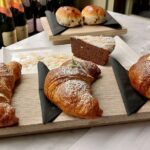
Next comes la pastarella, served from a 3rd generation pasticceria (pastry shop). A pasticceria stop is a classic Rome move, but the tour’s angle is that you’re not sampling random sweets—you’re hitting a specific shop specialty.
After that, you get gelato with an almost comical range: the tour mentions 60 different gelato flavors. That’s a “make a decision under pressure” situation. The practical tip here is to ask for what locals order (if your guide can steer you) rather than picking purely by label.
Two easy mistakes happen on tours like this:
- You pick the “best sounding” flavor and skip the simple one you actually would have liked most.
- You overthink it, because you’re trying to save room for later.
I suggest you choose based on variety. For example: pick one creamy and one fruity later—if you can split preferences with your group, even better. And don’t forget this tour is private, so your guide can help you match preferences more precisely than a large group tour.
You can also read our reviews of more food & drink experiences in Rome


Tiramisu by the Chef: The End of the Sweet Run
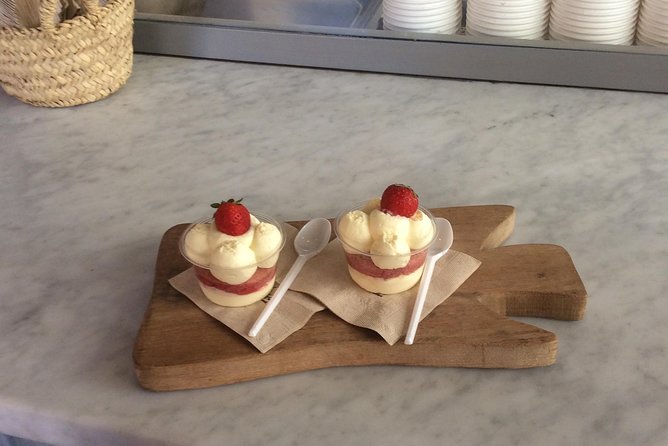
Then comes one of the most memorable stops: tiramisu that’s freshly made, with the tour description specifically noting that you’ll meet the chef to prepare it for you.
This is smart tour design. Tiramisu is famous, but it varies a lot by bakery. Freshly made tiramisu gives you that layered texture—soft, creamy, and properly balanced—rather than a slice that’s been sitting too long.
I also like that this stop signals a turning point in your stomach. After tiramisu, you’re basically in the home stretch and you know coffee is near.
One caution: if you’re trying to stay light, tiramisu is not the place to test your willpower. Either go for it and accept the full experience, or scale back earlier bites—ask your guide to adjust portions.
Fish-Market Stop and Fresh-Fried Calamari
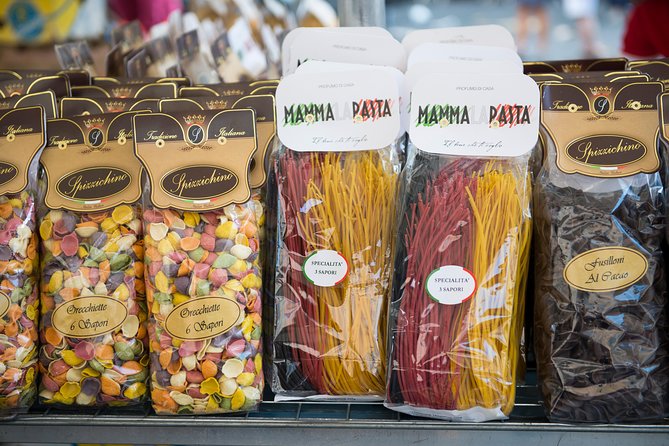
After sweets, the tour switches gears to savory seafood. You’ll explore a fish-market area and try calamari freshly fried.
This stop helps balance the tour’s sweetness. You go from pastry and gelato into something briny and hot and fried—often a welcome reset. The “freshly fried” detail is important because calamari is all about timing: crispness and heat fade quickly.
If you don’t eat seafood, you’ll want to clarify what your options are ahead of time, since calamari is explicitly listed as the tasting item here.
Also, because you’re walking, it’s a good stop to keep your hydration in check. Fried foods plus walking heat can add up fast.
The Italian Finish: Coffee or Tea Where It Belongs
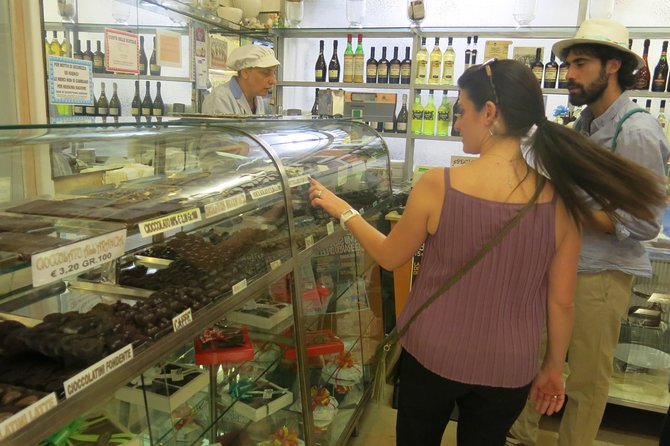
The tour ends the way good Italian meals often do: with coffee and/or tea. The description is clear that coffee doesn’t miss at the end, and that’s exactly the cultural cue you’ll feel.
This final pause is practical, too. After a 3-hour walking loop with many tastings, you need a chance to sit, sip, and let flavors settle. It also gives you a calm landing point before you navigate the rest of your day.
You’ll finish around Piazza del Teatro di Pompeo, which is handy because it’s in an active part of central Rome where it’s easier to hop to your next plan.
Price and Value: Is $112.94 Worth It?
At $112.94 per person for about 3 hours, this tour is priced in the “you’re paying for convenience + guide + included tastings” category. The value comes from three things you usually have to pay extra for on your own:
- You don’t have to line up multiple stops yourself.
- You get structured tastings that cover both savory and sweet.
- You’re not stuck guessing what to order at each place.
Because the tour includes all food tastings and coffee/tea, you’re converting money into a predictable experience rather than an open-ended restaurant bill. Just remember what’s not included: alcoholic beverages. If you want to drink, factor that into your total Rome budget.
One more detail: the tour is booked on average 54 days in advance. That suggests it’s popular enough that it doesn’t always sit idle. If your dates are fixed, booking earlier usually reduces the risk of missing your time slot.
Guide Quality: What Your Experience Depends On
The tour experience is heavily guide-driven. In the feedback you were given, the guide names that come through most clearly are Gabriele and Davide.
- Gabriele is praised for mixing history and anecdotes with tastings, and for being considerate about pacing in warm weather.
- Davide is praised for being personable and for speaking perfect German, with a strong focus on Italian culture through the food.
- There’s also at least one warning sign: one booking had a guide described as friendly but lacking experience, and another booking reported a no-show and a wasted evening.
So how do you handle that risk as a smart traveler? You can’t control guide training, but you can control your behavior. If it’s your first night in Rome or your only evening free, I’d avoid planning a tight second reservation immediately after your tour. Also, keep your phone ready and confirm your meeting details the day before.
Who This Tour Fits Best (and Who Should Rethink It)
This tour makes sense if:
- You want a private experience for your party and don’t want to wait around with strangers.
- You like eating in sequence: savory, then sweet, then savory again.
- You enjoy learning small pieces of context tied to each place—what locals do at that market, how Roman pizza style differs, why certain street foods matter.
You might rethink it if:
- You get full quickly or don’t handle lots of walking well.
- You don’t eat pork or seafood (both appear as highlighted tastings).
- You’re hoping for alcoholic drinks included (they’re not).
If you’re a foodie on a first visit to Rome, this is a strong orientation tour. It helps you understand what “Roman eating” feels like beyond just a single famous landmark meal.
Tips to Make the Most of Your 3-Hour Walk
A few practical moves will make this smoother:
- Eat lightly beforehand. This tour can stack up faster than you expect when you’re sampling fruit, pizza, antipasti, fried bites, pastry, gelato, tiramisu, and fried calamari.
- Wear comfortable shoes. The whole format is walking, and you’re covering several stops in about 3 hours.
- If it’s warm, plan for it. One guide was noted as being considerate with pacing in heat, but you’ll still benefit from basic sun sense—water, hat, and slower steps when you need them.
- If you have allergies or dietary limits, communicate early. The tour lists several specific foods, so you’ll want clarity on what can be swapped.
Should You Book This Rome Food Tour?
I’d book this if you want a private, all-tastings-included way to taste Roman street food and classic sweets in one connected walk, especially if it’s your first trip or you want a concentrated culinary route through Rione Parione.
I’d be more careful if it’s a high-stakes night with no flexibility, because there are real reports of guide issues (including a no-show) in the history you provided. With that said, there’s also a lot of praise for guides like Gabriele and Davide, and many people clearly left full and happy.
If you can handle walking and you love food that moves from market to fritti to gelato, this tour is an efficient way to spend an evening in Rome.
FAQ
How long is the Rome: Rione Parione Private Walking Food Tour?
It runs for about 3 hours.
What does the tour cost?
The price is $112.94 per person.
Is this tour private?
Yes. It’s a private tour for your party only.
Where do you meet and where does it end?
The start is Piazza Campo de’ Fiori (00186 Roma RM, Italy), and the end is Piazza del Teatro di Pompeo (00186 Roma RM, Italy).
What food and drinks are included?
All food tastings are included, along with coffee and/or tea. Alcoholic beverages are not included.
What language is the tour offered in?
The tour is offered in English.
Will I get a ticket on my phone?
Yes, it’s listed as having a mobile ticket.
How far in advance do people usually book?
On average, it’s booked about 54 days in advance.
What is the cancellation window?
You can cancel for a full refund up to 24 hours before the experience’s start time, based on local time. Free cancellation is available.