REVIEW · SEOUL
Seoul Fun Food Tour: 12 different food tastings
Book on Viator →Operated by Suha · Bookable on Viator
Seoul tastes better with a guide. This 3-hour crawl takes you from Gwangjang Market to Ikseon-dong with local storytelling and real food orders you’d likely miss on your own. I liked how Suha’s English keeps everything clear, from what you’re eating to why it matters.
I’m also a big fan of the food-to-time ratio. You get a heavy round of 12 different tastings (and in practice, many groups end up trying more) plus snacks and bottled water, so you’re not hunting down meals all day. The 24/7 make-your-own ramen stop alone is worth the trip.
The main thing to plan around is weather. The Cheonggyecheon stream walk can be adjusted in winter, and the tour requires good weather, so keep an eye on conditions.
In This Review
- Key highlights worth packing for
- Gwangjang Market: where Seoul’s food culture shows up fast
- Cheonggyecheon Stream: a short reset between heavy bites
- Jongno 24 Hours ramen: cook-your-own, choose from tons of options
- Ikseon-dong hanok cafés: tea or coffee in an old neighborhood
- 12 tastings that add up to a full meal (so prep smart)
- Small group and Suha’s English: why the experience feels personal
- Price and timing: what you’re really paying for
- Who should book this Seoul food crawl
- Should you book the Seoul Fun Food Tour?
- FAQ
- How long is the Seoul Fun Food Tour?
- How many food tastings are included?
- How large is the group?
- Who guides the tour?
- Where do we meet and where does it end?
- Is public transportation included?
- What happens if it’s cold or bad weather in winter?
- Is there a mobile ticket?
- Are service animals allowed?
- What if I need to cancel?
Key highlights worth packing for
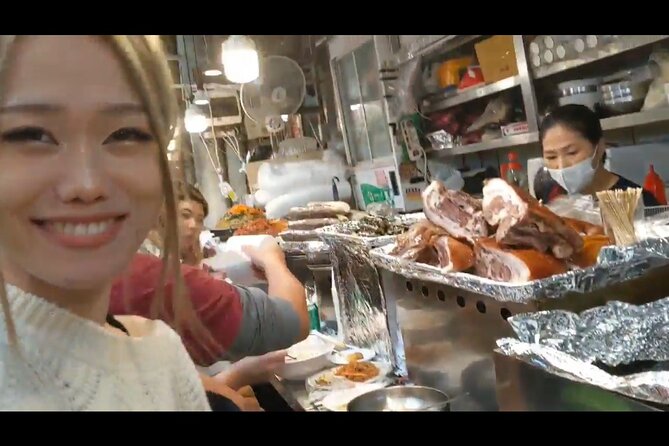
- Gwangjang Market first, so you start with Seoul street-food momentum instead of ending full and satisfied
- Cheonggyecheon stream walk, a short breather with photo chances and a weather-adapted route
- Jongno 24 Hours ramen, where you choose flavors and cook your own bowl
- Ikseon-dong hanok cafes, traditional neighborhood atmosphere with tea or coffee time
- Small group pace with Suha, which makes ordering and questions actually work
Gwangjang Market: where Seoul’s food culture shows up fast
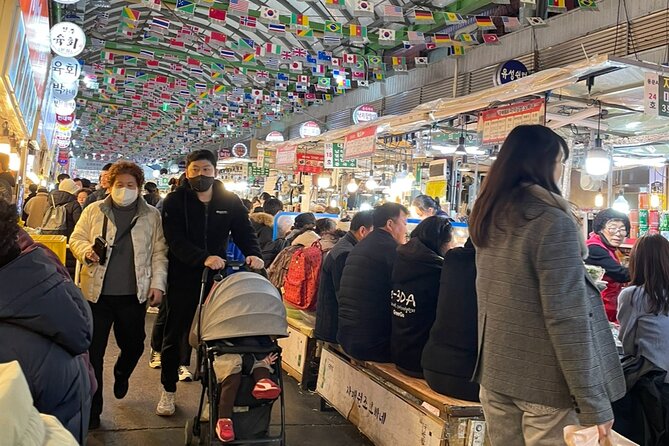
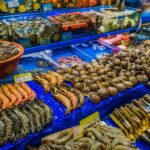
Your tour begins at Jinju Yukhoe 3rd Branch (3rd floor? the meeting point is listed as the 1st floor), in Jongno District, Dongho-ro. You’ll spend about an hour at Gwangjang Market, one of Seoul’s oldest and largest traditional markets, and the best part is that you’re not wandering blind.
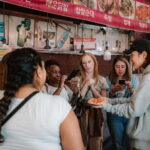
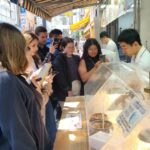
I love markets when I know where to stand and what to ask for. Here, Suha’s job is to translate the menu world into something you can act on quickly, then tie each dish to the culture behind it. You’ll sample several foods in a way that feels more like eating with a friend than checking items off a list.
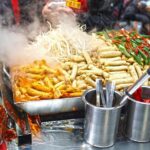
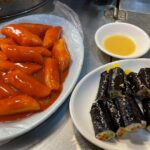
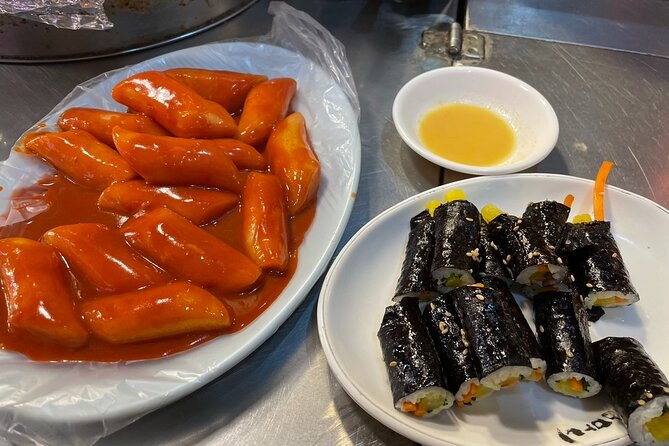
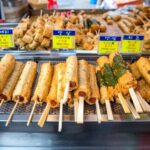
What you can expect at this stop depends on the day’s selections, but you’ll commonly get classics the market is famous for. Based on what I’ve seen described from past groups, that can include things like tteokbokki (spicy rice cakes), bindaetteok (soybean pancake), fish cakes, and banchan-style small plates. It’s the sort of lineup where you taste different textures back-to-back—chewy, crispy, savory, spicy—so your palate gets a mini crash course.
A practical tip: come ready to slow down. Market eating can be noisy and crowded, and the guide keeps the group together so you don’t lose people or get stuck in the wrong line. If you’re sensitive to strong smells (fish sauce, sesame, frying oil), just know it’s normal in a working market and you’ll still have plenty of breaks built into the route.
You can also read our reviews of more food & drink experiences in Seoul
Cheonggyecheon Stream: a short reset between heavy bites
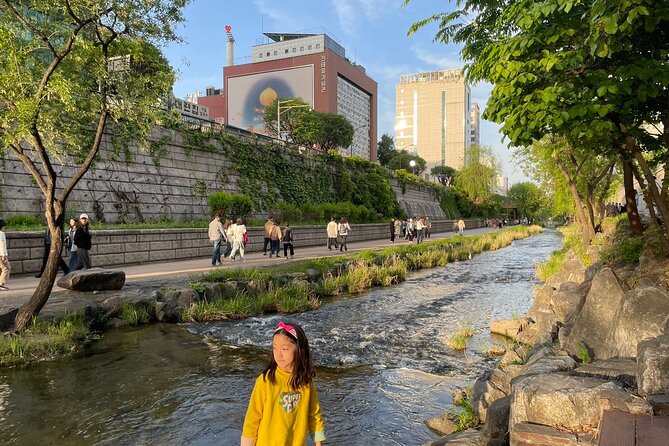
After the market, you walk toward Cheonggyecheon Stream for about 20 minutes. This segment is listed as free, and it functions like a breather between food stops—part sightseeing, part pacing, and part letting your digestion catch up.
In winter, the walking may be adjusted due to weather conditions. That’s important because the tour is designed to keep moving without turning into a frustrating slog. If it’s cold or wet, you can still enjoy the experience; the route is flexible.
This is also the part where you’ll notice how Seoul blends city life with a calmer corridor. Past groups have mentioned stepping-stone crossings and straightforward photo opportunities, which makes sense: the stream area is built for people to pause, look, and reset.
If you’re hoping for long scenic views, keep expectations realistic. This isn’t an all-day park detour. It’s short on purpose, so you don’t arrive at ramen too full or too tired.
Jongno 24 Hours ramen: cook-your-own, choose from tons of options
One of the most fun stops is Jongno 24 Hours Ramen Convenience Store, where you spend about 40 minutes. The vibe here is simple: you pick your ramen style, you cook it, and you learn enough to do it without guessing.
What stands out is the “24 hours” angle plus the make-your-own format. You’re not just ordering a bowl and moving on. You’re participating, which makes the stop feel hands-on and not like another line of food samples.
A past detail I really like: at this spot, people have chosen from over 70 kinds of ramen. That means you’re unlikely to feel bored or stuck with one default flavor. Suha can guide you toward options that fit the rest of the tasting menu so you don’t accidentally stack only spicy or only bland choices.
You’ll likely be tempted to treat this like a normal restaurant meal, but remember the rest of the tour is still coming. The guide’s explanations help you taste more intelligently—what you’re tasting, how it’s made, and how Koreans think about comfort food and convenience in one go. It’s a small lesson you carry forward when you’re ordering on your own later.
Ikseon-dong hanok cafés: tea or coffee in an old neighborhood
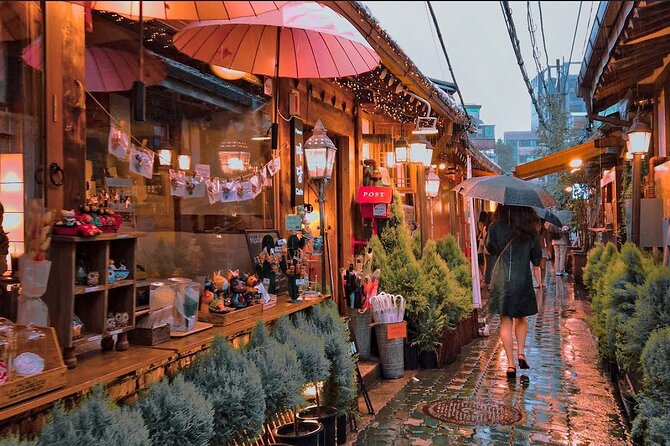
Next comes Ikseon-dong, explored for about an hour. This area is known for hanok-style streets and traditional architecture that now host cafés and restaurants, so it feels like Seoul with one foot in the past and one in modern daily life.
This stop is listed as free, and it’s where you slow down a bit. Expect time to drink tea or coffee at a café, plus the chance to enjoy the neighborhood walk without the pressure of constant tasting.
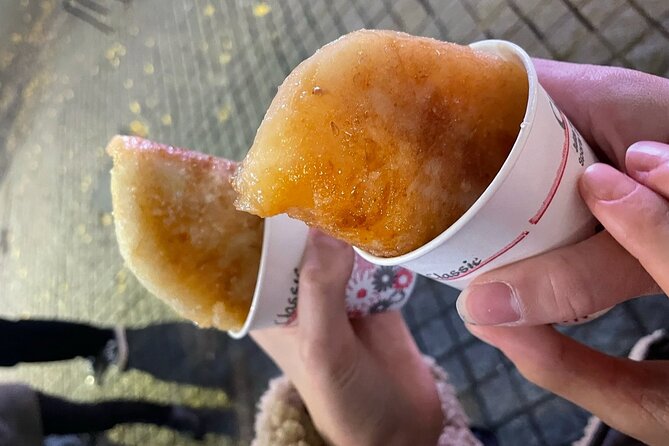
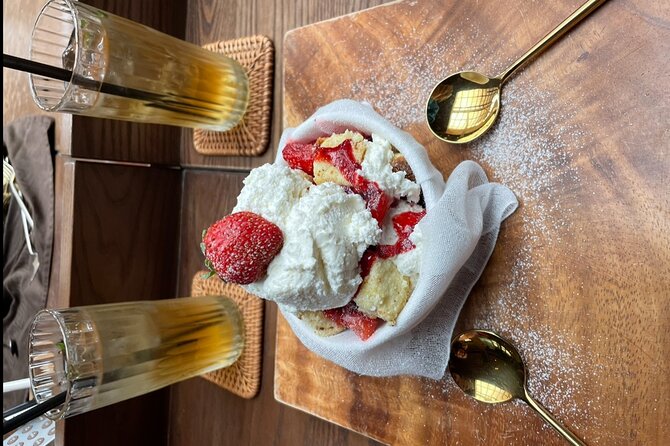
Many food tours end with something sweet, and this one often does. Some past groups have described a dessert finish like shaved ice with fresh fruit and sweet toppings, plus ice cream. Even if the exact dessert shifts, the intent is consistent: you end on something light enough to enjoy after spicy and savory earlier courses.
If you’re a tea person, this is a good place to relax your palate. If you’re more of a coffee drinker, you’ll likely find plenty of options in the area. Either way, it’s a fitting closing scene because Ikseon-dong feels like a “hang out” district, not just a photo set.
12 tastings that add up to a full meal (so prep smart)
The tour advertises 12 different food tastings, but the real-world experience is that you’ll feel fed. In multiple accounts, people describe trying more than 12 items and leaving very full.
That’s great value, but it also changes how you should plan your day. If you eat normally at breakfast and lunch, you may feel stuffed before the ramen. My practical advice: treat this like your main meal plan for the evening, and keep earlier snacks small.
A good way to think about it: this isn’t a “nibble and wander” tour. The stops are structured so you taste a range of Korean flavors—savory, spicy, crispy, soft—then cook and eat something warm, then finish with a café break. The pacing is what makes it work.
Also, bring your appetite for variety, not just your appetite for quantity. Suha’s explanations help you understand what you’re tasting, so it feels like more than overeating. When you know why soybean pancake tastes the way it does, or how ramen becomes comfort food, you’ll remember it later.
A few more Seoul tours and experiences worth a look
Small group and Suha’s English: why the experience feels personal
The tour is built around a small group, listed as up to eight people, with a maximum of 10 travelers. That’s a sweet spot. You’re close enough to hear the guide, but the group isn’t so large that you get separated at every counter.
In real terms, this matters at markets and busy shops. It’s the difference between waiting around and moving with confidence. Suha is described as friendly and engaging, with English that’s easy to follow, and she’s careful to keep the whole group together.
One thing I really appreciate in a food tour: when the guide gives context without turning it into a lecture. Here, you’re learning cultural and practical background while you eat—what certain dishes represent, how they’re typically approached, and what to pay attention to in flavor and texture. That turns each stop into a mini “how to taste Korean food” lesson.
There’s also a human side. Past groups mention that when weather turned (including rain), Suha moved quickly between shelters so the tour still worked. That kind of real-time problem solving is hard to replicate if you’re doing everything independently.
Price and timing: what you’re really paying for
The price is $88 per person for an about 3-hour tour, with a mobile ticket. What’s included matters: 12 different tastings, snacks, and bottled water, plus a friendly English-speaking local Korean guide.
Public transportation is not included, listed as ₩2,000 per person. That’s the only extra cost mentioned, and it’s fairly minor compared with the value you get from multiple paid tastings plus guided ordering.
Here’s the value logic I use when deciding on food tours: you’re not just paying for food. You’re paying for access and reduced decision fatigue. In a place like Gwangjang Market, being able to order confidently and eat in the right sequence saves time, avoids wrong turns, and keeps you from missing the best selections.
Timing-wise, you’re looking at a compact evening plan. Expect walking, plus indoor and seated moments as the tour moves between markets, ramen, and cafés. Winter conditions can affect walking segments, but the tour is set up to keep things flowing.
Logistics also matter for stress levels. You meet at Jinju Yukhoe 3rd Branch (1st floor) and end at Jongno 3 (sam)-ga Station area. That’s handy because it connects the tour to Seoul’s subway network for an easy finish afterward.
Who should book this Seoul food crawl
This tour is a strong fit if you want several Korean dishes in a short time without planning. It’s also great if you enjoy food stories—why a dish exists, how people treat it, and how to order with confidence.
I’d especially recommend it if:
- You’re visiting for the first time and don’t know where to start in markets
- You want a mix of street-food energy and café downtime
- You like hands-on experiences like cooking your own ramen
- You prefer small groups over big bus tours
You might want to rethink if you dislike spicy food. The menu can include spicy items like tteokbokki, and ramen choices can lean bold depending on what the group picks. If you’re very sensitive, tell Suha at the start so she can guide you toward options that match your tolerance.
Should you book the Seoul Fun Food Tour?
If your goal is maximum tastings with minimum planning, I think it’s an easy yes. For $88, you’re getting guided access in places that can be overwhelming, plus enough food to make this your main meal plan. The combination of Gwangjang Market, Cheonggyecheon’s quick reset, and the fun 24-hour make-your-own ramen stop makes it feel like a “Seoul in one evening” experience.
Book it when you want structure. Skip it if you prefer fully independent wandering with no guide and no planned sequence. Otherwise, come hungry, wear shoes you can walk in, and expect to leave full with a better sense of how Korean food fits into daily life.
FAQ
How long is the Seoul Fun Food Tour?
The tour runs for about 3 hours.
How many food tastings are included?
It includes 12 different food tastings, plus snacks and bottled water.
How large is the group?
It’s a small group, listed as up to eight people, with a maximum of 10 travelers.
Who guides the tour?
The tour provider listed is Suha, and the tour includes a friendly English-speaking local Korean guide.
Where do we meet and where does it end?
You meet at Jinju Yukhoe 3rd Branch (1st floor) in Jongno District, and the tour ends around Jongno 3 (sam)-ga.
Is public transportation included?
No. Public transportation is listed as ₩2,000 per person.
What happens if it’s cold or bad weather in winter?
The walking portion near Cheonggyecheon may be adjusted due to winter weather conditions. The tour requires good weather, and if it’s canceled for poor weather, you’ll be offered a different date or a full refund.
Is there a mobile ticket?
Yes, the tour uses a mobile ticket.
Are service animals allowed?
Yes, service animals are allowed.
What if I need to cancel?
Free cancellation is available. You can cancel up to 24 hours in advance for a full refund. If you cancel less than 24 hours before the start time, the amount paid is not refunded.