REVIEW · SEOUL
Seoul: The Biggest Sea-food Noryangjin Market Tour
Book on GetYourGuide →Operated by Korea Guide Tour · Bookable on GetYourGuide
Fresh seafood, right in the heart of Seoul. This foreigner-only Noryangjin tour is interesting because you’re not just sightseeing; you’re learning how Koreans shop, prep, and eat seafood. I love the fresh-market inside view from a live local guide, and I love that you get an actual seafood meal right after seeing how the fish is handled. One possible drawback: the market is a working fish market, so expect strong smells and slick floors, and pack smart shoes.
Meet your guide at Exit 7 of Noryangjin Station, then get oriented fast. I’ve heard great things about guides like Sophie and Joy for their clear explanations of unfamiliar fish and how to eat sashimi Korean-style, and that matches what this format is built to do. The tour runs about 2 hours, and if you’re hoping for a slow, photo-only stroll, you might feel a bit rushed.
In This Review
- Key highlights at a glance
- Why Noryangjin feels different from a typical food tour
- The 2-hour flow: what you’ll do and why it matters
- Step 1: Meet at Noryangjin Station and get your bearings
- Step 2: A guided walk focused on seafood you may not know
- Step 3: Visit a trusted vendor and watch the prep work
- Step 4: Lunch with seafood—what Koreans actually order
- Price check: is $110 actually good value?
- Guides make or break the experience
- What to expect from the food: sashimi and spicy fish stew
- Who this tour suits best (and who should skip it)
- Small details that matter at a working fish market
- Should you book the Noryangjin Sea-food market tour?
- FAQ
- FAQ
- Is this tour only for foreigners?
- How long is the Noryangjin Fish Market tour?
- What’s included in the price?
- Where do we meet for the tour?
- What language is the guide?
- How big is the group?
- Is the tour wheelchair accessible?
- Can I cancel for a full refund?
- What if there are fewer than 4 participants?
- Are reservations confirmed on weekends and holidays?
Key highlights at a glance
- A guide-led tour of Korea’s seafood culture, focused on ingredients that are less familiar outside Korea
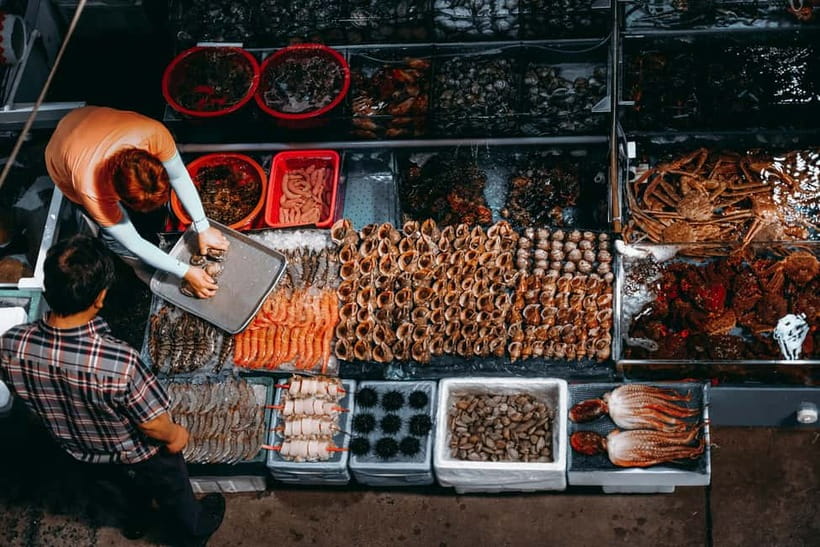
- A working-market look at stalls, trading, and daily volume (250 to 300 tons a day)
- Behind-the-scenes filleting at a trusted seafood vendor
- Lunch included, usually seasonal assorted sashimi plus a spicy fish stew
- Small group energy (limited to 10), so questions don’t get lost
Why Noryangjin feels different from a typical food tour
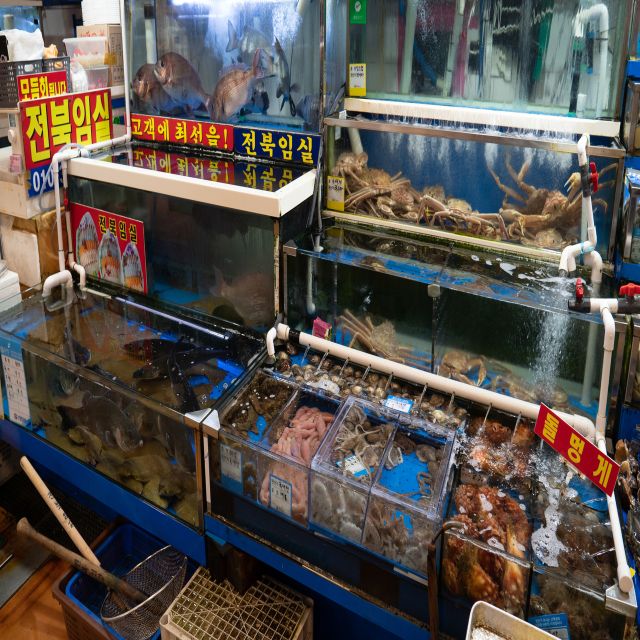
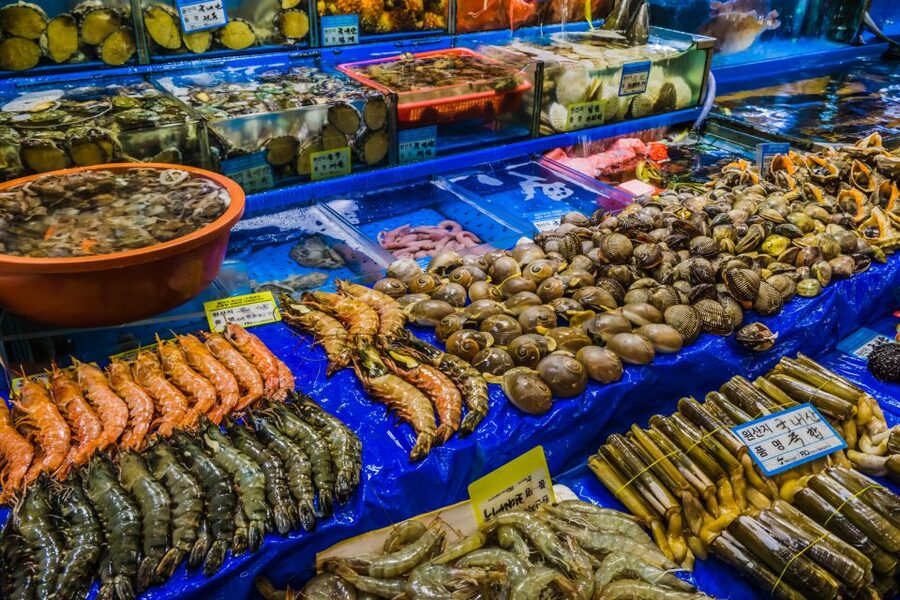
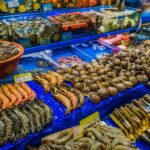
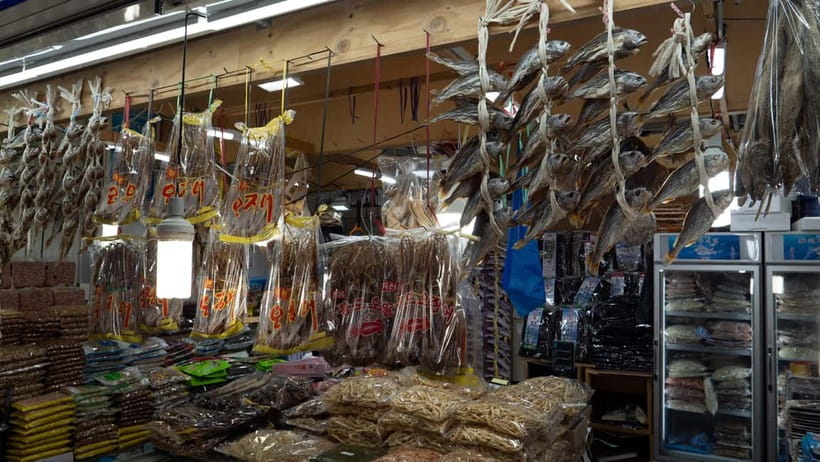
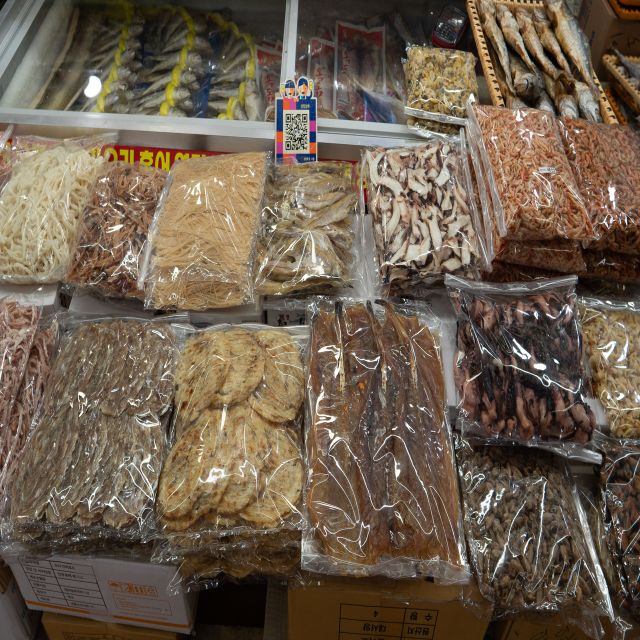
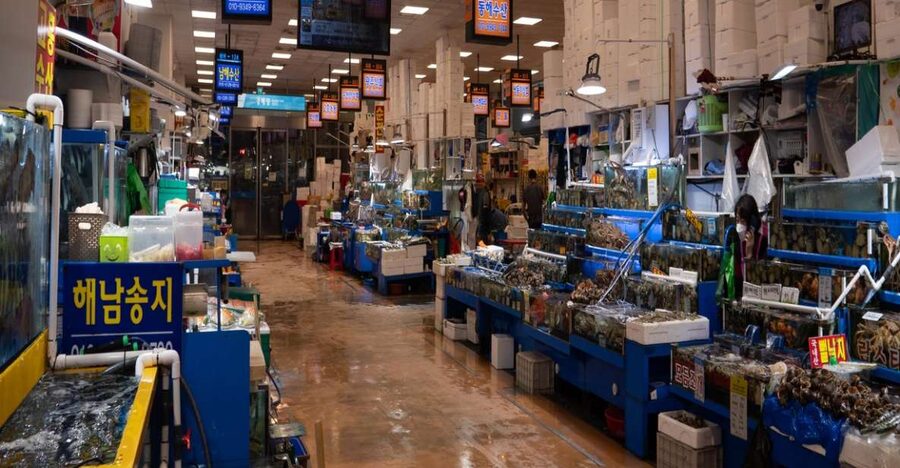
Noryangjin Fish Market is Seoul’s most famous traditional seafood market for a reason. This is not a staged “market for tourists” experience. You’re walking through a real place where seafood is bought and processed for daily life.
What makes this tour worth your time is the way it’s organized around understanding. Your guide talks through the layout and the market’s atmosphere first, then you shift into seafood identification and stories. You’ll hear why certain seafood shows up often, how people prepare it, and how those habits developed in a country built around ocean food.
There’s also a simple practical bonus: you get structure. Instead of wandering stalls and guessing what you’re looking at, you get a local lens on what matters and what to notice.
You can also read our reviews of more food & drink experiences in Seoul

The 2-hour flow: what you’ll do and why it matters
This tour is short on purpose. In about 2 hours, you get enough market context to make your later independent browsing smarter, and then you get a seafood meal while the experience is still fresh in your mind.
Step 1: Meet at Noryangjin Station and get your bearings
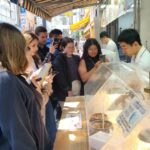
You meet at Exit 7 of Noryangjin Station. From there, your guide helps you understand how the market moves—where you’ll likely see the freshest items, how stalls are organized, and what kinds of seafood you can expect to encounter.
This orientation piece sounds basic, but it’s the difference between “seeing fish” and actually understanding a seafood market. When a guide points out what’s common, what’s seasonal, and what looks unusual, you start making better sense of what you’re tasting later.
Step 2: A guided walk focused on seafood you may not know
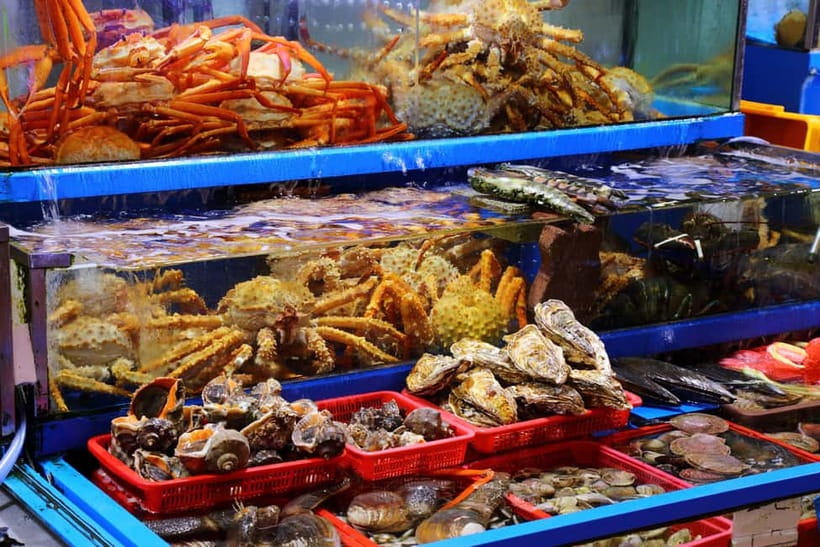
The tour is designed for foreign visitors, so the commentary stays grounded and educational. Your guide focuses on seafood ingredients that are unique or unfamiliar outside Korea, plus the stories behind them.
In practice, that means you’re not only looking at items—you’re learning names, textures, and common uses. You’ll learn what Koreans commonly eat and how fish and shellfish are traditionally prepared. That context is especially helpful if you’re the type of traveler who likes to order confidently instead of hoping for the best.
One small note: the market is active. Even with a guide keeping you on track, the environment can feel intense—especially if you’re sensitive to odors or crowded spaces. That’s why smart shoes matter here. (One common tip from people who’ve done this: wear waterproof or at least slip-resistant footwear.)
Step 3: Visit a trusted vendor and watch the prep work
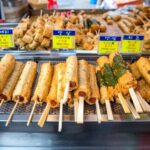
A major payoff is the stop at a trusted seafood vendor. Here, you’ll watch the process of filleting and preparing fresh fish. This hands-on viewing moment helps you connect what you saw in stalls with what ends up on a plate.
It’s also where the tour earns its name as a “working market” experience. You’re not just learning what seafood is—you’re seeing how it turns from raw ingredients into a meal. If you enjoy food craftsmanship, this part is the one that makes the rest click.
You’ll likely notice a few things in this stage: how quickly cuts are made, how freshness is assessed, and how preparation changes depending on the seafood. Even if you don’t remember every species name, you’ll leave with a better sense of why Korean seafood meals taste the way they do.
A few more Seoul tours and experiences worth a look
Step 4: Lunch with seafood—what Koreans actually order
Lunch is included, and it’s not a generic “tour meal.” You’ll eat seasonal assorted sashimi plus spicy fish stew. This matters because it reflects everyday seafood choices, not a one-off menu created just for the tour.
Several people mention that the meal can include very bold seafood choices. One example from the experience: fresh octopus served live right at the meal. Whether your lunch includes that specific item or another seasonal selection, the takeaway stays the same: you’ll eat in the style the market supports.
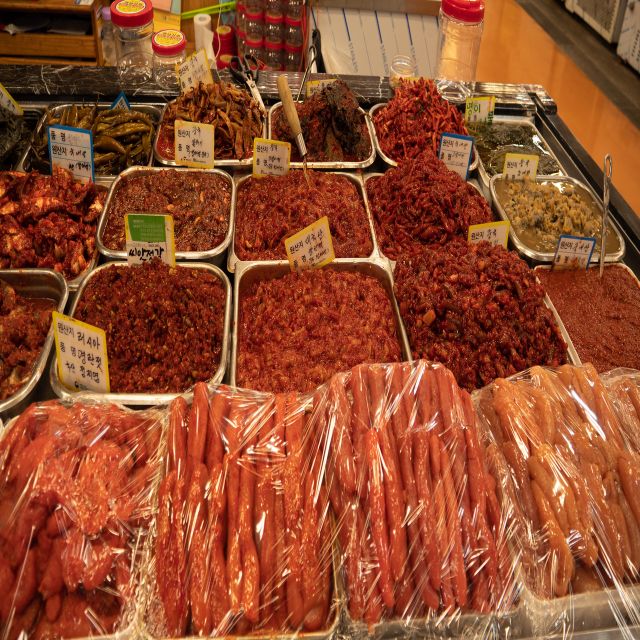
And yes, you’ll get some direction on how to eat sashimi Korean-style, which is useful if you’re used to ordering sashimi like an appetizer in restaurants elsewhere. Korean eating habits can be more integrated with the stew, sides, and sauces you’re given.
Price check: is $110 actually good value?
At $110 per person for about 2 hours, this isn’t the cheapest food tour option in Seoul. But it’s also not “pay for a walk and a minor snack.”
You’re paying for three things that add real value:
- A professional, English-speaking local guide who explains what you’re seeing (not just leads you through)
- A behind-the-scenes vendor viewing, where you actually watch fish being prepared
- Lunch included, with seasonal sashimi and spicy fish stew
When you factor in the guide time plus the meal, the cost starts to make sense. If you’re coming to Noryangjin anyway, doing it with a guide typically saves you from spending your lunch budget on trial-and-error ordering.
If you want maximum value, treat this as both a cultural primer and a meal. Do not plan to spend a second long session “figuring out what to eat.” Let the tour do that work for you.
Guides make or break the experience
This is one of those tours where the human element shows up fast. The group stays small (up to 10 people), which makes it easier for the guide to explain clearly and answer questions.
I’ve seen praise for guides by name, including Sophie and Joy for strong explanations of the fish and shellfish, and for keeping the group comfortable. Sally is mentioned as friendly and entertaining, with lots of useful market facts. Steve and Sujin also receive credit for communication and knowledge, plus helping people feel like they belong in a place that can seem intimidating at first.
If you’re English-speaking and prefer to learn while you eat, this guide-led setup is a big reason the rating stays high.
What to expect from the food: sashimi and spicy fish stew
Your lunch is built around seafood you can recognize and seafood that might surprise you. Seasonal assorted sashimi gives you a baseline taste of freshness, while spicy fish stew adds heat, comfort, and a cooked-food experience that shows how Korean cuisine balances raw and warm seafood.
If you’re worried about spicy food, you can ask your guide about what to expect, especially since they also can accommodate allergy information when you share it in advance. If you’re cautious about eating something unfamiliar, the guide’s explanations make it easier to choose confidently.
A practical tip: eat the way locals do when you can. If a guide shows you how to assemble bites or suggests a sauce pairing, follow it. It’s not “food theater.” It’s how the flavors are meant to work.
Who this tour suits best (and who should skip it)
This is a great fit if:
- You want a cultural seafood lesson, not just photos
- You like hands-on viewing moments, like watching filleting
- You’d rather ask a guide than gamble your way through menus
It may be less ideal if:
- You hate crowds, strong smells, or slick surfaces
- You want a long, unstructured experience with lots of free time
- You’re only interested in the seafood meal and would rather eat later at your own pace
Also, because it’s a foreigner-only market tour format, it’s designed for international visitors. That’s a comfort factor if you worry you won’t know what to ask or how to interpret what’s in front of you.
Small details that matter at a working fish market
This is where I’d plan like a local.
First, dress for the environment. Market floors can feel damp, and you’re walking through areas that are practical for vendors, not tourists. Bring slip-resistant shoes, and consider waterproof socks if you’re traveling in rainy seasons.
Second, go in hungry but stay flexible. The meal is included and based on seafood availability, so you might encounter items you don’t normally order in other countries. That’s part of the point here: learning as you eat.
Third, bring questions. The best tours don’t happen because the guide talks the whole time. They happen because you ask about what you’re seeing—especially unfamiliar seafood.
Should you book the Noryangjin Sea-food market tour?
Book it if you want to understand Noryangjin instead of just passing through it. The combination of guide storytelling, vendor filleting viewing, and a real included seafood lunch makes the $110 price feel fair for a 2-hour experience.
Skip it if you prefer quiet, slow shopping or if you’re sensitive to the realities of a working market. In that case, you may enjoy Noryangjin more on your own, or choose a different food format.
FAQ
FAQ
Is this tour only for foreigners?
Yes. It’s described as a foreigner-only market tour of Noryangjin Fish Market, led by an English-speaking local guide.
How long is the Noryangjin Fish Market tour?
The tour lasts 2 hours.
What’s included in the price?
The tour includes a local tour guide and lunch, which is seasonal assorted sashimi and spicy fish stew.
Where do we meet for the tour?
Meet at Exit 7 of Noryangjin Station.
What language is the guide?
The live tour guide is English.
How big is the group?
The group is small, limited to 10 participants.
Is the tour wheelchair accessible?
Yes, it’s listed as wheelchair accessible.
Can I cancel for a full refund?
Yes. You can cancel up to 24 hours in advance for a full refund.
What if there are fewer than 4 participants?
If the number of participants is under 4, the tour will be canceled, and you’ll be notified by WhatsApp.
Are reservations confirmed on weekends and holidays?
Reservations cannot be confirmed on weekends and holidays.