REVIEW · SEVILLE
Seville: Food Tour with 10 Tastings of Tapas, Ham, Churros
Book on GetYourGuide →Operated by Secret Food Tours · Bookable on GetYourGuide
Hungry is the right mode for Seville. This 3.5-hour secret food tour turns Old Town walking into a fast, tasty education with 10 tastings, including Iberian ham and a secret dish. You’ll also get stories tied to baroque and gothic monuments, plus the kind of local pacing that helps you enjoy the city instead of rushing it.
What I like most is the food-to-explanation ratio. You’re not just handed plates; you learn why dishes taste the way they do and how drinks like sherry, beer, and tinto de verano match the flavors. The second big win is the guidance: people like Cristina (and Sarah) are called out for sharing practical suggestions you can use after the tour. One thing to consider first: expect a fair amount of walking, and it’s not suitable for wheelchair users or people with mobility impairments.
In This Review
- Key things that make this Seville food tour worth it
- Starting at Plaza del Salvador: what the first minutes teach you
- The 10 tastings: tapas, ham, stews, and the pacing trick
- Drinks that actually make sense with tapas (not just free booze)
- Old Town monuments as part of the meal, not a detour
- Stops built around classic Andalusian comfort food
- Sea notes and tang: anchovies in vinegar and how to order better later
- The secret dish: the part you can’t plan, and that’s the point
- Churros and hot chocolate: why the ending works
- Price and value: what $98 buys you in real terms
- Who should book this Seville food tour (and who should skip)
- Should you book? My decision guide
- FAQ
- Where is the meeting point?
- How long does the tour last?
- What food and drinks are included?
- Is the menu the same every day?
- Is the tour in English, and how big is the group?
- Can I cancel for a refund, and can I pay later?
- Is this tour suitable for wheelchair users?
Key things that make this Seville food tour worth it
- 10 tastings in 3.5 hours covering tapas, Iberian ham, stews, and a secret dish
- Old Town route with baroque and gothic monuments plus calmer side streets you might skip on your own
- Andalusian specialties on the menu like pork cheeks stew, pringá, pinchito, anchovies in vinegar
- Drinks paired with bites including local beer, tinto de verano, vermouth, and sherry-style options
- Churros with hot chocolate that land as a proper finale, not an afterthought
Starting at Plaza del Salvador: what the first minutes teach you
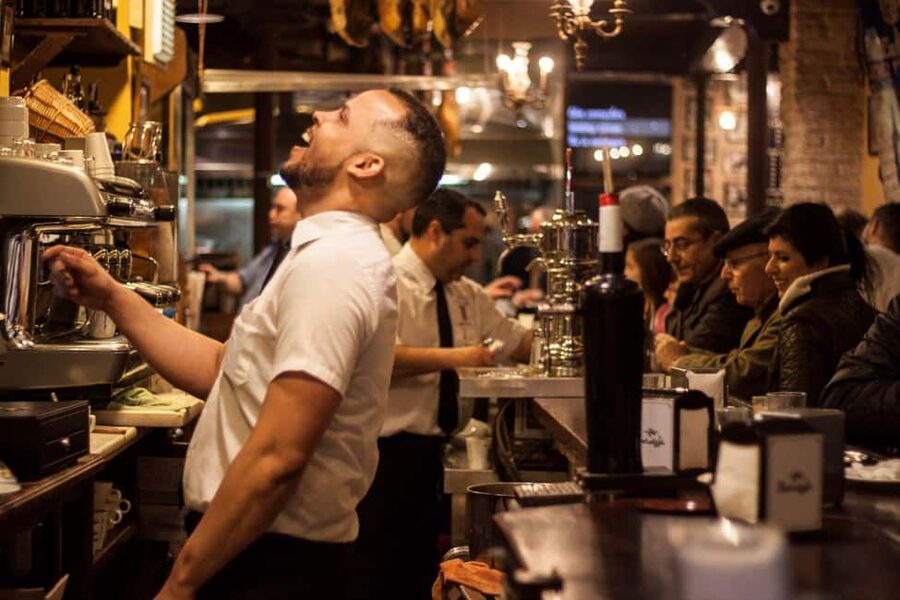
The tour begins at Plaza del Salvador, with your guide holding an orange umbrella. That meeting point matters because it puts you right where you can start building a map in your head. You’re not only collecting food; you’re also learning how Seville lays out its streets, plazas, and monument clusters.
From there, the walk focuses on Seville’s older parts, where you see baroque and gothic monuments while you’re busy eating. This is a smart move. If you try to do the sights first and the food later, you end up with two half-experiences. Here, the food keeps your energy up, and the sights give context to what you’re tasting.
The pace is designed for a small group, capped at 10 participants. That’s not just a comfort thing. Smaller groups make it easier for the guide to keep track of what you’ve had, how much is left, and where the next stop should be based on what’s available that day.
You can also read our reviews of more food & drink experiences in Seville


The 10 tastings: tapas, ham, stews, and the pacing trick
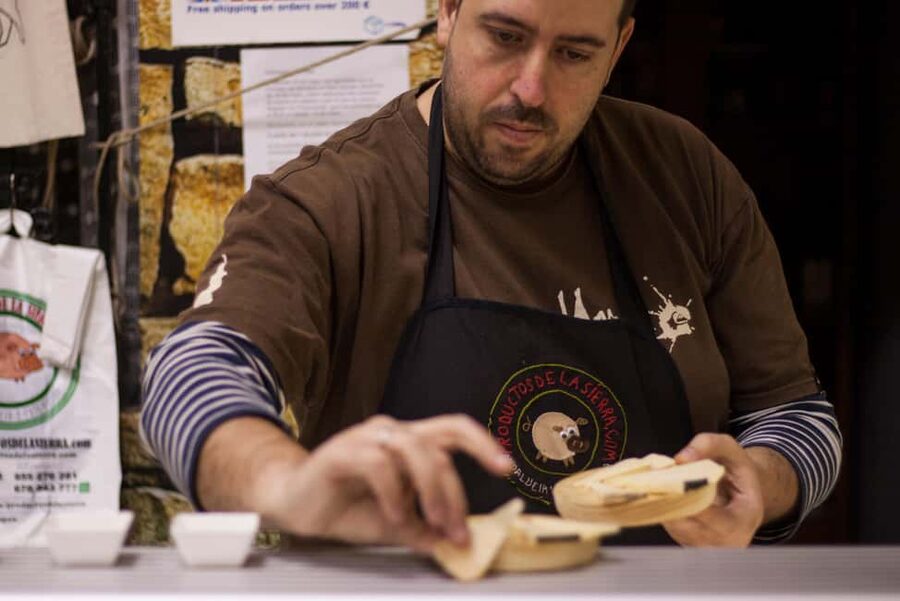
This tour is built around tastings—around 8+ tapas and Andalusian specialties, plus additional items like churros, drinks, and a secret dish revealed on the day. In plain terms: you’ll get a lot of variety without needing to commit to a full meal at every stop.
Here’s the tasting mix you can expect in the lineup:
- Iberian ham: Spain’s cured showstopper, served in a way that lets you taste the quality, not just the salt.
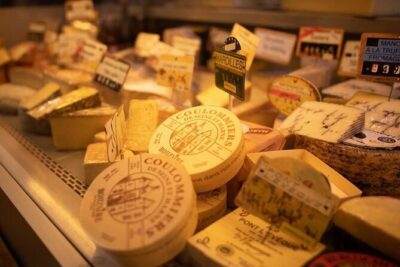
- Local cheese: Andalusian-style varieties that help you compare textures and flavors against the cured meats.
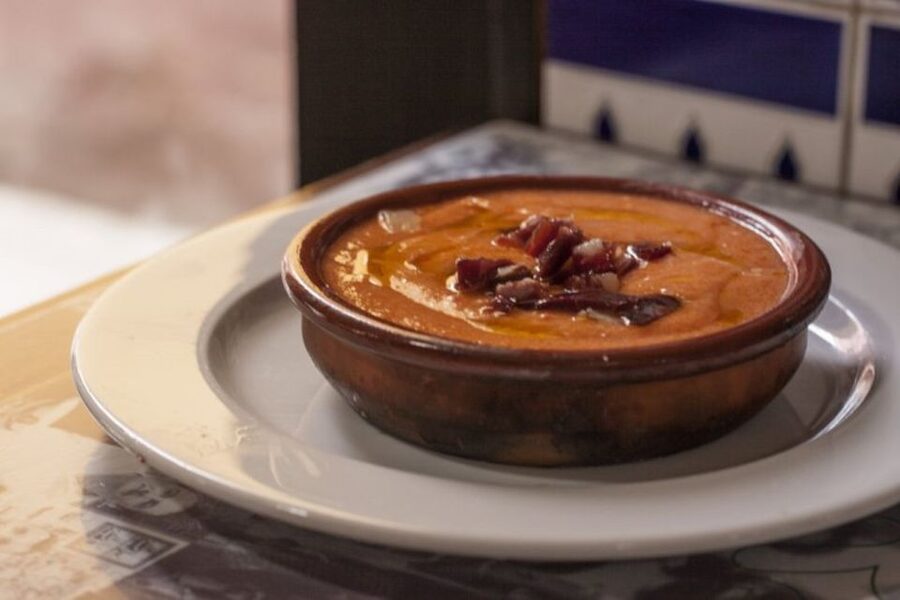
- Pork cheeks stew: slow-cooked comfort in rich gravy. It’s the kind of dish that makes you understand why stews are so loved in this region.
- Oxtail stew or Andalusian-style spinach: seasonal rotation, which is useful if you’re visiting at a time when certain ingredients or menus change.
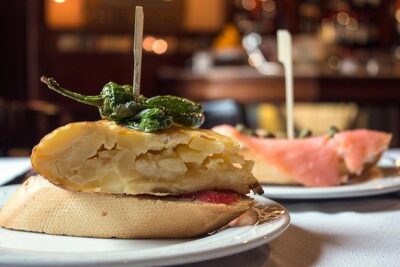
- Pringá sandwich: slow-cooked meats tucked into a warm Andalusian roll. This is hearty, and you’ll want it later rather than right at the start.
- Anchovies in vinegar: fresh, zesty, and a good reminder that Andalusian food isn’t only about deep stews and cured pork.
- Pinchito: a traditional pork skewer—simple, direct, and great for those moments when you want a savory bite that feels street-level.
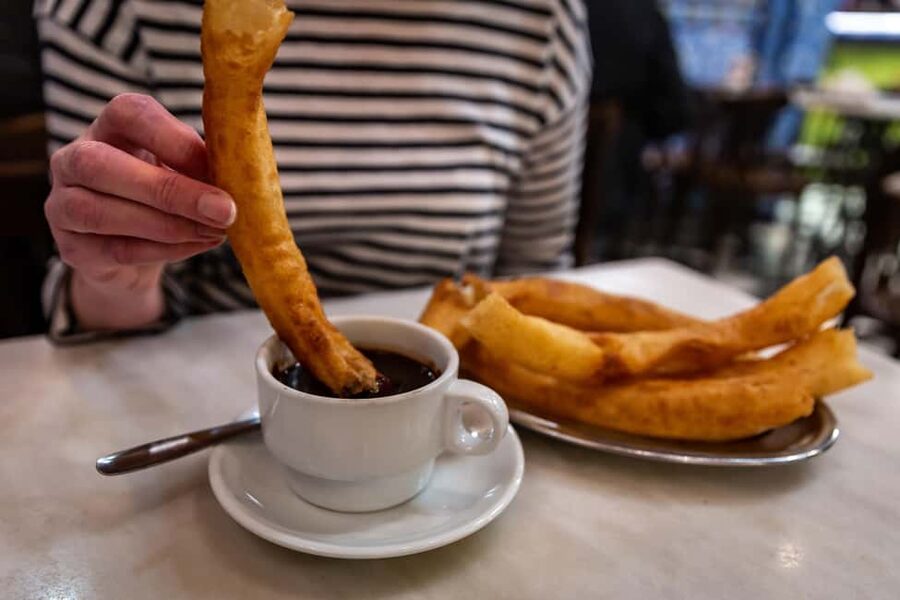
- Churros with hot chocolate: crispy fried dough paired with something warm and thick for dipping.
- Secret Dish: revealed only on your tour day, so there’s genuine anticipation built into the experience.
The hidden value here is pacing. Tastings are small enough that you can sample widely, but they’re still substantial enough to satisfy. You get to taste contrast: cured and creamy, fried and soft, tangy and rich. That contrast is what turns a food tour from snack-hopping into an actual understanding of the cuisine.
Drinks that actually make sense with tapas (not just free booze)
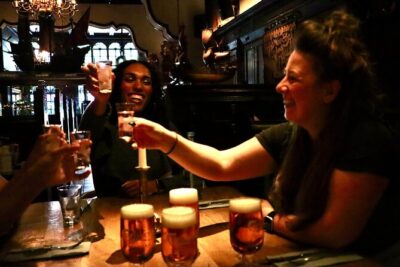
One reason this tour works well is how it connects food with drinks. Yes, you’ll taste drinks, but the point is pairing and rhythm.
You can expect:
- Local beer
- Tinto de verano (a light red-wine-based summer favorite)
- Vermouth, a classic Spanish aperitif
- Water, available throughout the tour
There’s also a focus on local wine or sherry pairing with the dishes. Even if you don’t consider yourself a wine person, the tour format helps you understand why certain drinks cut through fat, lift saltiness, or balance vinegar and cured flavors.
If you’re the kind of traveler who tends to forget what you ordered 30 minutes after tasting it, this is a relief. The guide’s job is to turn drink choices into a small lesson you can carry into your own dinner plans later.
Old Town monuments as part of the meal, not a detour
A food tour in a historic city can go two ways: either it’s mostly eating with a quick photo stop, or it’s just a walking lecture that forces you to snack between sentences. This one tries to mix both, and the result is that you get context without losing time.
As you move through Seville’s historic heart, you’ll pass monuments tied to the city’s layered influences—Moorish, Christian, and Jewish. The practical payoff is that you’ll see how those influences shaped the city itself, not just as trivia, but in the way the neighborhoods feel and how local traditions show up in everyday life.
The guide also points out “hidden” corners and stories—small places and details that locals care about. Even if you’re familiar with Seville’s big sights, it’s useful to get your bearings early. By the end, you’ll know which streets feel lively, which areas are calmer, and where you’d want to return for a second look.
Stops built around classic Andalusian comfort food
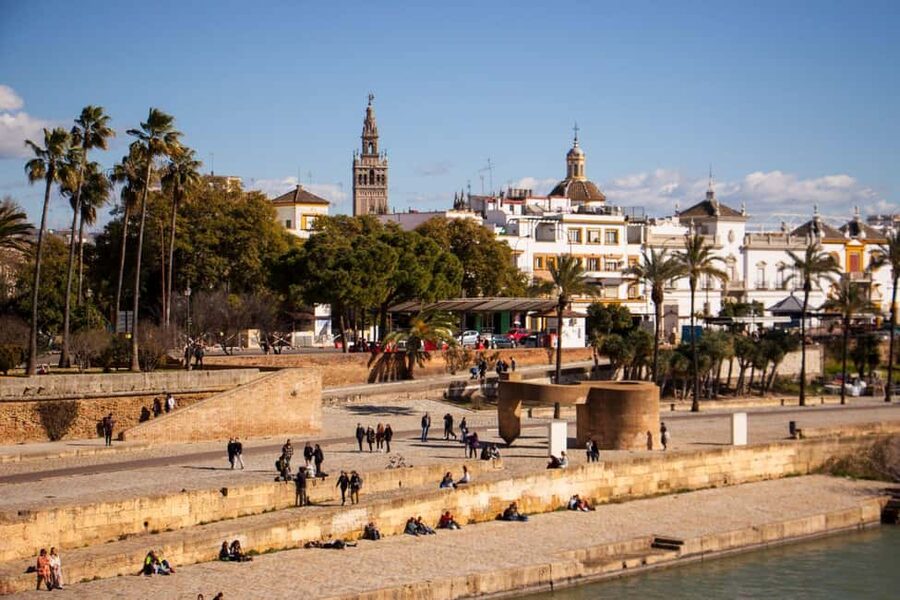
A big chunk of the experience leans into classic Andalusian comfort: slow cooking, cured meats, warm bread, and the kind of savory flavor that makes you want to take one more bite even after you’re full.
Here’s what stands out about the included dishes:
Pork cheeks stew is the kind of dish that tastes better than it sounds. It’s slow-cooked in a rich gravy sauce, so it feels rounded and deep. It also helps you reset your palate after cured items like Iberian ham.
Pringá sandwich turns slow-cooked meats into something portable. That matters because street food style doesn’t just taste good; it also makes the tour feel like Seville rather than a restaurant circuit.
Pinchito, a traditional pork skewer, is a good mid-tour snack. It’s easy to eat while you’re walking and listening, and it bridges the gap between richer dishes and lighter, sharper bites.
The menu flexibility is worth noting too. You’ll see at least one seasonal choice (oxtail stew or Andalusian-style spinach). That means the tour can be adjusted to what’s actually available on the day, which is a practical sign that the experience isn’t running on a rigid script.
A few more Seville tours and experiences worth a look


Sea notes and tang: anchovies in vinegar and how to order better later
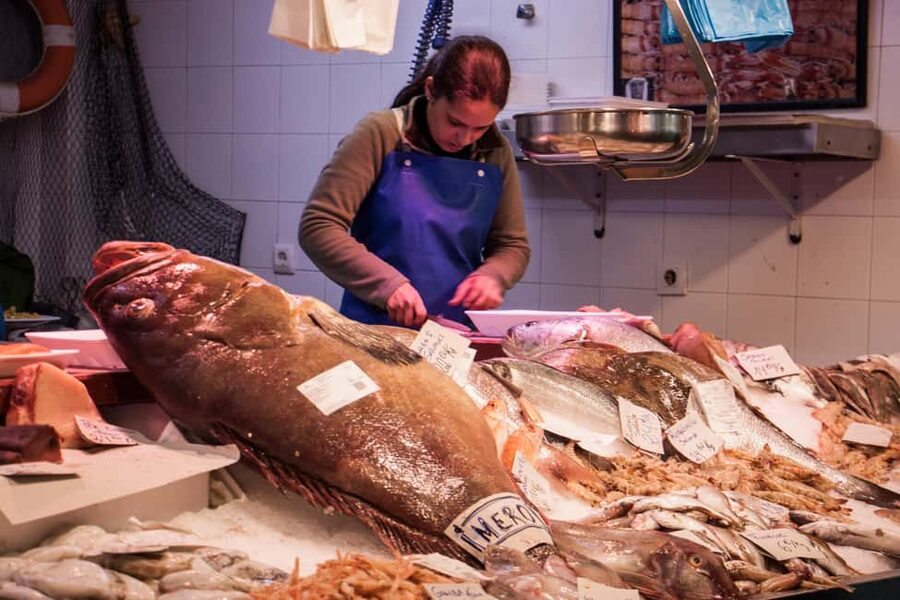
Not every Andalusian food tour gives you something tangy. Here, anchovies in vinegar bring a fresh, zesty edge to the mix. It’s a smart palate move because vinegar can cut through salt and fat and keep you from feeling like every bite is the same flavor family.
This is also where you’ll learn something that pays off after the tour. When you understand how vinegar works with cured and salty items, you get better at ordering in regular tapas bars. You’ll start making choices based on contrast: one rich dish, one bright dish, one bread-based anchor. That keeps your own meals from turning into a random pile of plates.
If you’re traveling with people who can be picky—someone who wants meat, someone who wants fish—the variety here gives you common ground. You might all have different favorites, but nobody should feel stuck with a single style of food.
The secret dish: the part you can’t plan, and that’s the point
The star of any secret tour is usually the surprise, and here it’s explicit: Our Delicious Secret Dish is revealed only during your experience.
That matters because it keeps you curious for most of the route. You’re paying for a guided sequence, but you’re also paying for the feeling of anticipation. It’s easier to stay engaged when there’s a “next thing” that you don’t already know.
Since the tour is also subject to change depending on availability and weather, the secret dish is the best example of why a guided tasting experience can feel more alive than a fixed menu. You’re tasting what the day can deliver.
Churros and hot chocolate: why the ending works
By the time the tour reaches churros with hot chocolate, you’re usually ready for something fun and comforting. Churros are easy to eat, they pair naturally with a warm drink, and they give you a classic Seville ending without dragging out the experience.
This is not just dessert. It’s also a final palate reset. Fried dough and thick chocolate round out the tour because you go from savory and rich flavors to something sweet and satisfying.
If you plan to keep walking after the tour, churros are a good “cap” on the meal. You won’t feel like you’re still hungry, but you also won’t feel weighed down in the same way a big sit-down dessert can.
Price and value: what $98 buys you in real terms
At $98 per person for about 3.5 hours, this tour isn’t cheap, but it also isn’t priced like a single fancy meal. You’re paying for:
- multiple tastings across different dish types
- paired drinks (beer, tinto de verano, vermouth, and wine/sherry-style pairing)
- a guide who connects dishes to the city and helps you find your footing in Old Town
- a small group experience limited to 10 participants
- the secret dish element, plus a classic churros finale
For a practical comparison, the cost usually pencils out when you realize how expensive it is to do tapas the “guessing” way—order a few plates, pay for drinks, and hope you picked well. This tour removes a chunk of that risk. You’re also not spending your evening bouncing between places trying to figure out which one is good.
The main “cost” you’re taking is time and walking. If you’d rather spend 3.5 hours sitting down slowly, this may not be your favorite format.
Who should book this Seville food tour (and who should skip)
You’ll likely love this tour if you:
- want a fast way to learn Andalusian food through real tastings
- like walking tours where the food stays the focus
- plan to eat on your own later and want help ordering smarter
- enjoy pairing food with drinks and getting explanations that make it easier to repeat at home
Skip it if you:
- have mobility limitations that make regular walking hard
- hate surprises, since the secret dish is intentionally unknown until the day
- prefer restaurants over bar stops, because this is built around tasting locations while you move through Old Town
Also, if you have dietary needs, this tour can likely work with planning. You’ll just want to contact them in advance so the guide can cater as best as possible.
Should you book? My decision guide
If you’re short on time in Seville and you want one activity that improves everything else—your sightseeing flow and your later meal choices—this is an easy yes. The strongest part is the combination of tastings + pairing + guide-led context, all wrapped in a small-group walk through the city’s older streets.
If you’re already an ultra-confident tapas-orderer who knows exactly where you’re going, you might feel like you could DIY it. Still, even then, the variety of included dishes (ham, stews, anchovies in vinegar, pinchito, and churros) is a tough mix to replicate in a single afternoon without planning.
My suggestion: book it early in your Seville stay. You’ll get your bearings fast, and you’ll know what to chase for the rest of the trip.
FAQ
Where is the meeting point?
Meet at Plaza del Salvador. Your guide will be standing there to greet you with an orange umbrella.
How long does the tour last?
The tour lasts 3.5 hours.
What food and drinks are included?
You’ll get tastings that include churros with hot chocolate, Iberian ham, local cheese, pork cheeks stew, oxtail stew or Andalusian-style spinach (seasonal), pringá sandwich, anchovies in vinegar, pinchito, a secret dish revealed on the tour, plus local beer, tinto de verano, vermouth, and water available throughout.
Is the menu the same every day?
The itinerary and menu can change based on locations’ availability, weather, and other circumstances.
Is the tour in English, and how big is the group?
It’s a live tour guide in English, and it’s a small group limited to 10 participants.
Can I cancel for a refund, and can I pay later?
Yes. You can cancel up to 24 hours in advance for a full refund, and you can reserve now & pay later (book your spot and pay nothing today).
Is this tour suitable for wheelchair users?
No. It’s not suitable for people with mobility impairments and wheelchair users, and it involves a fair amount of walking.