REVIEW · BOSTON
Boston Freedom Trail History and Food Tour
Book on Viator →Operated by ExperienceFirst · Bookable on Viator
History and lunch walk together in Boston. This is a small-group Freedom Trail history-and-food walk where you can ask questions often, and it also puts you near the Boston Public Market for smart photo stops while you plan what to taste.
My favorite part is the way the guide ties major landmarks to everyday food habits, with lesser-known stories that make the route feel like a living neighborhood. The one drawback to plan for: food isn’t included, so if you want the recommended bites, you’ll likely add about $30 to your $39 ticket.
In This Review
- Key points to know before you go
- Freedom Trail with food and questions built in
- Price and value: what $39 really buys
- How the 2-hour walk fits Boston: timing and meeting points
- Boston Public Market: produce, artisan bites, and colonial staples
- Haymarket stop: fresh prices, but only on certain days
- Blackstone Block and the Holocaust Memorial with glass towers
- Quincy Market and the Cradle of Liberty
- The Georgian-style architecture view and the Greenway after the Big Dig
- Salumeria Italiana: Italian paninis with cut-to-order focus
- Paul Revere House and Paul Revere Mall: the midnight ride story beat
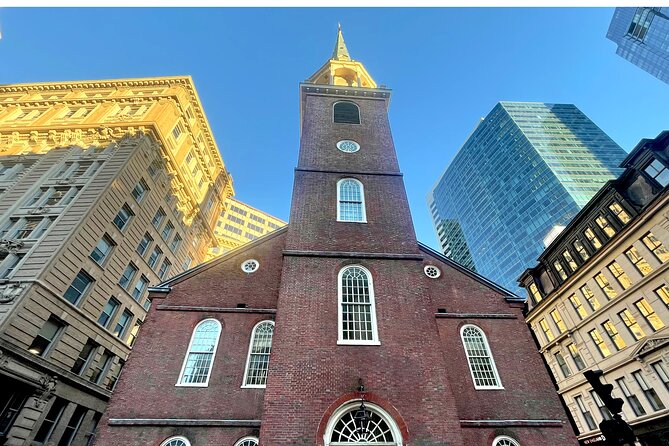
- Old North Church outside: Revolution clues you can see fast
- Parziale’s Bakery cannoli: Italian-American tradition with a sweet finish
- Who this tour fits best in Boston
- Should you book the Boston Freedom Trail History and Food Tour?
- FAQ
- How much does the Boston Freedom Trail History and Food Tour cost?
- How long is the tour?
- What time does the tour start, and where do we meet?
- Where does the tour end?
- Is food included in the ticket price?
- Are admission tickets included for the stops?
- How large is the group?
- Is Haymarket open every day?
- Are service animals allowed?
- Can I cancel for a full refund?
Key points to know before you go
- Max 15 people means you get more time for questions than on bigger tours
- Boston Public Market start gives you a quick handle on New England staples
- Short stops, clear pacing work well for people who don’t want a long slog
- North End food moments include Italian paninis and cannolis (optional, but worth budgeting)
- Flexible swaps if a venue is closed on your day
- Paul Revere House and Old North Church connect the legend to the street-level sights
Freedom Trail with food and questions built in
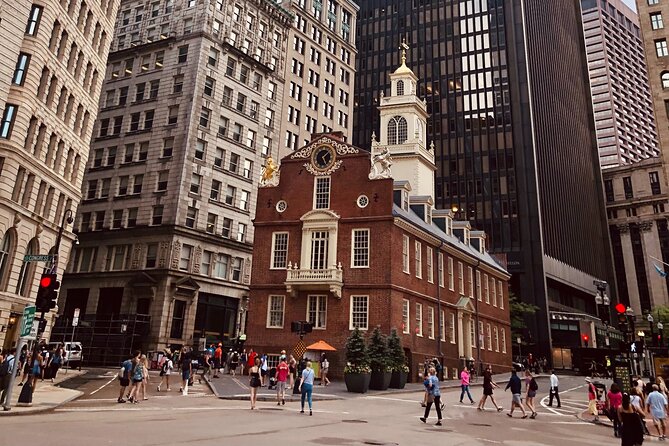
If you like history but also like eating, this kind of tour makes sense. You get a guided walk through the Freedom Trail area, plus pauses that are designed for stopping, looking, and asking questions.
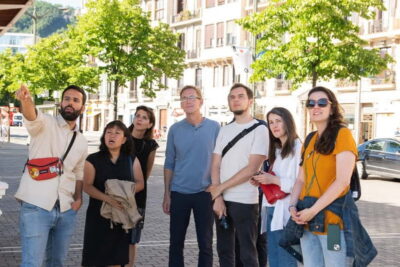
What I like most is the group size. With a maximum of 15 people, the pace feels human, and the guide can actually respond instead of racing ahead to hit every photo angle.
You’ll also notice the tour doesn’t treat food as an afterthought. The stops are chosen to show how Boston neighborhoods eat and remember, not just what famous spots look like from the sidewalk.
You can also read our reviews of more food & drink experiences in Boston


Price and value: what $39 really buys
At $39 per person, you’re paying for the guided walking tour, not a full meal plan. The ticket includes the professional guide, local stories, and food recommendations, but you’ll pay for food separately (optional, about $30 total if you follow the suggestions).
In practice, that means you can control your budget. If you want to snack lightly, you can. If you want the full North End experience, you can without guilt, because the tour already tells you where the good options are.
Also, the stops listed don’t have paid admission ticket requirements. That’s a nice perk because it keeps the experience from turning into an extra-fee scavenger hunt.
How the 2-hour walk fits Boston: timing and meeting points
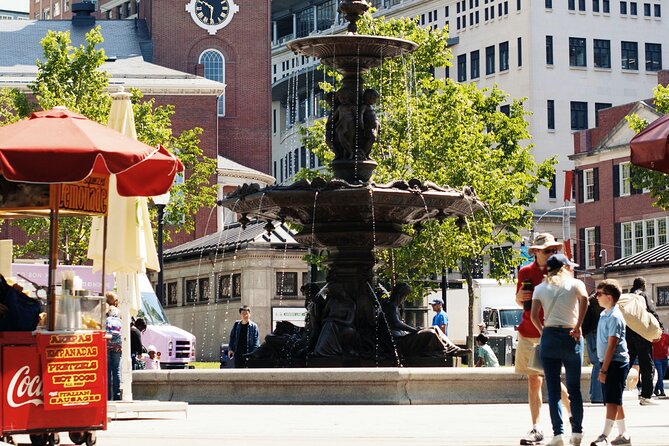
This tour runs about 2 hours and starts at 11:00 am. It begins at Boston Public Market, 100 Hanover St, Boston, MA 02108, and ends across from Polcari’s Coffee, 105 Salem St, Boston, MA 02113.
That end point matters. You’ll be in the North End area afterward, where it’s easy to keep wandering for espresso, gelato, or a second round of casual people-watching. And since it’s near public transportation, you’re not trapped once you finish.
One more practical note: this tour tends to book ahead. If you’re aiming for a specific day and you care about your preferred time, I’d treat it as something to plan earlier rather than last-minute.
Boston Public Market: produce, artisan bites, and colonial staples
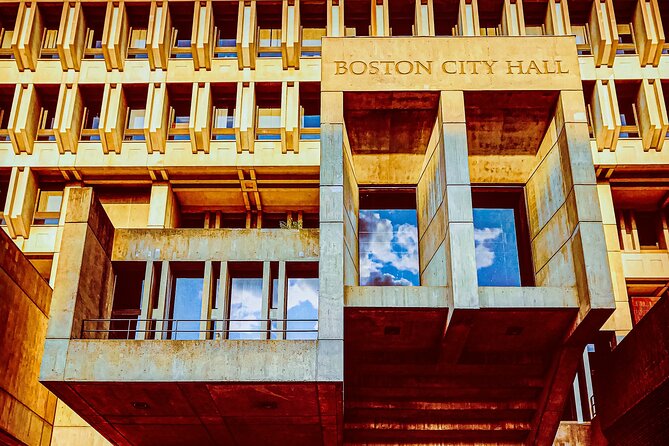
Your tour starts at Boston Public Market. This is a great warm-up stop because it’s not just about history on a plaque; it’s about what people buy, cook, and crave.
You’ll see New England produce and artisanal foods, and the tour gives you the option to try Colonial-era staples like clam chowder and baked beans. If you want to understand how food traditions became part of Boston identity, starting here is smart.
Time is short, about 20 minutes, so you’ll need to decide quickly if you’re purchasing something. If you’re the type who likes to browse first, go in with one or two targets so you don’t lose the rest of your walking time.
Photo tip: plan at least a minute for exterior shots and then move. The market area can tempt you into lingering, and the tour keeps a steady rhythm.
Haymarket stop: fresh prices, but only on certain days
Next up is Haymarket, known for fresh produce and bargain pricing. You get about 10 minutes, so it’s more of a taste-and-look moment than a full shopping trip.
Here’s the key timing detail: Haymarket is open Fridays and Saturdays only. If your tour day falls on another day, the guide will swap in a great alternative stop, so you won’t be stuck with nothing to see.
What you’re really getting from this stop is contrast. You’ll go from markets with a wider foodie vibe to a classic produce-and-errands feeling, which helps you understand the city’s daily food energy—not just its tourist face.
If you have a sweet tooth or you’re chasing something specific to snack on, keep your expectations flexible and let the guide’s recommendations lead.
A few more Boston tours and experiences worth a look




Blackstone Block and the Holocaust Memorial with glass towers
Then the tour shifts into a more reflective mode at the Blackstone Block Historic District. You walk one of Boston’s older street segments while learning how the past lived right here, not far away.
You also pause at the Holocaust Memorial, including the symbolic glass towers. This stop is short (around 15 minutes), but the emotional weight is real, so it’s not a “quick photo and go” moment.
The value here is pacing. After food and markets, it grounds the walk in what people endured and remembered. It also shows how the Freedom Trail isn’t only about battles and heroes—it’s also about moral history and remembrance.
If you prefer tours that keep emotions light, this may feel like a reset you didn’t expect. If you like your history honest, you’ll probably appreciate the balance.
Quincy Market and the Cradle of Liberty
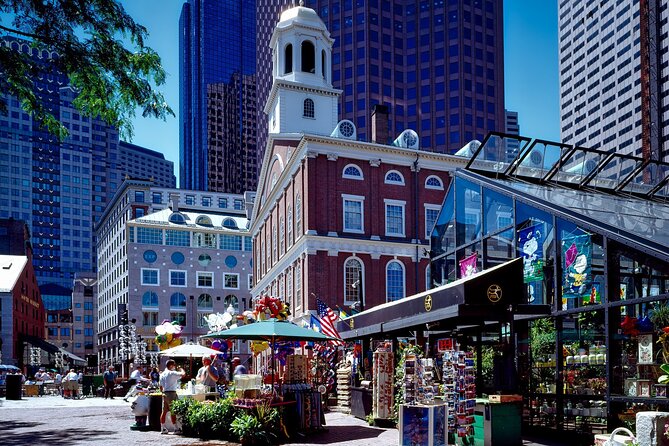
At Quincy Market, you’ll get about 10 minutes of landmark energy. This area is tied to the Revolutionary story, famously known as the Cradle of Liberty, and the guide helps connect the famous name to the street-level experience.
You’ll also find many different food options nearby, which makes this a natural place to decide whether you want to grab something on the spot later. The tour itself keeps moving, so don’t confuse this stop with a long meal break.
One drawback: if you’re hungry at this point and your group moves quickly, you might want to come prepared with either a snack plan or a little patience. The tour is designed to keep you from missing the rest of the route.
The Georgian-style architecture view and the Greenway after the Big Dig
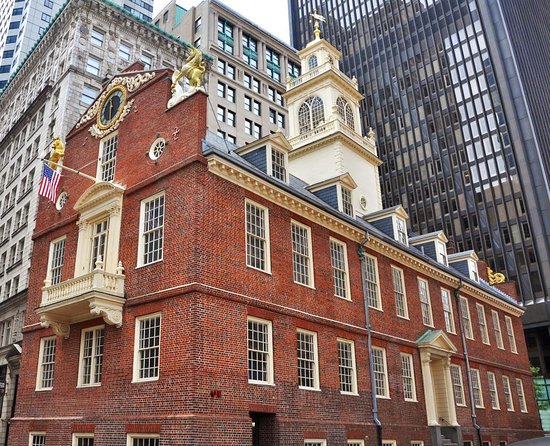
The itinerary includes an outdoor view of stunning Georgian-style architecture—a building that reflects Boston’s shift from historic economic power to today’s tourist hub. Since you’re seeing it from the outside, focus on details: proportions, window rhythm, and the way the building anchors the street scene.
Then you stroll through the Rose Fitzgerald Kennedy Greenway, created through the Big Dig project. This part lasts about 5 minutes, but it’s useful. You’re walking through evidence of how Boston reshaped itself to make room for modern life while still keeping old neighborhoods connected.
This is a nice “breather” section. After walking on streets with heavy history, you get a more open-air pause, with space to regroup and reset your attention.
Salumeria Italiana: Italian paninis with cut-to-order focus
Now the tour heads into the North End food zone with Salumeria Italiana. Expect about 20 minutes, and the emphasis is on Italian paninis.
This is where the tour earns points for practical advice. The deli meats are cut to order, and the shop combines them with fresh bread and cheeses. That matters because it’s not just about having something tasty; it’s about why the sandwich tastes better.
It’s also a good stop if you’re traveling with people who want food to be a sensory experience, not a random snack. You get to smell, watch the process, and decide based on what sounds best to you at that moment.
If you want a “safe choice,” ask the guide what pairs well with the sandwiches they’re suggesting. The tour’s whole point is that you’ll leave with recommendations you can repeat later on your own.
Paul Revere House and Paul Revere Mall: the midnight ride story beat
At The Paul Revere House, you walk through the area around Paul Revere Mall and past Paul Revere’s historic home. The guide shares the legend of his midnight ride with the kind of story structure that helps it stick.
This stop lasts about 15 minutes, which is long enough to get the story context but short enough that you don’t feel trapped waiting your turn. If you’re a “I need the why” person, this is where you’ll connect the legend to the people and pressure of the moment.
Practical tip: if you’re short on time after the tour, this is a great anchor point for what to revisit later. Even if you skip a purchase, you’ll still leave with a clearer mental map of where the legend happened and why it mattered.
Old North Church outside: Revolution clues you can see fast
Next is Old North Church & Historic Site. You get around 5 minutes, and the focus is the church’s role in the American Revolution plus the architecture outside.
Because this is a quick exterior stop, don’t expect a full museum-style explanation. Think of it as a visual cue that the guide uses to connect your route into the Revolution story arc.
The best way to enjoy this part is to look slowly for a few seconds at a time—details you can spot from the sidewalk. It helps the building feel less like a postcard and more like a real, lived space.
If you’re the type who likes to take lots of photos, use a quick rhythm: one wide shot, one detail, then move so you don’t slow the group.
Parziale’s Bakery cannoli: Italian-American tradition with a sweet finish
To close the food side of the tour, you reach Parziale’s Bakery. The stop is about 10 minutes, with freshly filled cannolis from a century-old bakery.
This is the kind of finish that works even if you don’t plan to buy much else. A cannoli is small, portable, and easy to share, which makes it a good reward for the walking and the listening.
If you care about freshness, this is the point where the tour’s timing helps you. You’re not grabbing a sad, pre-packed dessert hours later. You’re sampling something that fits the moment.
One caution: if you’re planning to eat more after the tour, consider pacing yourself. It’s an easy trap to overdo sweets when you’re already thinking about the next stop.
Who this tour fits best in Boston
This is ideal if you want a single route that blends Freedom Trail context with meals and snack stops you can actually use later. The small group format makes it especially good for people who like asking questions, not just collecting photos.
It’s also a great fit if you enjoy socializing with fellow food lovers and history buffs. The tour pacing gives you time to talk without making it awkward or forced.
You might want a different plan if you’re expecting everything to be food-heavy and fully included. The tour provides recommendations, but you’re still the one paying for any bites you choose.
Should you book the Boston Freedom Trail History and Food Tour?
Book it if you want value, structure, and Boston-flavored context in one easy package. The guide-driven storytelling, plus the market-and-North-End stops, is the reason this works: it turns a list of landmarks into a route with food logic and human-scale timing.
Skip it (or pair it with a more independent food plan) if you dislike optional spending and you want a tour where meals are fully covered. Also, if you’re allergic to lots of common foods or you’re extremely picky, you’ll need to be ready to ask questions quickly at each stop.
If you like history with practical street details and you’re okay budgeting around $30 for the recommended bites, this is a strong pick for a first-time Freedom Trail walk.
FAQ
How much does the Boston Freedom Trail History and Food Tour cost?
It costs $39.00 per person.
How long is the tour?
It lasts about 2 hours.
What time does the tour start, and where do we meet?
The tour starts at 11:00 am at Boston Public Market, 100 Hanover St, Boston, MA 02108.
Where does the tour end?
The tour ends across from Polcari’s Coffee at 105 Salem St, Boston, MA 02113.
Is food included in the ticket price?
Food isn’t included. The tour includes a guided walking experience and food recommendations, and you can buy recommended items separately. The total optional food cost is around $30.
Are admission tickets included for the stops?
Admission ticket costs are listed as free for the stops in the itinerary.
How large is the group?
The tour has a maximum size of 15 people.
Is Haymarket open every day?
No. Haymarket is open on Fridays and Saturdays only.
Are service animals allowed?
Yes, service animals are allowed.
Can I cancel for a full refund?
Yes. You can cancel up to 24 hours before the experience start time for a full refund.