REVIEW · LONDON
Traditional English Walking Food Tour With London Food Tours
Book on Viator →Bookable on Viator
London Bridge is where your lunch story starts. This Traditional English Walking Food Tour with London Food Tours combines a quick history primer with a hands-on walk through Borough Market, so you’re eating the culture and not just collecting photos. I love the small group size (max 10), because it’s easier to hear your guide and stay together in a dense market. I also like that the guide does the navigating, while you focus on samples, sights, and the food origins that explain why England eats the way it does.
The one catch: it’s a lot of food in about 3.5 hours, plus you’re walking around Borough Market. Wear comfortable shoes and come with an appetite, because you’ll want room for the cheese, the hot savory bites, and the final cream tea.
In This Review
- Key points to know before you go
- London Bridge to Borough Market: the history setup that makes food click
- Borough Market walk: how the tour turns a huge market into a smart route
- Bacon bap, pies, oysters, and jellied eel: the savory lineup that feels properly British
- Cheese tasting and scotch egg: why these stops can be the best part of the meal
- Pub moment and sweet history: Shakespeare-era flavor, plus candy and chocolate
- Cream tea finish at the end: scones, clotted cream, and a pot of tea
- What’s included, and why it’s usually the real value
- Price and pacing: who this suits best (and who might feel it’s too much)
- Smart tips so you enjoy every stop without running out of steam
- Should you book the Traditional English Food Tour with London Food Tours?
- FAQ
- How long is the Traditional English Walking Food Tour?
- Where do you meet at the start, and where does the tour end?
- What’s included in the tour price?
- Is alcohol included, and are there age requirements?
- Can the tour accommodate vegetarians?
- Can I get a full refund if my plans change?
Key points to know before you go
- London Bridge start: you begin with a short food-and-city overview, then head straight into the market action
- Borough Market sampling focus: you’ll work through multiple hand-picked stops without getting lost
- A wide range of classic bites: think bacon bap, hot meat pies, oysters, jellied eels, fish and chips, scotch egg, and more
- Cheese tasting built in: 5+ British cheeses with crackers and chutney from a local artisan
- Drink pairings with rules: champagne, beer/ale/cider, English mead, The King’s Ginger, tea, water, and surprises (alcohol requires age 18+)
- Finish with cream tea: scones with clotted cream and jam, plus a pot of tea
London Bridge to Borough Market: the history setup that makes food click
Your tour starts at London Bridge station, where you meet your local guide and get a quick but meaningful orientation to London’s culinary story. The point here isn’t trivia for trivia’s sake. It’s to help you taste with context—so that when you’re offered something very British, you understand what factors shaped it: ports, trade, market life, and old-school recipes that stuck around.
Right away, you also get a calm buffer before the market gets intense. The tour begins with a sit-down tea/coffee/water stop, so you’re not trying to process a crowd while your stomach is still waking up. That’s a small detail, but it matters. A market tour with no reset can feel frantic, especially if you’re trying to track the guide and keep up with what’s being served.
One big theme: you’re not walking to monuments. You’re walking to sources—places where food was bought, sold, and turned into the everyday classics people still talk about. And because the guide is leading, you’re spared the mental tax of route-finding while trying to enjoy the experience.
You can also read our reviews of more walking tours in London
Borough Market walk: how the tour turns a huge market into a smart route
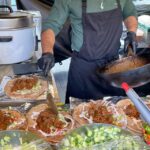
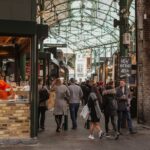
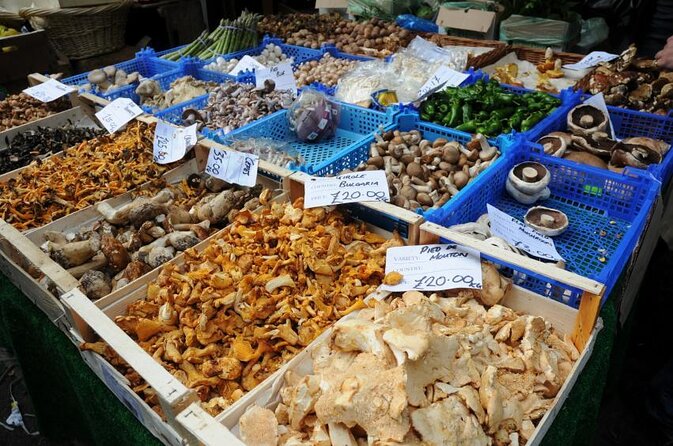
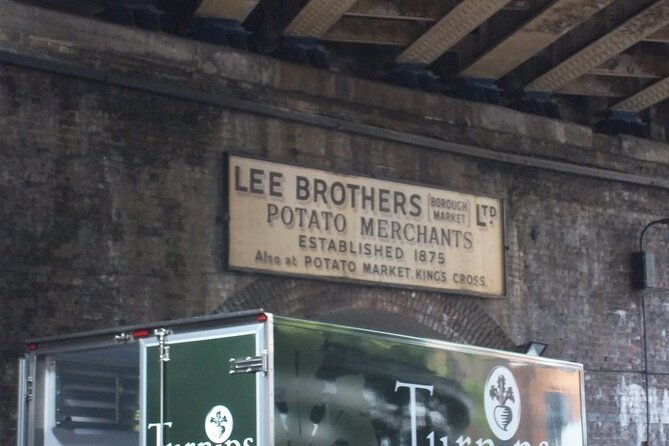
Borough Market is the star of the show. You’re taking in an area with 100+ stalls, but you’re not attempting to “see everything,” which would be exhausting. The tour instead uses a hand-picked order of stops so you get a tasting journey with flow.
In practice, this means you spend time where it counts. You get to taste multiple categories—savory, salty, and sweet—without getting stuck waiting in awkward spots or breaking away from the group. The small-group setup helps a lot here. When the group is capped at 10 people, your guide can keep everyone together even when the market is busy and the lanes get narrow.
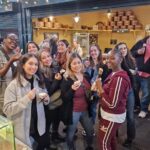
This is also where the guide’s job shows. Guides such as Sam, Kay, Kai, Kevin, and Kiy are repeatedly praised for keeping the group moving while still allowing time to browse atmosphere and snap photos. There’s a difference between being rushed through food and being shown food with rhythm, and this tour leans toward rhythm.
If you hate crowds, you should know this is still a market environment. But the benefit is that you’re not wandering blindly. You’re walking with purpose, eating as you go, and letting the guide handle the timing.
Bacon bap, pies, oysters, and jellied eel: the savory lineup that feels properly British
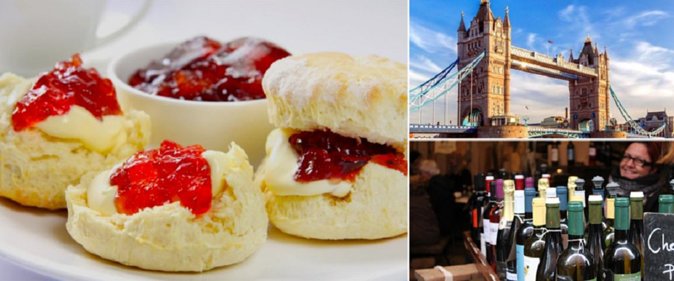
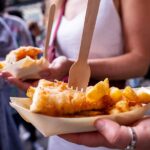
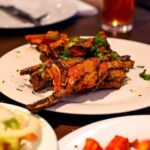
The tour’s savory menu hits a mix of everyday comfort food and more daring classics. You can expect tastings that include bacon bap, hot meat pies, oysters, jellied eels, and fish and chips—plus additional bites that round out the range.
Here’s why I think this lineup works. It covers the spectrum of traditional British eating:
- Handheld comfort: bacon bap and pie-style food fit the market vibe and are easy to eat while standing
- Sea-food heritage: oysters and fish and chips connect you to London’s coastal roots and trading history
- Love-it-or-try-it London: jellied eels are one of those foods that divides opinions, but the tour gives you the chance to taste it as part of the story, not as a dare
One of the best ways to get value on a food tour is to pace your appetite. The tour starts with a sit-down drink stop, so by the time you reach the real tastings, you’re ready. And because portions are described as more than small samples, you really do want to avoid eating beforehand.
Also pay attention to the guide approach. Several guides are described as offering alternatives and helping people feel comfortable at each stage, with basics like napkins ready and supportive pacing when the market gets crowded. That kind of practical hosting matters when you’re surrounded by other shoppers.
Cheese tasting and scotch egg: why these stops can be the best part of the meal
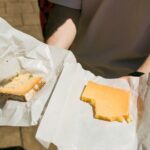
Midway through, you’ll get a cheese tasting featuring 5+ British cheeses, along with crackers and chutney from a local artisan. For many people, this is the moment where the tour feels like more than just street snacks. It becomes a structured tasting, with enough variety that you can actually compare flavors and styles rather than just swallowing a bite and moving on.
Cheese matters in English food history for a reason: it’s portable, storable, and deeply tied to regional producers. Being offered multiple cheeses in one segment helps you understand how different textures and aging styles change the taste.
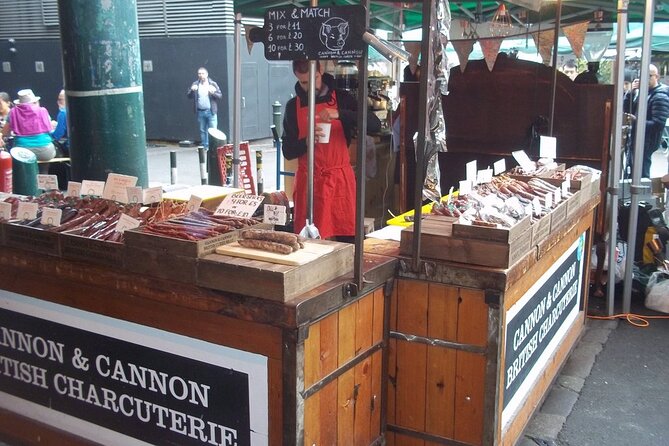
You’ll also run into a scotch egg tasting with its crisp outer coating—one of those foods that sounds simple until you realize how much craft goes into frying and seasoning. Again, the guide connects the tasting to the broader food culture, so you’re not just eating; you’re learning what makes the bite “work.”
If you’re someone who usually skips cheese or assumes all cheese is the same, this section can be a reset. The combination of multiple cheeses plus chutney gives your palate something to compare, and the crackers keep it easy.
Pub moment and sweet history: Shakespeare-era flavor, plus candy and chocolate
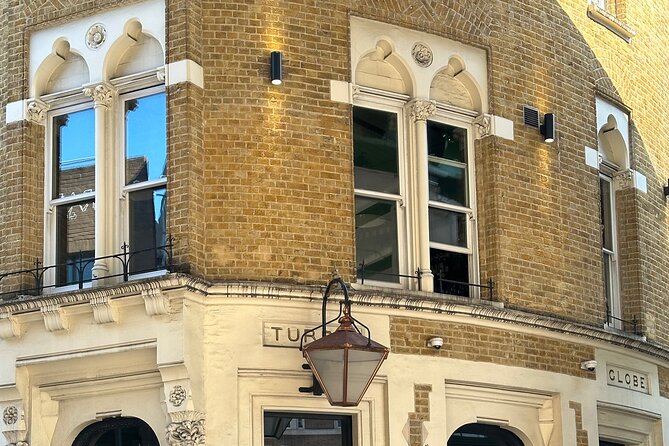
This tour doesn’t keep everything in the market. You’ll also visit a pub tied to Shakespeare’s favorite (as the tour frames it) as part of the experience. That’s a clever choice because pubs are a huge part of how traditional English food is served—casual, social, and tied to routine.
Then the sweet part arrives with more than desserts-on-a-plate energy. You’ll taste candy made according to a 150-year-old recipe, and you’ll also sample chocolates (including tastings connected to cocoa beans). These stops are fun because they feel time-worn in a way modern candy often doesn’t. The idea is to taste continuity: a recipe that survived shifts in food trends and still shows up where people gather.
The drink pairings also help. Depending on the stop, you may see champagne, beer/ale/cider, English mead, and The King’s Ginger alongside tastings, plus tea and water. There’s a clear rule too: you must be 18+ to drink alcohol, so if that doesn’t apply to you, you’ll still have the non-alcohol options built into the experience.
You can also read our reviews of more food & drink experiences in London


Cream tea finish at the end: scones, clotted cream, and a pot of tea
The tour wraps with a traditional English cream tea. That means scones smothered in clotted cream and jam, served with fragrant tea—plus you get a pot of tea to round it all out properly.
This ending is one of the smartest design choices of the whole tour. The savory stops can run heavy, especially if you try multiple things that are fried, pie-like, or seafood-forward. Cream tea gives you a palate reset: warm tea, crumbly scones, and that classic rich-and-sweet contrast.
It also makes the experience feel complete, not like you’re “just sampling your way” through the market. You finish seated enough to exhale, look back at what you ate, and ask questions now that your brain has space to process them.
Your tour ends at Victor Wharf, Clink St, near Bills Clink Street Restaurant. It’s a convenient end point if you want to keep strolling afterward through central areas, rather than getting dropped back into the market itself.
What’s included, and why it’s usually the real value
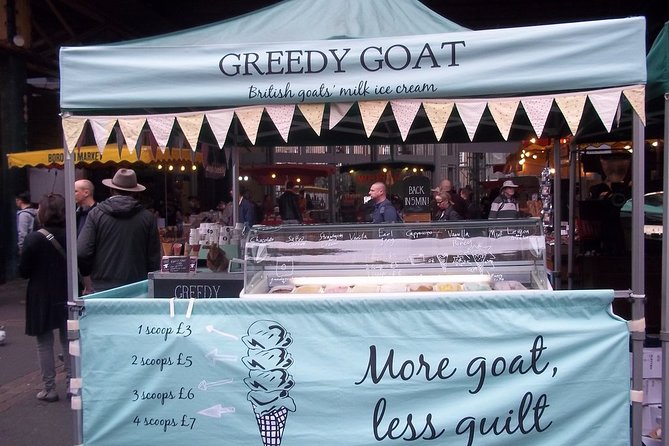
The included food-and-drink list is wide for a 3.5-hour walking tour. You’re set up with multiple categories, including bacon bap, hot meat pies, oysters, jellied eels, fish and chips, cocoa beans, chocolates, and more, plus:
- Drinks: champagne; beer/ale/cider; English mead; The King’s Ginger; English tea; water; and surprises
- Cheese tasting: 5+ British cheeses with crackers and chutney
- Dessert: cream tea with scones, clotted cream, jam, and a pot of tea
This matters for value because you’re not paying extra snack-by-snack. Many food experiences turn into a series of small purchases unless the price covers tastings. Here, the cost is built around the idea that you’ll leave full and satisfied.
At $234.78 per person, the price isn’t bargain-bin cheap—but the format helps justify it. You’re paying for:
- a guided walk that removes navigation stress
- multiple tastings in different categories
- drink pairings (with non-alcohol options)
- a structured cheese tasting and a full cream tea finish
- a small group cap that supports attention and pacing
Add in the fact that the tour is often booked about 57 days in advance, and it starts to make sense: this isn’t the kind of activity you want to leave to the last minute.
Price and pacing: who this suits best (and who might feel it’s too much)

This tour is best for people who want traditional English food in a guided format and enjoy a bit of history tied directly to what’s on your plate. It’s also a good fit if you like markets but don’t want to plan a self-guided tasting route.
It may feel like a lot for:
- anyone who struggles with crowds and tight walking spaces
- people who prefer a slower, sit-down meal with fewer stops
- anyone who doesn’t eat fish or wants a very narrow food range
On the flip side, the pacing can be a win if you’re the type who likes to do one high-impact activity per afternoon. And if you’re the sort who reads menus and then second-guesses what to order, the tour solves that problem by handing you curated bites along the way.
Dietary needs are also supported. The tour can be modified for vegetarians if you add a note to special requirements at booking. There’s also an example of a guide providing options for someone with a nut allergy and someone with gluten intolerance, described as handled smoothly at each location with no one feeling left out. If you have serious allergies, add details early and confirm with the operator.
Smart tips so you enjoy every stop without running out of steam
A few practical moves will make this tour way better:
- Arrive with an empty stomach (or close). More than one guide-and-menu combo in the experience is described as very filling, so starting hungry helps you taste everything.
- Wear comfortable walking shoes. You’ll be moving through the market and standing at tastings.
- Expect small waits. In a busy market, your guide may position you to wait comfortably while preparing the next bite—especially around the densest lanes.
- Ask questions mid-tour. The history part is not random; it’s tied to the food origins. If you care about why something exists, this is the time to ask.
- Plan your alcohol choices. Alcohol tastings like champagne, beer/ale/cider, and English mead are part of the experience, but only if you’re 18+. If you’re not, you still get tea, water, and other drinks.
Also note: the itinerary and menu can change based on location availability and weather. That’s normal in food-market tours, and it’s better to think of the plan as a tasting journey rather than a script that must be identical every day.
Should you book the Traditional English Food Tour with London Food Tours?
I’d book this if you want a focused, classic London food experience centered on Borough Market, with a guide doing the heavy lifting. The combination of savory bites, a proper cheese tasting, and a real cream tea finish makes it feel complete in one afternoon. The strong rating and the repeated praise for guides like Sam, Kay, Kai, Kevin, and Kiy point to a consistent experience: good pacing, helpful hosting, and food tied to context.
Skip it if you want a quiet museum-style tour or you don’t handle walking in busy market areas. Also be honest with yourself about food volume. This is not just a few bites—it’s a full tasting journey.
If you’re going to do one English food tour while in London, this is a solid choice because it concentrates on the foods that actually define the country’s everyday eating culture.
FAQ
How long is the Traditional English Walking Food Tour?
It runs for about 3 hours 30 minutes.
Where do you meet at the start, and where does the tour end?
You start at London Bridge station (London EC4R 3TN, UK). The tour ends at Victor Wharf, Clink St near Bills Clink Street Restaurant (London SE1 9DW, UK).
What’s included in the tour price?
The tour includes multiple food tastings (such as bacon bap, hot meat pies, oysters, jellied eels, fish and chips, and chocolates/cocoa tastings), drink tastings (including tea, water, and alcohol options where allowed), a cheese tasting with 5+ British cheeses, and a cream tea with scones, clotted cream, jam, and tea.
Is alcohol included, and are there age requirements?
Alcohol tastings can be included (for example champagne and beer/ale/cider), but you must be 18 years of age to drink alcohol. Non-alcohol options like tea and water are also part of the tour.
Can the tour accommodate vegetarians?
Yes. The tour can be modified for vegetarians, and you should add a note to special requirements when booking.
Can I get a full refund if my plans change?
Yes—there is free cancellation, and you can cancel up to 24 hours in advance for a full refund.