REVIEW · MILAN
Milan: Guided Food Tour with Tastings
Book on GetYourGuide →Operated by NO DIET CLUB · Bookable on GetYourGuide
Milan runs on food and stories. This 3-hour guided walk mixes tastings with key sights, with a local guide sharing the city as you go, all with a small group size capped at 10. I like how guides such as Sevda and Mattia keep the pace friendly, so you’re not just collecting photos.
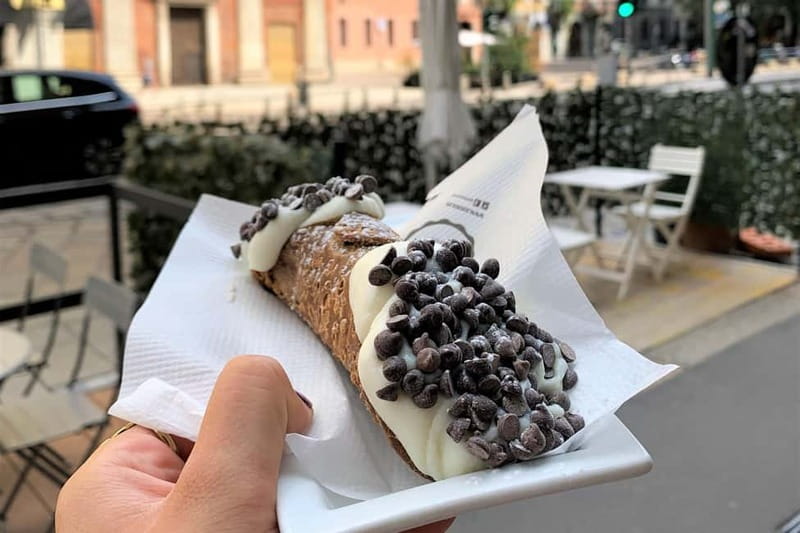
I love the way the food stops feel planned, with a sweet-to-savory flow that often includes cannolo, thin-crust pizza, and gelato, plus the meaning behind what you’re tasting. It’s the kind of tour that turns eating into a quick lesson you can actually feel.
I also like that you’re walking between neighborhoods and landmarks like Colonne di San Lorenzo and Santa Maria delle Grazie, with church stops along the way. The one real consideration: portions can be full-size, so come ready to finish (or at least surrender gracefully).
In This Review
- Key highlights
- Meeting in Front of Ammu: The Easy Start, The Walk Reality
- Sweet-First to Savory-All-Day: What the Tastings Actually Add Up To
- Colonne di San Lorenzo: Why This Stop Feels Like Milan, Not a Detour
- Santa Maria delle Grazie and Church Stops: Culture Without the Lecture Tone
- Pizza, Crepe, Fried Bites, and Gelato: How to Handle the Portion Challenge
- Neighborhood Walking That Feels Personal, Not Scripted
- Small Group Size: Conversation, Q&A, and a Guide Who Has a Real Voice
- Price and Value: Is $64.91 Reasonable for 3 Hours of Food?
- Comfort Checklist: How to Enjoy It (Even on a Long Day)
- Should You Book This Milan Guided Food Tour?
- FAQ
- How long is the Milan guided food tour?
- How much does it cost?
- What’s included in the tour?
- Is the tour guide available in English?
- How big is the group?
- Where does the tour start and end?
- Is the tour wheelchair accessible?
- Can I cancel or pay later?
Key highlights
- Up to 10 people so you actually talk with your guide and the group
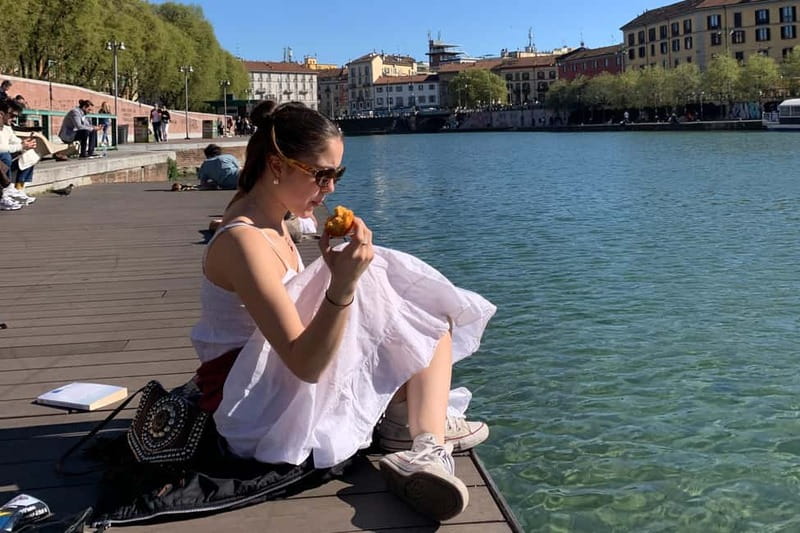
- About six tasting stops with a sweet-first to savory sequence (pizza, crepe, gelato are in the mix)
- Iconic sights on foot, including Colonne di San Lorenzo and Santa Maria delle Grazie
- English live guide with city context woven into every bite, guided by people like Mattia, Virginia, and Ragith
- Big portions that can leave you very full by the last stop
Meeting in Front of Ammu: The Easy Start, The Walk Reality
Your tour starts in front of Ammu, and it ends back at the meeting point. That simple loop matters because it keeps the experience tight: you’re not doing extra transit legs, and you can plan the rest of your day with less guesswork.
This is also a walking tour, so you’ll want comfortable shoes. One thing that shows up in real-life feedback is that people are glad they wore good footwear, since there are tasting stops spaced out across the city. Think “steady walking,” not “sit and sample.”
The other practical win is the format: a small group limited to 10. You’ll feel the difference immediately. With fewer people, your guide can spend more time explaining food choices and steering the group through the streets at a workable pace.
You can also read our reviews of more food & drink experiences in Milan

Sweet-First to Savory-All-Day: What the Tastings Actually Add Up To
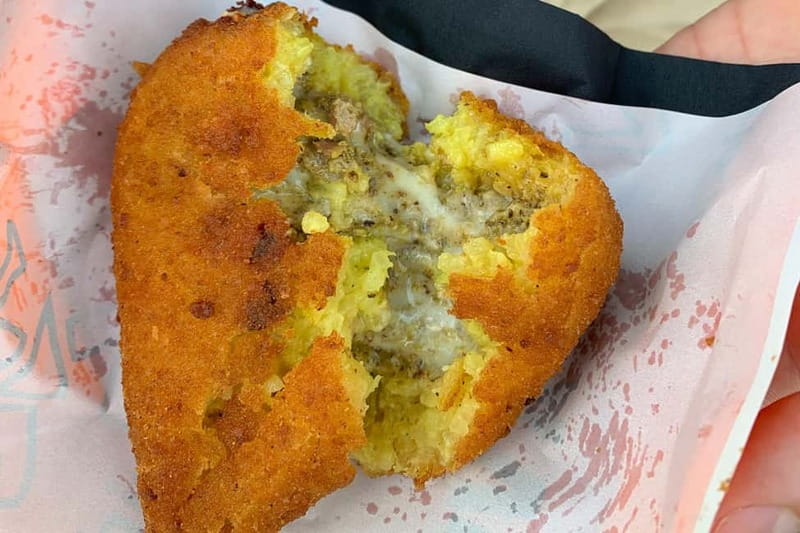
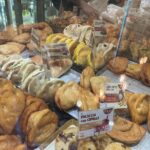
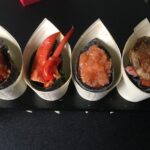
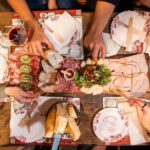
This is a food tasting tour, but it’s not a tiny-bite situation. The overall vibe is closer to a guided meal, just spread across multiple stops. The tour design typically moves through a sequence of tastings, and one route outline shared in feedback often starts with dessert, then shifts into savory choices like pizza, followed by other Italian bites, and ends with something cold and sweet like gelato.
Here are the specific items that repeatedly show up as part of the tastings:
- Cannolo, usually early in the sweet cycle
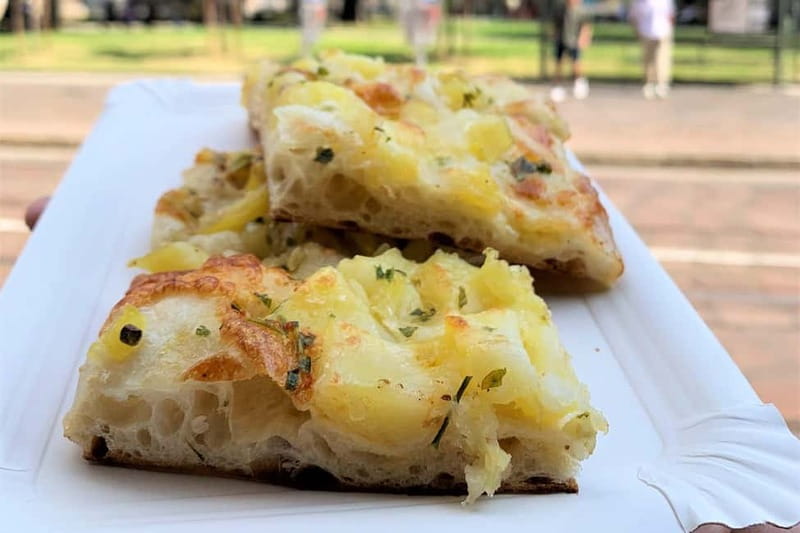
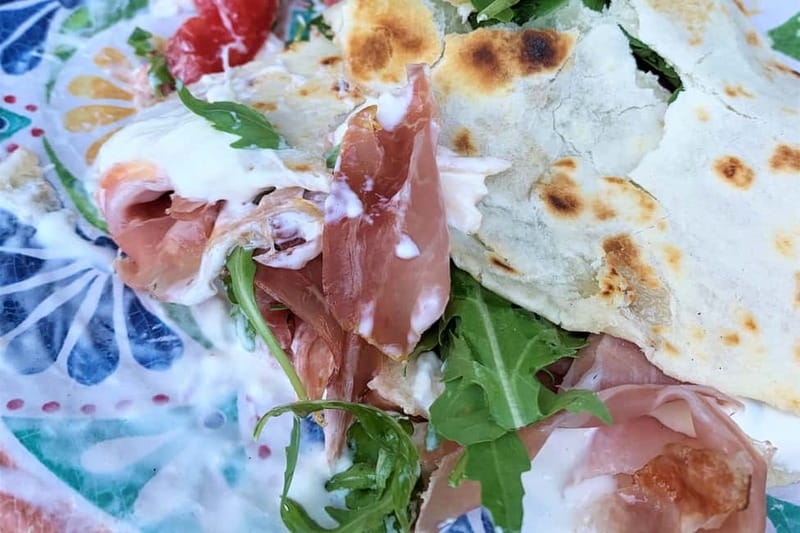
- Thin-crust pizza with fresh toppings
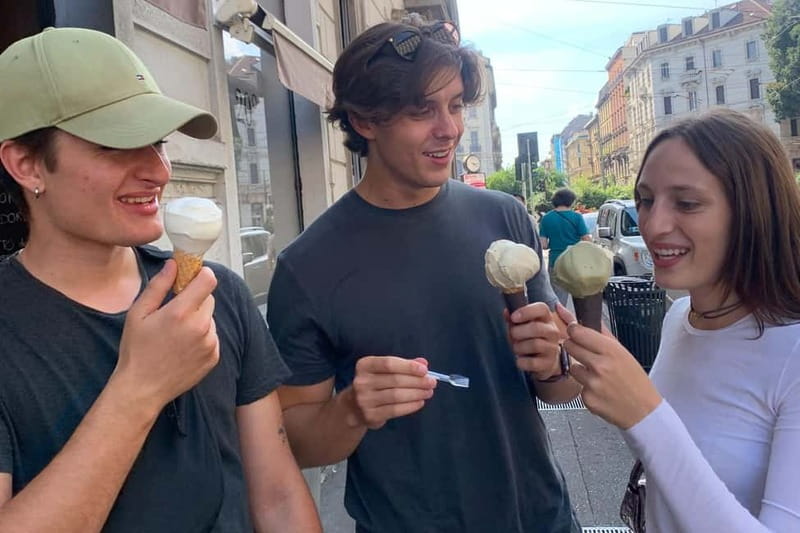
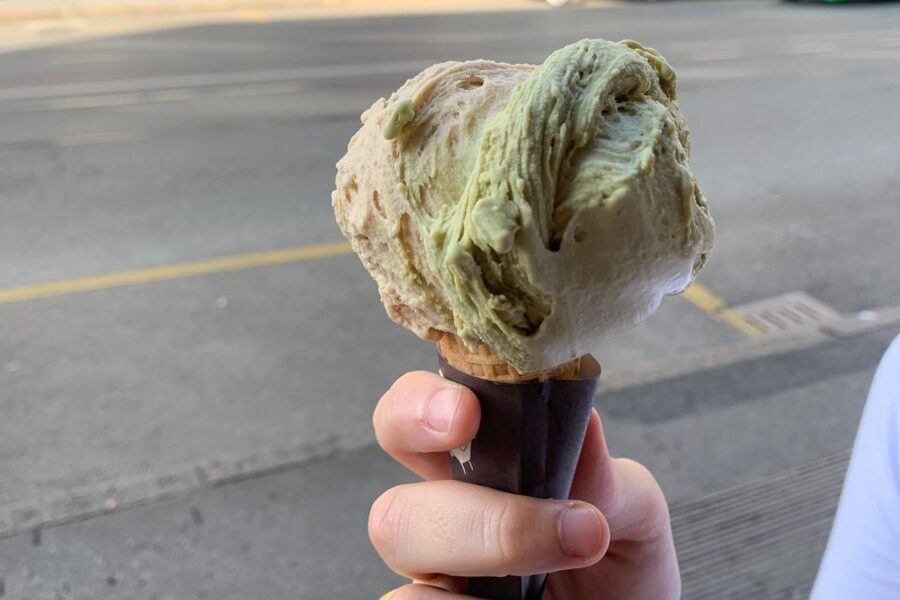
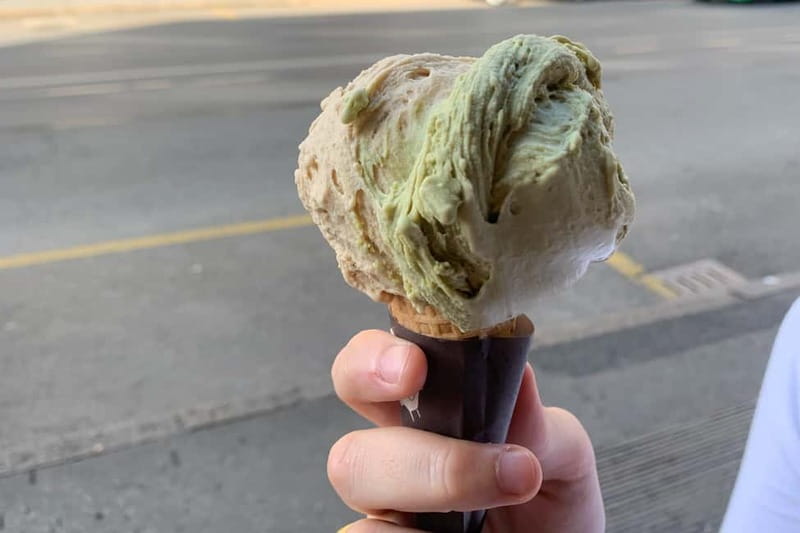
- Gelato, as a satisfying finish
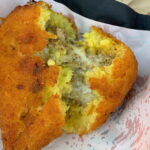
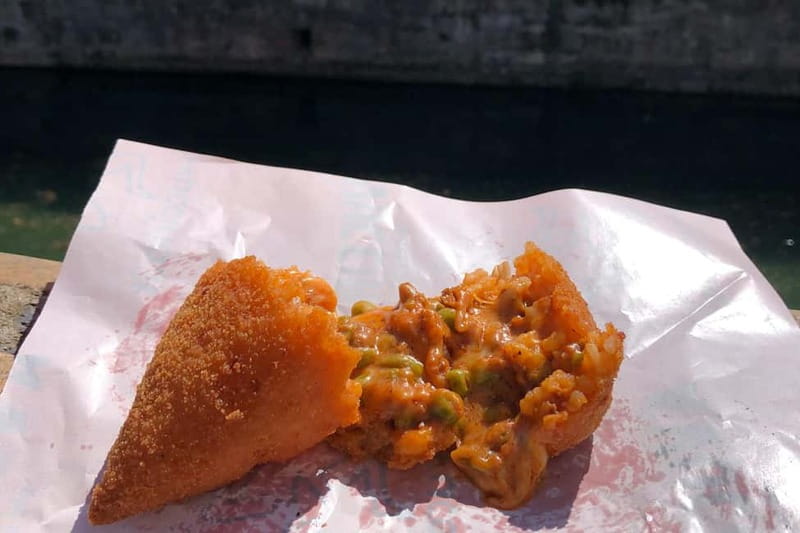
You may also encounter other stops such as crepe and fried bites. A few people mentioned a fried ball-type snack, and a crepe stop that’s part of the planned sequence. The takeaway for you is simple: don’t show up expecting just one cookie and a sip of espresso.
Also, pacing matters. Even with a lot of food, guides keep the walk moving through neighborhoods rather than lingering for too long at one counter. That helps you digest and gives you time to connect each bite to the place you’re in.
One more practical tip: think about water. On warm days, at least one guide (Virginia) is noted for offering cool water. Even if you bring your own, it’s good to know the tour experience accounts for comfort, not just food.
Colonne di San Lorenzo: Why This Stop Feels Like Milan, Not a Detour
Colonne di San Lorenzo is one of the landmarks the tour calls out directly, and it’s a smart inclusion. It gives you an “in-between” Milan moment: not only grand monuments, but also a lively historical setting where you can feel the city’s everyday rhythms.
From a food-tour perspective, this kind of stop works because it breaks up the eating loop with context. You’re not just consuming carbs and sugar; you’re also getting the story of where Milan grew its identity. When the guide ties that setting to what’s on your plate, it lands better than generic facts.
It also helps with photos. You’ll likely get a clear sense of how people move through the streets in this part of the city, which is hard to capture from inside a van or after your own quick walk-by.
If you’re the type who likes landmarks but also hates rigid schedules, this stop hits the sweet spot. It’s specific, memorable, and it doesn’t steal the entire show from the food.
Santa Maria delle Grazie and Church Stops: Culture Without the Lecture Tone
Santa Maria delle Grazie is another anchor stop. Having it on a tasting-day walk is a good compromise for two types of visitors: food-focused people who still want culture, and culture-focused people who don’t want hours of museum fatigue.
What you can count on, based on the tour description and guidance mentioned in feedback, is that the route may include additional churches along the way. That’s useful because churches in Italy often come with strong visual details and quiet moments, and those pauses make the rest of the tastings more enjoyable.
The way the tour is described leans toward stories and anecdotes rather than long lectures. Guides like Mattia are credited with combining Milan history and food context, and that’s exactly what you want here. If the tour were only about where to eat, you’d get less out of it; if it were only about sights, you’d miss the point.
In this format, you get a walking circuit with meaningful stops. For many people, that’s the difference between a “nice snack tour” and a “this felt like Milan” day.
Pizza, Crepe, Fried Bites, and Gelato: How to Handle the Portion Challenge
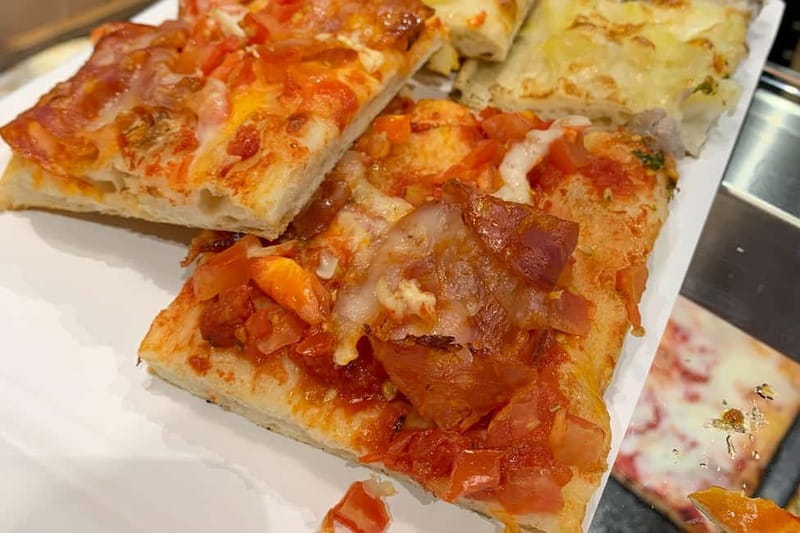
The tastings are the heart of this experience, and the strongest repeated message is clear: come hungry, and don’t plan on finishing everything at the very end unless you’re very confident in your appetite.
One review note summed it up perfectly in spirit: people struggled with the last dishes because the tastings are full-size. That doesn’t mean the tour is messy or out of control. It means the provider is leaning into value through quantity, not just variety on tiny plates.
So how should you handle it?
- If you’re a big eater, pace yourself from the first stop. The tour often starts with dessert, which can quietly set you back before the savory hits.
- If you’re not a huge eater, treat it like a sampling menu. You can stop, slow down, and enjoy what you want most.
- If you hate waste, plan a small strategy for the last stop. It’s okay to skip finishing one item rather than forcing it.
One more thing: there’s a strong sweet-to-savory balance. Feedback mentions a good split between sweet and savory, and that matters. If the tour were all dessert and gelato, it would get cloying fast. Instead, the sequence tends to rotate textures and flavors: crisp, creamy, fried, and then cold and sweet.
And yes, you’ll likely leave very full. The tour doesn’t hide that. It’s part of the pitch.
A few more Milan tours and experiences worth a look

Neighborhood Walking That Feels Personal, Not Scripted
A guided walking route does two things well: it saves you from making bad choices, and it helps you see parts of the city you’d miss if you were just hunting for lunch.
This tour’s route is described as moving through charming neighborhoods, with iconic sights mixed in. Feedback repeatedly flags that the food stops aren’t overly touristic, which is exactly what you hope for when you book a guided option in a city packed with visitors.
Even better, the structure usually includes enough walking time to make each tasting feel like part of a journey. You’re not stuck in a single area. Instead, you get a sense of how Milan changes block to block, street to street.
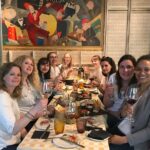
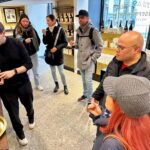
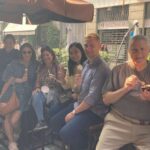
That’s also where you meet people. One of the stated highlights is meeting new friends, and the small-group size makes that realistic. With up to 10 participants and an English-speaking guide, conversation can happen naturally while you walk.
Small Group Size: Conversation, Q&A, and a Guide Who Has a Real Voice
The guide is a big deal on this tour. The experience is built around stories tied to food and place, and that’s where you’ll see the biggest difference between a generic tasting and a tour that sticks in your head.
Multiple guides are mentioned by name in feedback, including Mattia, Sevda, Virginia, Ragith, and others. While each guide has a different style, the common threads are:
- lots of city context woven into the walk
- friendly conversation
- a warm, energetic tone that keeps the group moving
One helpful detail from feedback: guides often offer extra recommendations for what to do next. That’s practical. When you’re in Milan for a short stay, someone telling you what to prioritize (and what to skip) can save time and money.
Also, since the tour is capped at 10, you’re less likely to feel like a number. You’re more likely to get your questions answered in the moment.
Price and Value: Is $64.91 Reasonable for 3 Hours of Food?
The price is $64.91 per person for a 3-hour walking tour that includes a local guide and tastings. The value comes from three things happening at once:
- You get guidance on where to eat, so you’re not guessing in a city full of menus and marketing.
- You get multiple tastings, including recognizable Italian favorites like cannolo, pizza, and gelato.
- You get structure, meaning you’re combining walking, landmarks, and food instead of treating them as separate activities.
If you were paying only for food, you might spend similar amounts depending on what you order. But here you’re paying for the guide’s route, the context, and the convenience of an organized plan that keeps you moving.
It’s also good value if you’re traveling in a group that likes to taste. Even as a solo traveler, the small group format can turn the day into a social experience without forcing it.
The tradeoff is the portion challenge. If you don’t eat much, the value equation can shift. In that case, you might prefer a smaller tasting format elsewhere. But for most people, especially food lovers, this tour reads like a solid deal for a full 3-hour block.
Comfort Checklist: How to Enjoy It (Even on a Long Day)
This tour is part food, part walking, part standing around while you eat. A few small choices can make a big difference:
- Wear good shoes. You’ll be on your feet between tasting stops.
- Plan for a full stomach. Dessert may come early, and the last items can feel like a challenge.
- Bring a bit of flexibility. If you’re sensitive to long walks or big portions, pace yourself and focus on the tastings you care about most.
- If you want to take photos, consider doing that while you walk between stops. That’s when you’ll catch the landmarks and streets without slowing your group too much.
One small comfort note: the tour is described as wheelchair accessible, so the format is designed to be manageable for different needs. If you have mobility concerns, it’s worth checking how the walking portion will feel for you personally, but the accessibility support is explicitly stated.
Should You Book This Milan Guided Food Tour?
Book it if you want a 3-hour plan that mixes food and major Milan sights on foot. It’s a strong match for food lovers, people who like learning why dishes matter, and anyone who prefers a guided route over trying to build one in a short time.
Skip it (or adjust expectations) if you’re worried about heavy portions. This is not a “snack and stroll” where you leave barely full. The tastings can be substantial, and you’ll need room in your stomach.
If you fall somewhere in the middle, you can still make it work by going in with a strategy: expect dessert early, save your favorites for the later savory stops, and treat the walk as part of the experience, not just the transport between bites.
Bottom line: this is a well-rated, small-group Milan food-and-sights day built for people who want their lunch to come with stories, landmarks, and a little friendly conversation.
FAQ
How long is the Milan guided food tour?
The tour lasts 3 hours.
How much does it cost?
The price is $64.91 per person.
What’s included in the tour?
It includes a walking tour, a local guide, and tastings.
Is the tour guide available in English?
Yes, the live tour guide is in English.
How big is the group?
It’s a small group limited to 10 participants.
Where does the tour start and end?
It starts in front of Ammu and ends back at the meeting point.
Is the tour wheelchair accessible?
Yes, the activity is wheelchair accessible.
Can I cancel or pay later?
You can cancel up to 24 hours in advance for a full refund, and you can reserve now and pay later.