REVIEW · UBUD
Ubud: Gianyar Night Market Food Tour with up to 17+ Tastings
Book on GetYourGuide →Operated by Trip Gotik - Bali Tours · Bookable on GetYourGuide
Night market food is my favorite kind of travel. This Ubud-to-Gianyar tour pairs Pasar Gianyar street stalls with an English guide who helps you taste with intention, including sambal matah heat and satay lilit fish skewers. I especially like that you get a real mix of savory mains and sweet treats, not just a snack crawl, and I also like the small group size (limited to 5). One drawback to plan for: the menu is meat-heavy and spice-forward, so it is not a great fit for vegetarians or anyone sensitive to strong heat.
The ride is short from Ubud (about a 30-minute drive), and the whole outing runs about 3 to 5 hours. If you book the transfer option, hotel pickup and drop-off are included, and the tour team provides mineral water. You’ll also want to keep expectations realistic about the pace: you’re sampling a lot, so come hungry and expect short stops, not long restaurant meals.
In This Review
- Key Things to Know Before You Go
- Ubud to Gianyar: Why This Night Market Tour Works After Dark
- Pasar Gianyar Meeting Point and Pickup Without the Usual Headaches
- What Up to 15 Tastings Actually Looks Like in Real Life
- Satay Lilit, Sambal Matah, and the Heat Factor in Bali
- Warungs, Roast Pork, and Banana-Leaf Cooking: How the Stops Feel Different
- Sweet Turns: Pisang Goreng and Dadar Gulung for the Perfect Reset
- Price, Group Size, and Whether You’re Getting Real Value
- Who This Tour Suits Best (And Who Should Skip It)
- Should You Book This Ubud Night Market Food Tour?
- FAQ
- How long is the Bali street food tour from Ubud?
- How many dishes will I taste?
- Is hotel pickup and drop-off included?
- What language is the tour guide?
- Is the tour vegetarian or vegan-friendly?
- Are there any restrictions on what I can bring?
- Is this tour a large group?
Key Things to Know Before You Go
- Up to 15 tastings (sometimes more): You’ll try a wide range of Balinese street foods, with both savory bites and sweets.
- Guides with strong food-and-culture explanations: Names like Ryan, Agung, Car, and Suker show up in great feedback for clear explanations en route and at stalls.
- Heat is part of the deal: Sambal matah is raw, zesty, and spicy—your palate gets a workout.
- You’ll see how these dishes are built: From grilled satay lilit to roast-and-slice style pork like babi guling.
- Market time matters: You’re not only tasting; you also get time to walk through the Pasar Gianyar night market.
- Small group logistics: Limited to 5 participants, which helps you ask questions and move together.
Ubud to Gianyar: Why This Night Market Tour Works After Dark
This is the kind of tour that makes sense once you’re in Ubud and want more than views. You get out to Gianyar’s night market—Pasar Gianyar—and you spend your evening focused on food you can’t easily recreate at home.
What I like is the balance: it’s not only skewers and fried snacks. You’ll also run into the Balinese comfort-food structure—rice plus sides, grilled or slow-cooked meats, and sambals that change the whole character of a plate. That matters because Balinese street food isn’t just about taste; it’s about how flavors work together: spice, herbs, grilled smoke, sour or acidic kick from raw sambal, and then sweet resets.
The other smart element is the guide. Even if your Bahasa is basic, a good food guide turns eating into learning. Based on the feedback attached to the tour, guides like Ryan and Agung tend to explain what you’re tasting and why it matters. Car and Suker also get credited for keeping things fun while they point out personal favorites. That makes the evening feel less like random sampling and more like a guided tour of how Balinese cooking shows up in real life.
You can also read our reviews of more food & drink experiences in Ubud



Pasar Gianyar Meeting Point and Pickup Without the Usual Headaches
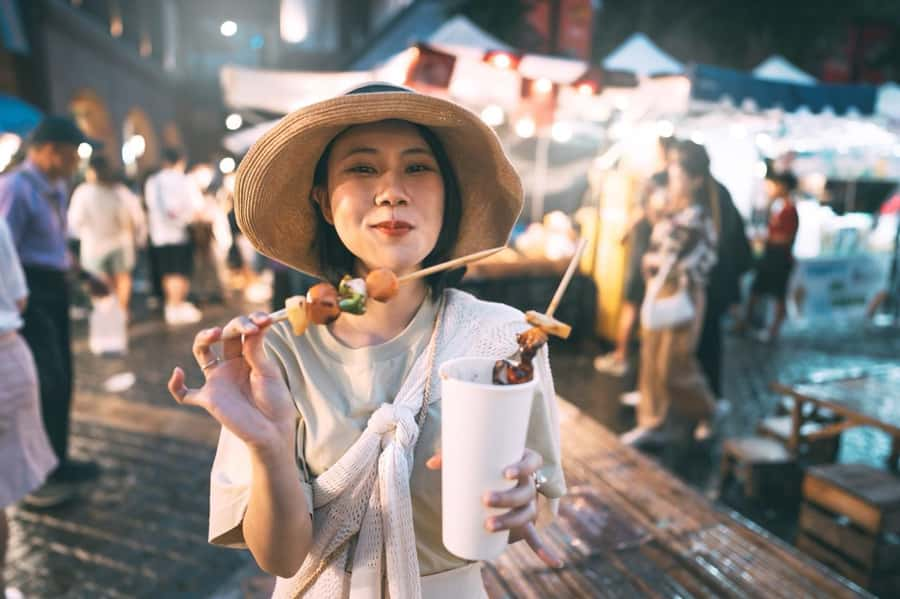
You don’t want to waste your evening fighting logistics, so it helps that this tour is set up with shared scheduling and optional transfers. Pickup location depends on what you choose, and if you select pickup, your driver details are shared the day before.
A useful detail: the pickup window is about 15 to 20 minutes. That means you should be ready on time, but you don’t need to panic if the driver isn’t at your exact minute. Once you arrive, you’ll also have four possible drop-off points, including Ubud and Ubud Palace, plus AZKO Gianyar Bali. In other words, you’re not stuck walking back to wherever you started.
One practical note: alcohol is not allowed in the vehicle. So plan on sticking to water and your food, not a buzz. It keeps the vibe simple and keeps you from arriving too distracted to enjoy the tasting part.
What Up to 15 Tastings Actually Looks Like in Real Life
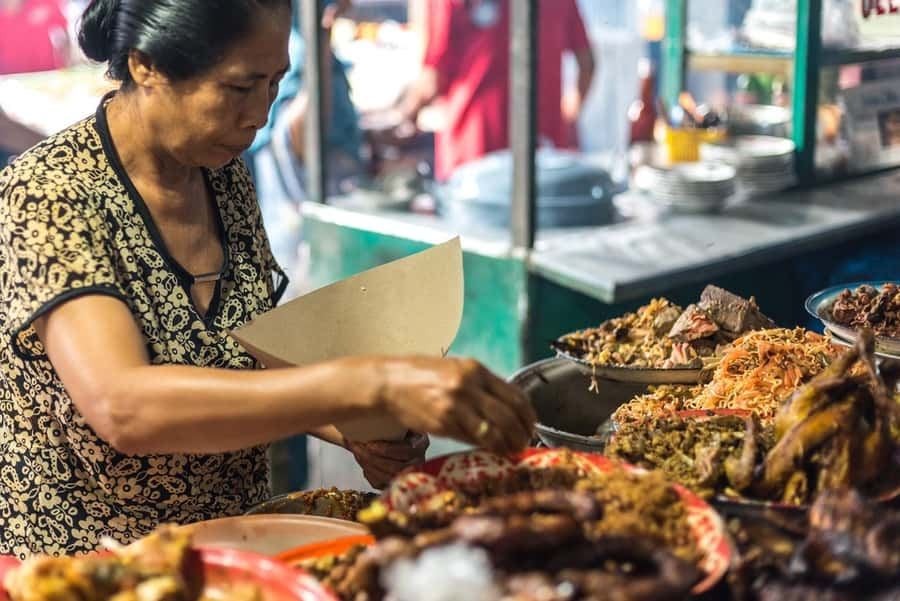
The headline promise is up to 15 dish samples, but what you’re really buying is time with a plan. Instead of wandering stalls and guessing what’s worth it, you move from stop to stop with a guide who knows the signature foods.
Here are the flavors that show up in the tour description and the types of stalls you can expect:
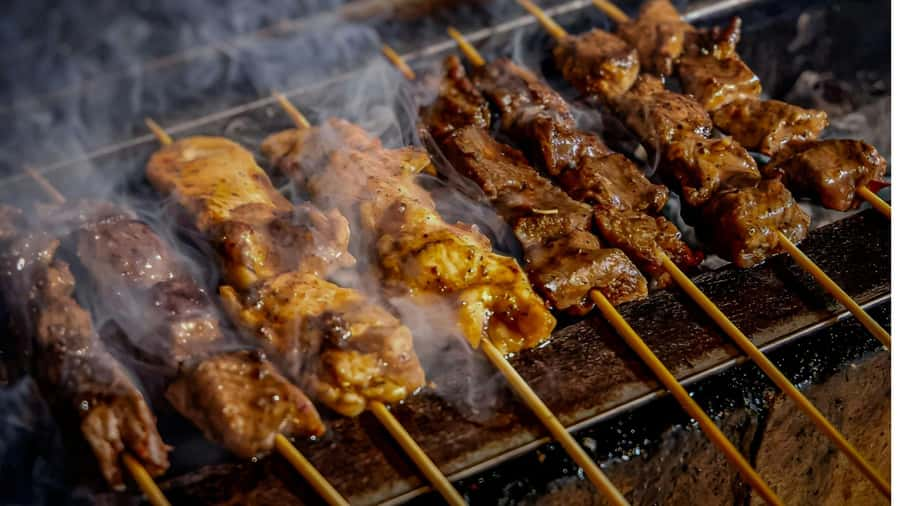
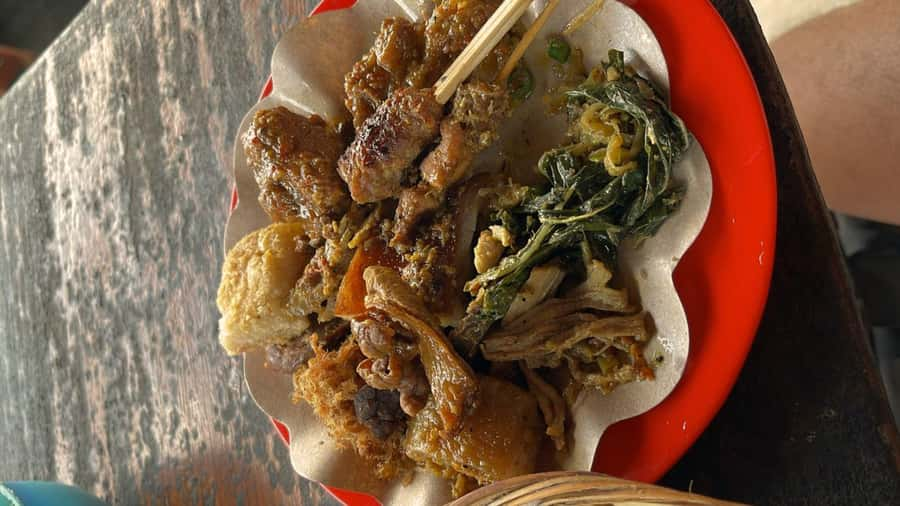
- Satay Lilit: Minced fish grilled on lemongrass sticks. This is the kind of dish where you taste the smoke and the aromatics at the same time—lemongrass gives a bright, herbal lift.
- Sambal Matah: A fiery raw sambal. It’s not cooked down, so it hits with fresh zing and heat. This is also where you learn how Balinese spice works: it wakes your mouth up rather than just burning it.
- Babi Guling: Roasted suckling pig with aromatic spices and herbs. Expect deep savory flavor and the roast-and-spice combo you associate with classic Indonesian ceremonies.
- Ayam Betutu: Chicken marinated in spices and wrapped in banana leaves, then slow-cooked until tender. Banana leaf wrapping is a big clue to the flavor style here: fragrant and slow, not fast-frying.
- Nasi Campur: Rice with a mix of sides—grilled meats, spicy vegetables, and sambals. This is the plate that makes you feel how Balinese meals build flavor in layers.
- Lawar: A minced mix with coconut and spices plus fresh vegetables that can vary with the seasons.
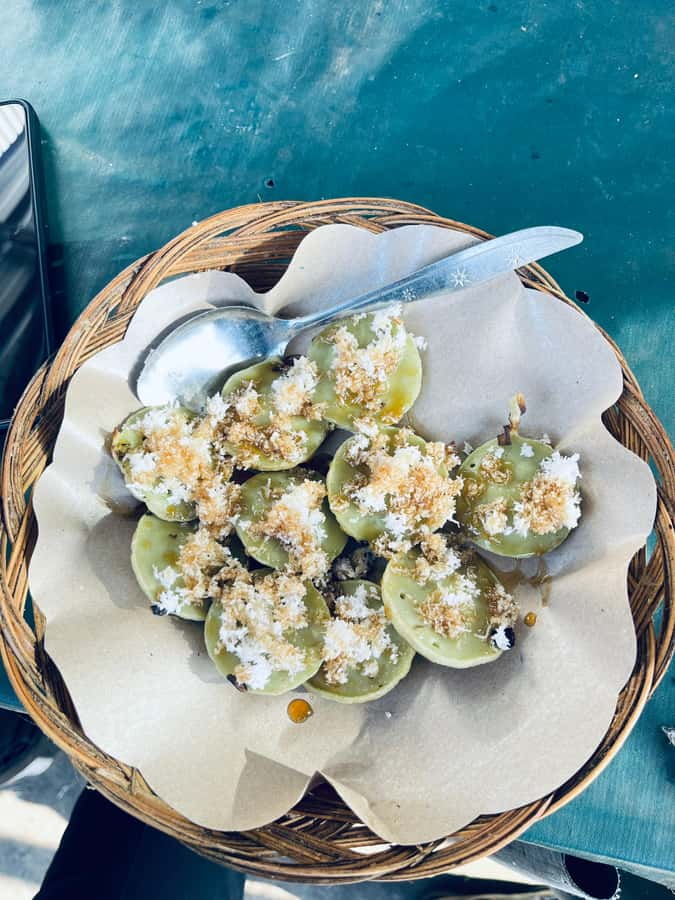
- Sweet stops: Pisang Goreng (banana fritters) and Dadar Gulung (pandan crepes filled with sweet coconut and palm sugar). These are the kind of desserts that show up for a reason: they balance spice with soft sweetness.
The tour also mentions additional market favorites that you might see on your route, like Pisang Rai and Jaja Bali, plus snacks such as Tempe Mendoan, Es Daluman, Bubur Injin, Martabak, and Lumpia. You won’t necessarily get every single one, but the overall pattern is consistent: a wide mix of cooked mains, spiced sambals, and street desserts.
Big takeaway: come hungry, but don’t assume these are tiny bites. Many of these foods are satisfying in portions, especially rice-and-side items. If you’re someone who gets full fast, you might want to eat lightly earlier in the day so you can enjoy the sweet round at the end.
Satay Lilit, Sambal Matah, and the Heat Factor in Bali
Let’s talk about the spicy elephant in the night market. This is a Balinese food tour, and spice is not an optional extra. The description explicitly warns about spice levels and even calls out Bali Belly as a concern, which is a polite way of saying: if you’re sensitive, manage your choices.
Sambal matah is the clearest example. It’s raw and zesty, so it delivers punchy flavor plus heat. If you’ve only had mild chili at home, start slow. Take a bite first before you add more sambal to everything. The same logic applies to any dish where sambal is served alongside—you’re better off sampling, then deciding how brave you want to be.
Then there’s the overall flavor architecture. Lemongrass in satay lilit is fragrant and cleansing, so it can actually help you recover between hotter bites. Rice campur-style meals also create balance because you can alternate bites—spice plus plain rice—rather than eating everything at the same intensity.
If you want an easier evening, don’t chase the hottest items first. Start with aromatic or grilled foods, let your palate warm up, and save the raw sambal moment when you’re already comfortable. Your guide can usually help you choose, and that’s where the best guides earn their keep.
Warungs, Roast Pork, and Banana-Leaf Cooking: How the Stops Feel Different
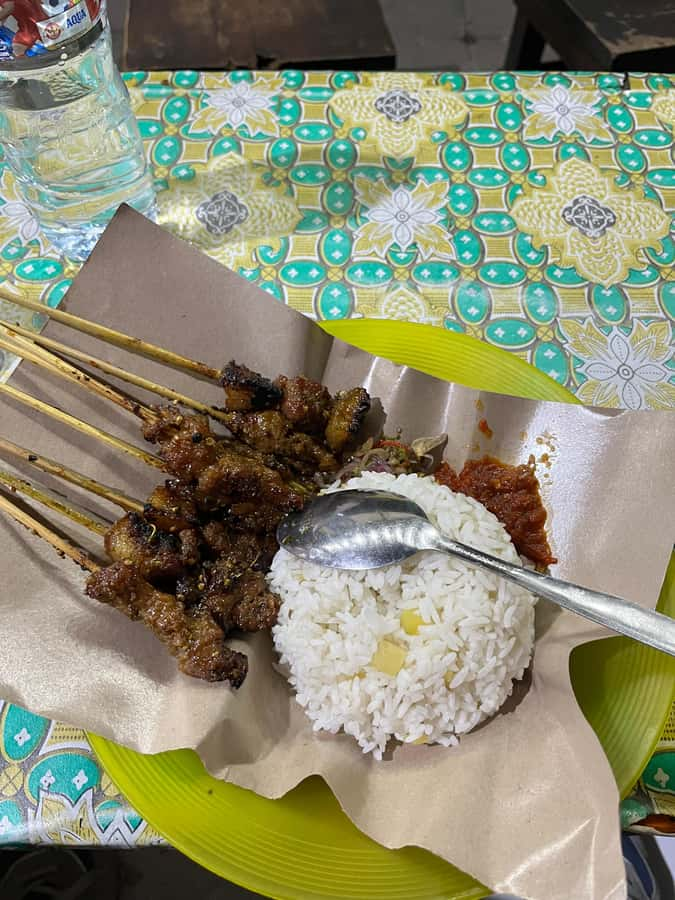
One reason this tour is fun is the contrast. Street food can blur together when every stall sells fried snacks, but this one includes dishes made in different styles.
At one point, you’ll get a front-row feel for how a local warung handles a roasted pork specialty like babi guling, including carving and serving style. Seeing the process helps you understand why the flavor hits the way it does: spices are integrated, and the roast method changes texture and taste.
Then there’s ayam betutu, which stands apart because of the banana leaf wrap and slow cooking. Even without cooking knowledge, you’ll notice the difference on the plate—soft, richly spiced chicken rather than something with a crisp fry shell.
Finally, the tour’s market experience matters because the foods you taste come with context. Walking through Pasar Gianyar at night helps you understand that these are everyday meals for locals, not staged tourist food. The smells, the noise, the busy energy—all of that is part of the reality.
The only “watch your step” caution is that market evenings can be sensory overload if you’re not used to crowds and street-level eating. Keep your expectations practical: you’re going to move, eat, and repeat.
Sweet Turns: Pisang Goreng and Dadar Gulung for the Perfect Reset
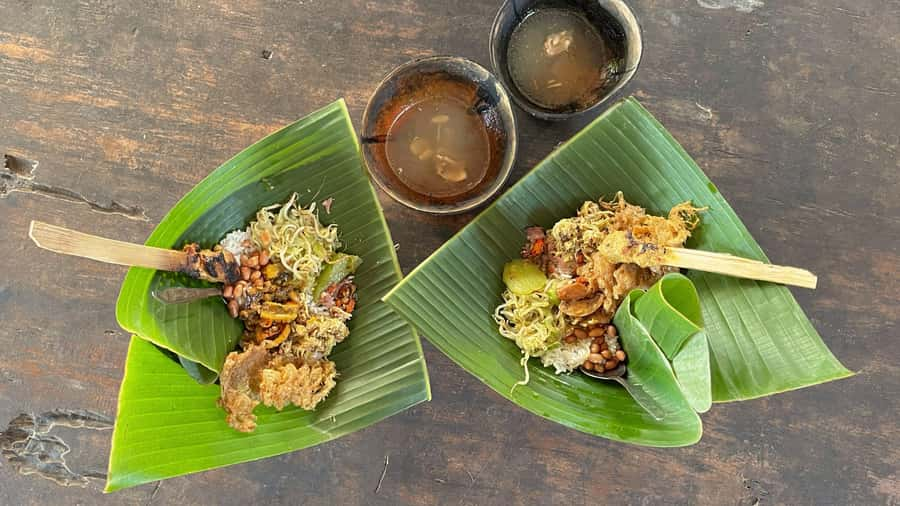
I love that the tour doesn’t treat dessert like an afterthought. It builds a sweet ending that actually makes sense after spice and savory meats.
Pisang goreng is the comfort move: banana fritters with a warm, fried exterior and a sweet inside. It’s familiar enough to feel easy on the palate, but the street-food style makes it better than packaged snacks.
Then dadar gulung brings color and texture. Pandan crepes with coconut and palm sugar filling offer a different kind of sweetness—less straight sugar, more slow-cooked richness. It also makes a nice contrast: after raw sambal and spicy grilled foods, you get something soft and fragrant.
If you’re the type who skips desserts when you’re full, this is the moment to resist. The tour’s sweet stops are designed to bring your palate back to neutral so you can finish the night feeling satisfied instead of wrecked.
Price, Group Size, and Whether You’re Getting Real Value
At $32 per person for 3 to 5 hours, you’re paying for a guided tasting plan, transport options (if chosen), and the chance to try up to 15 dishes plus market time. That is good value in Bali when you consider how hard it would be to organize a proper route that mixes savory mains, rice-and-side meals, and desserts without wasting time guessing at each stall.
A few value notes:
- You get a live English tour guide, plus mineral water.
- Included samples cover the food portion; you’re not paying separately for every dish tasted.
- If you choose pickup/drop-off, transportation is included, which reduces time friction.
Not included: alcohol and any extra personal expenses. So if you’re the kind of traveler who wants beer or cocktails with dinner, you’ll need to budget separately—and note that alcohol isn’t allowed in the vehicle.
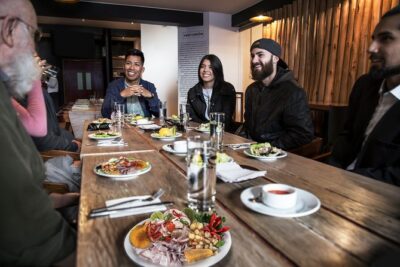
Group size is limited to 5 participants. That’s the sweet spot for a night market meal: small enough for questions, big enough that it still feels social.
The biggest “value caution” is dietary. This tour is not suitable for vegetarians or vegans, and it’s also listed as not suitable for people with diabetes and nut allergies. If any of those apply, you’ll likely waste time hoping the menu can adapt.
Who This Tour Suits Best (And Who Should Skip It)
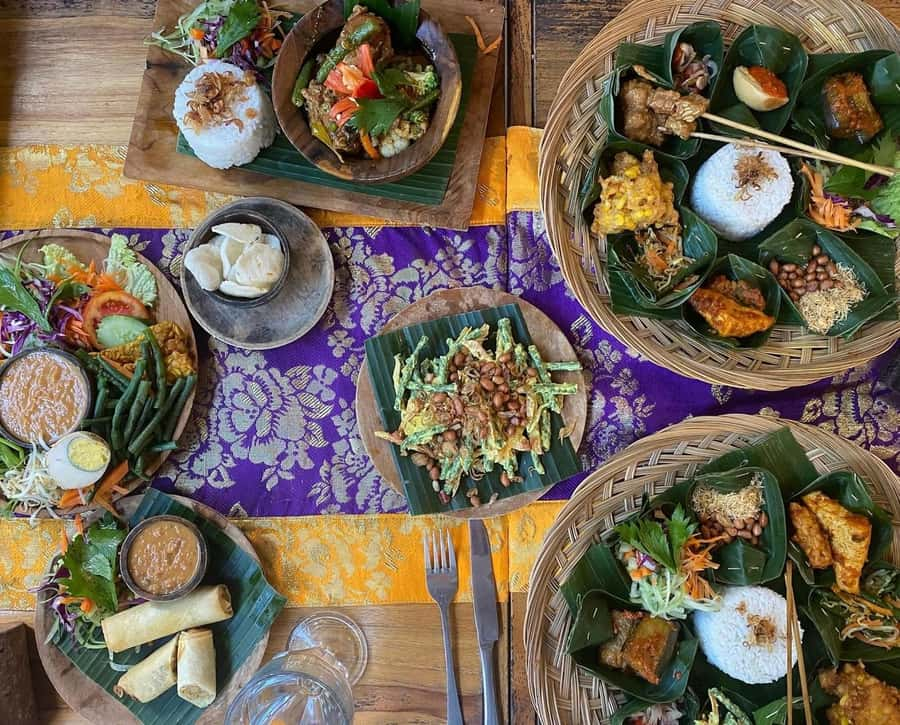
This tour is a strong match if you:
- Want to experience Balinese street food in a way that’s organized and explainable.
- Like trying multiple dishes in one evening, including sambals and both savory and sweet items.
- Are comfortable with spice and the reality of eating in a night market setting.
- Prefer a smaller group tour with a guide who teaches while you eat.
It’s not a good match if you:
- Follow a vegetarian or vegan diet (many dishes are meat-based).
- Need to avoid specific ingredients for diabetes management (the tour is not suitable).
- Have nut allergies.
- Prefer mild flavors only, since sambal matah and the overall spice level are part of the experience.
Should You Book This Ubud Night Market Food Tour?
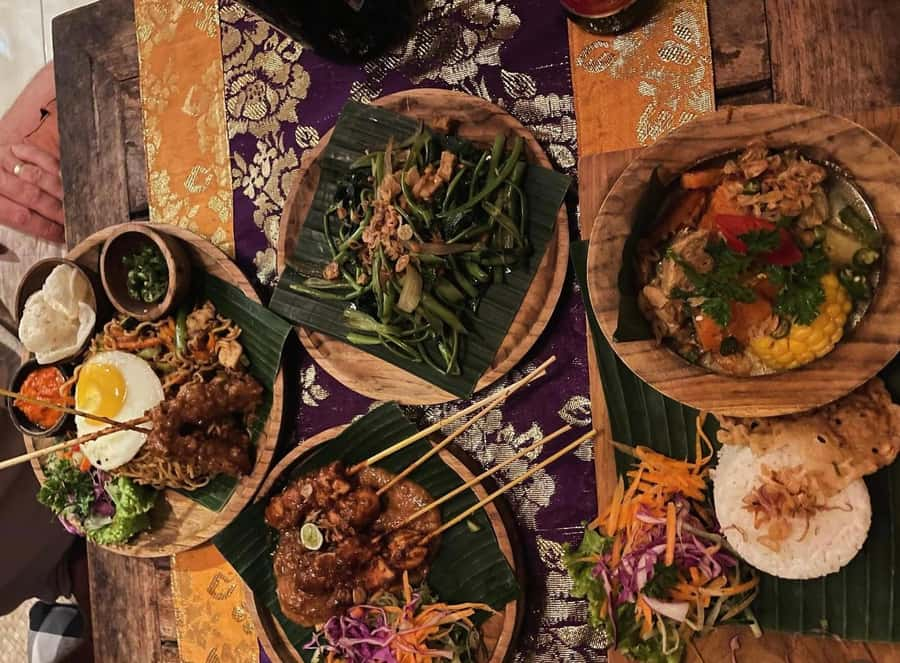
Book it if your idea of a great Bali evening is simple: walk through Pasar Gianyar, eat well, learn what you’re tasting, and get back without transport headaches. The up-to-15 tastings structure is ideal for food lovers who want variety, and the small group size makes the guide interaction feel natural.
Skip it if you can’t handle spicy food or if your diet has strict limits. For meat-and-spice diners, though, this is one of the most direct ways to get a full picture of Balinese night market eating in a single outing.
If you do book, I’d go in with two strategies: eat a lighter dinner earlier so you can enjoy the sweets, and pace yourself with sambal matah so you stay in control of the heat rather than getting surprised by it.
FAQ
How long is the Bali street food tour from Ubud?
The tour runs about 3 to 5 hours.
How many dishes will I taste?
You can sample up to 15 dishes, with tastings planned around Balinese street food favorites.
Is hotel pickup and drop-off included?
Hotel pickup and drop-off are included if you select the transfer option.
What language is the tour guide?
The tour has a live English-speaking guide.
Is the tour vegetarian or vegan-friendly?
No. It is not suitable for vegetarians or vegans because many dishes include meat.
Are there any restrictions on what I can bring?
Alcoholic drinks are not allowed in the vehicle.
Is this tour a large group?
No. It’s a small group tour limited to 5 participants.