REVIEW · MILAN
Walking Food Tour of Milan with Tastings
Book on Viator →Operated by Walking Palates · Bookable on Viator
Milan’s food story starts in Roman stone. This walking tour mixes small-group tastings with landmark history, so you’re not just eating, you’re understanding what you’re eating. I also like that it’s built for real atmosphere, not a checklist—think Milanese staples like risotto and fresh pasta paired with local wine.
One possible drawback: you’ll be on your feet for about 3 hours, and the route is weather-dependent. If rain or cold weather messes with the day, plan to dress smart and keep a backup date in mind.
If you want an easy first meal plan for Milan—one that also teaches you where the flavors come from—this is a strong pick.
In This Review
- Key highlights worth planning around
- Where Milanese taste fits into the city’s story
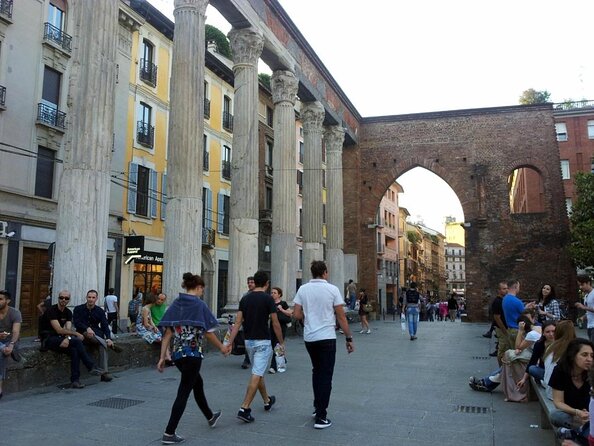
- Start at Colonne di San Lorenzo: the Roman note to open
- San Lorenzo Maggiore plus Constantine: church mosaics and a turning point
- Piazza Vetra: a quiet park with canal-era clues
- Sant’Eustorgio: the Three Magi connection and a slower feel
- Arco di Porta Ticinese: city gate energy and Navigli vibes
- What you’ll eat and drink: Milanese classics and Lombardy flavors
- The pacing trick: a “mini meal” approach on foot
- Price and value: when $141 feels worth it
- Group size and walking reality: who this tour fits best
- Practical tips: meeting point, timing, and dietary requests
- Should you book this walking food tour of Milan?
- FAQ
- What does the tour cost and how long is it?
- What’s included in the tour?
- What’s the meeting point for the tour?
- Where does the tour end?
- Which food and drink items are you likely to try?
- Are tickets for all landmarks included?
- Is there an age limit for the wine tastings?
- Does the tour operate in bad weather?
- Can you request dietary accommodations?
- What’s the cancellation policy?
- How big is the group?
Key highlights worth planning around
- Maximum 15 travelers: small-group feel with time for questions
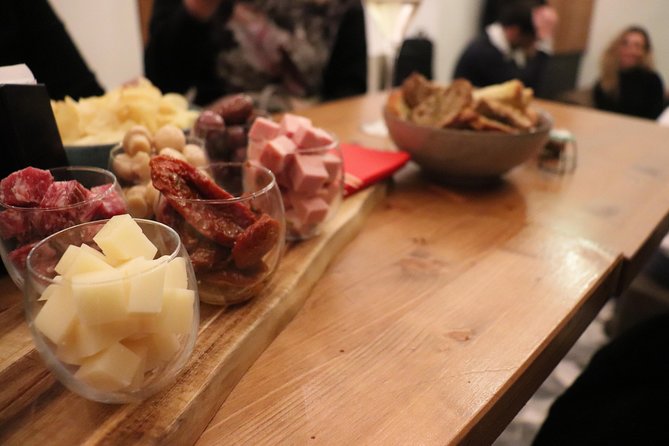
- Milanese classics on the tasting list: risotto alla Milanese, fresh pasta, cheeses, local wine
- Landmarks tied to food culture: Roman, early Christian, and canal-era Milan in one loop
- Wine tastings included: minimum age 18 for alcohol
- Landmark ticket details: Colonne di San Lorenzo ticket included, Basilica San Lorenzo Maggiore not included
Where Milanese taste fits into the city’s story
Milanese cooking has its own personality. The tour frames it as a blend of old tradition and newer ideas, which matters because it explains why Milanese dishes don’t always behave like you expect from the rest of Italy. You’ll get context as you walk, so the food stops land with meaning instead of feeling random.
You also get an “orientation walk” effect. The route moves through distinct corners of central Milan—Roman landmarks, church mosaics, canal-era hints—so you start to see how neighborhoods connect. That’s useful for the rest of your trip, even if you don’t obsess over food history.
You can also read our reviews of more walking tours in Milan
Start at Colonne di San Lorenzo: the Roman note to open
You begin at Colonne di San Lorenzo, a line of ancient Roman columns near the Basilica of San Lorenzo. The vibe here is lively, and it’s a smart meeting point because it gives you something iconic to orient to right away. Expect the guide to set the tone for Milanese cuisine and what you’ll be tasting as you move.
Practical angle: the admission ticket is included for this stop. That means less time hunting for entry details and more time listening, looking, and getting into the food mindset.
San Lorenzo Maggiore plus Constantine: church mosaics and a turning point
Next comes Basilica San Lorenzo Maggiore, one of Milan’s oldest churches. You’ll see a mix of Roman and Renaissance architecture and mosaics that make it feel layered in time—like Milan kept its receipts across centuries. This is the kind of stop where the guide’s explanations matter, because you’ll notice more than you would alone.
One thing to plan for: admission is not included for the basilica. If you’re the type who hates last-minute surprises, check with your guide on-site about what the group covers and how the entry works.
Then you’ll pause at the Statue of Constantine. It’s tied to the Edict of Milan, which helped end Christian persecution. That connection matters here because the tour isn’t just food; it’s food in a city that changed with major religious and political shifts.
Piazza Vetra: a quiet park with canal-era clues
At Piazza Vetra, you shift to a calmer pace. It’s a peaceful park space, and the tour uses it to point out how Milan once relied on canals as part of its infrastructure. Even if you don’t walk the canals themselves, the setting helps you picture how goods and people moved—useful context for understanding why certain foods became common and how markets fed the city.
This stop also helps break the intensity. After the heavier landmark moments, you get a softer pause that makes the rest of the walk feel more manageable.
Sant’Eustorgio: the Three Magi connection and a slower feel
Piazza di Sant’Eustorgio is a charming square where the atmosphere feels gentler. You’ll also connect it to Basilica di Sant’Eustorgio, known for its association with the Three Magi. Whether you care about religious history or not, it’s a meaningful way to see how Milan’s identity has deep roots.
From a tour-quality perspective, I like stops like this because they slow you down at the right time. It gives you a chance to hear the guide’s story clearly and reset so you’re ready for the final stretch.
You can also read our reviews of more food & drink experiences in Milan

Arco di Porta Ticinese: city gate energy and Navigli vibes
To close the landmark loop, you’ll reach Arco di Porta Ticinese, a neoclassical arch marking a historic city gate. It also frames what comes next in Milan: the direction toward the Navigli area, which is tied to food, drink, and evening life.
This stop is more than a photo moment. It helps the walk feel like a journey from old borders into a modern dining zone. That’s a good rhythm for a walking food tour—your brain moves from history to appetite in a natural way.
What you’ll eat and drink: Milanese classics and Lombardy flavors
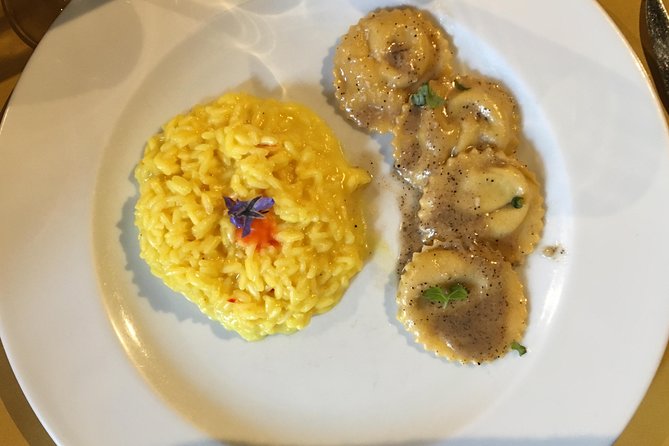
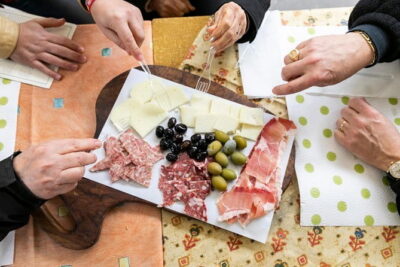
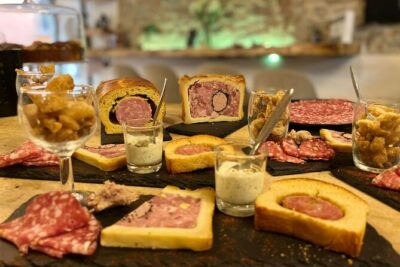
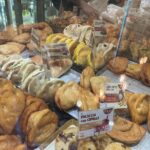
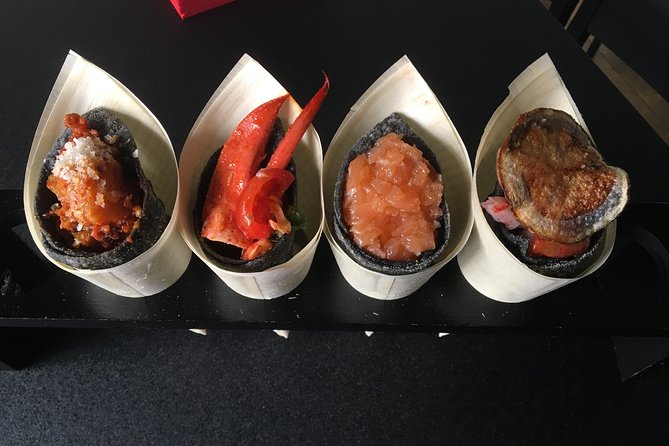
The tasting lineup is the main event, and it’s built around Milanese identity. You should expect samples of staples like risotto alla Milanese, fresh pasta, local cheeses, and local wines. The tour also frames these dishes as part tradition, part innovation, so you don’t just taste—you learn what makes the Milan version distinct.
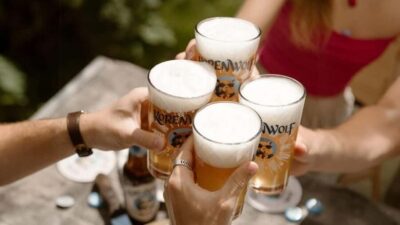
The wine component is included, which can be a treat if you want to understand what locals choose with meals. Also note: the tour follows the minimum drinking age of 18 for alcohol tastings, so plan accordingly if you’re traveling with family or underage friends.
A smart tip: since you’ll have multiple tastings across the route, go slowly. You’re not trying to “win” at eating; you’re tasting and learning. If you’re tempted to take too-big bites, the rest of your afternoon can get uncomfortable.
The pacing trick: a “mini meal” approach on foot
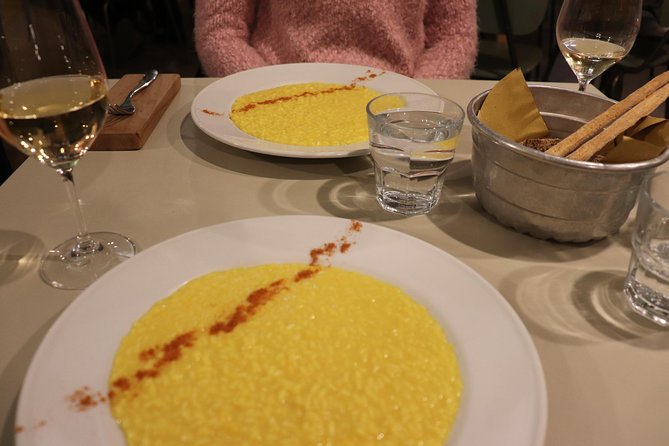
One reason this kind of food tour works is the progressive structure. Instead of one big seated meal, you get tastings at different moments, which helps you keep moving without feeling like you’re stuck in one place. In past groups, the “walk + stops + food” formula has been described as enough to feel like dinner, with sweet finishing touches sometimes included.
For your body, that pacing is useful. You’ll walk between stops, taste along the way, and still get to enjoy the neighborhoods rather than spending the whole outing indoors.
For your wallet, it can feel like more than just snacks. At $141, you’re paying for the guide, multiple tastings, and included wine—not just a single restaurant experience. If you’d otherwise spend money on a guided meal plus separate drinks, the math starts to look better.
Price and value: when $141 feels worth it
At $141, this isn’t a budget “grab-and-go” activity. It’s closer to a guided meal experience, with the extra value coming from two things:
- You’re paying for guidance plus context. The guide ties the food to Milan’s place in time—Roman, early Christian, and the canal-era logic around markets and movement. That turns tastings into a story you can repeat later.
- You get food and wine, not just one tasting. Tastings plus wine can easily add up if you plan the same evening yourself, especially in a city where good food costs what it costs.
If your goal is to eat well on limited time—arrival day, first day, or a day before you’ve figured out where to go—this is the kind of tour that can remove planning stress. You’ll spend less time comparing menus and more time enjoying the city.
Group size and walking reality: who this tour fits best
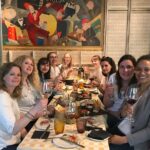
The tour caps at 15 travelers, which is a sweet spot for both atmosphere and interaction. It’s big enough that you won’t feel awkward, but small enough that the guide can keep control of pacing and still answer questions.
This is a good fit if you:
- want an easy way to try Milanese food you might not order alone
- like learning while you walk, not just reading plaques
- prefer a structured food plan with wine included
It may be less ideal if you’re dealing with mobility limits or if you hate walking between short stops. And because it operates with weather expectations, you’ll want to dress for real outdoor time.
Practical tips: meeting point, timing, and dietary requests
You meet at Corso di Porta Ticinese, 20123 Milano MI, Italy at the Colonne di San Lorenzo area. The tour ends back at the meeting point, so you won’t be stuck figuring out a return route.
There’s no hotel pickup or drop-off, so plan to use public transportation or walk over. Also, you’ll get a mobile ticket, which helps on travel days when you don’t want to print anything.
Diet-wise, make sure you advise any specific dietary requirements at booking. Since tastings are central to the itinerary, you’ll get a better experience if the operator knows your needs ahead of time.
Should you book this walking food tour of Milan?
I’d book it if you want a simple win: great Milanese tastings plus a guide who connects the food to the city you’re walking through. The small-group size and the mix of landmarks with food culture make it more than “eat, walk, repeat.”
Skip it only if you’re already confident you’ll build the perfect meal on your own and you don’t want any structure. Or if walking for about three hours is a deal-breaker, you’ll be happier choosing a seated food experience instead.
If you’re somewhere in the middle—curious, hungry, and short on time—this is a very sensible way to start tasting Milan on purpose.
FAQ
What does the tour cost and how long is it?
The price is $141, and the tour runs for about 3 hours.
What’s included in the tour?
You get a professional local guide, food tastings, and wine tastings.
What’s the meeting point for the tour?
The tour starts at Colonne di San Lorenzo, near Corso di Porta Ticinese, 20123 Milano MI, Italy.
Where does the tour end?
The tour ends back at the meeting point.
Which food and drink items are you likely to try?
Expect Milanese and Lombardy favorites such as risotto alla Milanese, fresh pasta, local wines, and cheeses, plus additional tastings.
Are tickets for all landmarks included?
Colonne di San Lorenzo includes an admission ticket. Basilica San Lorenzo Maggiore does not include admission.
Is there an age limit for the wine tastings?
Yes. The minimum drinking age is 18.
Does the tour operate in bad weather?
It operates in all weather conditions, but the experience also states it requires good weather. If it’s canceled due to poor weather, you’ll be offered a different date or a full refund.
Can you request dietary accommodations?
Yes. You should advise any specific dietary requirements at time of booking.
What’s the cancellation policy?
You can cancel for a full refund up to 24 hours in advance. If you cancel less than 24 hours before the start time, the amount paid is not refunded.
How big is the group?
The tour has a maximum of 15 travelers.