REVIEW · WARSAW
Warsaw: Polish Food Tour
Book on GetYourGuide →Operated by The Walking Parrot · Bookable on GetYourGuide
Pierogi and vodka in one plan.
This Warsaw Polish Food Tour is interesting because it turns the historic centre into a sequence of tastes, not a random restaurant hop. I like that it’s built to be a full food experience in just 210 minutes, with a guide who ties each dish to ingredients and context while you walk between stops.
I love the structure: you’ll taste 10 different Polish foods across 3 to 5 restaurants, including starters, soups, and main courses. I also like that the tour adds a vodka tasting and includes water or other refreshments, plus a written Polish food guide with recipes sent to your email afterward.
The only real drawback to plan for is how much you eat. This tour is designed to replace lunch and dinner, so if you’re not ready for a heavy, carb-forward meal train, you might feel stuffed before the last stop.
In This Review
- Key highlights you’ll care about
- How this Warsaw food tour is actually built
- Meeting point and the walk starting from Sigmunt Column
- Stop 1: Kickoff around Kamienica Johna
- Stop 2: Local café for regional comfort food
- Stop 3 and beyond: Restaurant tastings in the historic centre
- The one caution: quality and pacing can vary by stop
- Vodka tasting: included, but ask for context
- The food guide with recipes emailed to you
- Price and what $93 buys you in real life
- Who this tour fits best (and who should think twice)
- Quick planning tips so you enjoy it more
- Should you book the Warsaw Polish Food Tour?
- FAQ
- How long is the Warsaw Polish Food Tour?
- Where do I meet for the tour?
- What is included in the tasting portion?
- Is vodka tasting included?
- Are drinks included?
- How many restaurants will the tour visit?
- What languages are the guides?
- Is the tour wheelchair accessible?
- Is there free cancellation?
Key highlights you’ll care about
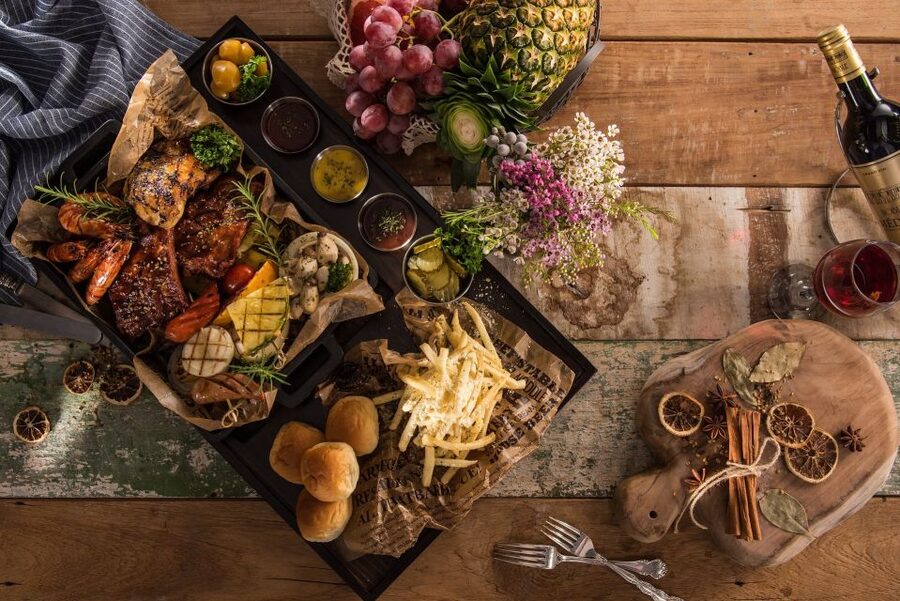
- 10 Polish foods in 210 minutes, spread across 3 to 5 restaurants in the historic centre
- Vodka tasting included, with a proper guide to what you’re drinking and why
- Food expert guide in English and Spanish (some departures also include Polish-speaking guidance)
- Recipe pack emailed later, so you can cook or order smarter after the tour
- Small-group feel has been reported (often around 7 people), which keeps questions flowing
How this Warsaw food tour is actually built
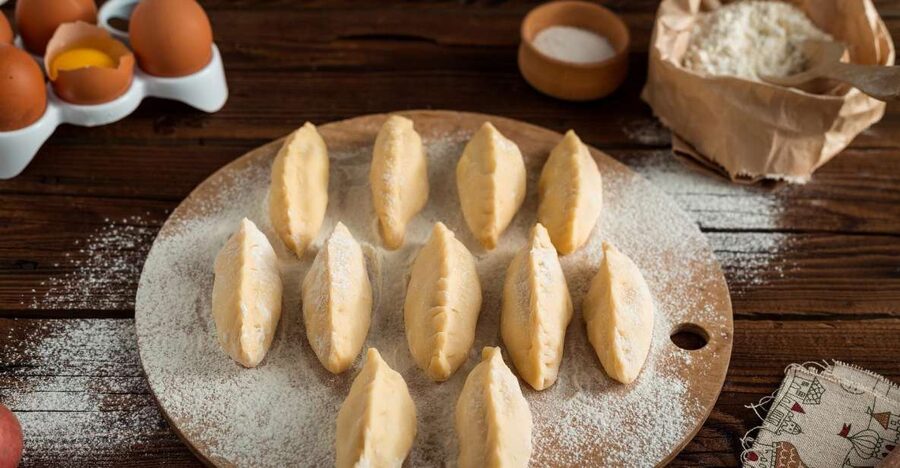
This isn’t a quick snack circuit. The whole point is pacing: you start in central Warsaw, then move restaurant to restaurant as the guide explains what’s on the menu and how Polish cooking traditions shape the flavors.
You’re signing up for about 3 to 5 restaurant stops over 210 minutes, and the included tastings are meant to add up to the feeling of two proper meals. That’s why the tour asks you to come hungry and plan to skip the big sit-down meal plans afterward. If you like learning by eating, this format works. You get multiple styles—soups, dumplings, meat dishes, plus some sweet notes—without spending your time searching menus while hungry and jet-lagged.
The other big piece is the guide. Names show up in the feedback in a way that makes it clear this tour leans on real personalities. People highlight guides such as Dorota, Arif, Cezary, Batka, César/Cesar, Paola, Tatiana, Aga, Louis, Patrick, and Arif/Batka style hosts who mix food explanations with Warsaw context as you walk. Even when the dishes vary, the best part is how someone puts Polish food into words, so you taste with understanding instead of just sampling.
You can also read our reviews of more food & drink experiences in Warsaw


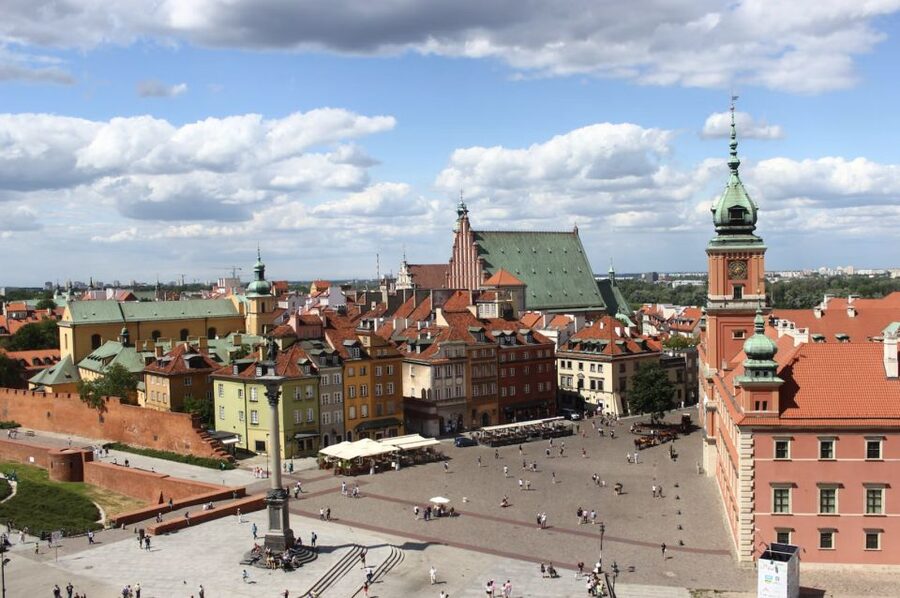
Meeting point and the walk starting from Sigmunt Column
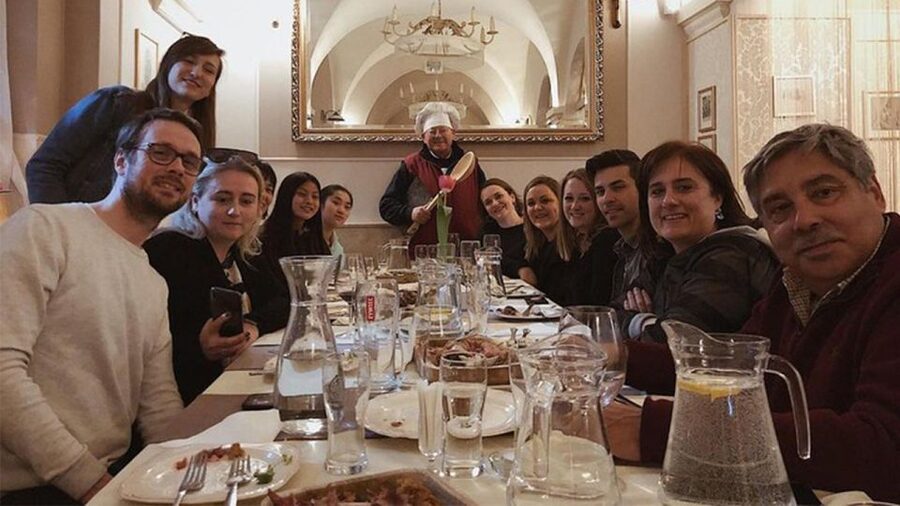
You meet at Sigmunt Column and the experience begins from Kamienica Johna. That detail matters because Sigmunt Column is public and central, but it can still feel a little generic if you arrive late. I’d treat it like any popular meetup: arrive a few minutes early so you can spot the group and avoid the awkward “is this us?” moment.
The walking portion is part of the deal. You’re not stuck indoors. You’re moving through the historic centre as the guide sets up each tasting. It’s a practical way to see the city while you’re also getting cultural context for what you’re eating. If you’re someone who gets distracted by long explanations, don’t worry—most of the time the talk is tied directly to the food in front of you.
If you’re sensitive to standing for periods, wear comfortable shoes. The total duration is only a bit over three hours, but you do have a steady flow of moving, standing, and eating.
Stop 1: Kickoff around Kamienica Johna
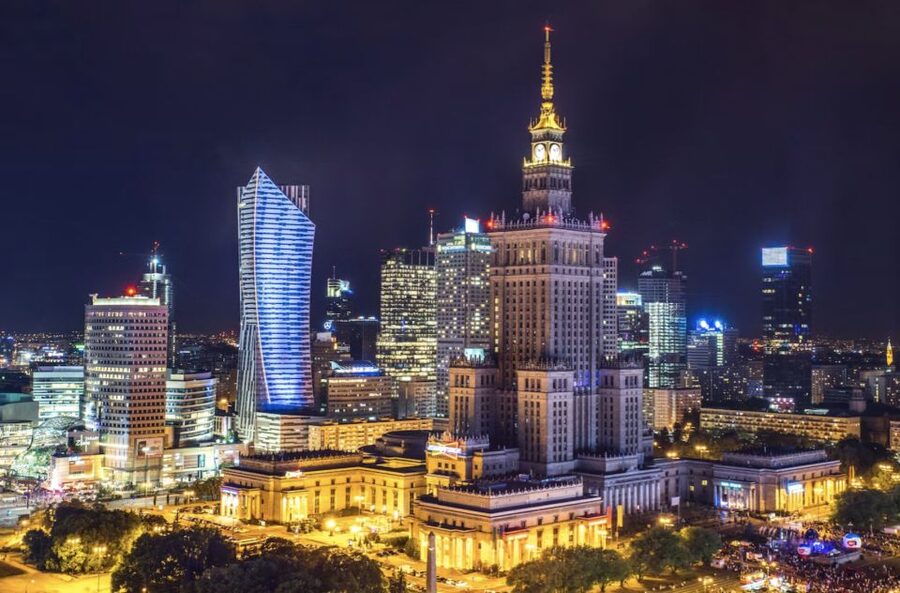
The tour start point is listed as Kamienica Johna, which typically functions as your “we’re here, here’s how this works” moment. Expect the guide to set the tone early: what Polish food tends to revolve around (like hearty carbs, slow-simmered flavors, and dumpling culture), and how the tasting portions are meant to build.
This opening matters because it helps you read the rest of the meal. If the guide explains how Polish dishes commonly balance sour, savory, and creamy notes, you’ll recognize those patterns as the stops continue. You’ll also get the sense of what to look for in ingredients, not just what’s served.
A quick practical tip: if you have dietary limits, this is the time to flag them clearly. The tour data doesn’t promise vegan or vegetarian substitutions, and at least one account notes it wasn’t a great fit for vegan/vegetarian needs. So don’t assume there will be a full plant-based lineup—ask upfront.
Stop 2: Local café for regional comfort food
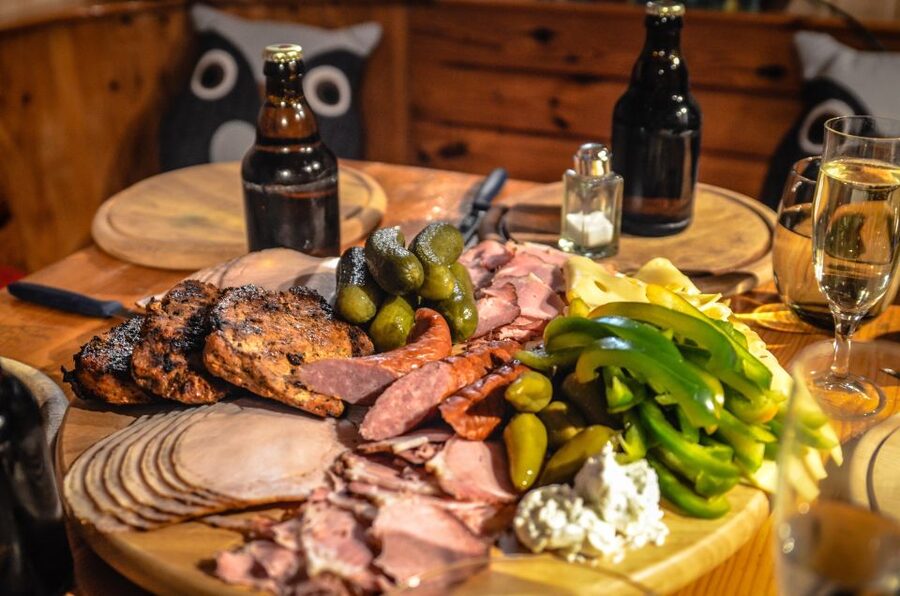
After the kickoff, the itinerary includes a local café stop focused on regional food. Cafés are often where you get the “easy to understand” pieces: things that show up in everyday Polish life, not just special-occasion restaurant dishes.
In practical terms, this stop is where I expect your first wave of satisfaction hits—bread-and-cheese territory, soup or starter-style portions, and warming comfort food that sets you up for heavier mains later. Based on what’s commonly listed in the dish mix (from the actual menu tastings that have been experienced), this is often where you might encounter potato-forward items and dumpling-adjacent flavors.
Why this stop is valuable: it’s a calmer entry point. If you start with a deep-fried or meat-heavy dish too early, you can lose the joy by the middle. The café stop keeps the tour balanced—then later restaurants can go full Polish classic.
Stop 3 and beyond: Restaurant tastings in the historic centre
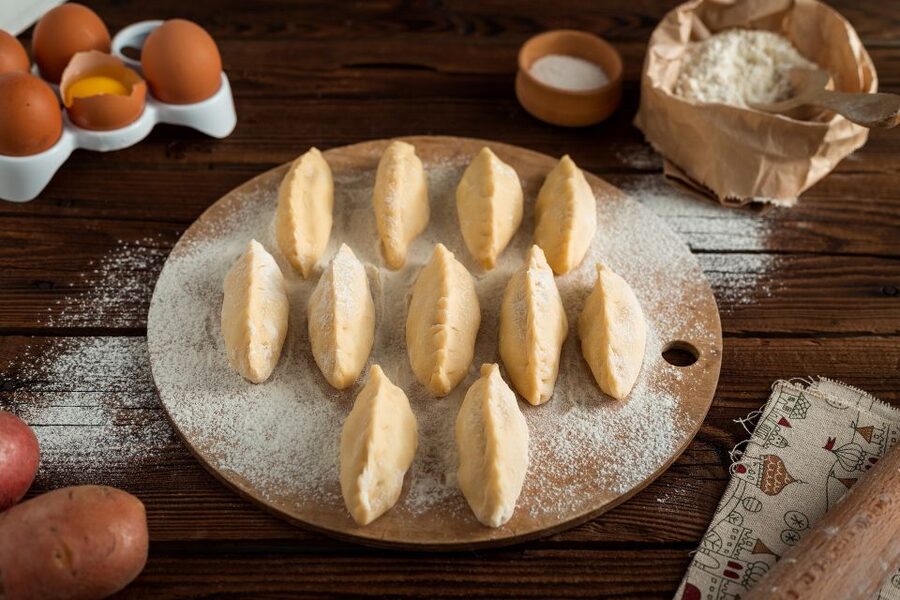
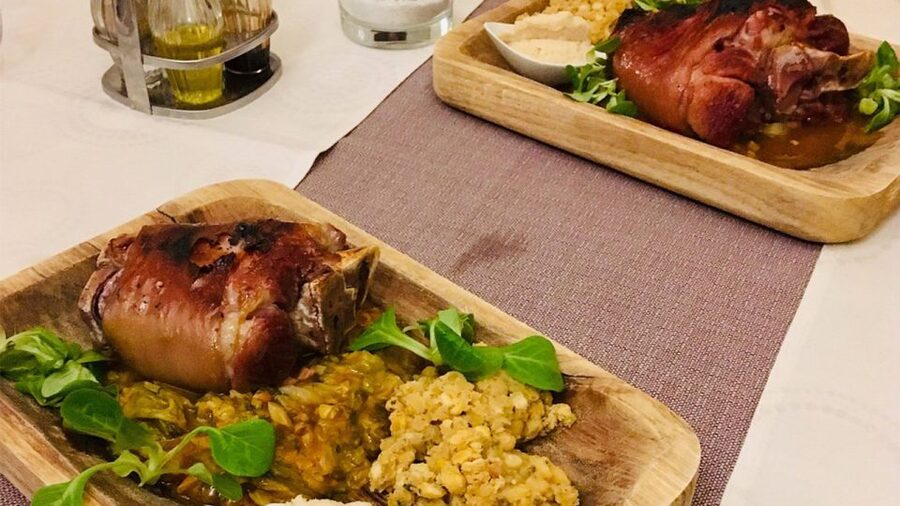
The itinerary specifically names a local restaurant stop with food tasting, and the overall tour format says you’ll visit 3 to 5 restaurants in the historic centre. So think of this portion as the core of the tour: hot dishes, larger variety, and the kinds of Polish “main character” plates that you won’t easily hunt down alone.
Here are the dish types that show up repeatedly in the tour’s tasting experiences, so you can mentally prepare:
- Pierogi (steamed and sometimes fried dumplings, often with cabbage and mushroom)
- Bigos (a hunter-style stew usually built around sauerkraut and meats)
- Pyzy (dumplings that people mention as part of the tasting lineup)
- Goulash-style pork dishes paired with potato pancakes
- Cabbage rolls (stuffed leaves, often with rice and meat in a tomato-style sauce)
- Sweets mixed into the lineup so you finish with a sweet note, not just meat and potatoes
Even if your exact plate order varies, the pattern is consistent: the restaurants stack classic Polish comfort food so you get variety without needing to choose. That’s the real luxury here. In Poland, it can be intimidating to order when you don’t recognize the dish names. A guided tasting removes that uncertainty.
A few more Warsaw tours and experiences worth a look


The one caution: quality and pacing can vary by stop
A couple of experiences point out that not every restaurant stop landed equally. Some mention a dish selection that didn’t feel like top-tier Warsaw options, or at least that expectations were higher than what was served. There’s also an example of a wait inside a restaurant during one stop.
That doesn’t mean the tour is unreliable—just that food tourism is still food tourism. Restaurant service rhythms can vary. If you’re the type who dislikes waiting, you’ll want a patient mindset and plan to enjoy the walk-and-learn parts between courses.
Vodka tasting: included, but ask for context
Vodka tasting is explicitly included, and this isn’t just a quick shot tossed into the end. The guide’s job is to explain what you’re tasting and how it fits Polish drinking culture.
In a tour like this, vodka makes sense for two reasons. First, it’s part of how Polish meals are often celebrated and remembered. Second, it provides a contrast to the food—salty, creamy, sour, and savory flavors can make the vodka feel sharper or smoother depending on what you just ate.
One thing to keep in mind: vodka tasting can be more or less memorable depending on how you pace yourself during the meal train. If you’re sensitive to alcohol, go slower than your friends and sip water when you need it. Water or other refreshments are included, and that matters.
The food guide with recipes emailed to you
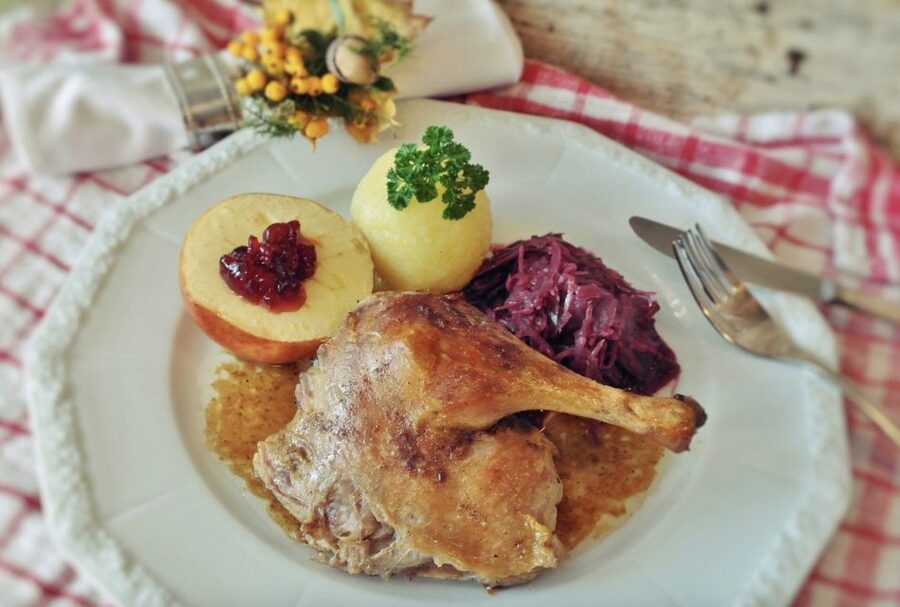
This is one of the sleeper benefits. You’re not just eating and walking away. You get written information about Polish food with recipes, sent to your email.
That turns the tour from a fun afternoon into something you can use later. When you return to your apartment, you can search the exact dish names you sampled, check how they’re typically made, and decide whether you want to recreate them or order them again in a Polish restaurant. If you’re a planner, this is also handy for helping you navigate menus after you’ve built a reference point.
It’s also part of why the tour is good value. You’re paying for access to multiple courses plus the “translation layer” in writing.
Price and what $93 buys you in real life
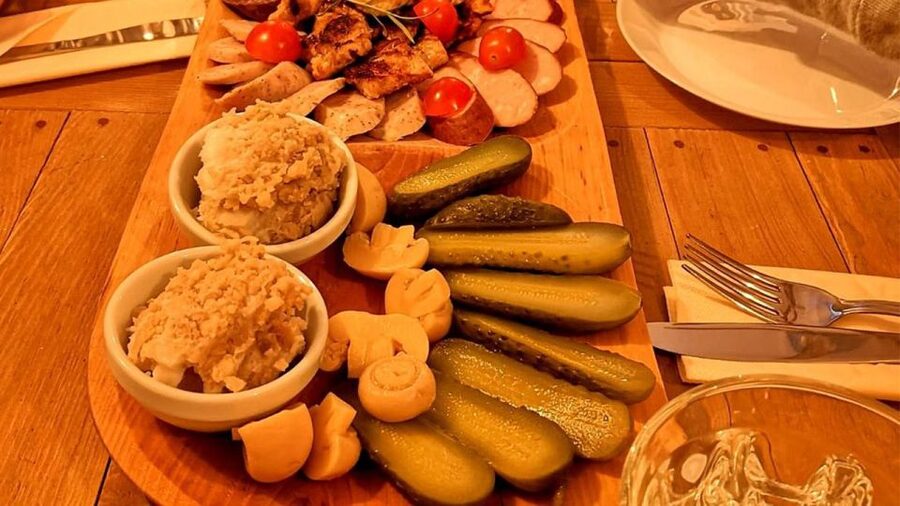
At $93 per person for 210 minutes, this tour isn’t “cheap,” but it’s not just paying for a guide either. You’re buying a bundled experience:
- 10 different Polish foods (starters, soups, and main courses)
- Vodka tasting
- Water and/or other refreshments
- Multi-language guidance (English and Spanish, plus Polish-speaking food guidance on some departures)
- Email recipes and written food notes
If you tried to replicate this on your own, you’d need to research dishes, choose restaurants that can handle group tastings, and then pay for multiple separate meals. Even if you got the food right, you’d still lose the guidance that helps you understand ingredients and why the dish works.
So the value comes from friction removal. You skip the guesswork and get a well-paced “greatest hits” of Polish food.
Who this tour fits best (and who should think twice)
This works best if you:
- want a guided intro to Polish cuisine in one sitting
- like learning food through ingredients and context
- enjoy walking while eating (not just sitting)
- want a recipe cheat sheet after your meal
Think twice if you:
- are strict about vegan/vegetarian diets, because the tour doesn’t promise substitutions
- have a sensitive stomach or don’t like heavy, carb-and-meat meals
- prefer to order from menus you already know (because this is deliberately a structured tasting program)
Quick planning tips so you enjoy it more
- Come hungry enough to enjoy a full meal experience. The tour asks you to replace lunch and dinner, so don’t eat a big breakfast first.
- Drink water between tastings. The pace is part of the fun, but comfort matters.
- Wear comfy shoes. You’ll move between multiple spots in central Warsaw.
- If you have allergies or strong dietary restrictions, message or ask at the start. The data doesn’t list a specialized menu.
Should you book the Warsaw Polish Food Tour?
If you’re in Warsaw for a short stay, this is one of the most efficient ways to understand Polish food without wasting time on menu decoding. The biggest strength is the pairing of multiple tastings with guided explanations, often led by hosts like Dorota, Arif, Batka, or Cezary, who are praised for making the experience feel personal and informative.
I’d book it if you want a hearty, memorable “try everything” afternoon and you can handle a lot of food in a few hours. I’d hesitate only if you need a guaranteed vegan/vegetarian menu or you know you’ll struggle with very filling portions.
If that sounds like you, reserve your spot and plan your schedule around it—because this tour will feed you first, and ask questions later.
FAQ
How long is the Warsaw Polish Food Tour?
The duration is listed as 210 minutes.
Where do I meet for the tour?
Meet at Sigmunt Column.
What is included in the tasting portion?
The tour includes tastings of 10 different Polish foods, including starters, soups, and main courses.
Is vodka tasting included?
Yes. A Polish Vodka tasting is included.
Are drinks included?
Water and/or other refreshments are included, but additional drinks are not included.
How many restaurants will the tour visit?
You’ll visit 3 to 5 restaurants in the historical centre of the city.
What languages are the guides?
The tour includes a live guide in English and Spanish, and the food guide can be English, Spanish, and Polish-speaking.
Is the tour wheelchair accessible?
Yes, it is listed as wheelchair accessible.
Is there free cancellation?
Yes, free cancellation is available up to 24 hours in advance for a full refund.