REVIEW · MANILA
⭐ Manila Street Food Tour in the Downtown, Eat and Drink⭐
Book on GetYourGuide →Operated by V.S Tour Services · Bookable on GetYourGuide
Street food in Manila makes jet lag vanish. In a 2-hour small-group tour through Tondo and Binondo, an English-speaking guide helps you eat your way through daily Filipino life (often with guides like V or Floyd).
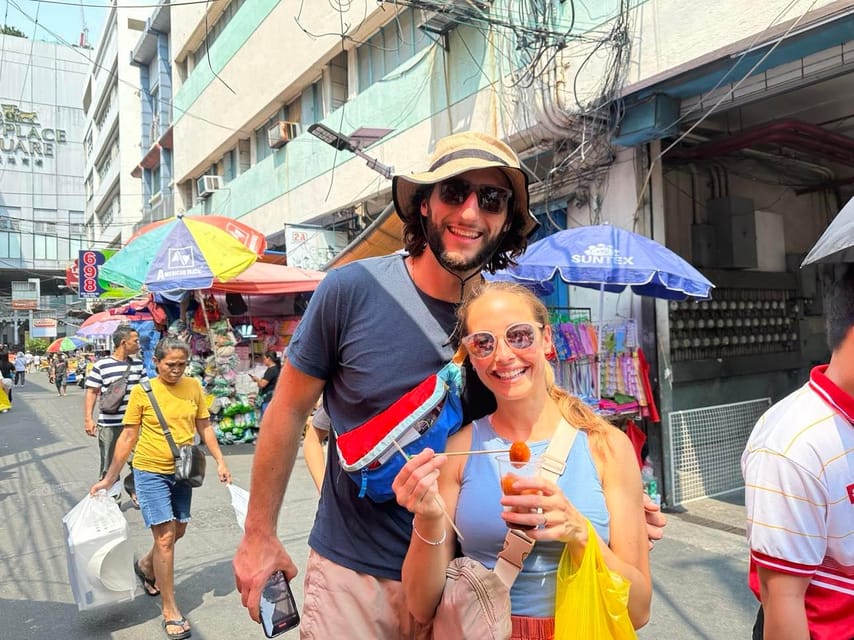
I love the 6–10 tastings because you get to graze on classics like kwek kwek and halo-halo, and even try balut if you want the full Manila story. I also like the local transportation and short walks through side streets, which keeps the tour feeling like real neighborhood time.
One thing to watch: the menu can lean sweet, and the tour is not designed for vegans/vegetarians. It is also not suitable for pregnant women or for people over 95.
In This Review
- Key highlights to look for
- A 2-Hour Manila Street-Food Plan That Actually Fits a Short Stay
- Tutuban Center Mall Meeting Point: Starting From a Place That Makes Sense
- What You Really Eat: From Kwek Kwek to Halo-Halo (and Balut When You Want It)
- A heads-up on the sweet-to-savory balance
- Local Transportation: Why Moving With the City Changes Everything
- The Pace, Group Size, and Photo Moments (Plus the One Rule: Do Not Eat First)
- Price and Value: Is $63 Worth It for Two Hours?
- Who This Tour Is Best For (And Who Should Skip It)
- Manila Food Culture Notes You Can Use Right Away
- Should You Book This Manila Street Food Tour?
- FAQ
- How long is the Manila street food tour in the downtown areas?
- How many food tastings are included?
- Where do I meet the guide?
- What languages will the guides speak?
- Is the tour suitable for vegans or vegetarians?
- Is the tour suitable for pregnant women or elderly guests?
- What is included and not included?
Key highlights to look for
- Small group size (max 12): more time with your guide, less waiting around for the next stall.
- 6–10 food tastings: enough variety to cover sweet, savory, and snacky street favorites.
- Tondo + Binondo focus: you’ll see two well-known downtown food zones in a short window.
- Local transport included: you are not just walking in a straight line; you move like locals do.
- English and Tagalog support: easier for first-timers to follow directions and explanations.
- Street-food icons on the menu: expect things like kwek kwek, halo-halo, and sometimes balut.
A 2-Hour Manila Street-Food Plan That Actually Fits a Short Stay
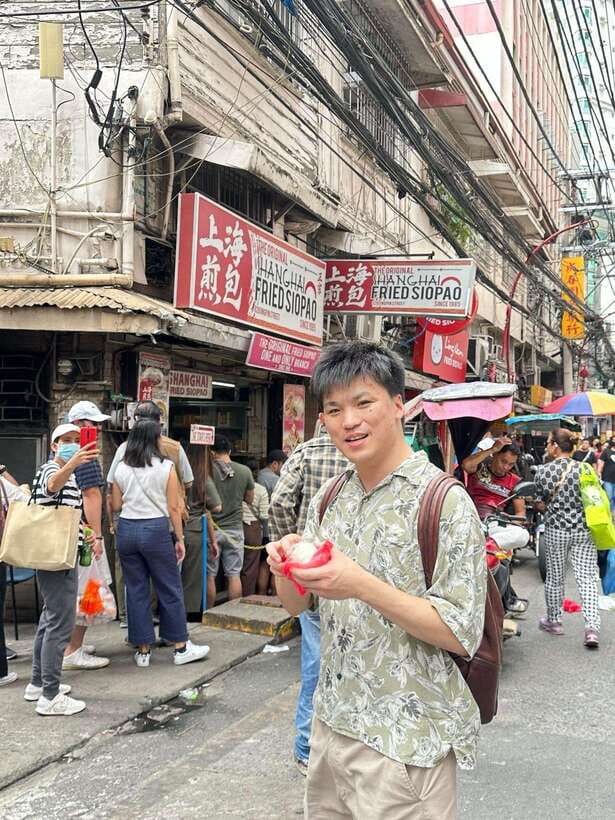
Manila can feel big and loud fast, especially if you only have a day or two. This tour is built for that reality. In just 2 hours, you get a guided path through downtown food areas like Tondo and Binondo, so you do not waste precious time figuring out where to go.
What makes it work is the combination of tastings + neighborhood movement. You are not doing a long sit-down meal where you spend most of the time waiting for plates. Instead, you keep moving, you eat small bites along the way, and you leave with a better sense of how Manila feeds people day to day.
Also, it helps that the group stays small (up to 12). When the pace is fast and the streets are busy, a larger crowd can turn into a shuffle. Here, you get a more human rhythm—enough interaction to ask questions about what you are tasting and where it comes from.
You can also read our reviews of more food & drink experiences in Manila

Tutuban Center Mall Meeting Point: Starting From a Place That Makes Sense
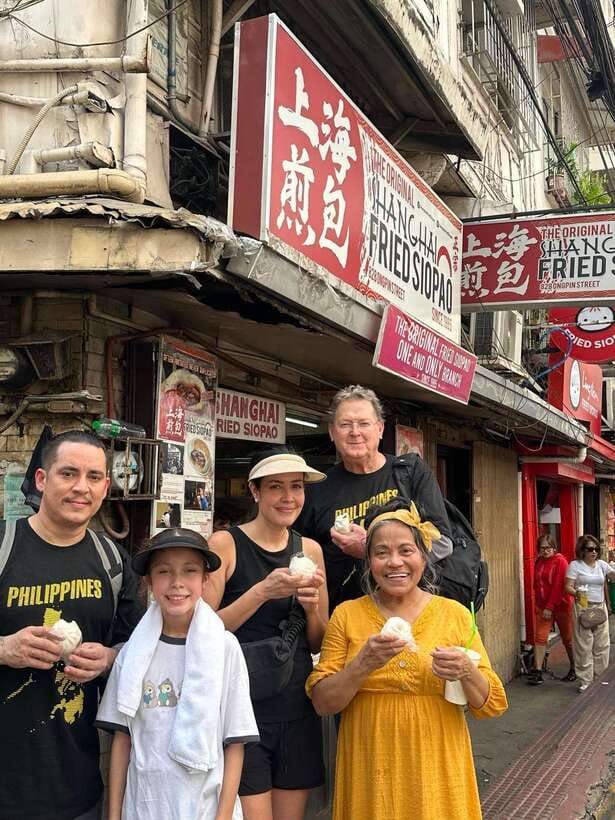
The tour meets at Tutuban Center Mall, and you will meet your guide outside Bonifacio Monument. That location matters if you are new to Manila, because it gives you a clear landmark instead of trying to meet “somewhere near” a market entrance.
From there, you can expect an organized flow: brief direction from your guide, then off into small side streets for the food. The walking portion is part of the point. You are meant to feel like you are part of the street scene, not just watching it from the sidewalk.
One practical note: since this is an eat-first experience, plan your day around it. Wear comfortable shoes and keep your phone charged, because you will likely want photos as you bounce between stalls and street corners.
What You Really Eat: From Kwek Kwek to Halo-Halo (and Balut When You Want It)
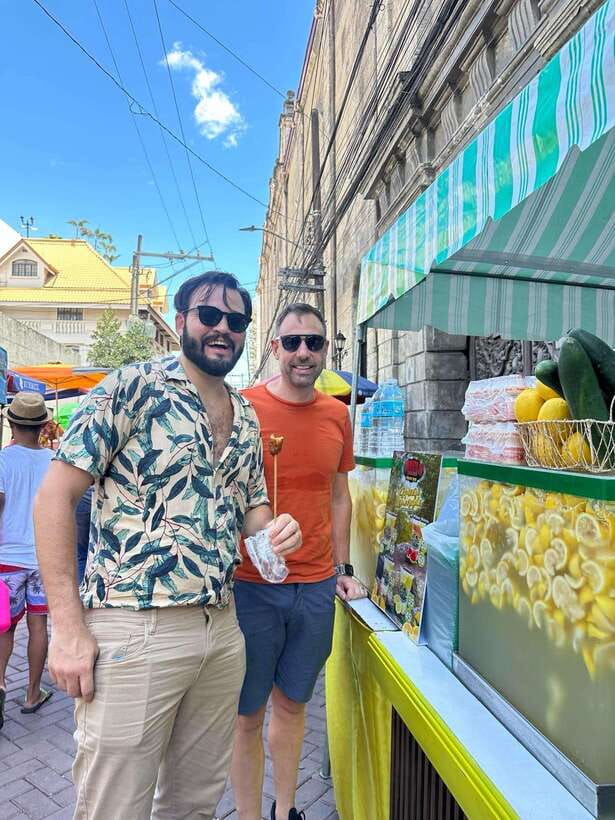
The food tastings are the heart of the tour, and you can count on 6 to 10 selections. The exact mix depends on what is available on the street, which is normal for street food and also part of the fun. You are sampling what Manila is serving today—not a pre-boxed menu.
Common items you should expect include kwek kwek and halo-halo. If your guide offers balut, take it as a chance to understand a Filipino comfort tradition, not just a stunt. One guest described trying balut as a highlight, even after nervousness beforehand, which is exactly the kind of moment these tours are good at: turning uncertainty into a story.
You may also encounter other classic street treats, including:
- Puto bumbong
- Cassava cake
- Chicken afritada
- Egg tart
- Banana (as a snack option)
Here is the value in the variety. Street food is not one style of eating—it is textures, temperatures, and flavors. You get fried, sweet, chewy, and creamy options across the tour. Even if you think you already know Filipino food, these small tastings often show you how wide the street menu can be.
A heads-up on the sweet-to-savory balance
A drawback you should consider is that the lineup can skew toward sweets. That shows up in feedback that the tour had more sweets than expected and not as many savory or fruit options as some people hoped for. So if you are the type who wants only savory dishes, you might still enjoy it—but go in knowing you will likely taste dessert-like items too.
Local Transportation: Why Moving With the City Changes Everything
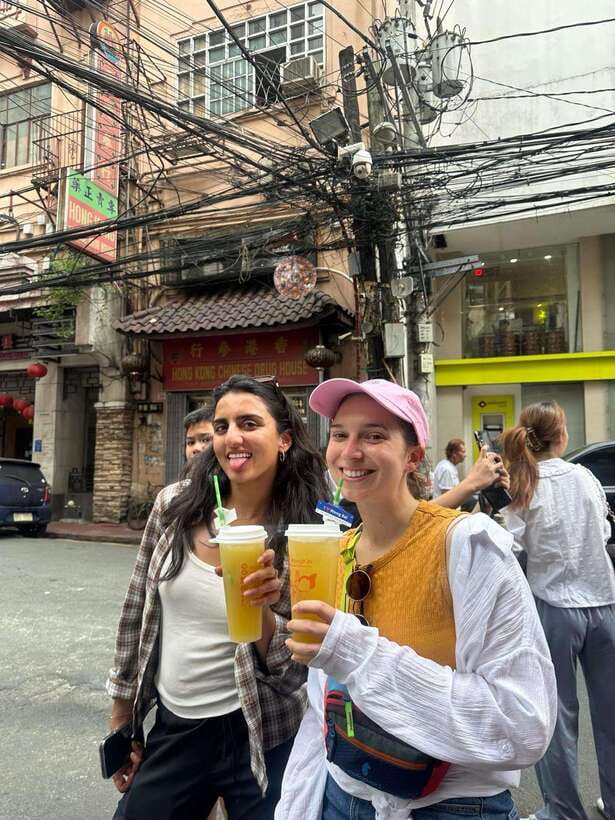
This tour includes experience local transportation along with a walking tour. The exact rides are not listed in the details you provided, but the intent is clear: you are not just strolling around the loud parts of Manila. You are traveling through the city the way locals do, in short, practical segments.
That makes a big difference when you are on a tight schedule. Manila’s neighborhoods can feel separate from each other—different rhythms, different street layouts, different food densities. Using local transit breaks the day into smaller pieces, so the tour stays efficient without feeling like you are sprinting everywhere.
It also helps with orientation. After a couple of hours, you generally understand the geography more than you would from a map. You learn where the food energy clusters, where the markets sit, and how side streets connect back to bigger roads.
The Pace, Group Size, and Photo Moments (Plus the One Rule: Do Not Eat First)
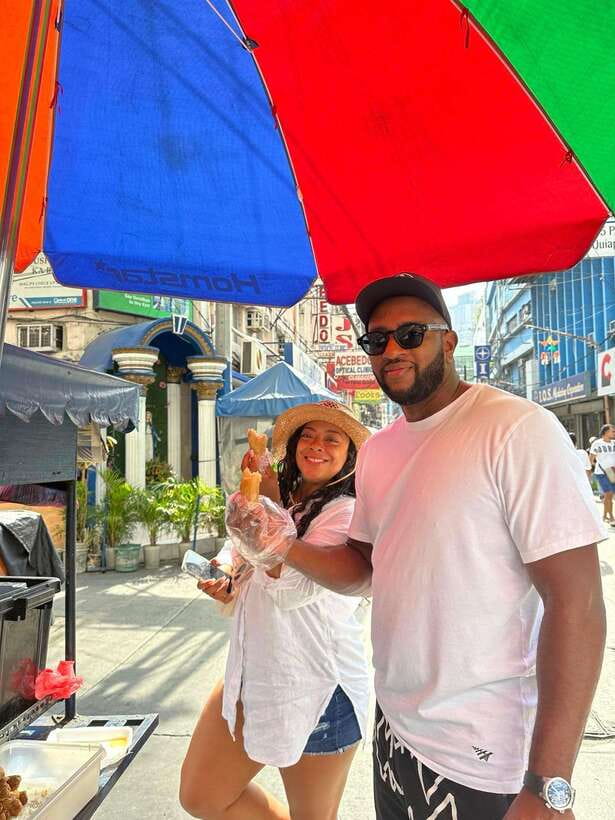
The tour is intimate and limited to 12 participants, which helps keep the pace manageable. In a setting like street food, your biggest enemies are long waits and slow decision-making. A good guide keeps you flowing, and a small group makes that easier.
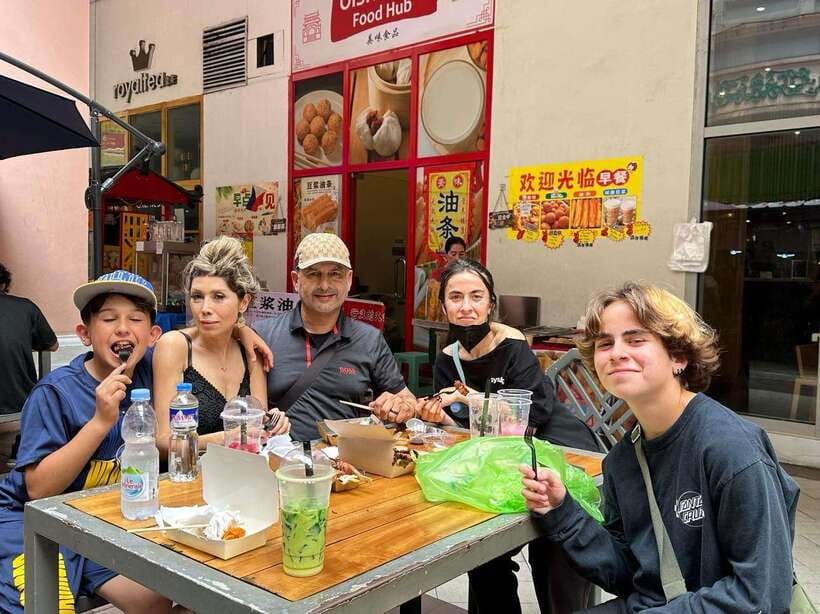
One piece of advice stands out strongly: do not eat before the tour. At least one guest said they were totally stuffed during the experience, which tells you the tastings are not tiny “one-bite” samples. They are enough to satisfy, and you will want your appetite ready.
Bring a simple strategy to the table:
- If you get offered something you are unsure about, ask what it is and how it is eaten.
- Eat at the pace your guide recommends, not the pace you think you can handle.
- Keep water in mind—bottle water is included, which helps a lot when you are tasting multiple items in warm weather.
Also, your guide may help with photos. Several guests praised guides for taking lots of pictures, which is useful if you do not want to stop and keep asking strangers to snap photos while you are holding sticky food. It is a small thing, but it makes the whole tour feel smoother.
Price and Value: Is $63 Worth It for Two Hours?
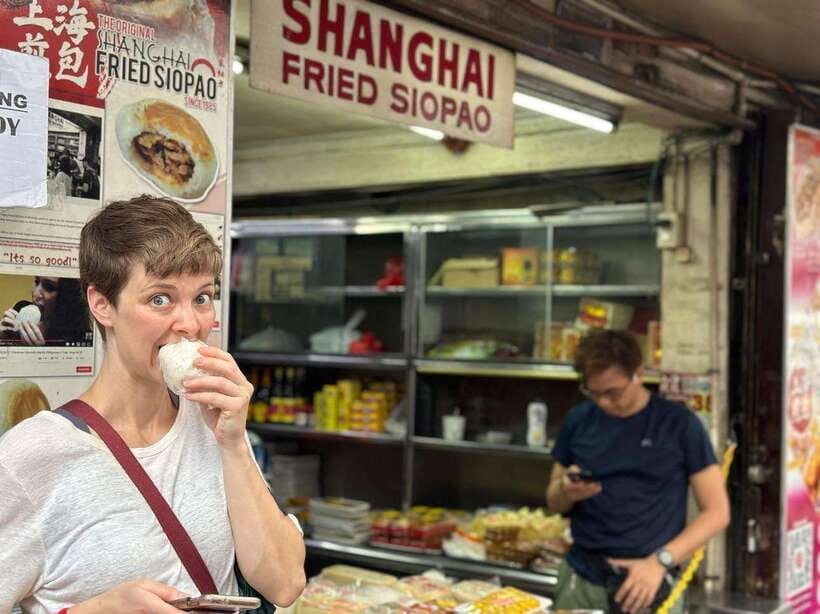
At $63 per person for 2 hours, the price is not a bargain tour, but it is also not out of line for guided street food with transit and multiple tastings. Here is how I think about value for this kind of experience.
You are paying for three things:
- Guided access to downtown food areas like Tondo and Binondo, where it is hard to know what is safe, fresh, or worth ordering if you are new.
- A tasting count of 6–10 items, including Filipino street-food staples (not just one token snack).
- Local transportation plus coordination, which can be time-consuming to arrange on your own.
If you are only in Manila for a short stay, that last point is huge. DIY street-food wandering can turn into frustration quickly: wrong turns, closed stalls, and wasted time hunting for something you only heard about online.
If your priority is maximizing time and getting real local food variety without stress, this price can feel like a smart shortcut.
Who This Tour Is Best For (And Who Should Skip It)
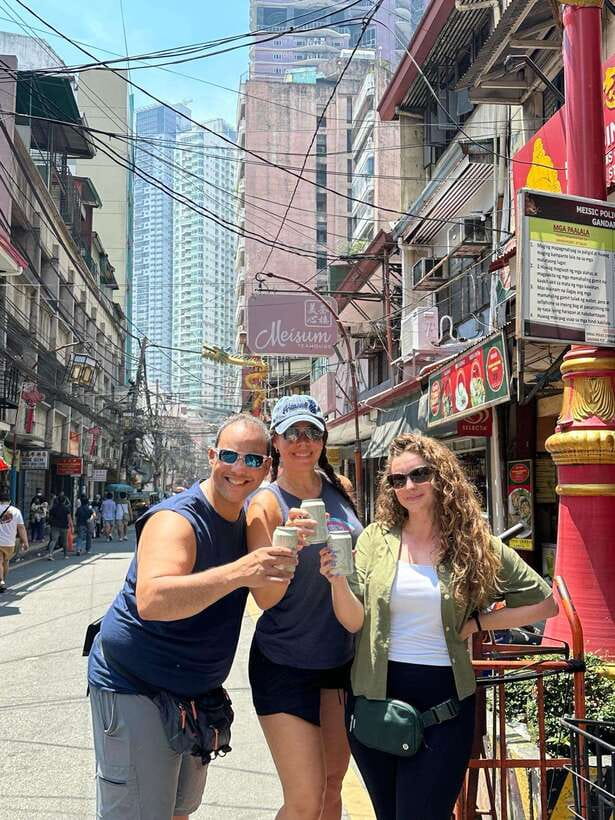
This experience is designed for people who want a guided street-food snapshot of Manila’s downtown scene. It is a good fit if you:
- Are visiting for a layover or just 1–2 days
- Prefer a small-group format
- Want to taste multiple Filipino street foods in a short window
- Appreciate explanations in English (and Tagalog support)
It also sounds like a strong choice for solo visitors. One guest specifically noted that even when traveling alone, the guide experience still felt excellent and welcoming.
That said, there are clear limits:
- Not suitable for vegans
- Not suitable for vegetarians
- Not suitable for pregnant women
- Not suitable for people over 95
If any of those apply, you will want to choose a different kind of food tour that better matches your needs.
Manila Food Culture Notes You Can Use Right Away
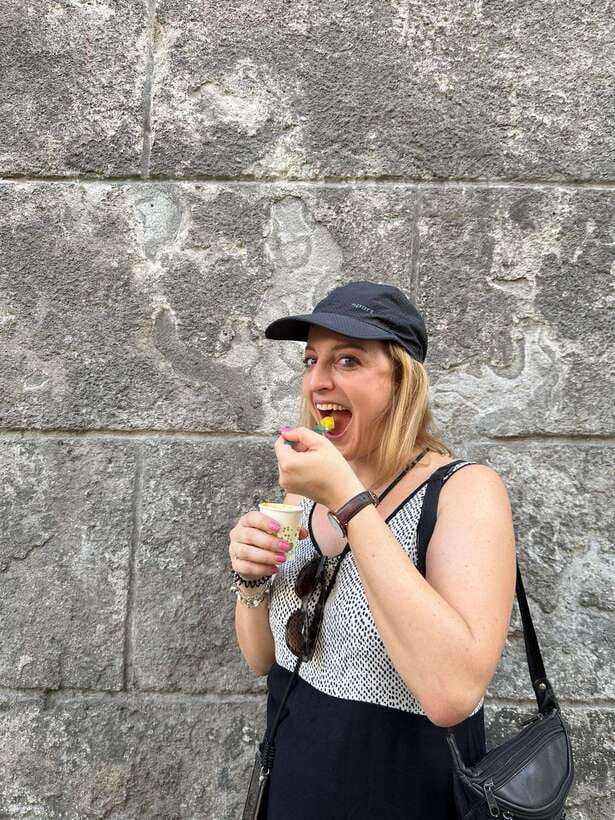
The biggest benefit of a guided street-food tour is that you stop treating food as a list of items and start seeing it as culture and routine.
Even in a short experience, you can pick up how Filipino snacks work as a daily rhythm: fried street snacks, warm desserts, and mixed-texture treats that people eat on the go. When you try items like kwek kwek or halo-halo, you are tasting the street logic—sweet meets savory, and comfort comes in small portions.
And if you are brave enough to try balut, you get a powerful cultural insight fast. One guest said it was not that bad after all, and that is the real point: your first guess is often shaped by stories, not taste.
Finally, you leave with a better sense of what you might want to hunt down on your own later. Once you understand the basics, you can walk into another market area with confidence instead of confusion.
Should You Book This Manila Street Food Tour?
I would book it if you want an efficient, guided way to eat downtown Manila without spending half your day figuring out logistics. The small group, 6–10 tastings, and local transport are a strong combination for anyone on a tight schedule.
I would pause before booking if you have strict dietary needs like vegetarian or vegan preferences, or if you know you strongly dislike sweet-heavy menus. Also think twice if you are someone who gets overwhelmed by street crowds and quick movement—this is a lively street-food setup, not a slow, quiet food museum.
If you are open-minded about street snacks and want a fast, memorable taste of Tondo and Binondo, this is one of the most practical ways to make your Manila time count.
FAQ
How long is the Manila street food tour in the downtown areas?
The tour duration is 2 hours.
How many food tastings are included?
You get 6 to 10 food selections during the tour.
Where do I meet the guide?
The meeting point is at Tutuban Center Mall, and you will meet the guide outside Bonifacio Monument.
What languages will the guides speak?
The local tour guides speak English and Tagalog.
Is the tour suitable for vegans or vegetarians?
No. The tour is listed as not suitable for vegans and not suitable for vegetarians.
Is the tour suitable for pregnant women or elderly guests?
No. It is not suitable for pregnant women, and it is also listed as not suitable for people over 95 years.
What is included and not included?
Included: English/Tagalog local guides, 6–10 tastings, bottle water, local transportation, and a walking tour. Not included: the items listed as not suitable (vegans, vegetarians, pregnant women, and people over 95).