REVIEW · MANILA
Manila: Guided Food Tour of Binondo with Tastings
Book on GetYourGuide →Operated by Explore Manila Tours · Bookable on GetYourGuide
Food trails beat guidebooks in Binondo. Starting at Binondo Church, this 3-hour walking tour strings together Filipino-Chinese classics you’d struggle to find on your own.
I also like how the route moves meal-to-meal through narrow streets and little alleys, so you’re eating in context, not just collecting bites. One heads-up: it’s a walk-and-eat experience and it’s not built for wheelchair users or vegan/vegetarian diets.
In This Review
- Key Things You’ll Enjoy on This Binondo Food Tour
- Binondo Church: Where the Food Tour Gets Its Sense of Place
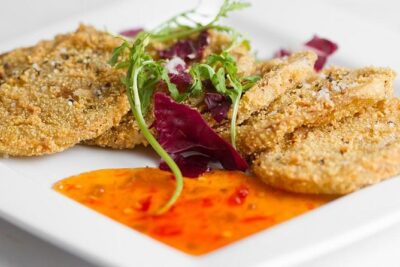
- Carvajal Street Lumpia: The Smell-Test Stop
- Dumplings as a Craft: The Stop That Most People Remember
- Mami: Filipino Comfort Food with Chinese Roots
- Dimsum: Classic Bites, Real Techniques
- Hopia at a Historic Bakery: The Sweet Finish You’ll Want
- The Walk, the Timing, and Why 3 Hours Works
- Price and Value: Is $60 Worth It?
- Guides, Hospitality, and the Solo-Traveler Advantage
- Who This Tour Fits Best (And Who Should Skip It)
- Getting There and What to Bring
- Should You Book This Binondo Food Tour?
- FAQ
- How long is the Binondo guided food tour?
- How much does it cost?
- Where do I meet the guide?
- What’s included in the price?
- Is the tour run rain or shine?
- Can I cancel for a full refund?
Key Things You’ll Enjoy on This Binondo Food Tour
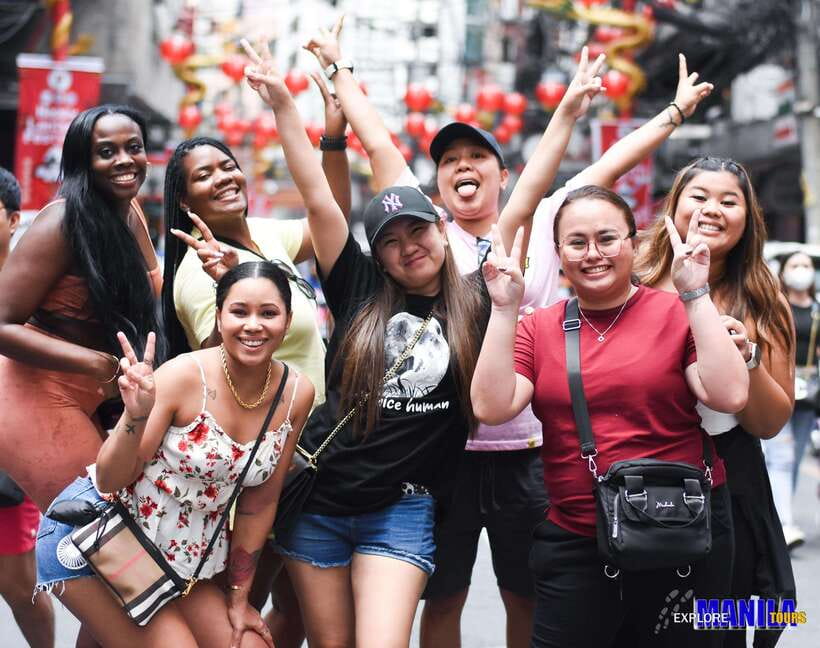
- Binondo Church is the anchor point for a route that starts with history and ends with food
- Carvajal Street lumpia sets the tone fast with fresh, vendor-made spring rolls
- Handmade dumplings are treated like a craft stop, not a quick sample
- Mami and dimsum show how Filipino comfort food and Chinese techniques mix
- Hopia from a historic bakery gives you a classic sweet finish
- Portions are generous, so come hungry and plan to feel full
Binondo Church: Where the Food Tour Gets Its Sense of Place
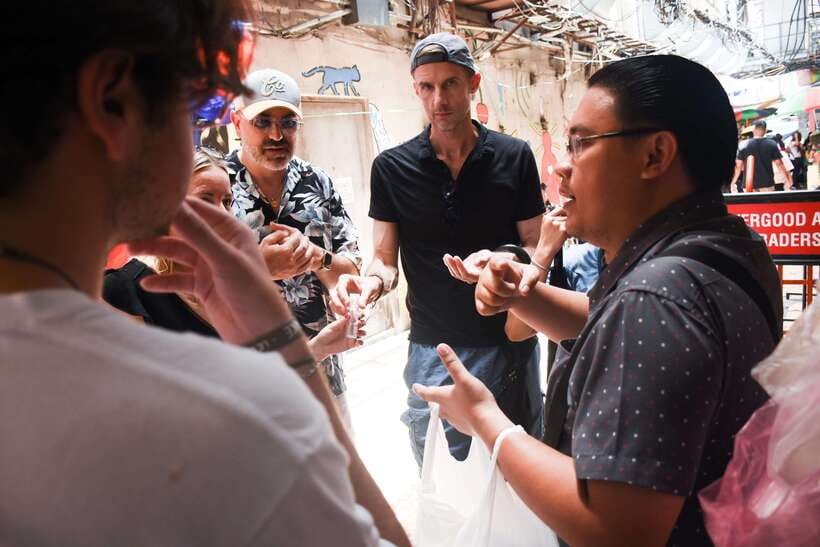
Your tour starts at Binondo Church, and that’s not just a convenient meeting spot. It gives you a clear center point in a neighborhood that can feel like one long maze of small lanes. Standing there first also helps you orient yourself before you start chasing smells around the oldest Chinatown in the world.
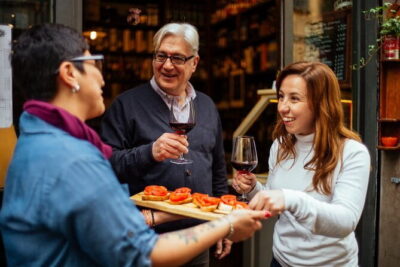
From that first stop, the experience stays intentionally simple: walk, eat, and connect each dish to the neighborhood you’re standing in. You’ll be with an English-speaking guide throughout, and that matters more than you might think. In Chinatown areas like Binondo, food is the language, but the stories behind it are what make the tasting feel meaningful instead of random.
Practical note: you’ll meet in the lobby area of the church near the candles area, so it’s worth arriving a few minutes early to avoid that last-minute milling about.
You can also read our reviews of more food & drink experiences in Manila
Carvajal Street Lumpia: The Smell-Test Stop
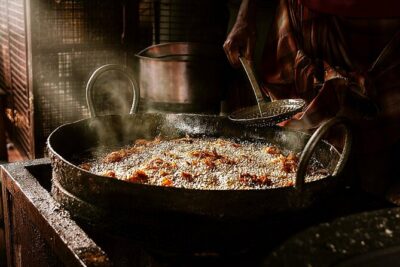
Early on, you’ll move to Carvajal Street and get hit with one of Binondo’s most comforting aromas: fresh lumpia. This is where the tour earns quick points. You’re not waiting for some distant restaurant that takes time to reach. Instead, you get your first real taste while the street energy is still fresh in your senses.
What I like about lumpia in this setting is that it’s Filipino-Chinese food you can recognize, but the version you try here is local and street-level. The tour frames it as something prepared by local vendors, with culinary traditions passed down through generations. Even if you’ve had lumpia elsewhere, this is a nice reset: you learn how the neighborhood does it, not how a generic menu does it.
A small consideration: lumpia can be filling fast. If you snack heavily beforehand, the tour’s later stops might feel like a chore. If you skip breakfast or eat very lightly, you’ll enjoy it more.
Dumplings as a Craft: The Stop That Most People Remember
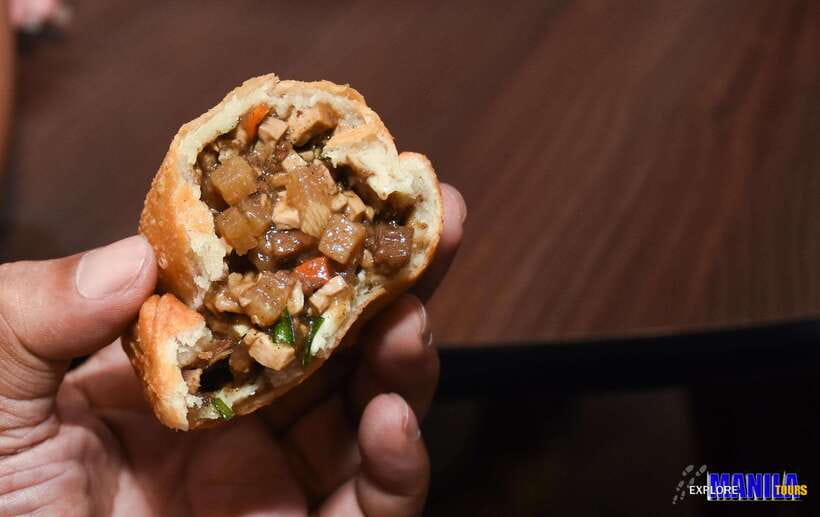
Then the tour shifts into one of its most talked-about moments: dumpling making. This isn’t presented as a random plate of dumplings. It’s treated like a craft—where the technique and the care show up in the bite.
You’ll taste handmade dumplings, and that’s a big difference from the kind of dumplings you might grab frozen or from a place that doesn’t focus on preparation. The tour’s tone here is practical: you’re going to notice texture, seasoning, and how each dumpling feels “finished,” not just cooked.
From past bookings, dumplings are often the favorite item, and I get why. When the tour delivers a stop like this early in your meal run, it sets a standard for the rest of the route. After this, other dishes feel like chapters in the same story.
Mami: Filipino Comfort Food with Chinese Roots

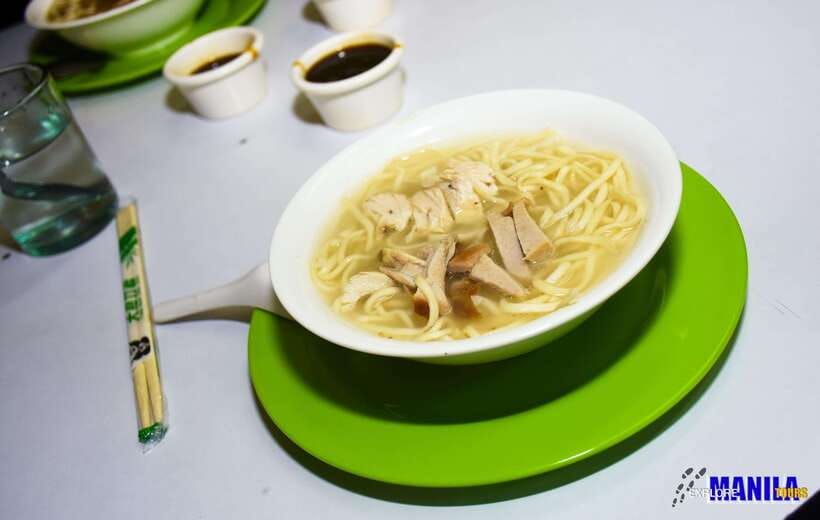
Next comes mami, a noodle soup that fits right into Filipino comfort-food culture. This stop is valuable because it shows you the fusion in a way that’s easy to taste. Instead of thinking of Filipino-Chinese cuisine as two separate worlds, you get a dish that already lives in the middle.
Mami also gives you a breather. After crunchier snacks like lumpia and a bite-based dumpling stop, a warm noodle soup is a steadying rhythm. It’s the kind of food that makes walking a few blocks feel less like work and more like part of the meal.
If you’re picky about spice or strong flavors, mami is usually a safe bet compared with spicier street dishes, but the tour doesn’t offer details on spice level. So if you’re sensitive, just tell your guide you prefer milder flavors.
Dimsum: Classic Bites, Real Techniques
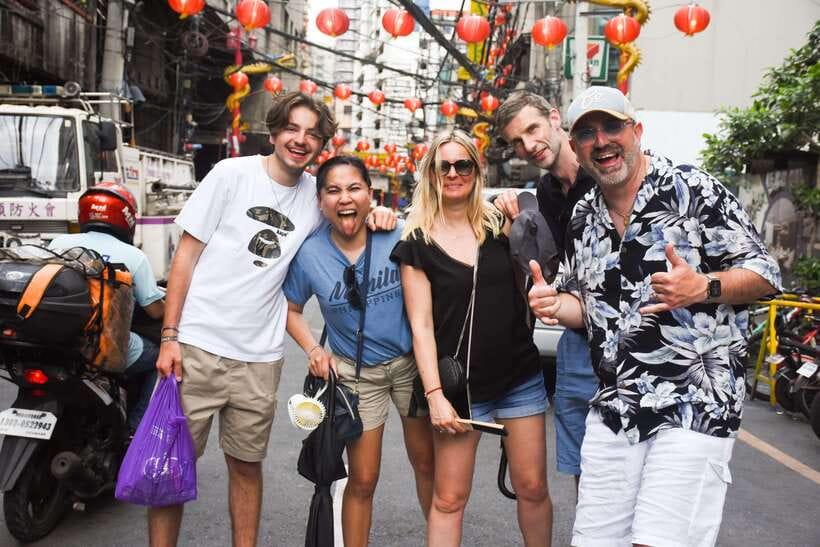
The tour then heads to a dimsum stop, described as a revered destination for classic dimsum. This is one of those places where dimsum becomes more than an Instagram-friendly plate—it’s a test of technique and timing.
You’ll take bites that are framed as authentic and crafted with care. That’s the point of including a dimsum stop in a walking tour: the food changes with the route. You’re not eating the same style of snack over and over; you’re sampling different styles—noodles, dumplings, dumpling-adjacent bites, and then dimsum as a classic Chinese-Filipino format.
One practical perk: dimsum portions tend to be varied. That makes it easier to sample without committing to a single huge item. Still, don’t underestimate total volume. This tour is designed to keep you tasting through multiple stops.
Hopia at a Historic Bakery: The Sweet Finish You’ll Want
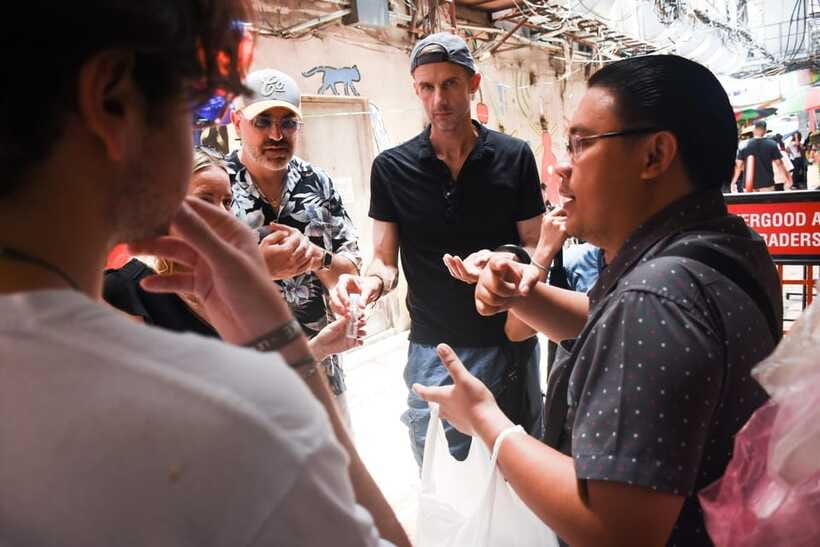
Every good food tour needs a proper dessert landing, and this one closes with hopia from a historic bakery. Hopia is one of those Filipino-Chinese treats people recognize by name, but the real difference is the variety and the crusty, flaky pastry experience.
You’ll indulge in a variety of flavors, all wrapped up in that characteristic pastry texture. The way the tour positions this stop matters: it’s not just dessert; it’s a closing chapter on Chinese-Filipino culinary heritage—something that’s stayed popular enough to become a neighborhood signature.
If you have a sweet tooth, this is where you’ll likely feel the reward for all the savory bites before it. If you don’t, still try at least a small piece of one flavor. Hopia is more about texture and filling than pure sweetness, and it often surprises people who think they only like fruit desserts.
The Walk, the Timing, and Why 3 Hours Works
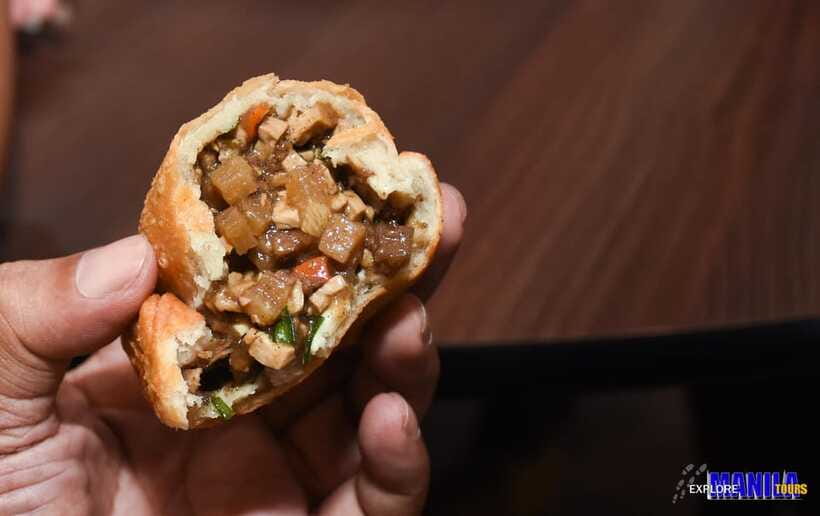
This is a 3-hour walking tour, built around multiple food stops. The timing is actually a selling point if you’re short on time in Manila. It’s long enough to feel like a real meal experience, but short enough that you won’t lose your whole afternoon to traffic, waiting, and transit.
You’ll move through several local restaurants for tastings, then finish at the bakery, and return to Binondo Church. The structure helps you pace yourself, especially because you’re not just rushing from place to place. You’re tasting in a sequence that alternates textures: crisp, then chewy, then warm soup, then classic bites, then pastry.
The only consideration is physical stamina. The tour involves walking through tight streets and alleys. Bring comfortable shoes and plan to stay flexible if it rains—this runs rain or shine.
Price and Value: Is $60 Worth It?
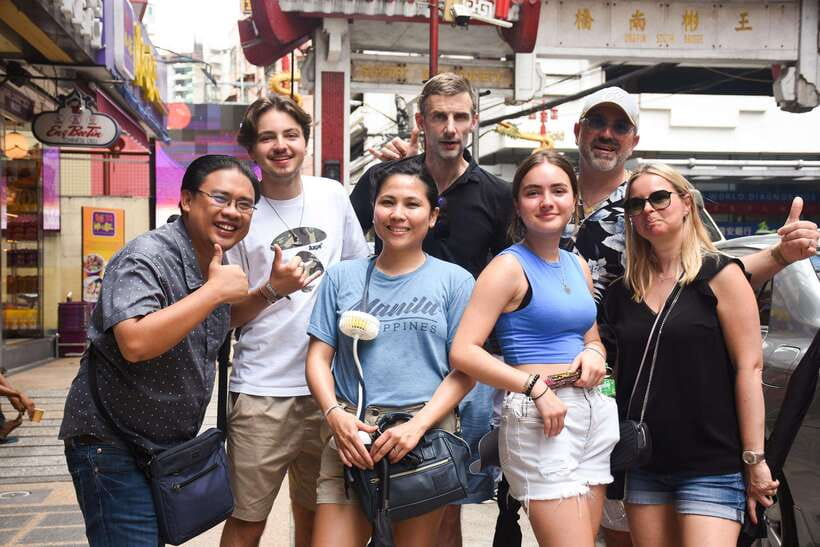
At $60 per person for about 3 hours, the value depends on two things: how hungry you are and how much you like learning by eating.
Here’s what you get for the price:
- A guided walking tour through Binondo’s streets
- English-speaking guide
- All food and drinks according to the tasting itinerary
That matters because food-tasting tours can get expensive fast when you end up paying for drinks and snacks separately. Here, the cost is concentrated into a set menu of tastings, so you can budget in advance. Also, the portions are described as plentiful in past feedback, and that lines up with the overall design: you’ll have multiple stops, not one small meal.
If you’re the type who wants to eat a variety of Filipino-Chinese dishes without doing the planning and searching, this pricing makes more sense. If you only want one or two bites and hate walking, you might feel the price is higher than you expected.
Guides, Hospitality, and the Solo-Traveler Advantage
One of the strongest parts of this experience is the way the guide role shows up in the overall vibe. In past bookings, guides including Chloe, Nel, Jian, and Juan are praised for being friendly, engaging, and safe-feeling—especially for solo diners.
That matters because Binondo is lively, and an English-speaking guide can help you navigate not just the route, but what to pay attention to while you’re eating. You’ll also get context on Filipino-Chinese cuisine while you taste. The guide’s job here isn’t to lecture; it’s to connect the dish to the neighborhood so the tour feels like a story you can taste.
Also, the tour is described as giving people space. One review notes there’s no pressure to eat everything offered. That’s useful if you’re full faster than expected.
Who This Tour Fits Best (And Who Should Skip It)
I think this tour is best for:
- Food-first travelers who want a guided tasting route rather than independent searching
- People who enjoy Filipino comfort foods like mami alongside classic Chinese formats like dumplings and dimsum
- Solo travelers who want a welcoming group pace and a guide to keep you oriented
I’d skip it if:
- You use a wheelchair (the tour isn’t suitable for wheelchair users)
- You follow vegan or vegetarian diets (not suitable for vegans/vegetarians)
- You prefer minimal walking or hate crowded alleys
If you’re somewhere in between—say you’re vegetarian but not vegan, or you can eat some meat but hate certain textures—this tour doesn’t provide enough detail to promise you’ll be comfortable. In that case, it’s worth asking the operator what options are available at each stop, since the tasting menu is set.
Getting There and What to Bring
No hotel pickup is included, so plan your own ride to Binondo Church. You can use the Grab app to reach the meeting area.
Bring:
- Comfortable shoes (you’ll be on foot for the full tour)
Don’t bring:
- Baby strollers
- Luggage or large bags
Also keep in mind the tour runs rain or shine, so check the weather and dress for walking. If it looks like it might pour, light rain gear helps. You won’t want to spend three hours distracted by being soaked and uncomfortable.
Should You Book This Binondo Food Tour?
If you’re in Manila and you want your food time to be efficient and meaningful, I’d book this. Starting at Binondo Church and ending back there gives you a clear loop, and the tastings hit several key corners of Filipino-Chinese cuisine: lumpia, handmade dumplings, mami, dimsum, and hopia.
I’d only hesitate if walking is a dealbreaker for you, if you need a vegan or vegetarian-friendly menu, or if you’re the kind of eater who prefers lighter portions. This tour is designed for people who can handle being well-fed for three hours.
FAQ
How long is the Binondo guided food tour?
The tour lasts 3 hours.
How much does it cost?
It’s $60 per person.
Where do I meet the guide?
Meet at the lobby of Binondo Church, near the candles area.
What’s included in the price?
The price includes a walking tour, an English-speaking guide, and all food and drinks as per the itinerary.
Is the tour run rain or shine?
Yes, it runs rain or shine.
Can I cancel for a full refund?
Yes. You can cancel up to 24 hours in advance for a full refund.