REVIEW · BEIJING
Beijing: Hutong Breakfast Food Tour
Book on GetYourGuide →Operated by Lost Plate Food Tours · Bookable on GetYourGuide
Three hours, twelve bites, and Old Beijing talks back. You’ll walk the hutongs with an English-speaking guide and eat at hidden stalls tucked behind everyday doorways. The food hits every kind of Beijing mood, from comforting plates to the bold punch of douzhi.
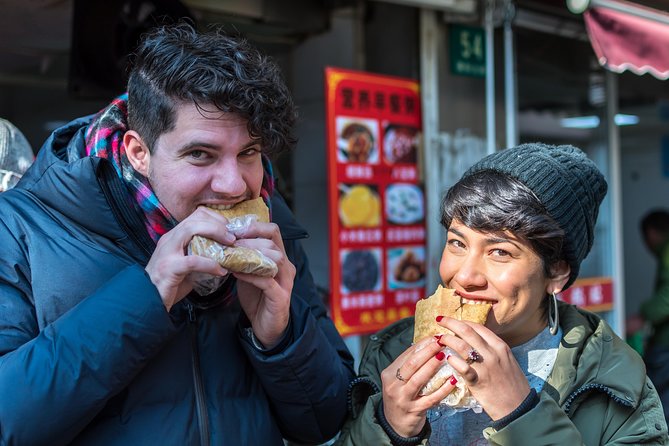
I love that the tour is built around real breakfasts, not restaurant-hopping. Two standouts are Aunt Jie’s handmade pork zongzi made from a generations-old recipe, and the cheesy jianbing at a hole-in-the-wall spot where the whole thing feels like a local habit, not a performance.
One thing to think about: you may end up with quite a bit of sweet red bean paste during the “sweet” stops, so if you don’t love that flavor in big doses, pace yourself with water and share bites.
In This Review
- Key Things to Know Before You Go
- Why a Beijing Hutong Breakfast Tour Beats a Standard Morning
- Meeting at Zhongguo Meishuguan (National Art Museum) Subway Station, Exit B
- Start Smart: How the Market Stop Shapes the Whole Meal
- Aunt Jie’s Handmade Pork Zongzi: What to Expect and How to Enjoy It
- Douzhi: Beijing’s Boldest Tradition and Your Moment of Bravery
- Mr. Yu’s Beef Flatbread and Tofu Pudding Comfort-Food Break
- Jianbing with a Cheesy Twist: The Hole-in-the-Wall Finale You’ll Remember
- Hutong Secrets: Stone Doorways, Signs, Courtyards, and Imperial Sweets
- Price and Value: Is $45 a Good Deal for a Hutong Breakfast Tour?
- Timing, Weather, and What to Bring (Plus the One Thing You Can’t Ignore)
- Should You Book This Beijing Hutong Breakfast Food Tour?
- FAQ
- Where is the meeting point for the Beijing Hutong Breakfast Food Tour?
- Which subway line should I take?
- Is hotel pickup included?
- What’s included in the price?
- How long is the tour?
- Is the tour vegetarian-friendly?
- Can I bring luggage or a large bag?
- Does the tour run in the rain?
- Is the tour suitable for people with mobility impairments?
- Are there any cancellation terms I should know?
Key Things to Know Before You Go
- 12+ dishes across 5+ hidden stops: it’s set up for variety, not just one big meal.
- Aunt Jie’s handmade pork zongzi: you’ll see the wrapping craft tied to an old recipe.
- Douzhi is the bold centerpiece: Beijing’s famously stubborn tradition, recognized by Michelin.
- Mr. Yu’s comfort-food duo: beef flatbread plus tofu pudding, served like childhood favorites.
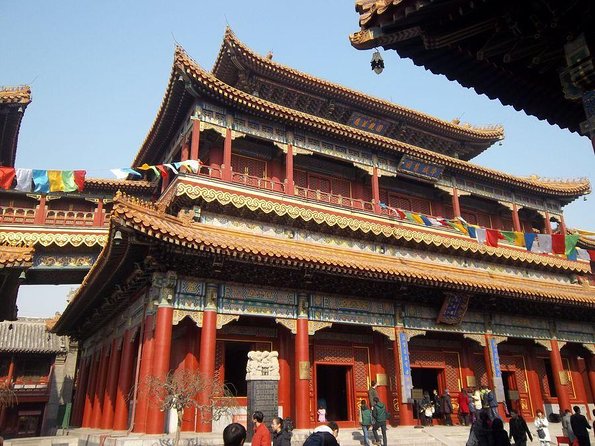
- Hutong spotting is part of the meal: stone doorways, signs, and courtyards you’d miss on your own.
- You’ll meet side streets, not souvenir lanes: this is mostly local storefronts and stalls.
Why a Beijing Hutong Breakfast Tour Beats a Standard Morning
Beijing can feel big and planned out—wide roads, famous sights, and long taxi rides. A hutong breakfast route flips that. You trade the rush of major attractions for tight lanes where everyday life still shows up in doorways, courtyards, and tiny food counters.
This tour also makes smart use of time. In just 3 hours, you get a guided crawl through 5+ hidden food spots and over 6 eateries and street stalls, with unlimited water and soft drinks. That matters because Beijing breakfast isn’t one dish—it’s a lineup. A tour like this turns you from a careful browser into someone who actually understands what people eat when they wake up.
And the best part is the balance of flavors. You’ll cover savory staples, a couple of comforting plates, and the brave bite of douzhi. If you like your food tours to teach you something—without turning into a lecture—this fits.
You can also read our reviews of more food & drink experiences in Beijing
Meeting at Zhongguo Meishuguan (National Art Museum) Subway Station, Exit B
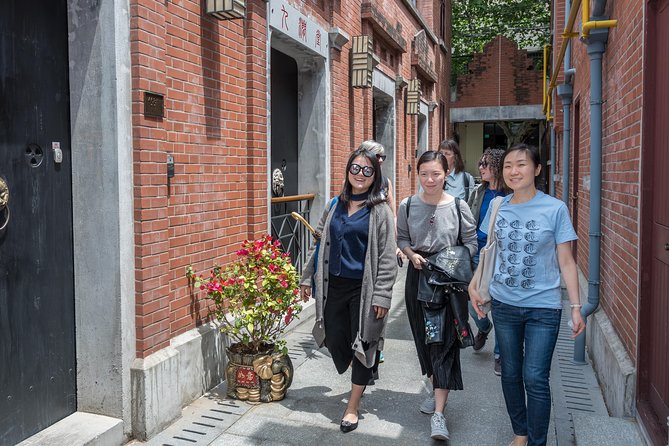
Logistics make or break a street-food morning, and this one is straightforward if you show up early. Your meeting point is Zhongguo Meishuguan (National Art Museum) Subway Station, Exit B, at street level. Your guide will be holding a bright yellow Lost Plate tote bag.
The subway ride is on Line 8. When you get out, follow signs to Exit B and look for your guide upstairs outside the exit. If you’re using taxi or Didi, plan for heavy traffic around this area during rush hour—extra time is your friend here.
Two practical notes:
- Hotel pickup and drop-off aren’t included, so plan on your own subway arrival.
- No luggage or large bags are allowed. Comfortable shoes are more important than anything you’d bring as a “just in case” bag.
Start Smart: How the Market Stop Shapes the Whole Meal
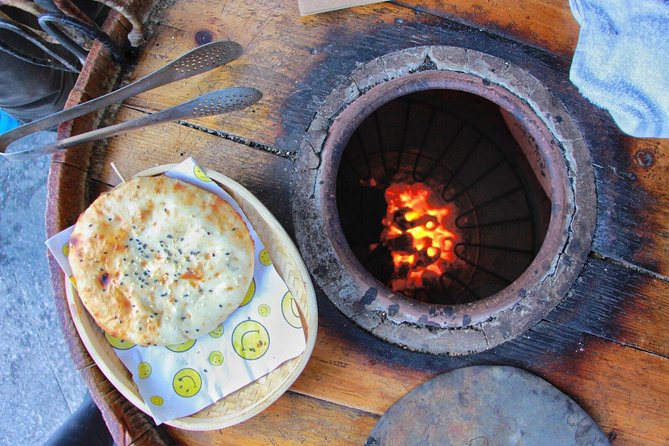
The tour begins with a local market feel, the kind of place where you can sense rhythm before you even taste. The point isn’t just shopping—it’s context. When you see food being made nearby, you understand what comes next is not random.
Then the tour introduces one of its core attractions: Aunt Jie’s handmade pork zongzi. These aren’t just “a zongzi stop.” The tour highlights the craft of wrapping and the fact that the recipe is tied to a generations-old way of doing it.
What you’ll love about this stop is how it anchors your trip. Zongzi is dense, satisfying, and portable—perfect for a breakfast that’s meant to keep you moving through the hutongs. Expect a filling bite that gives you something substantial to work with before the more challenging flavors arrive.
Aunt Jie’s Handmade Pork Zongzi: What to Expect and How to Enjoy It
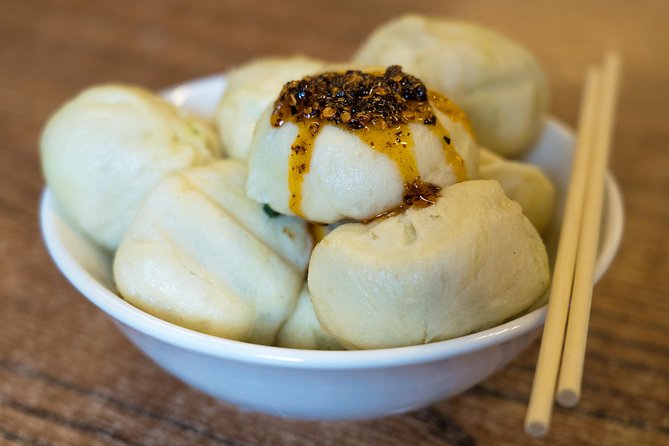
Zongzi is the kind of food where texture matters. You’ll likely notice the sturdy, wrapped form and the hearty feel of pork inside. The tour’s emphasis on handmade preparation helps you taste with better attention, not just eat quickly and move on.
If you’re sensitive to very strong smells, zongzi is usually easier to handle than fermented-style foods, so it’s a good early anchor. Use it as a pacing tool: eat it, sip water, then let the next stops build from there.
Also, this is a reminder of what the tour does best: it makes a meal feel like a story. Aunt Jie’s zongzi is presented as a tradition you can see, not just a dish you can order.
Douzhi: Beijing’s Boldest Tradition and Your Moment of Bravery
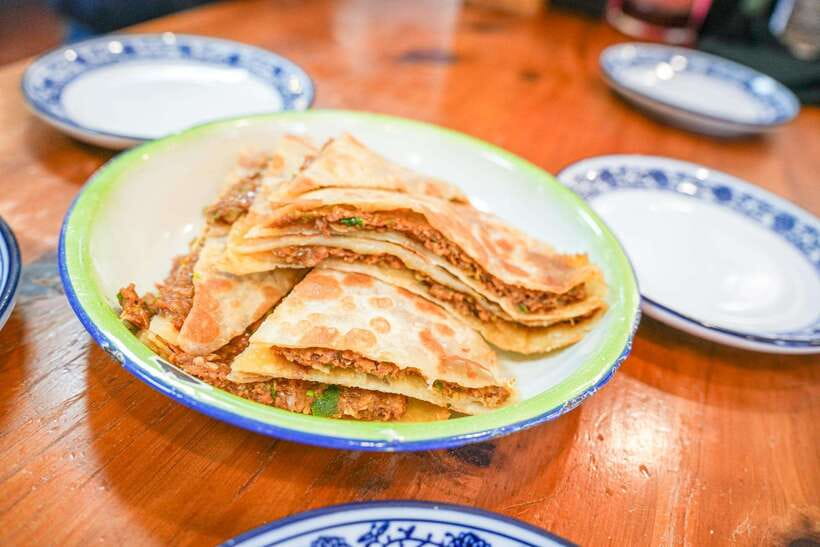
Then comes the bite that puts the tour in a different category: douzhi. The highlights call it Beijing’s boldest tradition and note it’s Michelin-recognized. Translation: this is a signature local taste that people either love loudly or try with caution.
The tour doesn’t treat it like a dare for the sake of drama. It frames it as a tradition—one that belongs to daily life in Beijing, not a trend imported for tourists. That framing helps you approach it with the right mindset: take a careful bite, notice the flavor style (described as bold and tangy), and then decide how you feel rather than forcing enthusiasm.
Practical tip: since drinks are unlimited, use them. Douzhi can be sharp, so water and soft drinks are your reset buttons between tastings. If you’re prone to getting overwhelmed by strong flavors, take your time at this stop and don’t rush into the next place.
A few more Beijing tours and experiences worth a look
Mr. Yu’s Beef Flatbread and Tofu Pudding Comfort-Food Break
Next you’ll get the softer side of Beijing breakfast comfort. The tour spotlights Mr. Yu’s beef flatbread and tofu pudding, and it’s presented as childhood favorites—meaning the goal is comfort, familiarity, and that home-style satisfaction.
Flatbread gives you structure: warm, filling, and easy to eat while walking. Tofu pudding adds something smoother and lighter, creating a contrast that keeps your stomach from feeling like it’s doing all heavy lifting.
This is one of the tour’s quiet strengths: it breaks up intense flavors with comfort. After the boldness of douzhi, this pairing helps you reset without losing momentum. You’ll finish this section feeling like you understand Beijing breakfast as a full range, not a single flavor theme.
Jianbing with a Cheesy Twist: The Hole-in-the-Wall Finale You’ll Remember
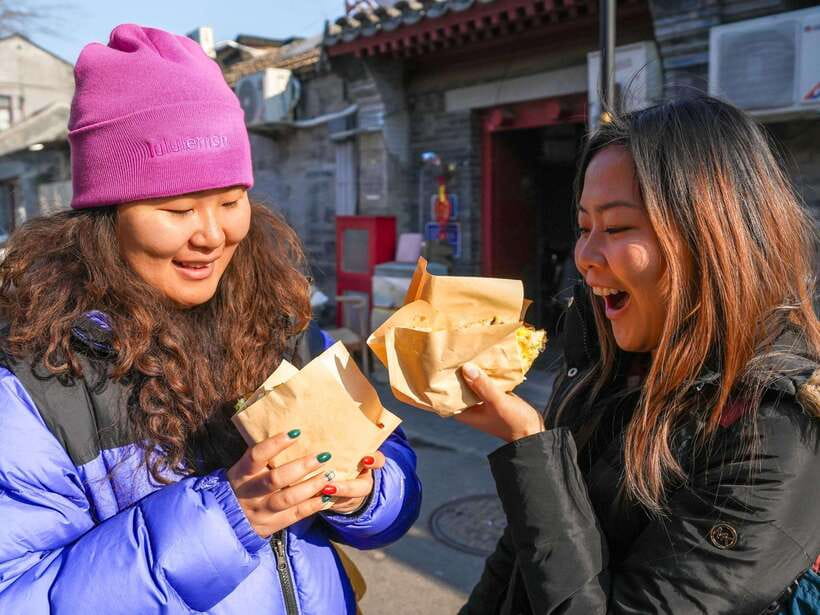
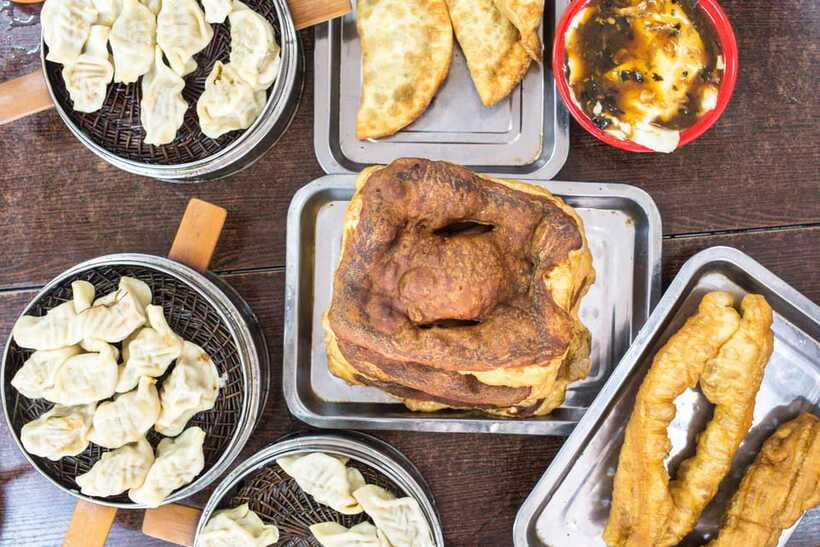
You’ll close out with jianbing, including a cheesy twist at a hole-in-the-wall favorite spot. Jianbing is already a Beijing icon, but the point here is the “twist,” plus the fact that it’s served in the style locals actually seek out.
One of the most specific favorites from the tour’s feedback is that people especially liked the egg-and-bacon pancake version. Another highlight mentioned a sweet pancake, too. That mix matters because it shows how jianbing can live in both savory and sweet worlds.
Here’s the consideration: the tour can include “sweet” stops, and at least one experience notes there’s a lot of sweet red bean paste at one time. If you’re not a big fan of red bean sweetness, go into it knowing you’ll want to sip water and maybe slow down instead of rushing every dessert bite.
Still, even with that caution, jianbing is the kind of food that sticks in your brain. Crispy edges, soft interior, and a sauce-and-topping logic that feels built for street eating.
Hutong Secrets: Stone Doorways, Signs, Courtyards, and Imperial Sweets
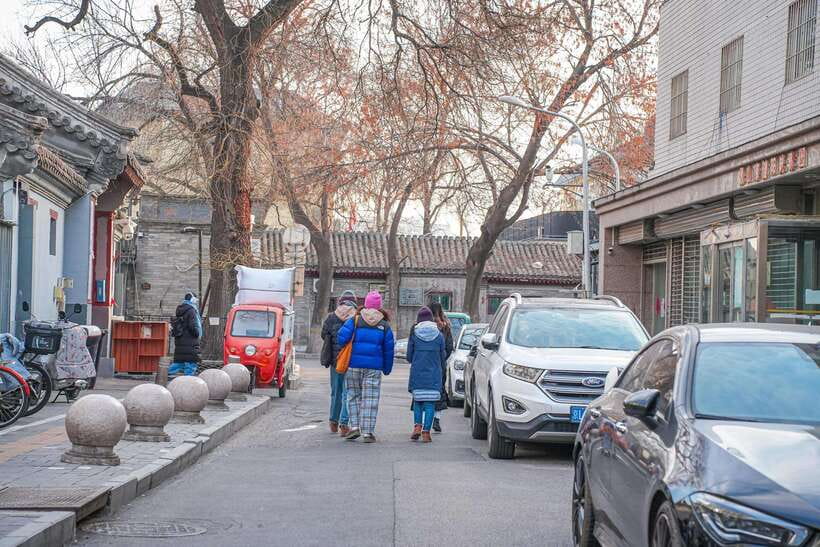
Food is the headline, but the tour also teaches you how to read the hutongs as you walk. You’ll uncover quirky secrets hidden in stone doorways, signs, and courtyards. That matters because Beijing’s old neighborhoods aren’t just pretty lanes—they’re full of small details that reflect how people lived.
These stops help you slow down at the right moments. When someone points out a doorway feature or explains what you’re seeing, your brain starts noticing patterns. Suddenly you’re not just eating; you’re learning what makes the hutongs feel like a living place.
The tour also mentions imperial-era sweets, once made for emperors. That’s a clever way to connect breakfast food to older court traditions without turning the tour into a history class. Even if sweets aren’t your thing, the inclusion shows how Beijing food culture spans from street to palace and back again.
Price and Value: Is $45 a Good Deal for a Hutong Breakfast Tour?
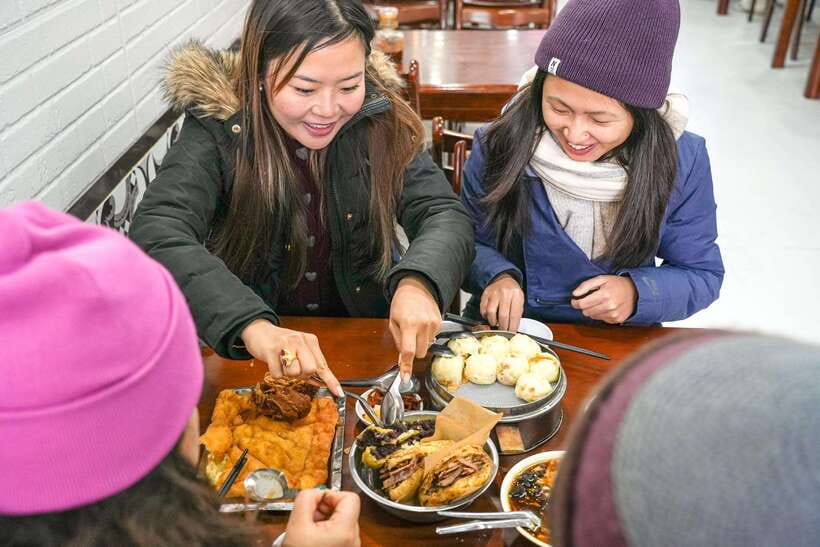
At $45 per person for 3 hours, the value here is about packing. You’re not paying for one restaurant meal. You’re paying for a guided path through 12+ dishes at 5+ hidden spots, plus unlimited water and soft drinks across over 6 eateries and street stalls, all with an English-speaking guide.
How that translates on the ground: without a guide, you might piece together a few snacks, but you’d struggle to find the exact variety and the small spots that actually make the meal lineup work. With a tour, the cost effectively buys you:
- access to multiple locations in limited time
- translation and context so you understand what you’re eating
- a structured flow so you’re not guessing at your next stop
On top of that, you’re walking through hutongs, not doing a ride-and-queue day. If your goal is to taste Beijing like people there do—while still keeping it efficient—this price starts to make sense.
Two more value notes:
- Vegetarian-friendly, but substitutions aren’t available for every dish. If you’re vegetarian, ask yourself honestly how strict you are, then choose accordingly.
- No hotel pickup means you’ll need to arrive by subway, but that also keeps the tour focused on the neighborhood and the food.
Timing, Weather, and What to Bring (Plus the One Thing You Can’t Ignore)
This tour runs rain or shine, so bring clothing that works for Beijing weather that day. Comfortable shoes are non-negotiable—especially because you’ll be walking hutong lanes between spots.
You should also come without large bags. The tour notes no luggage or large bags, so keep it light. If you’re using the subway, it’s easy enough to manage a small daypack, but you shouldn’t count on bringing anything bulky.
One more suitability detail: the tour is not suitable for people with mobility impairments. The route is built for walking and tight pedestrian access typical of hutong areas.
Finally, if you book and the group minimum isn’t met, the tour can be canceled after confirmation and you’ll be offered an alternative date or a full refund. That’s normal for small-format local tours, but it’s worth keeping in mind if your plans are tight.
Should You Book This Beijing Hutong Breakfast Food Tour?
Book it if you want a morning food route that feels local from the first bite to the last. The combination of handmade zongzi, the Michelin-recognized challenge of douzhi, comfort plates like Mr. Yu’s beef flatbread and tofu pudding, and the cheesy jianbing finale is a strong lineup for only 3 hours.
Skip or think twice if:
- you strongly dislike sweet red bean paste and don’t want it stacked in multiple bites
- you need mobility-friendly routing
- you’re coming with large bags or expect hotel pickup (this tour doesn’t do that)
If you’re open to bold tastes and want your Beijing morning to happen in the hutongs—where courtyards and doorways matter—this is a smart value play.
FAQ
Where is the meeting point for the Beijing Hutong Breakfast Food Tour?
You meet at Zhongguo Meishuguan (National Art Museum) Subway Station, Exit B, street level. Your guide will be holding a bright yellow Lost Plate tote bag.
Which subway line should I take?
The meeting station is on Line 8. Use signs for Exit B after you get off the train.
Is hotel pickup included?
No. Hotel pickup and drop-off are not included, so you’ll need to get there on your own.
What’s included in the price?
The tour includes a professional English-speaking guide, unlimited food and drinks at over 6 eateries and street stalls, and unlimited water and soft drinks.
How long is the tour?
The experience lasts 3 hours.
Is the tour vegetarian-friendly?
It’s described as vegetarian-friendly, but substitutions are not available for every dish.
Can I bring luggage or a large bag?
No. Luggage or large bags are not allowed.
Does the tour run in the rain?
Yes. It operates rain or shine, so dress for the weather.
Is the tour suitable for people with mobility impairments?
No. It’s not suitable for people with mobility impairments.
Are there any cancellation terms I should know?
There is free cancellation up to 24 hours in advance for a full refund. The tour also requires a minimum number of 2 people to operate, with possible cancellation after confirmation if that minimum isn’t met.