REVIEW · TOKYO
Old Town Tokyo Food Tour
Book on Viator →Operated by Arigato Japan KK · Bookable on Viator
Tea, temples, and food—without the crowds. This walk through Yanaka (Yanesen) mixes old-neighborhood atmosphere with real eating, including a Teishoku lunch and street bites along the way. I also like the wagashi and tea ceremony part, because it slows the day down and teaches you how the ritual fits local culture. The only real drawback: you’re on your feet for about 3.5 hours, so moderate walking stamina matters.
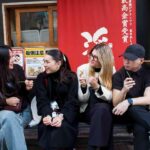
With a small max group size (10 people) and a local English-speaking guide, you’ll sample food at six stops while also getting context for what you’re seeing. It starts at 10:30 am at Coffee Room Renoir Nippori Yanaka, lasts about 3 hours 30 minutes, and uses a mobile ticket.
In This Review
- Key points worth knowing
- Yanaka Yanesen walking: the old-town vibe you came for
- Meeting at Coffee Room Renoir Nippori Yanaka (and how the day flows)
- Six food stops plus Kyushu teishoku lunch: what you’ll actually eat
- The lunch: Teishoku with Kyushu specialties
- Street food stops: taste, don’t overthink it
- Shopping time is part of the loop
- Dietary needs: friendly, but still prep yourself
- Wagashi and tea ceremony: the pause that makes the meal meaningful
- Stop by stop: Tennō-ji, Kyōōji, and Yūyake Dandan in context
- Tennō-ji
- Kyōōji Temple
- Yūyake Dandan
- Yanaka Ginza small shops and specialties: where snacks meet neighborhood life
- Quiet breaks: Yanaka Cemetery Park and Okakura Tenshin Memorial Park
- Yanaka Cemetery Park
- Okakura Tenshin Memorial Park
- Price and value: is $231 worth it for this kind of tour?
- Who this tour is best for (and who should skip it)
- Should you book Old Town Tokyo Food Tour?
- FAQ
- How long is the Old Town Tokyo Food Tour?
- What’s included in the tour price?
- Where do I meet the guide?
- Is the tea ceremony included?
- Does the tour work for dietary needs like vegetarian or gluten-free?
- How big is the group?
- What’s the cancellation or weather situation?
Key points worth knowing
- Small-group pacing: max 10 people means more time for questions and less standing around.
- Meals are built in: lunch plus dishes and drinks at 6 food stops are included.
- Tea is part of the food story: wagashi and an actual tea ceremony experience.
- Yanaka sights plus snacks: temples, a historic shopping street, and quiet parks.
- Dietary needs are supported: vegan/vegetarian/pescetarian and gluten-free friendly.
- Weather matters: the tour requires good weather, with a reschedule or refund option if canceled for that reason.
Yanaka Yanesen walking: the old-town vibe you came for
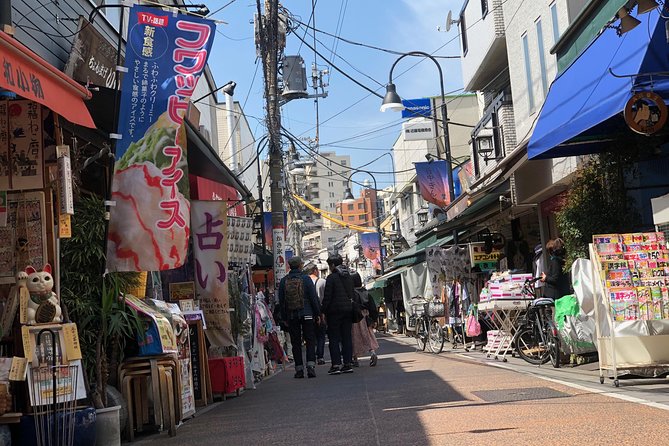
Yanaka is one of Tokyo’s older neighborhoods, and the tour focuses on that feeling fast. You’re not just eating in random places. You’re moving through streets shaped by what the area has survived—fires, earthquakes, and the bombings of World War II—and seeing the cultural texture that stayed when parts of Tokyo changed.
I like that the route isn’t only food-forward. It connects food to place. A temple stop doesn’t feel like a break that interrupts your meal plan. It feels like the background that helps you understand why people still gather, shop small, and keep traditions alive.
If you want big-city Tokyo skyscrapers, this isn’t that day. Think calmer blocks, historic architecture, and a neighborhood rhythm that’s slower than central hubs.
You can also read our reviews of more food & drink experiences in Tokyo
Meeting at Coffee Room Renoir Nippori Yanaka (and how the day flows)
You’ll meet at Coffee Room Renoir Nippori Yanaka in the Yanaka area at 10:30 am. From there, the day is a simple pattern: walk a bit, snack, walk again, then hit the included lunch, and finish with more historic stops around the Yanaka zone.
Two practical benefits for your planning:
- The meeting point is clearly in Yanaka, so you’re not spending your time crisscrossing Tokyo before the tour even starts.
- The tour is close to public transportation, which makes the lack of hotel pickup easier to handle.
Also, the tour runs with a local English-speaking guide, so you’ll have someone to translate more than just menus. The guide can point out what to notice while you’re walking—especially useful in a neighborhood where the best details aren’t always signposted in English.
Six food stops plus Kyushu teishoku lunch: what you’ll actually eat
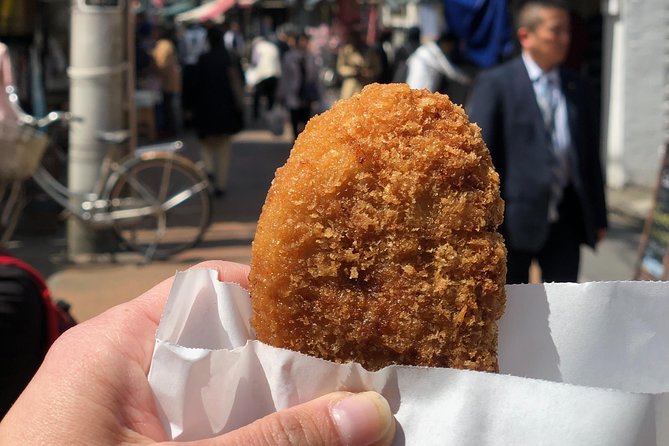
The tour price includes dishes and drinks at 6 food stops, plus a lunch in a restaurant. That matters, because you’re not paying for a “light” tasting loop. You’re paying for a structured food day, and you’ll likely leave with less indecision and fewer extra purchases later.
The lunch: Teishoku with Kyushu specialties
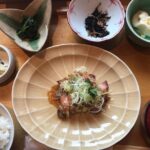
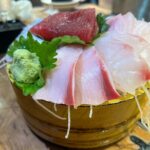
A standout inclusion is a Teishoku lunch featuring regional specialties from Kyushu Island. Teishoku is the kind of meal that feels like an intentional set—often with multiple components rather than one big item. The tour also emphasizes using seasonal ingredients, which is a big deal in Japan. Seasonal means you’re tasting what a place values right now, not what it can stock year-round.
If you’re planning dinner later, keep it flexible. With lunch plus six food stops, this is not a “just a snack” outing.
Street food stops: taste, don’t overthink it
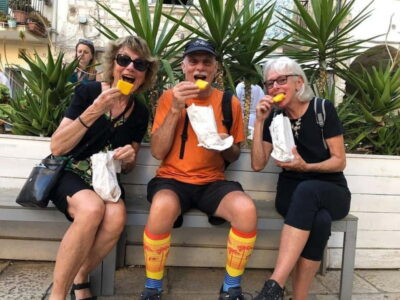
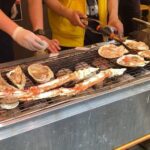
The tour also includes street food sampling. You’ll get a guided mix of bites rather than one long line at a single stall. That’s a smart way to do street food because you can compare flavors across places without burning half your day waiting.
A few more Tokyo tours and experiences worth a look

Shopping time is part of the loop
There’s also shopping time built in. That’s useful in Yanaka, where small shops carry the kind of items that can be hard to find in major districts. Bring some space in your bag, but don’t treat shopping time like a second tour. It’s meant to fit between the food and sightseeing.
Dietary needs: friendly, but still prep yourself
The tour is listed as vegan, vegetarian, pescetarian, and gluten-free friendly. I’d still do two things to keep things smooth: mention dietary needs at booking, and plan to eat what you’re given rather than expecting a perfect one-to-one swap for every bite. Food tours work best when you approach them with flexibility.
Wagashi and tea ceremony: the pause that makes the meal meaningful
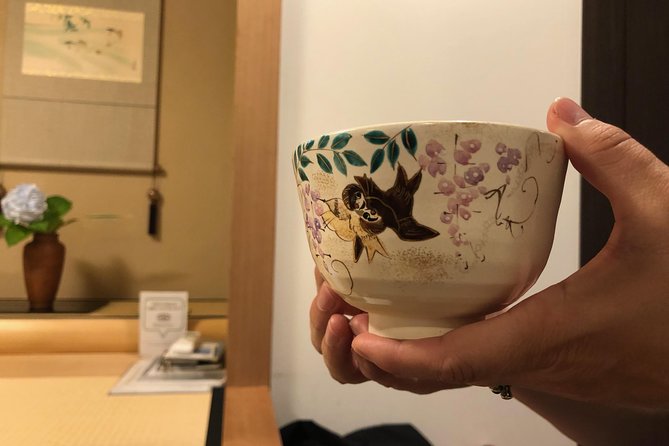
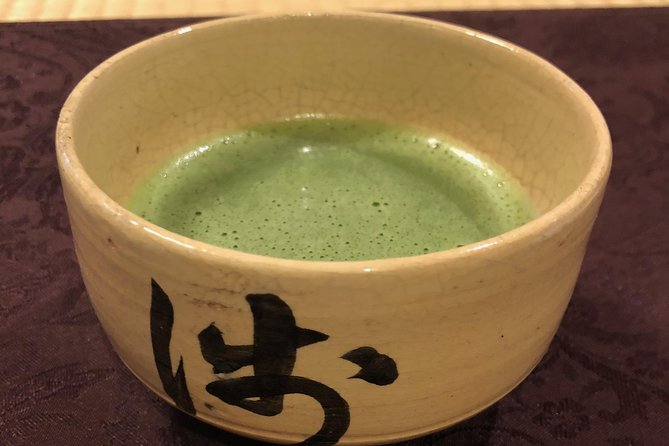
One of the most praised parts of the experience is the tea ceremony and wagashi. You’re not just watching tea being made as a show. The tour includes a wagashi and tea experience, which is the moment where the day’s food theme turns into something cultural and hands-on.
In at least one high-rated review, the guide Sandra was specifically praised for leading a fantastic tea ceremony as part of covering Tokyo’s old town. That’s a strong clue that the tea portion isn’t treated like filler.
Here’s how I’d plan to enjoy it:
- Slow down your photos a bit. Let the ceremony pacing happen.
- Take cues from the guide on how to handle and appreciate the wagashi and tea.
- Think of it as a reset between the more active walking parts of the day.
If you’re the type who loves small cultural rituals, this will feel like the emotional center of the tour.
Stop by stop: Tennō-ji, Kyōōji, and Yūyake Dandan in context
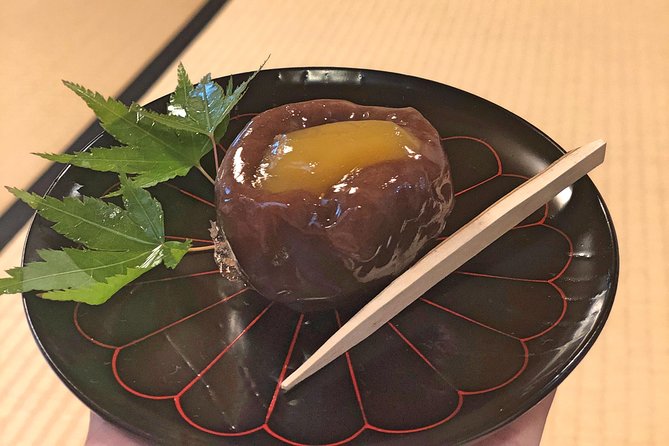
The itinerary weaves temples and neighborhood streets together, so the day feels like a guided walk through Yanaka’s daily life, not a checklist.
Tennō-ji
You’ll visit Tennō-ji early in the tour. A temple stop gives you a sense of the spiritual landscape that still shapes neighborhood life. Even if you’re not chasing Buddhist history facts, it helps you understand why Yanaka still feels different from newer Tokyo districts.
Kyōōji Temple
Next comes Kyōōji Temple. The value here is pacing. After a food stop, a temple gives your eyes a break—less noise, more texture, and another chance to learn how local spaces are used.
Yūyake Dandan
Then you’ll head to Yūyake Dandan. Since it’s a specific neighborhood segment, it’s the kind of stop that works well on foot: you get views and street character without needing a museum schedule. It also supports the tour’s main theme—showing how the district’s older streets still shape what people see and do.
If you’re prone to sore calves, consider wearing shoes that handle uneven sidewalks. Yanaka streets can be forgiving, but you’ll still be walking steadily for hours.
Yanaka Ginza small shops and specialties: where snacks meet neighborhood life
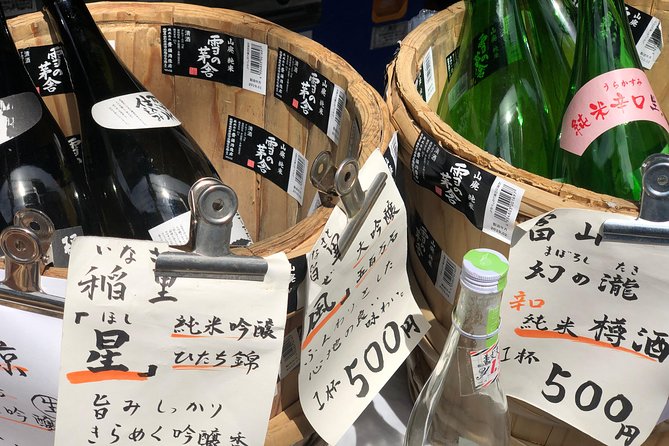
Yanaka Ginza is a key food moment. This is where you move into the shopping-street feel: small shops with history and local specialties to try. The tour’s approach makes this more useful than wandering on your own, because you’re there with a guide who can point out what’s worth your taste budget.
This stop is also a good time to slow your pace. You’ll likely find yourself in that sweet spot where you want to try one more bite, but you don’t want to blow your appetite for lunch. That’s exactly why having a structured food tour helps.
Quiet breaks: Yanaka Cemetery Park and Okakura Tenshin Memorial Park
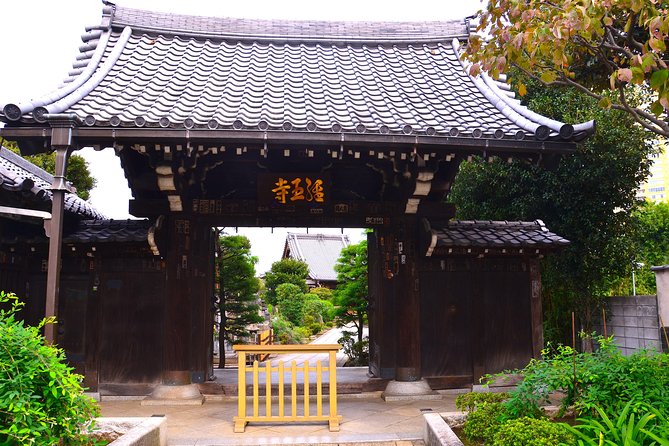
After you’ve had your share of eating and temple wandering, the tour includes a couple of calmer spaces.
Yanaka Cemetery Park
Yanaka Cemetery Park offers a different mood. It’s a slower, reflective environment compared with the shopping street energy. I like these kinds of pauses because they keep the day from turning into nonstop consumption. You get back some “sight time” after your food stops.
Okakura Tenshin Memorial Park
Then there’s Okakura Tenshin Memorial Park. This kind of stop is a helpful counterweight to the sensory overload that can happen on walking food tours. Even if you don’t read every label, the park setting gives you a breath and a better sense of Yanaka as a lived-in neighborhood rather than a photo set.
Price and value: is $231 worth it for this kind of tour?
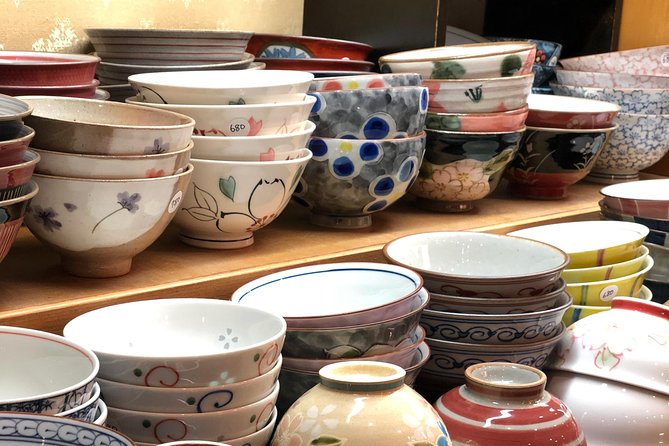
At $231 per person, this isn’t a cheap “tasting walk.” So you should ask what you’re buying.
You’re paying for:
- A guided, small-group route (max 10 people)
- Lunch included (Teishoku with Kyushu specialties)
- Six food stops with dishes and drinks included
- Wagashi and tea ceremony included
- A local English-speaking guide who connects the dots between food and place
- Shopping time built in, so your money buys more than just movement
If you try to DIY this route, you could spend less on food—but you’ll likely lose the structure: the pacing, the sequencing of stops, and the context that helps you understand what you’re tasting. For me, that’s where the value sits. This is paying for fewer decisions and more guided meaning.
One thing to consider: the tour requires good weather. If your trip week looks rainy, you might want to book with backup dates in mind. Otherwise, you could end up rescheduled.
Also, the tour is commonly booked about 41 days in advance on average. For a small group, I’d treat that as a nudge to book earlier rather than later.
Who this tour is best for (and who should skip it)
This is ideal if you want:
- A food-focused day that still feels culturally grounded
- To explore Yanaka without navigating everything solo
- A tea and wagashi experience, not just restaurant meals
- Dietary flexibility (it’s listed as vegan/vegetarian/pescetarian and gluten-free friendly)
It might be less ideal if:
- You hate walking for about 3.5 hours
- You need hotel pickup or a fully vehicle-based day (this tour doesn’t include it)
- You’re only interested in one type of stop (this tour mixes temples, parks, shopping, street food, and tea)
Should you book Old Town Tokyo Food Tour?
I think you should book it if you’re aiming for an authentic half-day in Yanaka, with food that’s more than random sampling. The combination of Kyushu Teishoku lunch, six food stops, and a tea ceremony with wagashi gives you a full cultural-food arc. Add in the small group size and the fact that the guide leads a structured route, and it becomes a good value for what you get.
I’d pause before booking only if weather is questionable during your dates or if you’d rather spend the day riding transit than walking. If you can handle moderate walking and you want a calmer, older Tokyo side, this is a smart pick.
FAQ
How long is the Old Town Tokyo Food Tour?
It lasts about 3 hours 30 minutes.
What’s included in the tour price?
The tour includes dishes and drinks at 6 food stops, wagashi and a tea experience, and lunch in a restaurant. Shopping time is also included, along with a local English-speaking guide.
Where do I meet the guide?
Meet at Coffee Room Renoir Nippori Yanaka in Yanaka at 10:30 am. The address provided is in Taito City, Yanaka.
Is the tea ceremony included?
Yes. The tour includes a wagashi and tea experience with an authentic tea ceremony component.
Does the tour work for dietary needs like vegetarian or gluten-free?
The tour is listed as vegan, vegetarian, pescetarian, and gluten-free friendly.
How big is the group?
The maximum group size is 10 travelers.
What’s the cancellation or weather situation?
You can cancel for a full refund up to 24 hours before the experience start time. The tour requires good weather; if it’s canceled due to poor weather, you’ll be offered a different date or a full refund.