REVIEW · BORDEAUX
Bordeaux: Food Tour in the Historic District
Book on GetYourGuide →Operated by PARIS A DREAM · Bookable on GetYourGuide
Bordeaux tastes better with a guide on foot. This 3-hour walk links iconic sights with real eating stops, starting around the Place de la Bourse and feeding you at the Covered Market with a wine pairing along the way.
I especially like how the tour ends with practical payoffs: after your last dish at a trendy canteen-style spot, you get a complimentary address book so you can repeat the best flavors on your own time. The one drawback to plan for is simple: you need to share any allergies and what you don’t eat up front, because the tastings are structured and some store stops can be adjusted.
In This Review
- Key highlights you’ll feel on the ground
- Getting started: 4 Rue des Argentiers and an instant feel for Bordeaux
- The Covered Market stop: your shortcut to Bordeaux flavors
- From café to shop: tastings that teach you how locals eat
- The chef’s signature dish and wine pairing: the finish that feels like a meal
- The address book payoff: how to keep eating well after the tour ends
- Price, time, and what $141 really buys you
- Should you book this Bordeaux food tour?
- FAQ
- What is the meeting point and departure time?
- How long is the Bordeaux food tour?
- What’s the price?
- What food and drinks are included?
- Can the guide accommodate allergies or foods I avoid?
- What languages are available, and how small is the group?
Key highlights you’ll feel on the ground
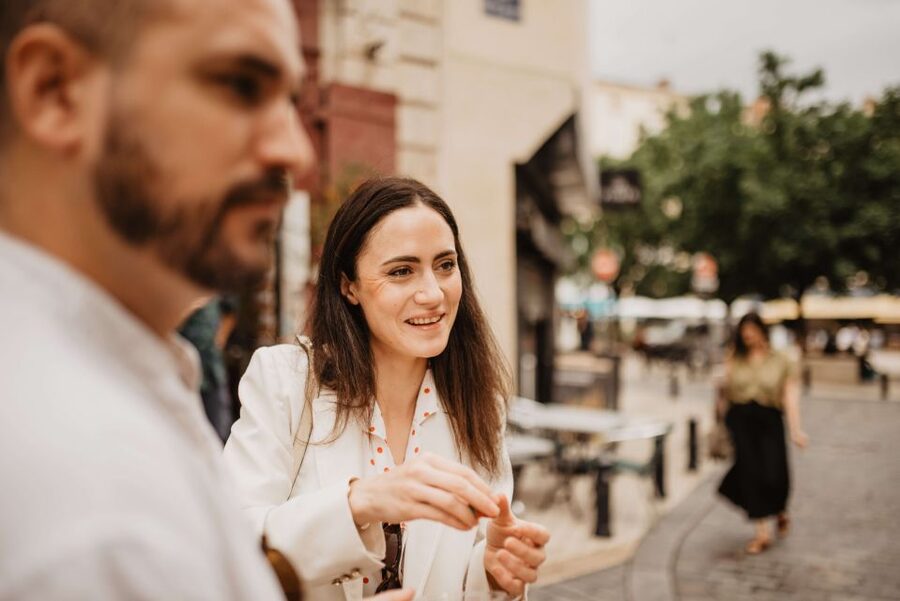
- Covered Market tastings: sweets, cheese, cold cuts, and local wine in a single focused stop
- Wine paired with food: a signature dish plus other tastings arranged around Bordeaux drinking culture
- Historic-district walking: you pass major landmarks like Place du Palais, Grosse Cloche, and Basilique Saint-Michel
- Small group pacing: limited numbers keep it comfortable in tight shops
- Chef-led finish: a savoury course paired with wine in a modern restaurant or canteen vibe
- Address book at the end: a shortcut to good eating after the tour
Getting started: 4 Rue des Argentiers and an instant feel for Bordeaux
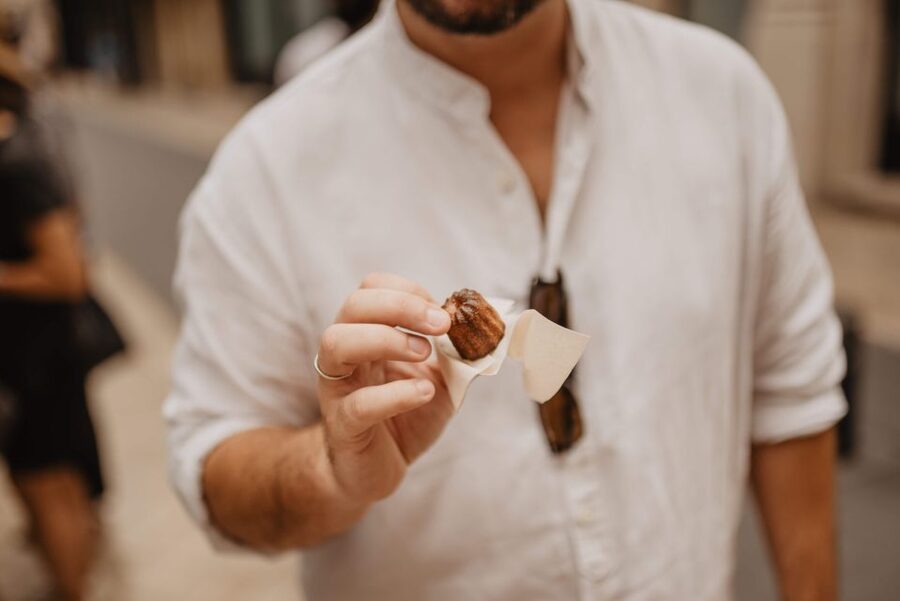
You meet at 4 Rue des Argentiers, right in the historic center, which matters because you start walking where Bordeaux’s food culture actually lives. Departure time runs 9:35 AM Tuesday to Friday and 9:55 AM Saturday. That timing is helpful: you’re far enough into the day to find shops fully open, but early enough to beat the worst crowds.
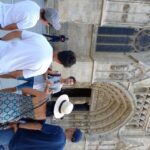
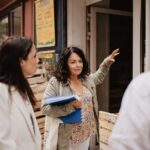
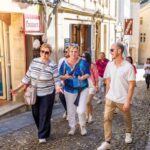
Once you’re grouped up, your guide sets the tone fast. You move through the area around the Place de la Bourse and Miroir d’Eau, then keep heading toward the older medieval and commercial lanes—places like Place du Palais, the Grosse Cloche, and Basilique Saint-Michel show up on your route. Even if you’ve seen photos of these landmarks, it feels different when you’re also tasting along the way. Your brain starts connecting streets, storefronts, and local specialties rather than treating them like separate sightseeing stops.
One practical note: the tour is very food-centered, and the pace assumes you can handle short walks between stores. Bring comfortable shoes and water, and try to do a light breakfast or lunch beforehand. That way, you’ll enjoy the tastings instead of feeling stuck in a sugar-and-saliva marathon.
You can also read our reviews of more food & drink experiences in Bordeaux
The Covered Market stop: your shortcut to Bordeaux flavors
The main reason this tour works is the focus on the main Bordeaux Covered Market. Instead of scattering small tastes across random corners, you get a concentrated burst of what Bordeaux does best—right where local producers and merchants gather.
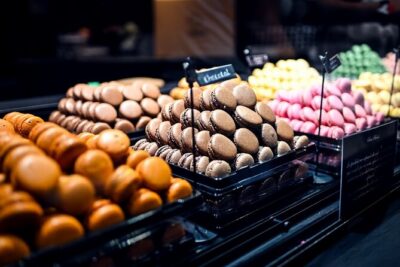
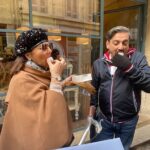
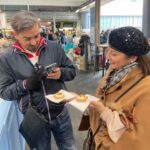
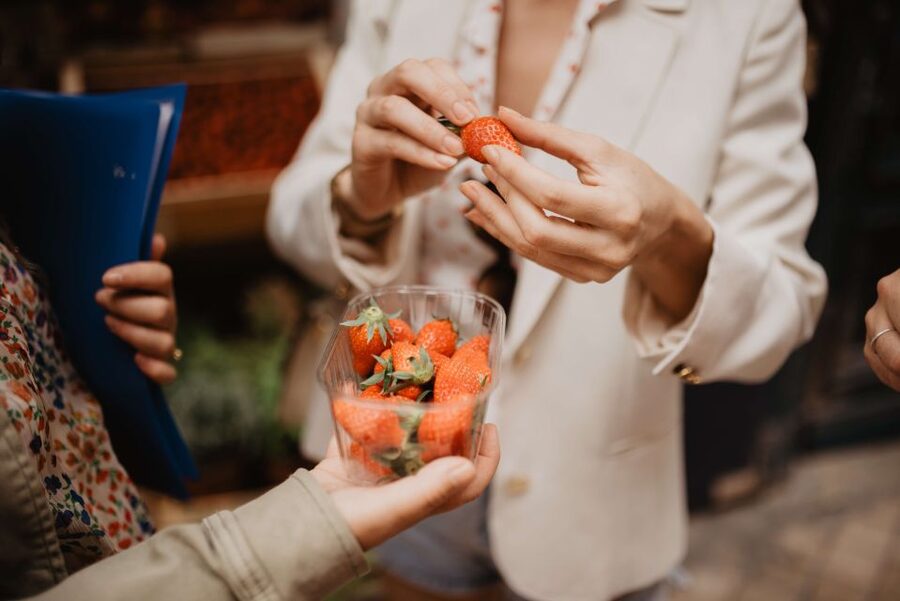
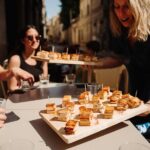
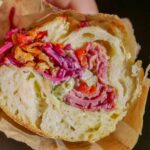
Here’s what you can expect to taste on the way through the market area: chocolates, pastries and viennoiserie, bread, cheese or cold cuts, and local wine. You’ll also see fruits and other small bites included as part of the sampling rhythm. The point is variety, not just quantity. Sweet-to-savoury transitions help you understand Bordeaux’s range—from snackable treats to the serious stuff that shows up at meals.
This is also where the guide’s role becomes more than tour narration. A good guide helps you read the products. You start noticing how choices like cheese type, cured meat style, and pastry texture reflect local tastes and regional ingredients. And the wine pairing adds structure: you taste, then you learn why that pairing makes sense in Bordeaux.
A subtle benefit: you’re in a market environment with lots of visual cues—packaging, displays, and the sheer logic of what’s sold together. That helps you remember what you liked later when you’re comparing menus or buying items in a shop.
From café to shop: tastings that teach you how locals eat
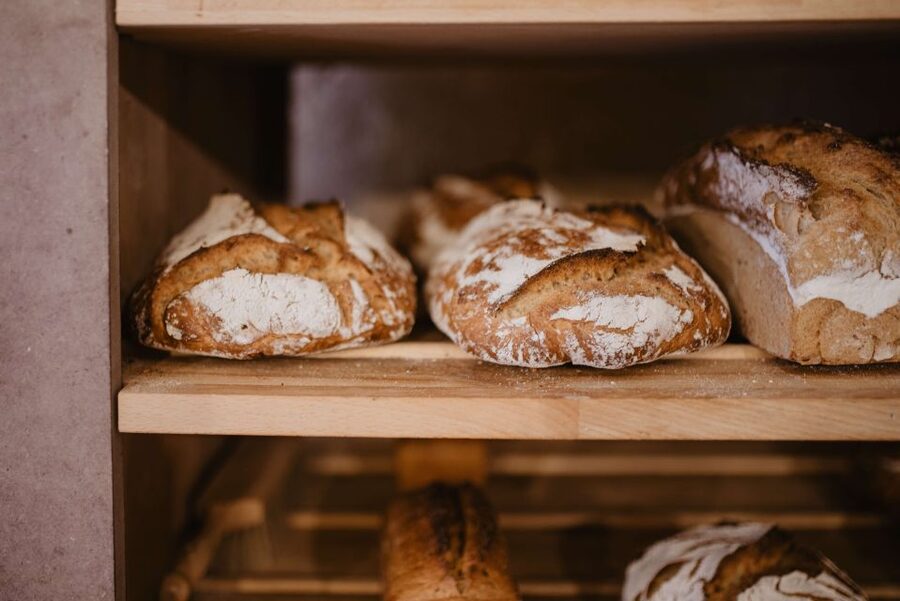
Between the Covered Market and the final sit-down dish, you’ll sample your way through the historic streets from a local café to smaller food shops. The tour isn’t just designed to fill your stomach; it’s designed to give you tasting context.
You can think of this part as three learning moments:
First, you get a steady stream of bite-sized tastings—so you can try things you might skip on your own because you don’t want to commit to a full portion. Expect sweets, pastries, and bready bites, plus cheese or cold cuts.
Second, you start picking up the logic behind Bordeaux’s food and wine culture. In practical terms, Bordeaux is a city where eating and drinking are linked. The guide’s explanations help you avoid the common tourist mistake of treating wine like a random souvenir.
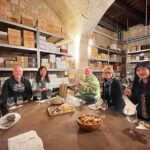
Third, the small-group setup keeps you from feeling rushed. The tour is listed as limited to 8 participants, and the notes also flag that stops can be tight and the tour may be limited to a maximum of 6 people. Either way, smaller numbers make a difference when shop interiors are narrow and you’re moving between tasting moments.
If you’ve got dietary needs, this part is also where communication matters. You’re asked to provide food allergies or what you don’t eat. That’s not just a checkbox. One of the stronger real-world signals from guides in past runs is adaptability—at least one pair of participants got stops adjusted because they weren’t into sweets and had allergies. So if you need changes, ask early and clearly.
The chef’s signature dish and wine pairing: the finish that feels like a meal
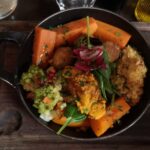
The tour doesn’t end with one last bite and a pat on the back. It ends with proper Bordeaux-style food at a trendy restaurant/canteen, where you’ll discover French gastronomy the hands-on way—by eating.
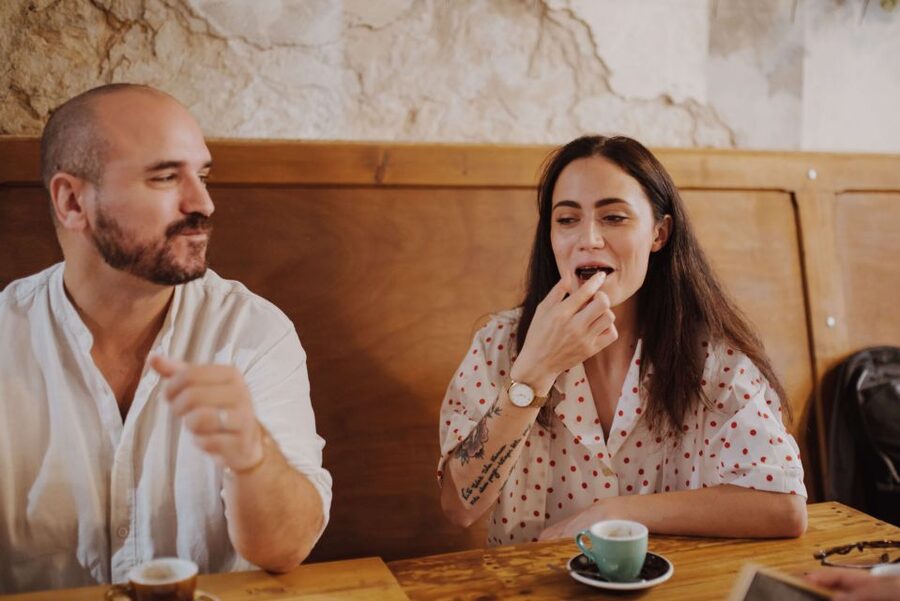
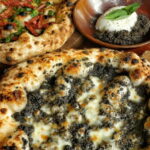
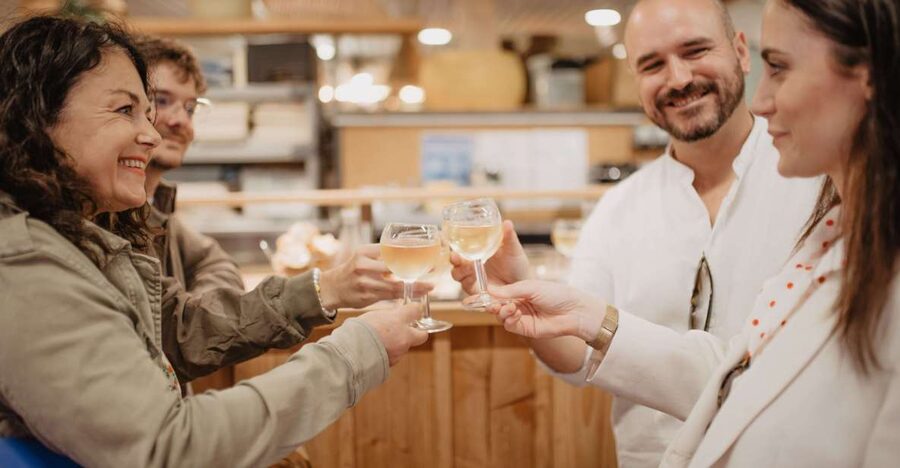
What makes this final stop special is the specific pairing: you’ll taste a savoury dish paired with wine, described as a signature dish of the chef. That’s important because it shifts the tour from snack-and-sip into something closer to how locals actually think about a meal: a course, a wine companion, and a reason the flavors work together.
This is also a great moment for asking questions. If you’ve been hearing wine explanations earlier, you’ll finally be able to connect them to a real plate. And if you’ve had trouble choosing wines or menu items on your own, this dish pairing gives you a reference point.
From past guide styles—names like Valerie, Stephanie, and Marianne show up as examples of how smoothly the experience can run—you can expect an approach that blends food with context. The best guides help you understand why people in Bordeaux eat what they eat, but they keep it practical so you don’t leave with a textbook you won’t use.
The address book payoff: how to keep eating well after the tour ends
One of the most underrated parts of this tour is what you get at the finish: a complimentary book of addresses. This isn’t just a souvenir. It’s an eating plan in paper form, designed to keep you from falling back into tourist traps.
The tour provider also recommends doing this early in your trip so you benefit from the best gourmet addresses in the area. I agree with the logic. Early placement lets you use the address book for follow-up lunches, dinner choices, and quick stops between sightseeing plans.
Here’s how I’d use it once you have it in hand:
- Circle the places that match what you actually liked during the tastings (not just what sounds fancy)
- Save one “splurge” option for your best dinner night
- Keep one casual option for when you’re tired and just want something reliably good
Because the tour includes a spread of tastes—chocolate, pastries, cheese/cold cuts, fruits, bread, and wine—you’ll have more than one flavor memory to guide your choices. The address book then becomes a tool for repeating what worked, not guessing again from scratch.
A few more Bordeaux tours and experiences worth a look
Price, time, and what $141 really buys you
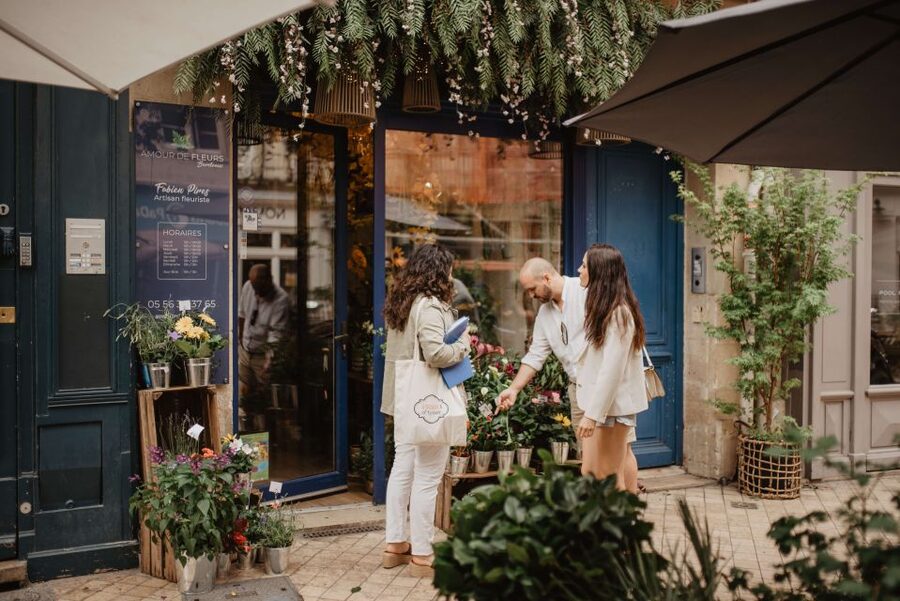
At $141 per person for about 3 hours, this tour isn’t the cheapest way to eat your way through Bordeaux. But it also isn’t overpriced if you look at what’s included and what you’re buying besides food: local guidance, smart pacing, and multiple tastings with wine plus a savoury dish paired with wine.
Included items cover the whole arc of eating:
- Coffee (or equivalent)
- chocolate, sweets, fruits
- pastries and viennoiserie
- bread
- cheese or cold cuts
- wine
- plus the signature savoury dish paired with wine
That mix matters. You’re not just paying for one meal. You’re paying for an organized sequence of small tastings that helps you understand the city’s culinary identity in a short window. And with a small group size (up to 8, with some notes pointing to max 6 due to store sizes), you’re less likely to feel like a number in a warehouse-style tasting.
You should also consider opportunity cost. If you attempted to recreate this on your own, you’d spend time figuring out where to go, which shops are worth it, and how to handle wine pairings without feeling clueless. Here, the guide removes that guesswork.
The practical catch is physical comfort: you’ll want comfortable shoes, and you should expect walking between stops. If you’re not comfortable moving around for a few hours, the value drops fast because the pacing is built for neighborhoods on foot.
Should you book this Bordeaux food tour?
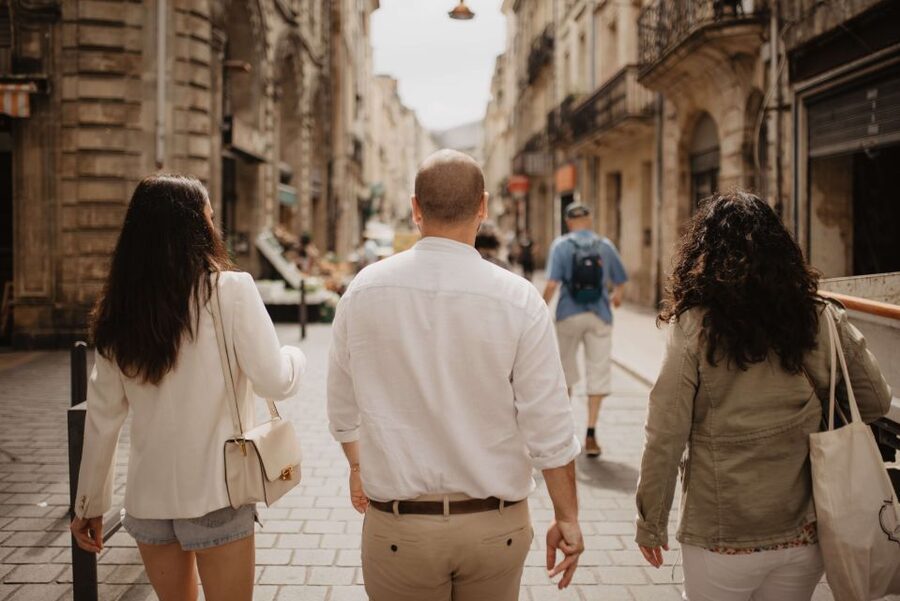
I’d book this tour if you want a high-return introduction to Bordeaux food without doing homework all day. It’s a good fit for:
- First-time visitors who want to connect major sights with eating
- People who like guided tastings rather than ordering blindly
- Travelers who want wine paired with food in a structured, not-scattered way
- Anyone who values leaving with an address book for future meals
Skip it if you hate walking or you want a totally free-form itinerary with no structure. Also, if your diet is complex, do yourself a favor and message details clearly about allergies or what you don’t eat before you go—this tour is built around predefined tastings, and the only way you’ll get the best fit is by communicating early.
If you’re deciding between this and “just eat on your own,” here’s the simplest way to think about it: this gives you a guided tasting sequence plus wine pairings plus a local address plan, all in a small group. That combo is hard to replicate quickly by yourself.
FAQ
What is the meeting point and departure time?
You meet at 4 Rue des Argentiers in Bordeaux. Departure times are 9:35 AM Tuesday to Friday and 9:55 AM Saturday.
How long is the Bordeaux food tour?
The tour lasts 3 hours.
What’s the price?
The price is $141 per person.
What food and drinks are included?
Included tastings typically cover coffee (or equivalent), chocolate, sweets, fruits, pastries and viennoiserie, bread, cheese or cold cuts, wine, and a savoury dish paired with wine. What you eat or drink comes from what the guide orders.
Can the guide accommodate allergies or foods I avoid?
Yes. You’re asked to provide food allergies and what you don’t eat ahead of time so the guide can adapt the stops as needed.
What languages are available, and how small is the group?
The live tour guide speaks French, Spanish, and English. The group is small, listed as limited to 8 participants, and the notes also mention a practical maximum of 6 people due to store sizes.