REVIEW · BORDEAUX
Bordeaux Food Tour in the Wine District : Discover what makes Bordeaux so famous
Book on Viator →Operated by PARIS A DREAM · Bookable on Viator
Bordeaux tastes like a small adventure. This small-group Bordeaux food tour (up to eight people) turns the wine district into a slow, flavorful walk, with pastry-and-wine tastings built in. I like that you get more than food: you also pick up the stories behind what Bordeaux people eat and why certain places matter.
One thing to plan around: there’s no gluten-free option, and the exact tastings can shift with the season and day.
In This Review
- The Chartrons flavor vibe in five highlights
- Entering Bordeaux’s wine district on foot (and why it works)
- Price and what you’re paying for at $150.03
- Meeting at Place Lainé and ending near Rue Notre Dame
- Stop 1 in Les Chartrons: Bourse Maritime as a starting point
- How the first American Consulate connection sets the tone
- CAPC without museum time: seeing wine-district facades up close
- Coffee at Temple des Chartrons: the tasting starts with a story
- Choosing your best Bordeaux pastry, then tasting it in a wine cellar
- Eglise St Louis des Chartrons: church views, boutiques, and local fruit
- Halle des Chartrons: the dinner-replacing finish of seven tastings
- What you’ll eat and drink (so there are no surprises)
- The guide factor: language, warmth, and real local storytelling
- When to book and when to do it during your trip
- Is this tour good for you? (Quick decision guide)
- FAQ
- FAQ
- How long is the Bordeaux Food Tour in the Wine District?
- How many people are on the tour?
- What language is the tour offered in?
- Do you enter museums during the tour?
- What tastings are included?
- Is there a gluten-free option?
- Where does the tour start and end?
- Should I book the Bordeaux Food Tour in the Wine District?
The Chartrons flavor vibe in five highlights
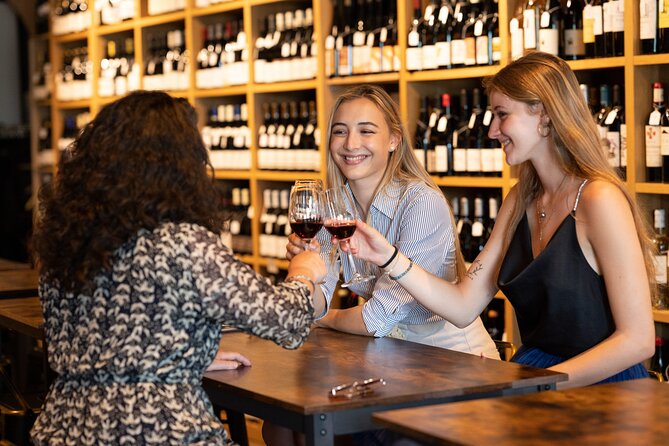
- Up to eight people keeps the pace relaxed and makes it easier to ask questions.
- Coffee, pastry, fruit, and wine pairings show up at the stops, not just at one location.
- Landmark-style stops mean you’re not stuck inside museums; you’re out on the street seeing the neighborhood.
- A wine cellar pairing happens during the pastry selection, and you’ll taste it with a local cocktail.
- A dinner-replacing finish: by the end, the tour includes seven sweet and savory tastings.
Entering Bordeaux’s wine district on foot (and why it works)
This is the kind of tour that helps you feel Bordeaux quickly. Instead of starting with big monuments, you begin in the Chartrons area and move on foot through streets that look and smell like real daily life. The format matters: short stops, constant context, and tastings that keep your brain focused on what you’re seeing.
You’ll spend about three hours in total, and most of the time is used for tasting and gentle city strolling. That pacing is great if you want food and city context without committing to a full afternoon of museum time.
One more practical point: the tour is capped at eight travelers, so it doesn’t feel like you’re being rushed through a conveyor belt. If you’ve ever been stuck behind a big group at tastings, you’ll appreciate the calmer flow here.
You can also read our reviews of more food & drink experiences in Bordeaux
Price and what you’re paying for at $150.03
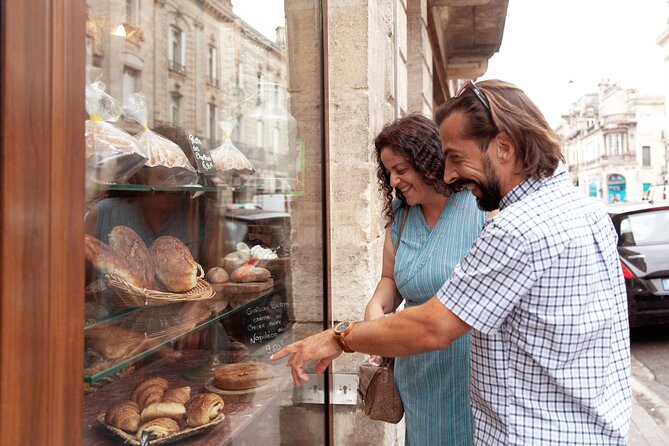
At $150.03 per person for about three hours, the price isn’t just about sampling food. You’re paying for three things that add real value:
First, you’re paying for guided coordination—the tour strings together multiple tasting moments with a clear sequence, so you’re not figuring out what to order on your own.
Second, you’re paying for access to specialty stops and pairings. Several tastings are paired and hosted by local businesses, including a pastry moment in a wine cellar setting.
Third, you’re paying for context. This isn’t just tasting random items; the guide connects what you eat to Bordeaux’s culinary development and local stories.
Is it worth it? If your goal is to taste your way through Bordeaux’s food culture while someone else does the planning, it’s a solid deal. If you prefer DIY tasting and already know where you want to go, you might spend less. But this style reduces effort—and in food towns, time saved often equals better meals.
Meeting at Place Lainé and ending near Rue Notre Dame
The tour starts at Place Lainé (mobile ticket included) and ends on Rue Notre Dame. It’s designed as a walk-through experience, and that’s a big reason it’s popular: you don’t have to worry about jumping between far-flung sights.
You’ll also want to keep your day loosely structured. The tour recommends having a light breakfast or lunch before you start. That’s not just a polite suggestion. Because there are multiple tastings across the walk, starting too hungry can make you feel rushed, and starting too full can dull your enjoyment.
Also, tastings can vary by season and day of the week, so don’t treat it like a rigid menu. Think of it as a guided food plan that adapts to what’s best available.
Stop 1 in Les Chartrons: Bourse Maritime as a starting point
You’ll meet at Bourse Maritime in the Chartrons district. This first moment is less about museum entry and more about orientation. You get your bearings fast—where you are, what the neighborhood is known for, and how the food story fits into Bordeaux’s layout.
The tour points out significant buildings as landmarks without entering museums. That’s a thoughtful choice for a food tour. It keeps things moving and keeps your attention on the streets themselves, not ticket lines and hall rules.
How the first American Consulate connection sets the tone
After the initial meeting, the guide brings you to another key point at Bourse Maritime: the site tied to the first American Consulate in the world. It’s a quick stop—just minutes—but it does something important. It frames Bordeaux as a city that wasn’t isolated. Commerce, shipping, and international connections shaped the city as much as wine and markets did.
Even if you’re not a history person, these micro-stories help you connect the dots. When later you’re tasting local products and hearing the guide connect them to place, you’ll understand why the neighborhood matters beyond the food counter.
A few more Bordeaux tours and experiences worth a look
CAPC without museum time: seeing wine-district facades up close
Next you move toward CAPC Musée d’Art Contemporain, but the focus is outside. You don’t go into the museum; instead, the guide uses it as a landmark to talk about the 18th-century facades that define this wine district.
I like this approach because it teaches you how to notice the city. In Bordeaux, the visual language of the buildings tells you a lot about past prosperity and the role of trade. Even without entering galleries, you’re still getting architectural context—like learning the font before reading the page.
If you like photos, this is where you’ll want to pause for quick snapshots. The building fronts can be especially photogenic when the light hits them right.
Coffee at Temple des Chartrons: the tasting starts with a story
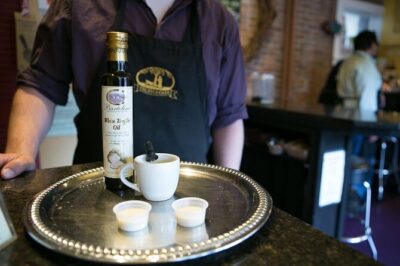
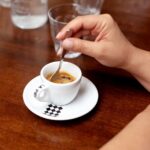
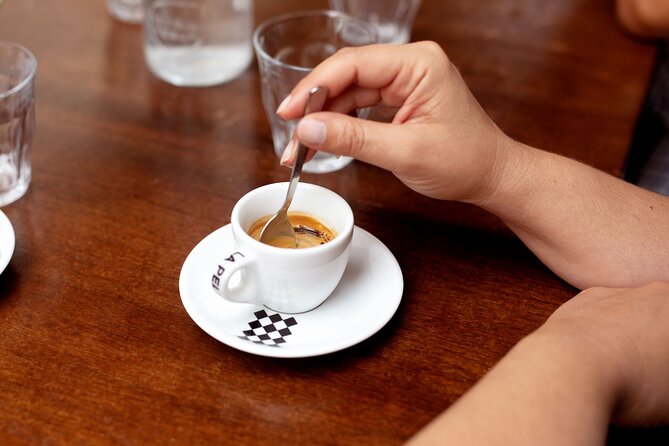
At Temple des Chartrons, your first tasting is in a coffee shop. You sit down, take a break, and get the guided story of the arrival of coffee in Bordeaux.
Coffee can seem like a small detail compared to wine, but it’s actually a smart first tasting. It wakes up your palate and gives you a common reference point for what you’ll experience next—pastry, fruit, and wine pairings.
And because this stop includes a seated moment, it also helps the pace feel smooth. You’re not constantly “on your feet” even though the tour is walking-based.
Choosing your best Bordeaux pastry, then tasting it in a wine cellar
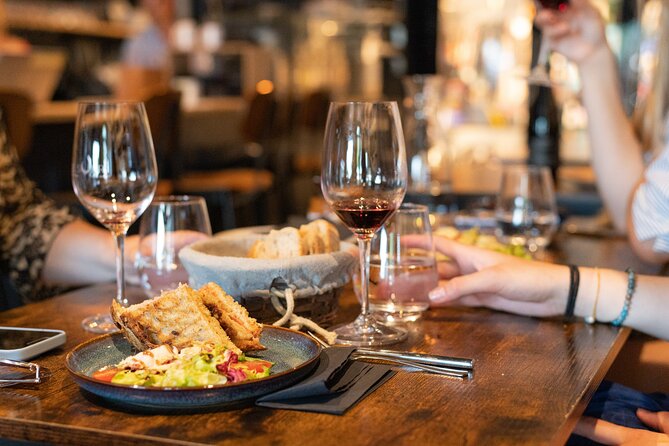
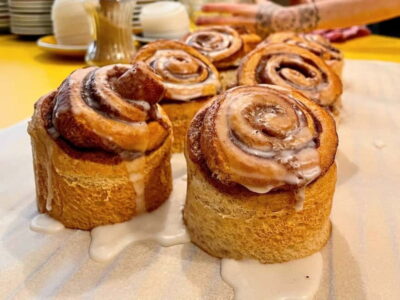
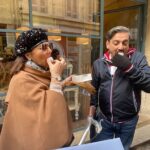
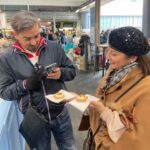
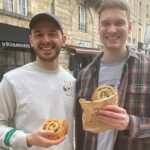
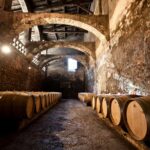
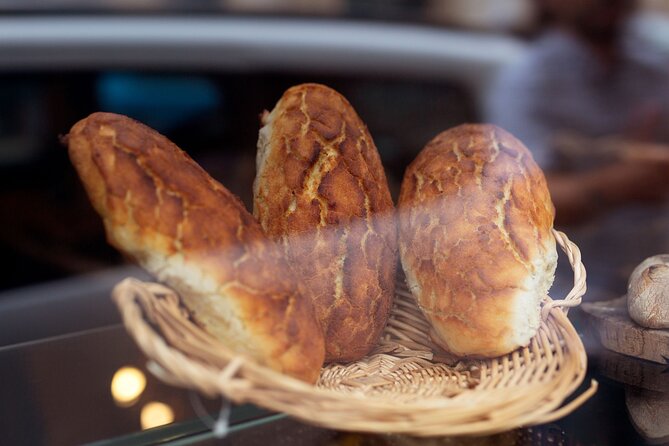
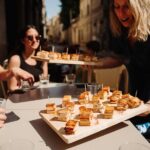
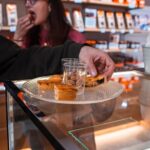
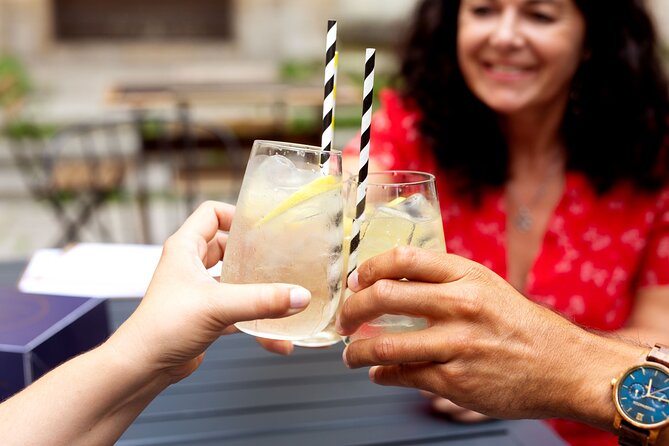
This is one of the tour’s standout moments. At Temple des Chartrons, the second tasting centers on pastry—and you don’t just get handed a random bite. You make a selection of the best Bordeaux pastry, with an introduction by the local pastry shop owner, and then you taste it in an amazing wine cellar paired with a local cocktail.
That pairing detail matters. Wine regions can easily become repetitive—everything tastes like wine. Here, the pastry moment is more flexible, and the cocktail pairing adds contrast and makes the experience feel special rather than predictable.
Also, this is where you’ll probably enjoy the most back-and-forth with the guide. If you like asking questions about what makes one pastry style different from another, this is the moment. And if you’re a fan of food culture, the guide’s pastry and French story adds real context.
Language help can also be a factor. From what I’ve seen families report, guides such as Isabelle may provide Spanish support, which can be a big quality-of-life boost for mixed-language groups.
Eglise St Louis des Chartrons: church views, boutiques, and local fruit
Next comes Eglise St Louis des Chartrons. This stop is about the neighborhood, not just the church. The guide shows you the area, points out boutiques outside, and takes you to a local grocery store for a fruit tasting.
This is the sweet spot between “photo stop” and “food stop.” You get a sense of how residents might shop and socialize, and you taste local fruit as part of the city routine.
If you like tours that help you understand everyday life in a place, this section delivers. It’s not just about old stone buildings—it’s about what’s bought, eaten, and passed around.
Halle des Chartrons: the dinner-replacing finish of seven tastings
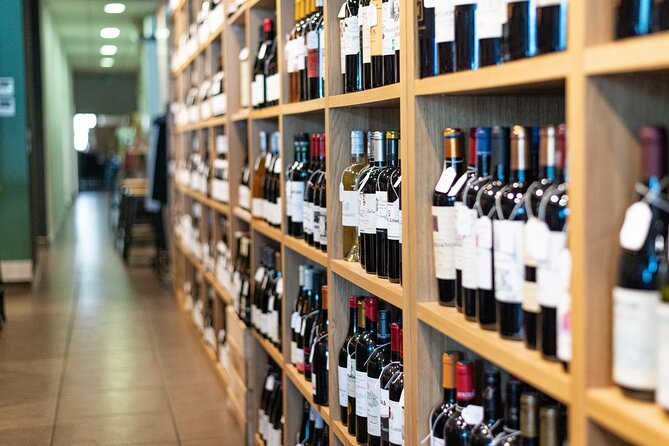
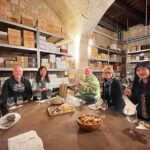
The tour ends at Halle des Chartrons, and this is where the food energy peaks. You continue through a small square, pass an 18th-century bakery, and enter a wine-cellar setting for the tasting portion.
By this point, you’ll go through seven sweet and savory tastings designed to replace dinner. That’s a big promise, and it also explains the tour’s earlier advice to eat lightly beforehand. The goal here is not a few bites—it’s a full food experience in a condensed time window.
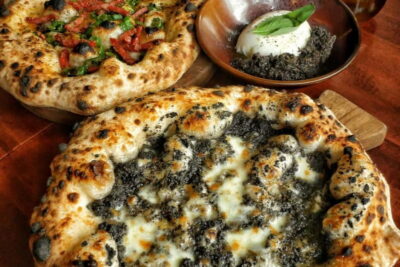
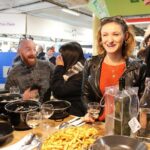
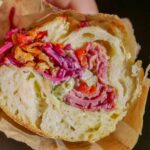
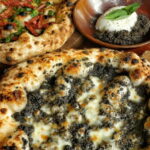
This stop is especially good for people who want variety in one afternoon. You’ll likely encounter a mix of items like bread, cheese, sweets, and wine along the way, and the overall sequence is meant to keep you tasting without feeling like you’re eating the same thing repeatedly.
If you’re traveling with kids, the pacing can also help. One family reported doing the tour with a 5-month-old without trouble, which suggests the stops and duration aren’t overly frantic.
What you’ll eat and drink (so there are no surprises)
From the tour’s tasting structure and what’s included, you can expect a mix that hits multiple food groups:
- Coffee at the start of the tasting run
- Pastry, with a selection moment and pairing in a cellar
- Local fruits from a neighborhood grocery stop
- Multiple additional sweet and savory tastes at the end
- Wine included as part of the tasting lineup, often in a small glass format
- Bread, cheese, and sweets show up as part of the overall spread
The one warning is the gluten situation: there’s no gluten-free option. If you have celiac disease or strong gluten intolerance, this tour may not work for you. Also, because tastings vary by season and day, the exact items can shift, even though the overall food types stay consistent.
The guide factor: language, warmth, and real local storytelling
A food tour lives or dies on the guide, and here you’re set up for a strong experience because you’re in a small group and you have time for short explanations between tastings.
Some guides—like Marina—are described as speaking excellent English and being accommodating, with a knack for sharing French history connections. Another guide, Isabelle, has been praised for kindness and Spanish support for families.
You don’t need to be a history buff to appreciate this. The stories make the tasting make sense. A pastry isn’t just a pastry; it’s tied to a place. Coffee isn’t just coffee; it’s tied to Bordeaux’s arrival in international trade and daily life.
When to book and when to do it during your trip
Because this tour is commonly booked far in advance (it’s often reserved about 85 days ahead), you’ll want to plan early—especially in busy travel seasons or if you want a specific day of the week.
Timing-wise, treat it like a mid-day or early afternoon food reset. The tour lasts about three hours and includes enough tastings to replace a meal by the end. So choose it on a day when you don’t have a heavy dinner plan or an early evening commitment you need to protect.
Is this tour good for you? (Quick decision guide)
Book it if:
- You want a guided tasting route rather than researching and booking multiple places yourself.
- You enjoy walking through neighborhoods and learning how food connects to city identity.
- You like variety and don’t want to think about ordering—just tasting and asking questions.
Skip it if:
- Gluten-free needs are non-negotiable—there’s no gluten-free option here.
- You prefer hands-on cooking or long museum visits. This tour stays focused on the street and the tasting windows, not deep museum time.
FAQ
FAQ
How long is the Bordeaux Food Tour in the Wine District?
It lasts about 3 hours.
How many people are on the tour?
The tour is capped at a maximum of 8 travelers.
What language is the tour offered in?
The tour is offered in English.
Do you enter museums during the tour?
No. Museums are only used as landmarks while you stay outside.
What tastings are included?
You can expect tastings that include coffee, Bordeaux pastry, local fruits, and wine, plus additional sweet and savory tastings toward the end meant to replace dinner. Tastings may vary by season and day of the week.
Is there a gluten-free option?
No, there is no gluten-free option.
Where does the tour start and end?
It starts at Place Lainé (33000 Bordeaux) and ends on Rue Notre Dame.
Should I book the Bordeaux Food Tour in the Wine District?
If you want a relaxed, small-group afternoon that combines neighborhood walking with organized tastings, I’d book it. The price is high enough that you’ll want to eat before you go (light breakfast or lunch), but the structure—especially the pastry selection and the cellar tastings—makes it feel like a planned food experience rather than random snacking. If gluten-free is an issue, though, pass and look for a tour that can handle dietary needs.