REVIEW · BOSTON
Dumplings to Dim Sum: Food and History Tour of Boston’s Chinatown
Book on Viator →Operated by Bites of Boston Food Tours · Bookable on Viator
Boston Chinatown has a lot to say.
On this small-group Food and History Tour, you’ll walk the neighborhood with a guide while tasting Chinese, Chinese-American, and modern Asian dishes. It is built around the idea that food is easier to understand when you see the streets, storefronts, and people tied to it.
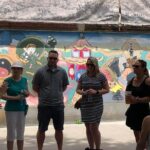
What I liked most was the small-group feel. You’re not squeezed into a crowd, and the pacing leaves room for questions between tastings. I also appreciated how the guide connects bites to context, with stories about how Chinatown developed and how Chinese food evolved in America, including what shaped the Boston-style version.
One thing to think about: you’ll do a lot of listening while walking. One review flagged that it can be hard to hear the guide at times, so if you know you struggle with sound in moving groups, pick a spot where you can face the guide and stay close.
In This Review
- Key highlights worth your time
- Chinatown on foot: why this tour works
- What you’ll learn while you taste (and why it helps)
- The Chinatown walking flow: what to expect between tastings
- Food range: traditional Chinese, Chinese-American, and modern twists
- Guide impact: Swetha, Katie, and the difference a great host makes
- Group size and pacing: relaxed, not rushed
- Price and value: why $135.45 can make sense
- Getting there without stress: Chinatown Gate and transit
- Weather and comfort: rain or shine, so dress smart
- Who this tour is best for
- Should you book Dumplings to Dim Sum? My take
- FAQ
- FAQ
- How long is the tour?
- How much does it cost?
- What’s included in the price?
- Is gratuity included?
- Is this tour offered in English?
- How big is the group?
- Where does the tour start?
- Does it run in bad weather?
- Is there a recommended age limit?
- What if I need to cancel?
Key highlights worth your time
- Small group (max 12) for a more relaxed walk and easier conversation
- History tied to food, including Chinatown’s development and the evolution of Chinese-American cuisine
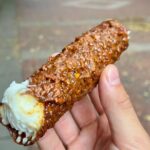
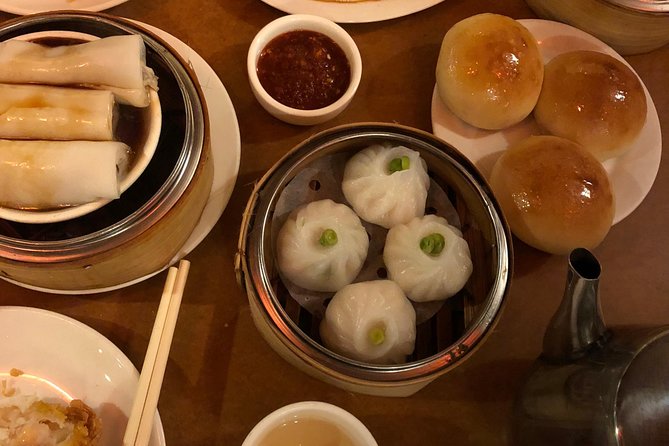
- Multiple tastings included spanning traditional Chinese, Chinese-American, and modern Asian dishes
- Local chef-owner perspective, with tastings from second-generation chef owners in the neighborhood
- Good value when you factor in food, since tastings and all fees and taxes are included
Chinatown on foot: why this tour works
Boston’s Chinatown is small enough to feel personal, but it has enough stories to fill an afternoon. This tour leans into that. You get food, sure. But you also get the why behind what you’re eating.
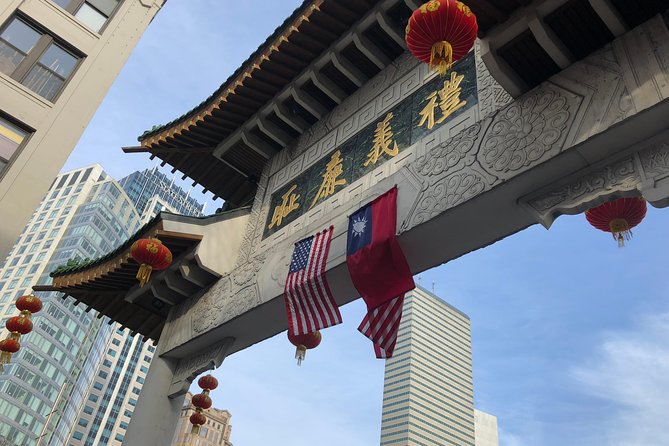
You start at the Chinatown Gate area and spend roughly 2.5 to 3 hours walking at a comfortable pace. The meeting point is close to the Chinatown T stop on the Orange Line and also not too far from South Station on the Red Line. That matters, because you can show up without stress and actually enjoy the walk instead of wrestling transit timing.
The vibe is practical: walk, taste, learn, repeat. That’s an underrated format for food tours. It keeps your brain engaged and your stomach happy, without turning the experience into a long, sitting-only meal.
You can also read our reviews of more food & drink experiences in Boston


What you’ll learn while you taste (and why it helps)
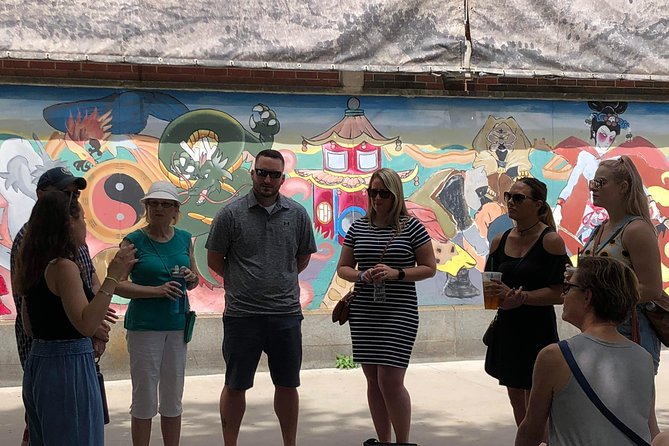
The core promise here is context. Your guide explains Chinatown’s development and how Chinese food changed after it landed in America. You’ll hear about the patterns that led to Chinese-American dishes and the specific factors that shaped what people in Boston know and love.
That framing changes how you eat. Instead of treating a dish like a one-off snack, you learn what it reflects: migration, adaptation, and local tastes. It’s the kind of info that makes you look at menus afterward and recognize the choices behind them.
Another strong element is the chef-owner angle. The tour is designed so you’re tasting food connected to second-generation chef owners in the neighborhood. Even when you don’t get a formal chef talk, that matters because it tends to mean the food selection is practical and intentional, not random “tourist picks.”
The Chinatown walking flow: what to expect between tastings
The itinerary is built as one continuous Chinatown experience rather than a bunch of separate, far-apart locations. Practically, that means you’re spending your energy where it counts: on your route and your tastings.
Here’s how it typically feels:
1) You begin in the Chinatown Gate area, which gives you an easy orientation point.
2) Your guide walks you through the neighborhood while offering history and food background.
3) At each stop, you try a bite that represents a slice of the Chinese-American food story.
4) You regroup and move again, so you’re never stuck in one place for too long.
This structure also helps with appetite. Many food tours either go too heavy too fast, or they drag. Here, the combo of walking plus tastings tends to land in the sweet spot. One review noted that the portions felt like a good amount—full by the end, but not painfully stuffed.
Food range: traditional Chinese, Chinese-American, and modern twists
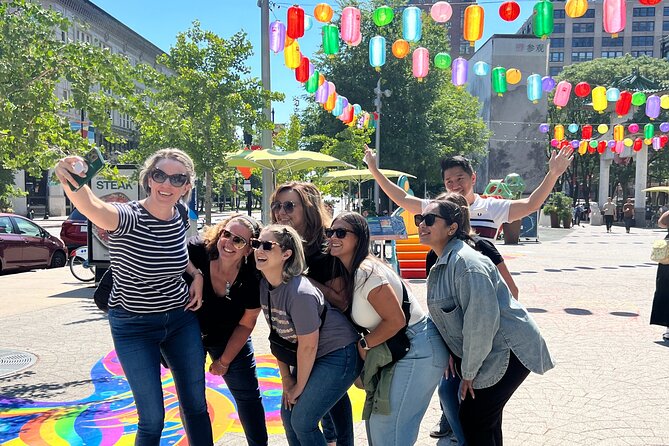
This is not a single-style dumpling tour. You’ll sample across three lanes:
- Traditional Chinese specialties
- Chinese-American dishes shaped by the neighborhood and local demand
- Modern Asian cuisine with newer twists
Why that mix matters is simple: it lets you see how cuisine evolves. Chinese-American food isn’t just “Chinese food with changes.” It is a real adaptation story—ingredients, cooking styles, and flavors that landed in Boston and stayed there because people wanted them.
The reviews back up the variety. People described the selection as diverse and delicious, and several mentioned that the stops were well planned. One comment even summed it up as food that kept you surprised, including discovering a favorite dish you didn’t expect.
Guide impact: Swetha, Katie, and the difference a great host makes
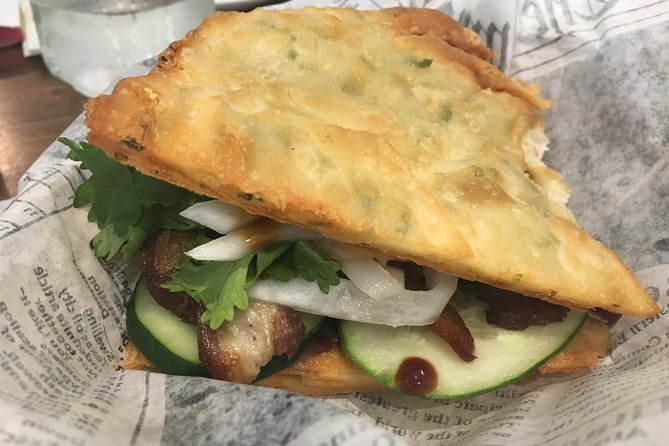
The guide is a big deal on this kind of tour, and the feedback shows that. I saw multiple mentions of guides who brought both personality and knowledge.
- One reviewer highlighted Swetha as awesome and praised the experience as fun and educational, even for locals.
- Another called out Katie as exceptional, combining historic tidbits with strong food stops.
That combination is what you want: history that’s understandable, plus enthusiasm that keeps the walk lively. One review also mentioned that the guide appeared well prepared and friendly with a big smile, which sounds small—but it changes the tone of the whole afternoon.
One possible drawback does show up in one note: difficulty hearing the guide for most of the tour. If you’re sensitive to sound, position yourself where you can face the guide and make eye contact when possible. Staying attentive early also helps you catch the story beats even if there’s street noise.
A few more Boston tours and experiences worth a look


Group size and pacing: relaxed, not rushed
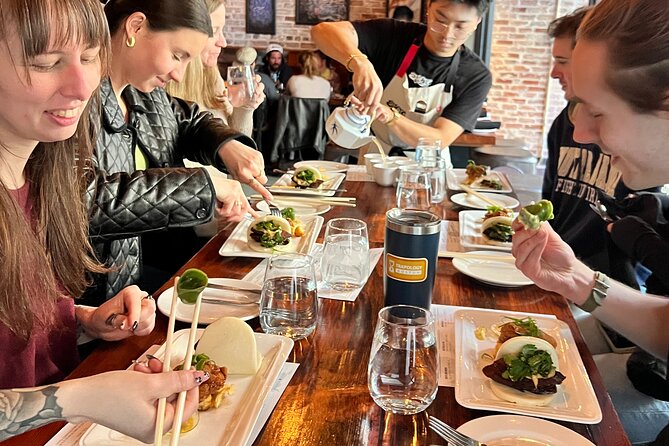
This is capped at 12 travelers, which is genuinely helpful. Smaller groups mean less waiting outside restaurants and less “herding cats” energy on the sidewalk.
The timing is also a plus. A late morning start at 11:00 am works well for food tours. You’re close to brunch hours, but you’re not trying to squeeze in dinner later without giving yourself time to digest. Also, the tour covers about 2 hours 30 minutes (approx.), so you get a complete experience without it eating your whole day.
Price and value: why $135.45 can make sense
At $135.45 per person, this isn’t a bargain-bin snack tour. It’s priced like an organized, guided experience.
What justifies the cost is that all food tastings are included, along with all fees and taxes. So you’re not doing the annoying math of trying to guess what you’ll spend per stop. You’re paying for a planned mix of restaurants and dishes, plus a guide who ties it all together with history.
Also, consider opportunity cost. If you ate your way through Chinatown on your own, you’d likely spend enough to hit the same range once you factor in multiple stops and guided context. This tour packages the “multiple stops” part for you, with a route designed to keep moving.
One note on budgeting: gratuity is not included. If the guide earns it, plan to tip at the end.
Getting there without stress: Chinatown Gate and transit
The start point is the Chinatown Gate at John F Fitzgerald Surface Rd & Beach St, Boston, MA 02111. You’ll find it easy to reach by public transit.
- Close to Chinatown T (Orange Line)
- Also convenient to South Station (Red Line)
Parking can be tricky. Boston street meters have a 2-hour limit per block, which is too short to cover a walking tour that lasts closer to three hours. If you drive, look for a lot within walking distance rather than relying on street parking.
Weather and comfort: rain or shine, so dress smart
This tour runs rain or shine. That’s great because you’re not stuck waiting for perfect weather. It also means you should dress like a person walking around Chinatown for a while: comfortable shoes, a light layer, and rain protection if the forecast looks uncertain.
Since you’re outside a lot and listening while moving, comfort matters. I’d rather show up prepared than spend the tour fidgeting with wet clothes or shoes that rub.
Who this tour is best for
This works especially well if you:
- Want a guided walk in Boston Chinatown that connects food to neighborhood history
- Like the idea of tastings included rather than paying per stop
- Enjoy meeting new perspectives, even if you’ve been to Chinatown before
One review specifically praised it as a great experience even for locals. So yes, this isn’t only for first-timers.
It may be less ideal if you:
- Need a very quiet, seating-heavy experience (this is walking and tasting)
- Are traveling with kids under 12, since participation is not recommended for that age group
Should you book Dumplings to Dim Sum? My take
I’d book this if you want a guided, food-and-history afternoon in a compact area. The structure fits how most people actually enjoy food tours: walk, snack, learn, move on. And the small group size makes it feel less like a commute and more like a plan.
It’s also a strong choice if you care about Chinese-American food as a story, not just as a menu. The focus on Chinatown’s development and how Chinese food evolved in America gives the tastings meaning.
If you’re price sensitive, this is the one you should think about. You’re paying for the guide, the planning, and the included tastings. But if you’d otherwise hop from restaurant to restaurant hunting for variety, the value story gets easier to justify.
FAQ
FAQ
How long is the tour?
The tour runs about 2 hours 30 minutes (approx.), and the guided walking portion is listed as a 3-hour tour.
How much does it cost?
The price is $135.45 per person.
What’s included in the price?
You get the guided Chinatown walking tour, all food tastings from local eateries, and tastings include Chinese, Chinese-American, and modern Asian cuisine. All fees and taxes are included.
Is gratuity included?
No. Gratuity for the guide is not included, but tips are graciously accepted at the end if you enjoyed the tour.
Is this tour offered in English?
Yes, the tour is offered in English.
How big is the group?
The tour has a maximum of 12 travelers.
Where does the tour start?
It starts at the Chinatown Gate at John F Fitzgerald Surface Rd & Beach St, Boston, MA 02111, and ends back at the meeting point.
Does it run in bad weather?
It runs rain or shine, but the experience also notes it requires good weather. If canceled due to poor weather, you’ll be offered another date or a full refund.
Is there a recommended age limit?
It is not recommended for participants under 12 years of age.
What if I need to cancel?
You can cancel for a full refund if you cancel at least 24 hours before the experience start time. If you cancel less than 24 hours before, the amount paid is not refunded.