REVIEW · NEW ORLEANS
French Quarter walking Food Tour: Signature Tastes of New Orleans
Book on Viator →Operated by Tastebud Tours · Bookable on Viator
Feed your way through the French Quarter. This 3-hour walking food tour turns the neighborhood into a plate, mixing Creole, Cajun, and French influences with stops that set the scene—starting near the French Market, then drifting past sights like St. Louis Cathedral. Guides such as Roger and Charles are often praised for pairing real stories with what you’re eating.
I like that the tastings are included and add up to a lunch-size meal, not just tiny bites. I also like the mix of classic food stops and landmark walking, so you get both what’s on the menu and why New Orleans cooks the way it does.
The main consideration: there are no substitutions for dietary restrictions or lifestyles, including vegetarian, vegan, and gluten-free, so this isn’t the best pick if you need options beyond the standard menu.
In This Review
- Key highlights worth planning around
- Price and what $85 gets you in the real world
- Meeting near the French Market: how the tour starts strong
- What you’ll actually eat: gumbo, jambalaya, Cajun favorites, and pralines
- Stop 1 and Stop 2: French Market flavors and Laura’s Candies pralines
- Stops on Bourbon Street and the St. Louis Cathedral moment
- Royal Street tastings and another Bourbon Street pass
- New Orleans Creole Cookery and the final stroll back through the Quarter
- Pace, sidewalks, and weather: what to wear and how to plan
- Alcohol to-go for adults 21+: simple, but don’t count on freebies
- How the guides make or break the experience
- Dietary limits: who should skip this tour
- Should you book this French Quarter Signature Tastes tour?
- FAQ
- How much does the tour cost?
- How long is the walking food tour?
- Where do I meet the guide?
- Where does the tour end?
- Are the tastings included in the ticket price?
- What food is on the sample menu?
- Is alcohol included?
- Does the tour offer vegetarian, vegan, or gluten-free options?
- How large is the group?
- What if it rains or bad weather hits?
- Is there a cancellation window?
Key highlights worth planning around
- Lunch-sized tastings included: you come hungry and leave satisfied.
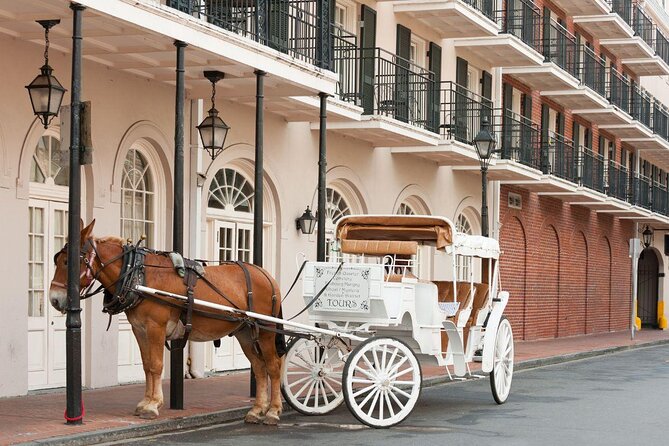
- Classic French Quarter sights on the route: St. Louis Cathedral, Royal Street, and more.
- Pralines stop at Laura’s Candies: sweet finish from a long-running candy shop.
- Small group feel with a maximum of 16 travelers.
- Alcohol to-go is optional for adults 21+, using cups provided for the walk.
- No last-minute changes to accommodate swaps or adjustments on the fly.
Price and what $85 gets you in the real world
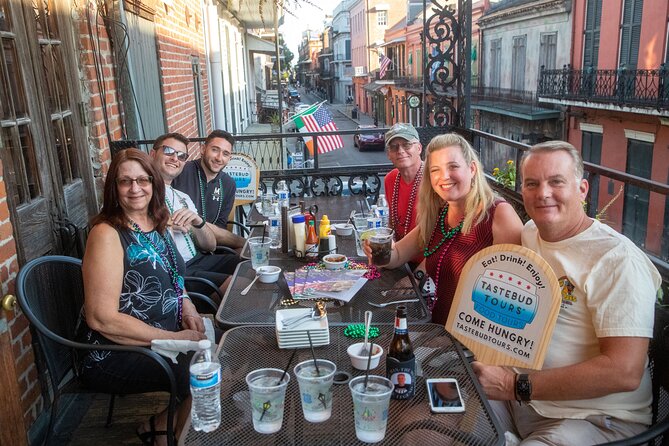
At $85 per person for about 3 hours, this tour sits in the “worth it if you’ll actually eat” category. You’re not paying just for a walk and stories. You’re paying for multiple restaurant tastings that are designed to add up to a meal.
That matters in New Orleans, because there are two ways to spend a food day: either you plan tastings and then regret it, or you plan nothing and spend your afternoon wandering while everyone else is eating. Here, you buy a route with a schedule and enough food to function like lunch.
Also consider what isn’t included. Alcohol is optional, but you pay for it. And while some tours let you customize for dietary needs, this one doesn’t—so the value is strongest if you can eat what’s on the standard menu.
You can also read our reviews of more walking tours in New Orleans
Meeting near the French Market: how the tour starts strong
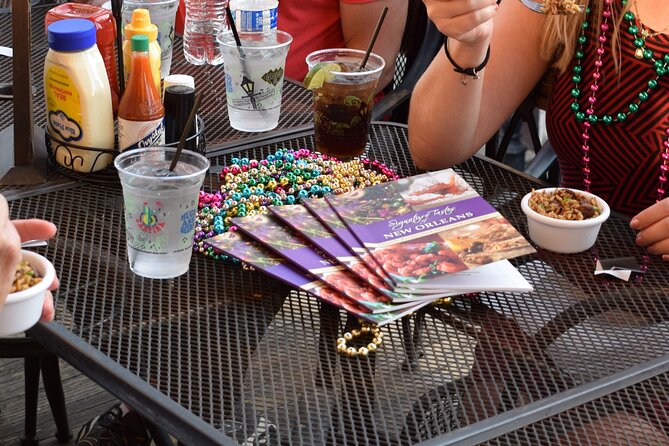
The meeting point is 816 Decatur St, near the French Market area, and the vibe is simple: afternoon, meet your foodie guide, and come hungry. The route is a laid-back walking pace, but it still covers real ground through the French Quarter—lots of old streets and turns that make your navigation skills improve fast.
This is the part where you’ll feel whether the tour is “just food” or “food plus place.” When guides like Reagan or Kimberly are in charge, the tour often comes with extra context—why certain dishes show up where they do, and how the neighborhood’s history shaped what you’re tasting. That’s the hidden value: you’re not just sampling. You’re learning the local logic behind the cooking.
You’ll also want to bring practical expectations: it runs in all weather unless conditions are dangerous, and it’s near public transportation. That flexibility helps, because New Orleans weather can flip quickly.
What you’ll actually eat: gumbo, jambalaya, Cajun favorites, and pralines
Your menu is built around big New Orleans signatures. The sample menu lists:
- Starter: gumbo
- Main: jambalaya
- Main: Cajun favorites
- Dessert: pralines
The key word here is enough. The stops are structured so the total tastings add up to a satisfying lunch, not a snack parade.
And pralines are the sweet anchor. Laura’s Candies is the stop specifically tied to that dessert highlight, so you’re getting the classic caramel-sweet finish that people associate with older candy traditions in the Quarter.
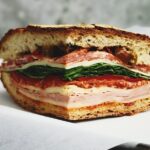
One more practical note from the on-the-ground feedback: some people loved the food as a whole, while a few felt the jambalaya and po-boy quality wasn’t as standout as they hoped. That’s not rare in any restaurant-food tour—tastes vary, and dishes can come down to the specific batch and kitchen day. The upside is that you’re sampling multiple dishes, so you’re not stuck betting everything on one stop.
Stop 1 and Stop 2: French Market flavors and Laura’s Candies pralines
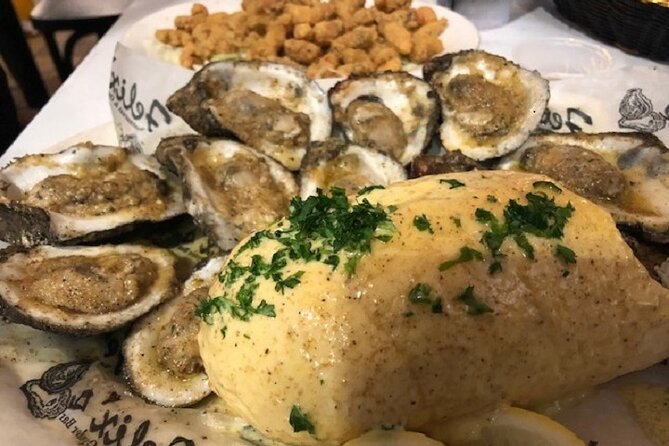
The tour begins at the French Market area, which is a smart first stop. It gives you a New Orleans feel right away—an old-school setting where food culture isn’t an afterthought. It’s also a good moment to get the tour’s tone: your guide frames what you’re about to try and how the French Quarter blends influences over time.
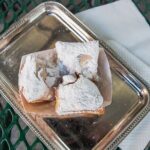
Then you head to Laura’s Candies. This is the sweet-tooth moment, and it’s a real payoff if you love the classic praline bite—sticky-sweet, rich, and unapologetically Southern. The highlight here is that the pralines aren’t an optional add-on. They’re part of the planned meal.
If you’re watching sugar, pace yourself. It’s easy to forget you’ll still be eating savory dishes later, especially if you arrive truly hungry.
Stops on Bourbon Street and the St. Louis Cathedral moment
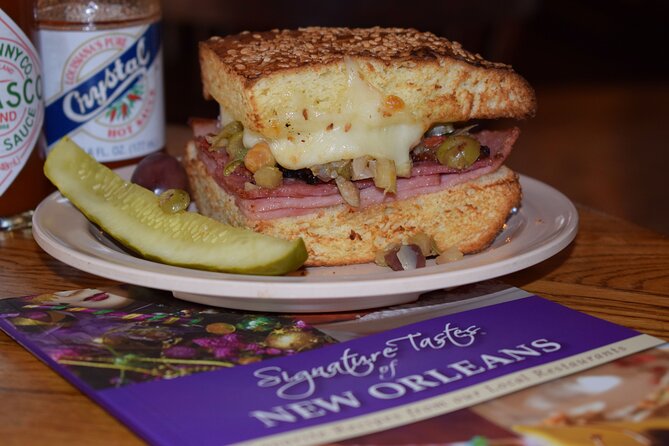
From the early Quarter energy, the tour shifts into the historic postcard stops. Bourbon Street is part of the walking path, but you’re not just walking through noise. Your guide uses the streets as story prompts—what this area has meant over time and how the local food identity grew in public, not just behind kitchen doors.
The St. Louis Cathedral stop is a pressure-free way to anchor the afternoon. You get a major landmark on the route, and that’s where the tour’s “food plus place” approach becomes obvious. You’re standing in a central point of the Quarter, then turning back toward dishes that reflect the neighborhood’s mix of cultures.
A practical consideration: Bourbon Street and the surrounding streets can be crowded. That’s why your guide’s pacing matters, and why group size is capped at 16—smaller groups move more smoothly, and you’re less likely to lose people at crosswalks and tight corners.
You can also read our reviews of more food & drink experiences in New Orleans
Royal Street tastings and another Bourbon Street pass
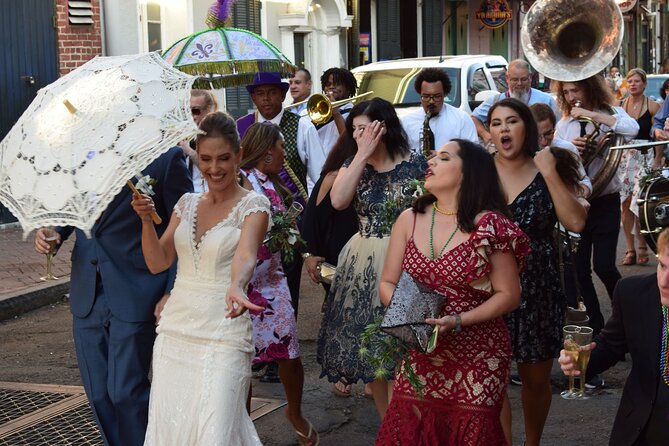
Royal Street is where the Quarter starts to feel a little more artful and slow, even though you’re still moving. It’s a great place to taste something New Orleans and then look around at how the area functions—shops, architecture, and the pedestrian rhythm of the neighborhood.
Then there’s another Bourbon Street stretch on the route. Two passes might sound odd, but it can make sense in a walking plan: it keeps the route logical while still dropping you at key moments. What you should expect most is variety in flavors, not just more of the same.
If you’re picky about pacing, keep this in mind: a few people in the feedback noted that the guide walked fast at certain times and that it could be hard to keep up, especially if you were slower in your group. That’s worth factoring if you have knee or hip issues or if you simply don’t do long, constant walking well.
New Orleans Creole Cookery and the final stroll back through the Quarter
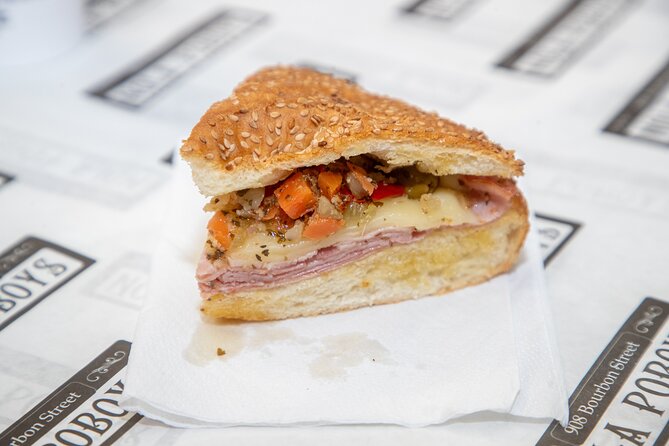
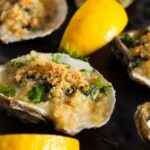
One of the later stops is New Orleans Creole Cookery. This is the kind of place that reinforces what the tour is built around: classic Creole cooking and the broader Cajun-and-French connection that New Orleans is famous for.
After that, the tour continues with additional walking through the French Quarter area to bring you back into the neighborhood flow, then finishes in the French Quarter.
Think of this last section as your “put it all together” phase. By then you’ve tasted gumbo, jambalaya, Cajun favorites, and sweets, and your guide’s stories should make more sense. You’ll also likely have a few streets you want to revisit for shops or a second look at the places you passed while focusing on the food.
Pace, sidewalks, and weather: what to wear and how to plan
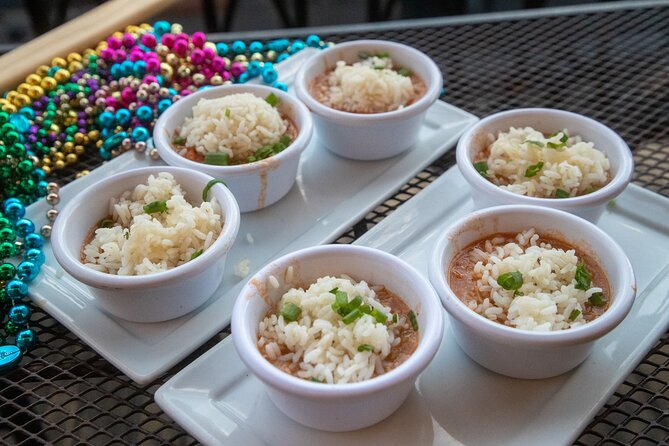
This is a walking tour through an historic district. Expect cobblestone sidewalks, uneven patches, and plenty of turning corners. Even when the pace is described as laid-back, you still need shoes that handle uneven ground.
The tour also notes a moderate physical fitness level. That usually means you’re fine if you can walk for a few hours without needing constant breaks—but if you move slowly or need frequent resting points, this is where the experience can get frustrating.
Weather-wise, it runs in all weather unless conditions are dangerous. So dress like a local for New Orleans: breathable in heat, and be ready for rain. Bring water. And if you get motion-sick or easily overwhelmed in dense crowds, plan to take the tour at a comfortable tempo rather than trying to speed through it.
Alcohol to-go for adults 21+: simple, but don’t count on freebies
If you’re over 21, you can purchase alcoholic drinks to-go using provided cups. Alcohol is not included in the ticket price, but the to-go format is set up so you’re not stuck doing the boring half-wait-for-your-drink thing while the group walks.
This is fun if you want to treat the tour as both a food and a social afternoon. It can also cut into your taste-testing if you’re drinking heavily—so if you’re a flavor-first eater, keep it light and let the pralines be the real finale.
How the guides make or break the experience
When people rate this tour highly, the guide shows up repeatedly in the praise. Names that come through include Roger, Charles, Reagan, Kimberly, Kim, Lyndel, Richard, and Suzette. The common thread is a storytelling style that fits the street corners you’re standing on.
I’d use this as a guide for how to choose your moment. If you like food tours that teach you the why behind dishes—how ingredients and traditions connect—you’ll likely feel more satisfied. If you only care about eating and don’t want much walking commentary, you might still enjoy it, but you’ll want to mentally reset expectations so the “history bits” don’t feel like extra time.
Also watch the pacing. A few feedback notes mentioned a guide speaking softly or moving quickly. That doesn’t mean every tour is like that, but it does mean you should come prepared to focus and keep up.
Dietary limits: who should skip this tour
This is the clearest hard line in the provided info: there are no gluten-free or vegetarian options, and food substitutions for dietary restrictions or lifestyles aren’t available (including vegetarian and vegan).
So if you’re traveling with someone who can’t eat standard Creole/Cajun dishes or needs strict dietary control, you should look for a different tour style. This one is best for people comfortable with the standard menu.
If you can eat the standard foods, the upside is that the tastings are designed as a complete meal. No scrambling, no hunting down a substitute restaurant.
Should you book this French Quarter Signature Tastes tour?
Yes—if you want a guided French Quarter food plan that functions like lunch. The best fit is a small group or a solo traveler who enjoys history tied directly to what’s on the plate. With a max of 16 travelers and multiple tastings, it’s a practical way to get your bearings fast and eat well without turning your afternoon into a logistics project.
Skip it—at least consider skipping—if dietary restrictions matter for your group. Also think twice if long walking on uneven surfaces will be tough. The tour is built to keep moving through the Quarter.
If your plan is simple: eat, learn a few things, and leave full, this is the kind of tour that can make your French Quarter day feel organized and genuinely satisfying.
FAQ
How much does the tour cost?
It costs $85.00 per person.
How long is the walking food tour?
The duration is about 3 hours.
Where do I meet the guide?
You meet at 816 Decatur St, New Orleans, LA 70116, USA.
Where does the tour end?
It ends in the French Quarter.
Are the tastings included in the ticket price?
Yes. All tastings are included, and they add up to a lunch-size experience.
What food is on the sample menu?
The sample menu includes gumbo (starter), jambalaya (main), Cajun favorites (main), and pralines (dessert). The exact items can change.
Is alcohol included?
Alcoholic drinks are not included, but adults 21+ can purchase alcoholic beverages during the tour using to-go cups.
Does the tour offer vegetarian, vegan, or gluten-free options?
No. The tour does not offer substitutions to support dietary restrictions or lifestyles, including vegetarian, vegan, and gluten-free.
How large is the group?
The maximum group size is 16 travelers.
What if it rains or bad weather hits?
It operates in all weather conditions unless it is dangerous. If it’s canceled due to poor weather, you’ll be offered a different date or a full refund.
Is there a cancellation window?
Free cancellation is available up to 24 hours in advance for a full refund.