REVIEW · KYOTO
Kyoto Evening Gion Food Tour Including Kaiseki Dinner
Book on Viator →Operated by Arigato Japan KK · Bookable on Viator
Kyoto tastes better at dusk. This Kyoto evening Gion food tour strings together the Kamogawa River views, the back-alleys of Gion, and a 10-course kaiseki dinner you can learn to savor, not just eat. I also like how the pacing mixes sights with small food stops so you’re not stuck only in restaurant mode. One possible drawback: at $276, it’s pricey, so you’ll want to be sure you’re in the mood for guided structure and a proper formal meal.
You’ll be walking for about 3 hours total, starting at 5:00 pm, with a small group capped at 10. You’ll meet at Japan Kanji Museum & Library and finish in the Pontocho area, where the dinner happens. You’ll get a mobile ticket, and you can bring dietary needs too (the tour says vegetarian, pescatarian, and gluten-free are friendly).
In This Review
- Key Things That Make This Gion Food Tour Worth Your Time
- From Kamogawa Bridge to Gion: Why This Evening Works
- Meeting at Japan Kanji Museum & Library: A Clever Start Point
- The Kamo River Terraces: Watch the Evening Like a Local
- Pontocho and the Geisha District Pulse
- Gion on Foot: Main Roads, Back Alleys, and the Surprise of Scale
- Shirakawa Area Stops: Shrines, Bridges, and Street-Level Details
- Price and Value: What $276 Really Buys You
- The 10-Course Kaiseki Dinner in Pontocho: How to Enjoy It
- Who This Tour Suits (and Who Might Want to Skip)
- Should You Book This Kyoto Evening Gion Food Tour with Kaiseki Dinner?
- FAQ
- How long is the Kyoto evening Gion food tour?
- What time does the tour start, and where do I meet?
- Where is the dinner, and what’s included?
- Do you stop in Gion and see traditional areas?
- Is the tour suitable for dietary restrictions?
- Is there an age limit for drinking?
- What happens if the weather is bad or if I need to cancel?
Key Things That Make This Gion Food Tour Worth Your Time
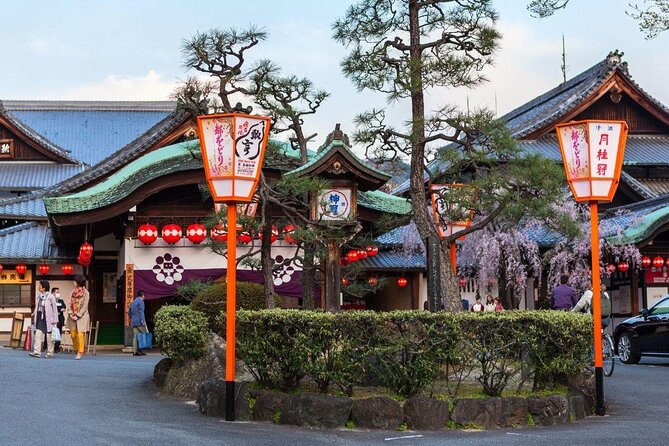
- Kamogawa to Kamo River terraces at evening: you get the classic riverside “Kyoto night” mood early in the walk
- Gion + Pontocho route: you’re guided through the parts people talk about, not just a quick photo stop
- A real 10-course kaiseki structure: you learn the flow of the meal, not only what you’re eating
- Small group size (max 10): easier questions, fewer bottlenecks, more attention during the dinner
- Diet-friendly options: vegetarian, pescatarian, and gluten-free are supported
From Kamogawa Bridge to Gion: Why This Evening Works
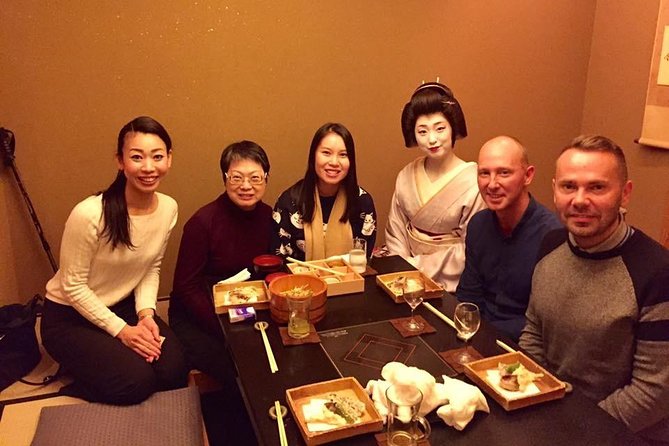
If you’ve ever walked around Gion on your own, you know it can be a bit like chasing a moving target. Lights, narrow lanes, sudden viewpoints, and then… you’re back on a main street wondering what you missed. This tour is designed to keep you oriented while you soak up the atmosphere.
The big strength here is the timing. Starting at 5:00 pm means you catch that sweet spot when the river terraces are active and the entertainment district starts to feel alive. You begin by crossing the Kamogawa bridge, then strolling along the Kamo River terraces, where you can watch locals relaxing outside in the evening. That first stretch helps you understand the rhythm of Kyoto evenings before you hit the more formal, arts-focused world of Gion.
Another smart move: the tour doesn’t treat food as an add-on. It builds toward the meal as the evening’s anchor. The guide brings tastings along the way, then you land at a kaiseki dinner with a full 10-course sequence, green tea, and dessert. If you like learning the “why” behind a meal, this is your kind of plan.
You can also read our reviews of more food & drink experiences in Kyoto
Meeting at Japan Kanji Museum & Library: A Clever Start Point
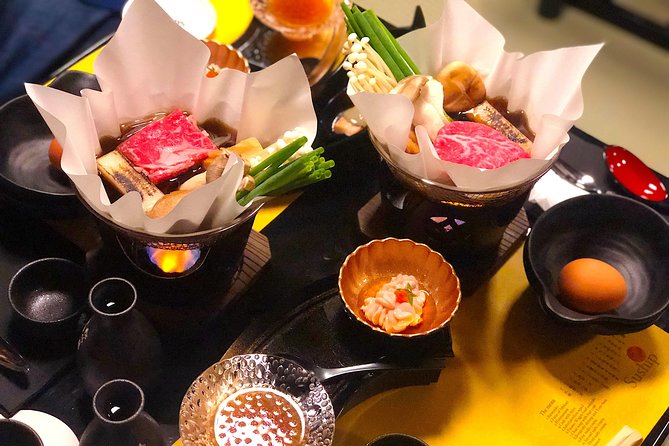
You meet at Japan Kanji Museum & Library (551 Gionmachi Minamigawa). The tour keeps this first stop short, about 5 minutes, and you don’t pay extra (admission is free).
Why I like this start: it gives you a cultural warm-up without wasting time. Even if you don’t go deep into the museum itself, the location in the Gion area means you start in the right neighborhood, with the right vibe. It’s also a practical way to gather everyone before heading into narrower streets where you’d rather not be searching for your group.
Also, this tour works well for first-timers because the guide doesn’t assume you already know how Gion fits into Kyoto. You get context while you’re still close to the start point.
The Kamo River Terraces: Watch the Evening Like a Local
After you cross the Kamogawa bridge, the walk follows the Kamo River and its terraces. This is one of those parts that feels simple until you’re actually there. Kyoto evenings aren’t loud. They’re quiet, layered, and just busy enough.
What to pay attention to:
- The way people settle into terrace seating along the river
- How the light changes the feel of the walkway as the sun drops
- The shift from daytime sightseeing energy to evening strolling energy
This segment is not just scenic. It acts like a “warm-up lesson” for what comes next. When you then step into Pontocho and Gion, you’ll feel the difference between a daily-life riverside hangout and a district built around traditional arts and refined dining.
Pontocho and the Geisha District Pulse
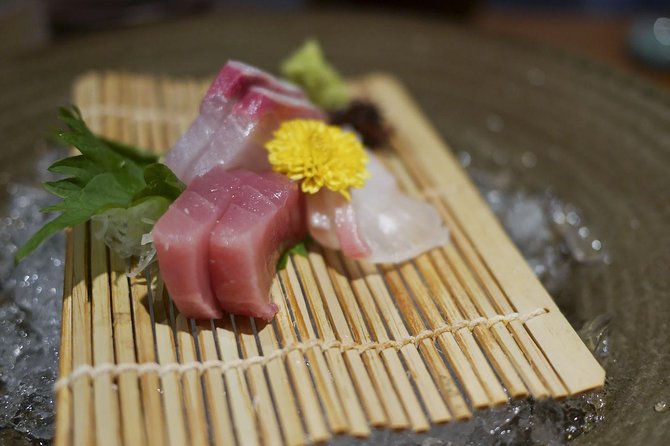
You’ll head toward Pontocho, an area traditionally known as a home to geisha since the 16th century. The guide also points out what to look for: geisha walking between teahouses in kimonos, entertaining customers.
Let’s be real: you can’t demand an appearance on a schedule. What you can do is increase your odds by being in the right place at the right time, and by moving with someone who understands the flow of the district. This tour is built for that.
In the reviews I read, the guide style gets major praise, with names like Thomas, Sae, Yoshiko, Zae, Russ, Bernard, Rosalia, and Akari showing up as examples of guides who explain both food and culture with confidence. That matters because Gion can look mysterious from the outside. With the right explanations, it becomes understandable.
Even if you don’t spot a geisha, you still come away with a clearer sense of how the district functions and why certain streets and buildings feel different from the rest of Kyoto.
Gion on Foot: Main Roads, Back Alleys, and the Surprise of Scale
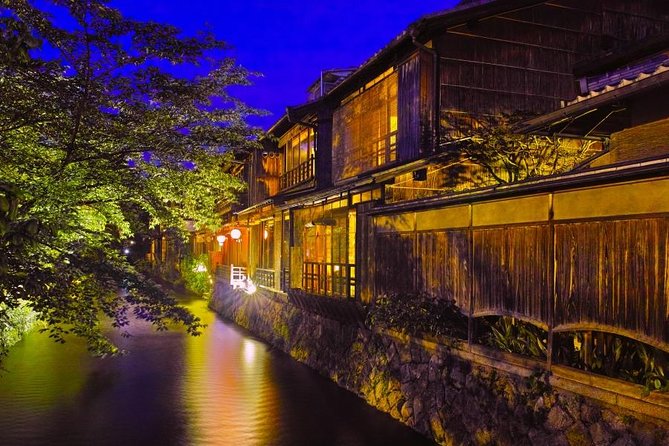
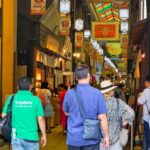
Gion is the heart of traditional entertainment and arts in Kyoto. It’s a maze of old wooden buildings, teahouses, and very exclusive restaurants (many by invitation). You don’t just get a quick peek either. You walk through areas like Gionmachi and Hanamikoji Street, and you also move through quieter lanes where the district’s texture comes through.
You’ll spend about 30 minutes here in the main Gion exploration. That time is important. In Gion, 10 minutes feels like a hallway. 30 minutes starts to feel like you’re actually living inside the neighborhood, even briefly.
What you’ll learn along the way:
- Why Gion’s layout feels like it does (narrow lanes, old structures, sudden corners)
- How tea houses fit into the larger entertainment district idea
- How to read the atmosphere, so you don’t only see it as a backdrop
A small caution: this is still a walking tour. The tour notes a strong physical fitness level is required. If your legs are already tired from other days, plan rest breaks earlier in the afternoon.
A few more Kyoto tours and experiences worth a look

Shirakawa Area Stops: Shrines, Bridges, and Street-Level Details
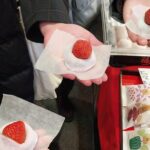
After the main Gion portion, the route includes the Shirakawa neighborhood, plus a handful of specific spots along the way. This segment is about 15 minutes, and it’s where the tour gets more “Kyoto proper” in the best way: shrines, bridges, and classic street views.
Some of the places included in this stretch:
- Tatsumi Daimyojin Shrine
- Statue of Izumo-no-Okuni
- Kyomizu Temple
- Hōkanji Temple and Yasaka Pagoda
- Tatsumi Bridge
- Hanamikoji Street
You’ll also hear about the life of Kyoto’s geisha (maiko and geiko). Even though it’s quick, it’s the kind of info that makes your photos more meaningful because you’re no longer just capturing architecture. You’re connecting it to a living tradition.
One thing I appreciate: the tour doesn’t treat “traditional” like a museum label. It gives you street-level context. A shrine or pagoda next to a famous entertainment street isn’t random. Kyoto layers things on top of each other, and this walk helps you notice that.
Price and Value: What $276 Really Buys You
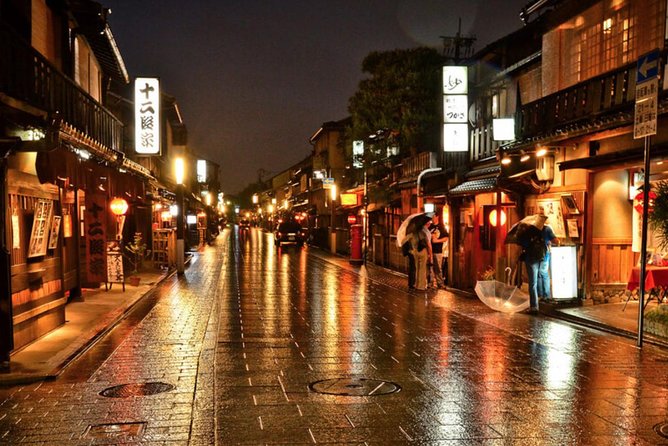
At $276 per person, this tour is clearly aimed at travelers who want more than casual sightseeing. Here’s what you’re paying for, specifically:
- A local guide
- A structured evening walk through Gion and surrounding areas
- A 10-course kaiseki dinner
- Green tea and dessert
- One included drink
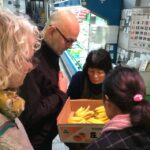
- Small food tastings along the route
When people feel disappointed with pricey tours, it’s usually because they thought they were buying “dinner + a stroll.” This one is closer to “guided cultural walking + formal kaiseki meal,” with tastings used to keep momentum.
In the reviews I saw, most people loved the dinner setup and felt it was a highlight. A smaller number felt the meal didn’t match their expectations or didn’t feel filling enough for the price. That difference comes down to how you personally define “worth it.” If you want maximum calories and zero structure, you may rate it less highly. If you enjoy seasonal ingredients, presentation, and learning what you’re eating, it’s likely to land better.
My practical advice: go in hungry enough to enjoy a multi-course progression, not ravenous like you’re ordering a single big entrée. Kaiseki is paced. That pacing is the point.
The 10-Course Kaiseki Dinner in Pontocho: How to Enjoy It
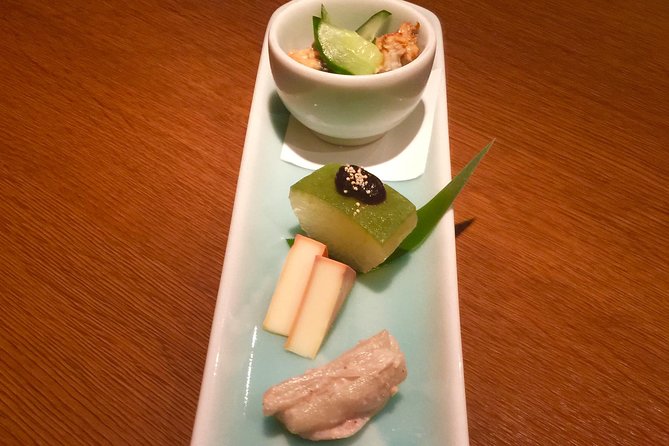
The dinner is served in the Pontocho area. Your tour ends at Pontocho Idumoya (meeting point for the dinner end location).
Here’s what’s included:
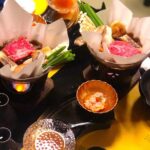
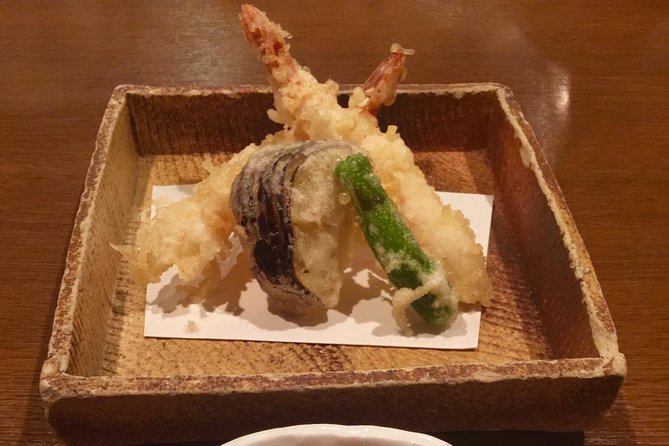
- 10-course kaiseki meal
- Green tea
- Dessert
- One drink (additional drinks cost extra)
Kaiseki (kaiseki ryōri) is about seasonal ingredients and a harmonious blend of flavors. The tour guide explains the tradition during the meal, which makes a difference. Without guidance, kaiseki can feel like a procession of pretty plates you’re expected to finish politely. With guidance, you start understanding the logic behind each course.
What I’d do to get the most out of it:
- Pace your questions while courses arrive (don’t save every curiosity for the last minute)
- Slow down and taste fully at least a few courses instead of rushing the whole sequence
- If you’re sensitive to strong flavors, tell your guide early. The tour is diet-friendly (vegetarian, pescatarian, gluten-free), so communication helps
One review mentioned a key mindset: go hungry, because there’s a lot of food. At the same time, another person expected it to be more filling. That suggests the meal may still feel lighter or heavier depending on what you’re used to. Either way, the 10-course format means you’ll have plenty to sample across the evening.
Who This Tour Suits (and Who Might Want to Skip)
This is a great fit if:
- You want a first-rate evening in Gion that combines walking and food
- You enjoy structured cultural explanations, especially around Japanese dining
- You’re comfortable with walking in the evening and spending time outdoors along the river
- You have dietary needs like vegetarian, pescatarian, or gluten-free
It may not be your best choice if:
- You think $276 should buy a big, casual meal with lots of flexibility and minimal rules
- You dislike guided experiences and prefer roaming independently
- Your schedule is tight and you can’t spare about 3 hours starting at 5:00 pm
- Weather is a big issue for you, since the tour requires good conditions
Should You Book This Kyoto Evening Gion Food Tour with Kaiseki Dinner?
I’d book this if you want one evening in Kyoto that feels focused, not chaotic. The route makes sense: river terraces first, then the geisha district energy, then a full kaiseki dinner that actually teaches you what you’re eating.
I’d think twice if you’re shopping mainly for value-per-dollar and you’re not excited about the kaiseki format. The price is high enough that your expectations need to match the experience: guide-led walking, careful pacing, and a formal multi-course meal.
If you’re celebrating something, traveling with food curiosity, or you simply want your first Gion night to make sense, this tour is a strong move.
FAQ
How long is the Kyoto evening Gion food tour?
It lasts about 3 hours.
What time does the tour start, and where do I meet?
The tour starts at 5:00 pm. You meet at Japan Kanji Museum & Library, 551 Gionmachi Minamigawa, Higashiyama Ward, Kyoto.
Where is the dinner, and what’s included?
The tour ends in the Pontocho area at Pontocho Idumoya, where you have a 10-course kaiseki dinner. Green tea and dessert are included, and one drink is included as well.
Do you stop in Gion and see traditional areas?
Yes. The route includes Gion, including Gionmachi and Gion Shirakawa, and it also includes stops such as Tatsumi Daimyojin Shrine, Kyomizu Temple, and Hanamikoji Street. The guide also points out traditional geisha and teahouse scenes you may see as you walk.
Is the tour suitable for dietary restrictions?
The tour says it is vegetarian, pescatarian, and gluten-free friendly.
Is there an age limit for drinking?
The minimum drinking age is 21.
What happens if the weather is bad or if I need to cancel?
The tour requires good weather. If it’s canceled due to poor weather, you’ll be offered a different date or a full refund. You can also cancel for a full refund up to 24 hours before the experience starts.