REVIEW · NEW ORLEANS
New Orleans: French Quarter Food Tour with Tastings
Book on GetYourGuide →Operated by Sidewalk Food Tours · Bookable on GetYourGuide
Follow your appetite through the Vieux Carré. This 3-hour French Quarter walk is built around small groups and six tastings, with an alcohol component add-on if you want it. You’ll cover classic stops and hear how the neighborhood’s food habits got shaped over time.
I love that the tour doesn’t just throw food at you. It mixes sit-down tastings at four spots with two sidewalk tastings, plus guide-led stories that help you understand what you’re eating. The one catch: it’s not a great fit if you need vegan or gluten-free substitutions (and it isn’t suitable for people with diabetes).
In This Review
- Key things I’d watch for
- Starting at Felix’s Oyster House: the vibe and the walking rhythm
- Six tastings through Creole and Cajun favorites (and why this format works)
- Sit-down tastings at four restaurants vs two sidewalk bites
- The guide’s job is more than facts: it’s food storytelling
- French Quarter architecture you notice when you’re not just rushing
- Skip the wait and get moving: what the small group changes
- Price and value: what $89 buys you in 3 hours
- Who should book this French Quarter food tour
- Should you book this French Quarter food tour?
- FAQ
- How long is the French Quarter food tour?
- Where does the tour meet and where does it end?
- How much does it cost?
- How many tastings are included?
- Is the tour a small group?
- Are there sit-down tastings, or is it all standing?
- What foods should I expect to taste?
- What dietary restrictions are supported?
- What should I bring and wear?
Key things I’d watch for
- Six tastings in 3 hours: a real meal’s worth of food, not “one bite and done”
- Small group size (up to 8): easier chatting, quicker check-ins, less crowd stress
- Sit-down plus sidewalk stops: you get variety in pace and setting
- French Quarter context as you walk: Spanish architecture and ironwork details come into focus
- Guides like Lisa, Grace, Gordon, and Mikala: consistently praised for energy and city storytelling
- Diet limits are strict: no vegan or gluten-free swaps, so plan ahead
Starting at Felix’s Oyster House: the vibe and the walking rhythm
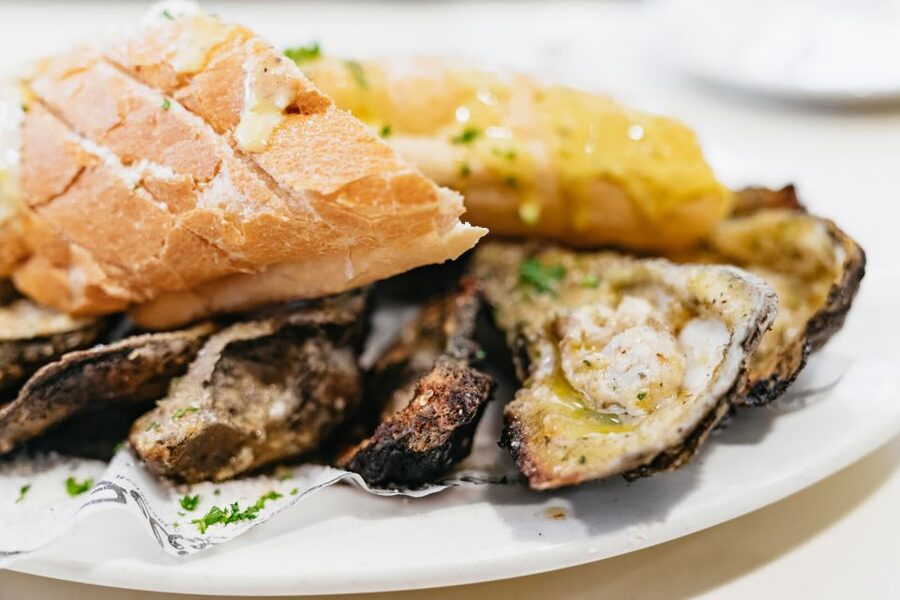
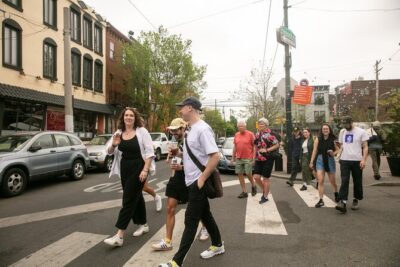
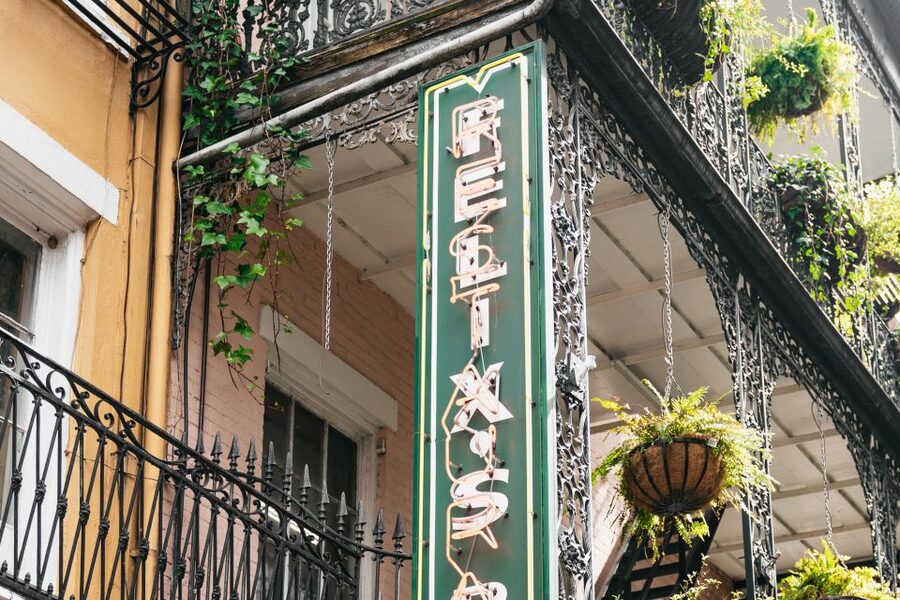
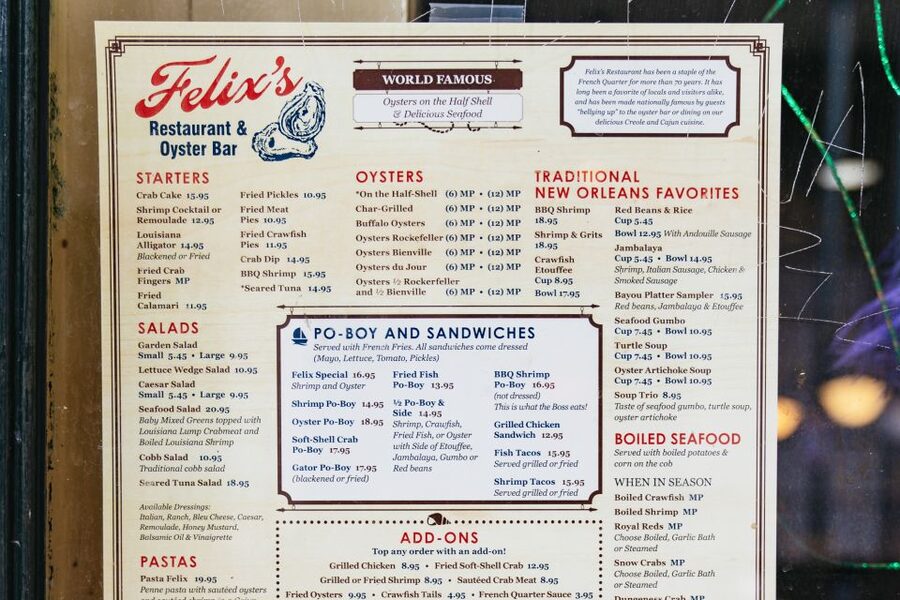
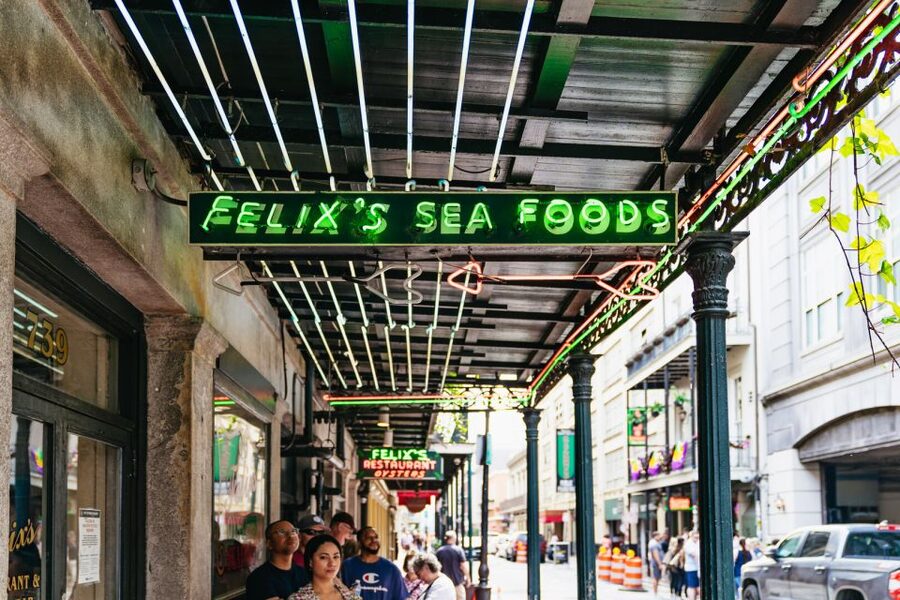
The tour kicks off right where many locals start their seafood cravings: outside Felix’s Oyster House at 739 Iberville Street. Then you work your way through the French Quarter on foot, ending back at the same meeting point. It’s an efficient loop, designed for people who want food and context without losing half the day to transit.
Because it’s a walking tour, your comfort matters. Bring comfortable shoes and expect some sidewalk time between stops. The schedule is tight enough that you’ll want to keep your pace steady, especially if you’re visiting in warm weather or during busier times.
The group stays small (limited to 8 participants), so you don’t feel like you’re trapped in a big line shuffle. This also makes it easier for the guide to keep an eye on timing—one reason the tastings tend to feel well paced rather than rushed.
You can also read our reviews of more food & drink experiences in New Orleans
Six tastings through Creole and Cajun favorites (and why this format works)
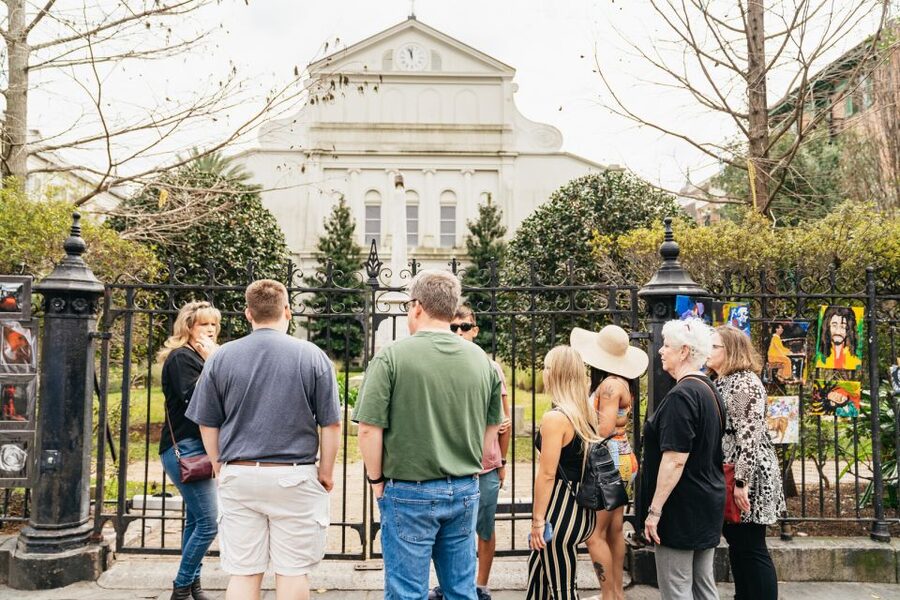
This is a food tour built around six distinct tastings across the French Quarter. You’re not just sampling; you’re eating your way through some of the flavors that made New Orleans famous in the first place—Creole and Cajun staples, plus a few trendier bites that fit the modern Quarter.
The tour includes a mix of experiences:
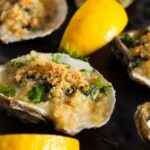
- Chargrilled oysters (a classic New Orleans move)
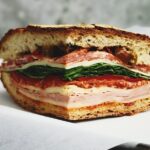
- A classic Nola Po-Boy sandwich
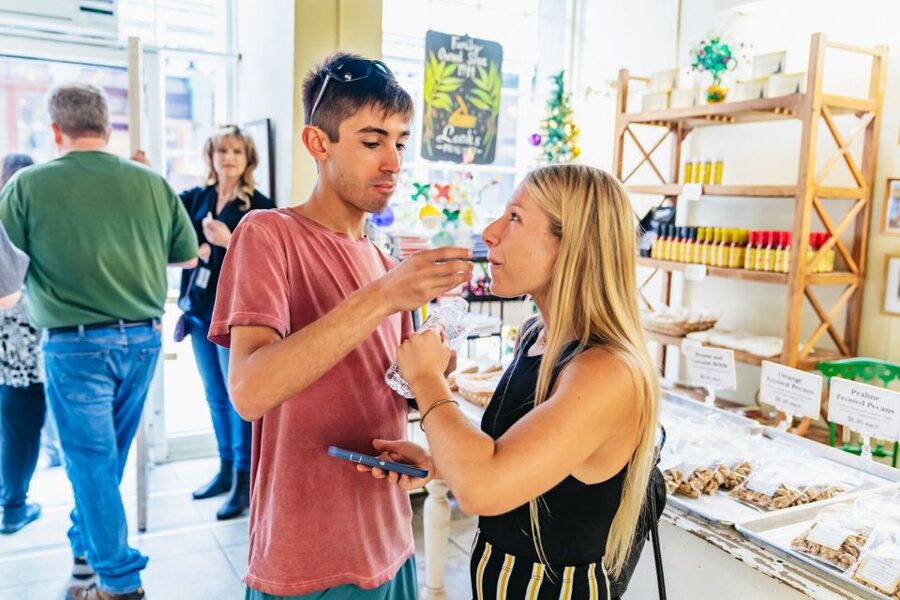
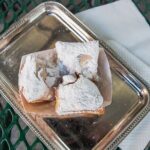
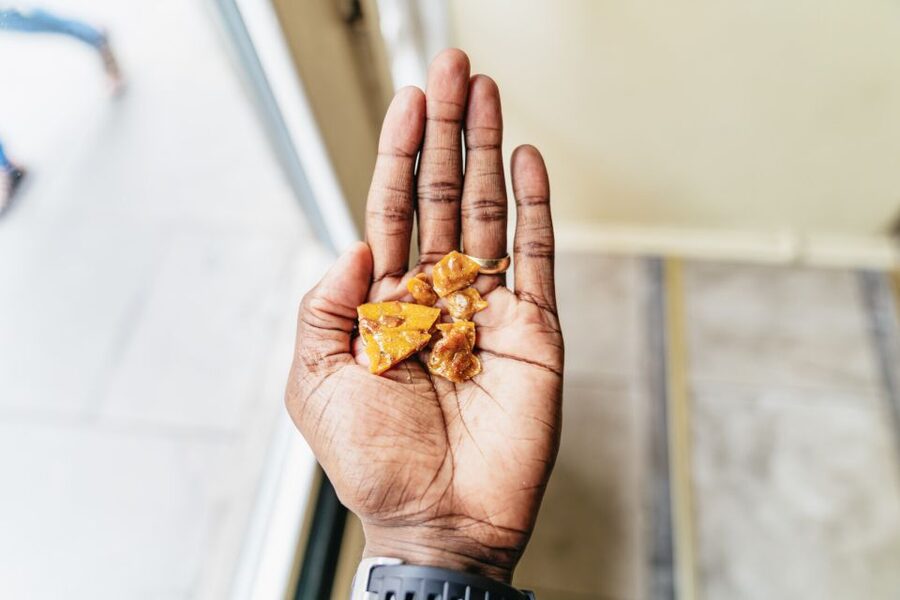
- Pralines (the sweet finish you’ll start craving before you reach it)
- Other Cajun and Creole cuisine and “NOLA food staples” rounded out across the remaining stops
What makes this format smart is that it helps you compare flavors across the trip. Oysters teach you one end of the local taste story. Po-boys give you something hearty and handheld. Pralines bring you into the dessert world. By the time you hit the later tastings, you’re not just full—you’re starting to connect the dots between tradition, technique, and seasoning style.
You can also add an alcohol component if you want it. If you do, I’d plan on slowing your pace a touch. Three hours of walking plus six tastings is plenty even without alcohol, so it’s worth deciding in advance how you want to feel afterward.
Sit-down tastings at four restaurants vs two sidewalk bites
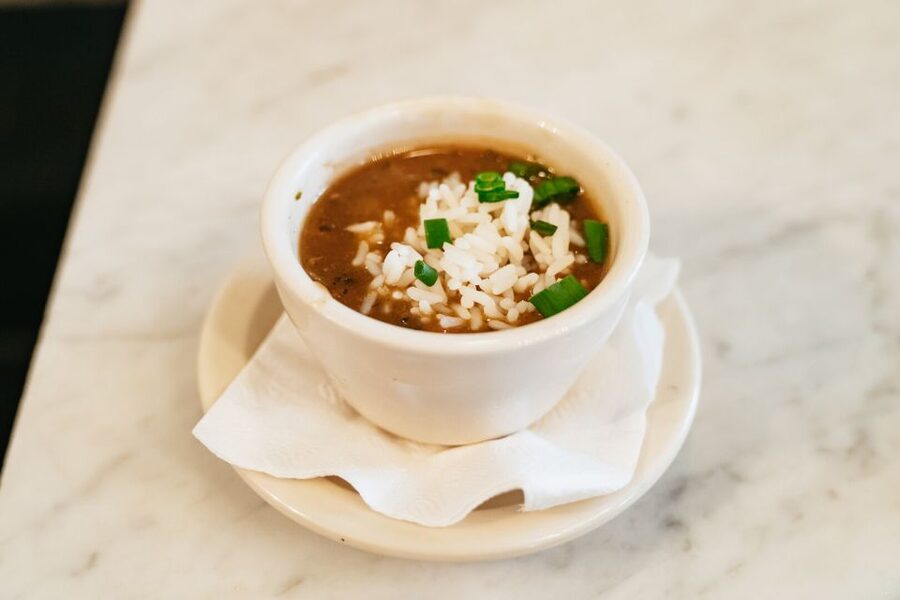
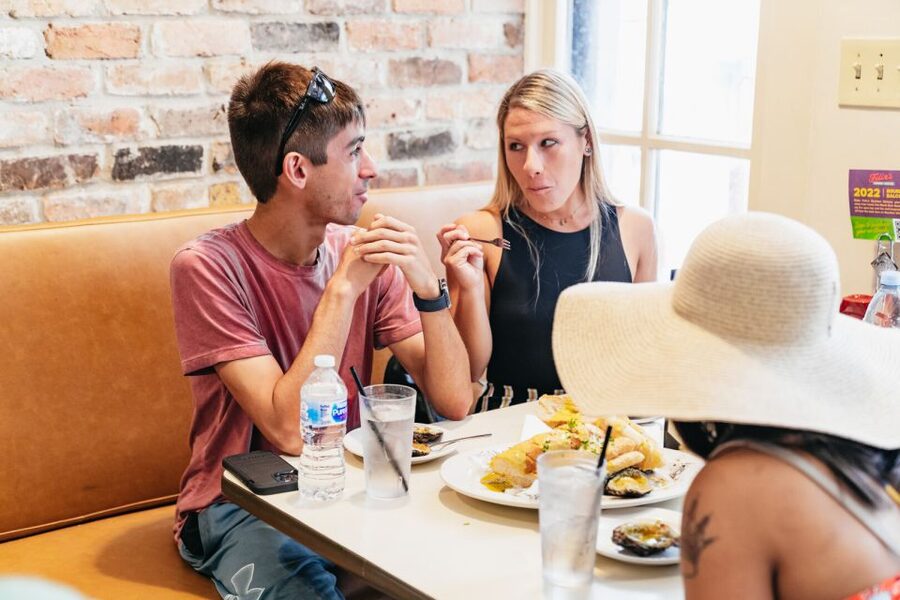
One of the best parts of this tour’s structure is the pacing mix. You’ll be seated at four different restaurants for sit-down tastings, and the other two tastings happen standing on the sidewalk. That means you get the comfort of proper seating, but you also get to experience the “real Quarter” rhythm between stops.
For the sit-down stops, you get a calmer moment to eat and listen. It’s where the guide can slow down and talk through what you’re tasting, plus where you’re more likely to ask questions without feeling rushed. Sit-down tastings also help if you’re hungry enough that you’d otherwise scarf food too fast.
The sidewalk tastings are shorter and more street-level. They’re useful for two reasons: you keep the walking flow going, and you taste things in the exact setting you’d encounter if you were just wandering on your own. If you hate standing for long, don’t panic—these are still part of a controlled, timed plan.
Practical tip: if you’re the type who takes pictures mid-bite, do it before you start eating. The tour works best when you eat first, then look around after.
The guide’s job is more than facts: it’s food storytelling
The guide does a lot of the heavy lifting here. This isn’t just a list of where to eat; it’s explanation. Between tasting stops, you’ll hear history, culture, and how the French Quarter’s food scene came to be. The goal is simple: leave able to order with confidence instead of guessing.
The tours are led by English-speaking guides, and the names you’ll see associated with this experience include Lisa, Grace, Gordon, and Mikala. They’re repeatedly described as fun, organized, and strong at connecting food to place—so you don’t feel like you’re trapped listening to lecture while your stomach waits.
One detail I like: the tour includes chances to hear from food vendors themselves, not just the guide talking at you. That kind of direct connection helps you understand what makes a dish local—ingredients, preparation style, and why certain flavors became favorites.
And if you’ve been to New Orleans before, this tour is still useful. It helps you spot what to order and what neighborhoods are actually responsible for the classics you hear about back home.
French Quarter architecture you notice when you’re not just rushing
Walking with a food plan changes how you see the French Quarter. Instead of treating it like a photo scavenger hunt, you start noticing why the streets feel the way they do.
Along the route, you’ll pass late 18th-century Spanish architecture. You’ll also see the vibrant colors and elaborately decorated ironwork balconies and galleries that make the Vieux Carre feel like a stage set that never fully goes dark. It’s not just visual candy—the architecture helps explain why the Quarter became such a dense, social place where food and culture travel together.
This is also why I recommend doing this tour early in your trip. You’ll learn the “shape” of the neighborhood quickly, then you can use that knowledge to choose your own restaurant stops later without feeling lost.
A few more New Orleans tours and experiences worth a look


Skip the wait and get moving: what the small group changes
The experience includes skip-the-line style convenience, which matters in a packed place like the French Quarter. Rather than spending your hunger waiting at entrances, the plan is built to keep you eating. That’s a huge part of why the tour earns such strong satisfaction: people tend to leave full and happy.
Small group size (up to 8) also reduces delays. You’re less likely to get stuck behind slow walkers or long lines. And because there’s room to interact, you can ask questions about what you liked and where to go next.
This is the kind of tour where good pacing isn’t a luxury; it’s the product. If you arrive ready to walk and eat, it feels smooth. If you arrive dragging or expecting everything to be leisurely, you might feel the steps add up.
Price and value: what $89 buys you in 3 hours
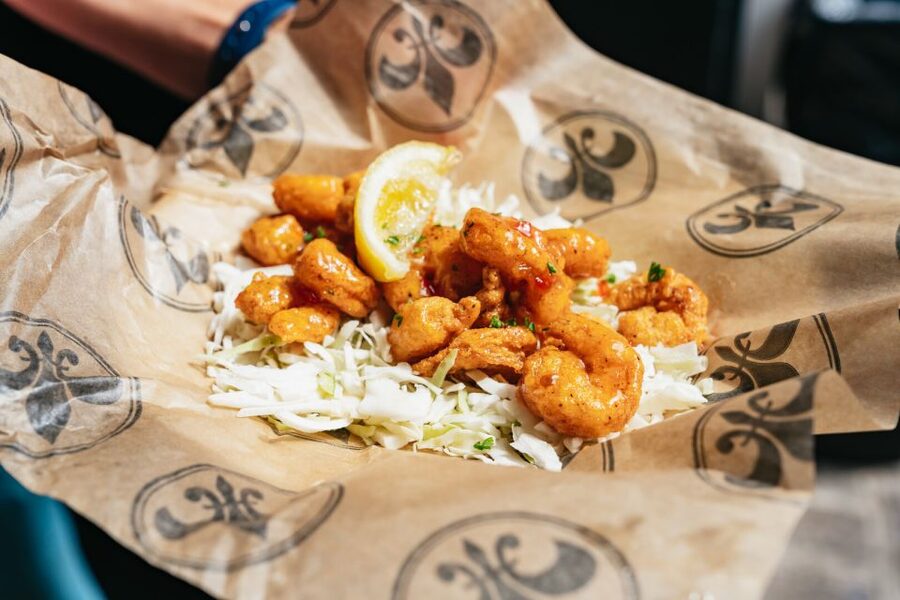
At $89 per person for about three hours, you’re paying for three things at once: the guide’s time, the walking plan, and the food. The standout value here is that all food tastings are included. Six tastings across multiple restaurants is usually a lot of cost if you order à la carte.
Also, this pricing makes sense for a practical reason: it removes the guesswork. In a city where menus can be intimidating (and where “best” can mean very different things), the tour gives you a curated path—oysters, po-boys, pralines, and Cajun/Creole staples—so you don’t waste your first nights chasing the wrong plates.
Alcohol is an optional add-on. If you want it, budget for that extra. If you don’t, you’ll still get enough food to feel like you did something substantial.
Who should book this French Quarter food tour
I’d steer you toward this tour if you:
- Want a structured way to taste French Quarter classics without planning every meal
- Prefer small-group tours where you can ask questions
- Like your food paired with local context and storytelling
- Are visiting for the first time and want quick bearings fast
I wouldn’t choose it if you:
- Need vegan or gluten-free substitutions (not offered here)
- Have dietary needs beyond what you can share at booking time (tastings are prepared in advance based on what you provide)
- Have medical considerations that make it unsuitable (people with diabetes are specifically noted as not suitable)
The tour also asks you to travel light: no pets and no luggage or large bags.
Should you book this French Quarter food tour?
Yes, if your goal is to leave the French Quarter knowing what to order and why. The mix of six tastings, sit-down meals paired with sidewalk bites, and guides like Lisa and Grace (praised for organization and lively city storytelling) makes it a strong first- or second-day activity.
Skip it if your dietary needs require vegan or gluten-free options, or if your schedule needs more flexibility than a set 3-hour walking plan. If you can eat what’s offered and you’re ready to walk comfortably, this is a high-value way to get fed and oriented fast.
FAQ
How long is the French Quarter food tour?
It lasts about 3 hours.
Where does the tour meet and where does it end?
You meet outside Felix’s Oyster House at 739 Iberville Street, and the tour ends back at the same meeting point.
How much does it cost?
The price is listed as $89 per person.
How many tastings are included?
You get 6 food tastings, with an alcohol component add-on available if you choose it.
Is the tour a small group?
Yes. The group is limited to 8 participants.
Are there sit-down tastings, or is it all standing?
It includes sit-down tastings at 4 different restaurants, plus 2 tastings done standing on the sidewalk.
What foods should I expect to taste?
You’ll taste traditional Creole and Cajun cuisine, including chargrilled oysters, a classic Nola Po-Boy sandwich, pralines, and other New Orleans food staples.
What dietary restrictions are supported?
You should let the provider know at purchase if you have dietary restrictions like vegetarian, diabetic, or allergies. However, vegan and gluten-free substitutions are not offered, and it is listed as not suitable for people with diabetes.
What should I bring and wear?
Wear casual clothes and bring comfortable shoes or sneakers. The tour also does not allow luggage or large bags, and pets are not allowed.