REVIEW · CHIANG MAI
Fresh Local Market Tour – Food tour in Chiang Mai
Book on Viator →Operated by Thai Akha Kitchen · Bookable on Viator
Morning markets make the best meal. This 4-hour Chiang Mai street-food tour focuses on local stalls (not tourist traps) and shows you how to choose, order, and taste Thai food with confidence. I love the guided tasting setup, and I really like the included market tour handbook that helps you remember names for spices and ingredients.
The only drawback is also the point: you’ll likely be asked to try foods that aren’t familiar, including items like insects or unusual eggs, so come with an open mind and tell the guide about any allergies before you go.
In This Review
- Key things I’d watch for
- Chiang Mai street food starts at Bumrung Buri Market
- What you’ll taste (and what the guide helps you understand)
- The 8:00 Thai breakfast that sets the tone
- Market time from 9:00 to 11:00: how to navigate like a local
- From market shopping to park lunch: eat what you bought
- Pickup, meeting points, timing, and what to bring
- Price and value: is $33 a good deal for Chiang Mai street food?
- Who should book this market tour (and who should think twice)
- FAQ
- How long is the Fresh Local Market Tour in Chiang Mai?
- What time does the tour start?
- Is hotel pickup included?
- Where is the meeting point?
- What meals and snacks are included?
- Does the guide speak English?
- Are there any food or drink costs not included?
- What should I bring or know before I go?
- Is the tour cancelable?
- Should you book this Chiang Mai market food tour?
Key things I’d watch for
- Private-group pace: your group stays together, so questions don’t get lost in the shuffle
- Thai breakfast first: you start with a traditional morning meal, then build your taste-map as you walk
- A local market you can actually navigate: the guide helps you read menus and spot what locals order
- Chiang Rai connections: you get to meet and chat with local, food-obsessed people
- Park lunch using market buys: you shop, carry the food, then eat it in a relaxed setting
- A handy take-home booklet: you won’t forget that spice name you keep thinking about
Chiang Mai street food starts at Bumrung Buri Market
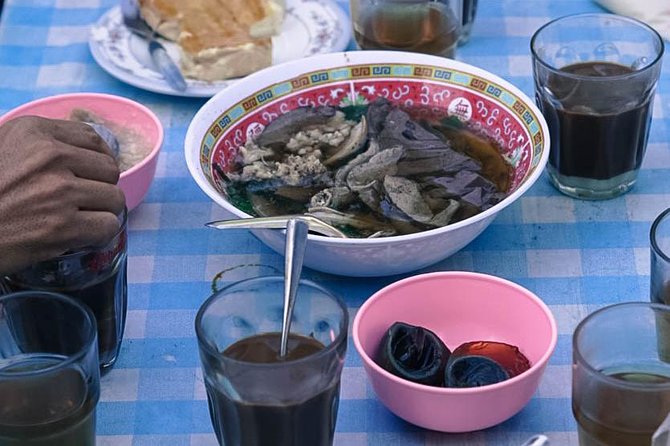
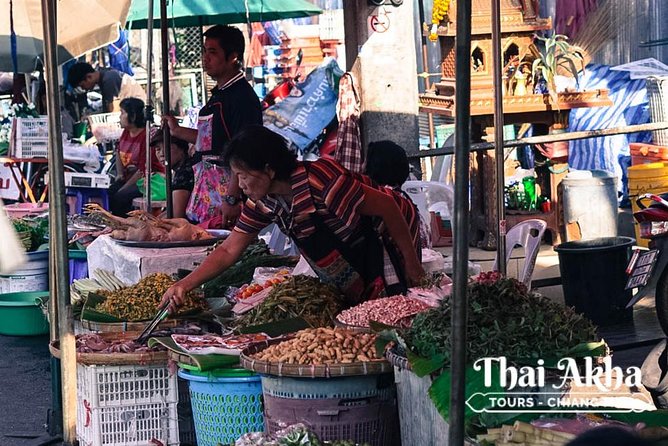
This tour is built around one core idea: if you want real Thai street food, you need to start where locals shop and eat. Instead of hopping across a lineup of generic stops, the day’s heart is the market experience at Bumrung Buri Market. That matters because markets in Chiang Mai are where you learn what’s seasonal, what’s being used today, and which vendors are steady enough to pack food for everyday life.
The “fresh local market” focus also sets expectations. You’re not just looking at stalls for photos. You’re learning how to walk up confidently, ask for what you want (or what you should try), and then taste with guidance. If you’ve ever wandered a market and felt half-panicked about what to buy, this tour is the antidote.
And yes, the tour is priced at the level where it can feel approachable, especially because you’re not paying extra for every bite along the way. When a street-food tour keeps costs predictable, you can actually enjoy yourself.
You can also read our reviews of more food & drink experiences in Chiang Mai
What you’ll taste (and what the guide helps you understand)
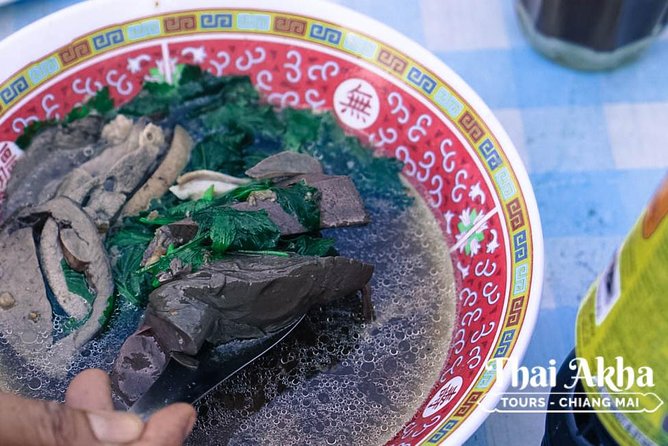
Street food can be confusing in the best and worst ways. A dish can look simple, but the flavor comes from layers you might not recognize—spices, aromatics, fermented ingredients, and textures that don’t translate well from a menu photo.
That’s why I like that the guide pushes beyond just feeding you. You’ll be encouraged to touch, taste, and smell ingredients across Thai cuisine, which turns the whole experience into a mini crash course you can take home. And you also learn what to look for in the market, so you’re not only tasting—you’re building your own “future order” skills.
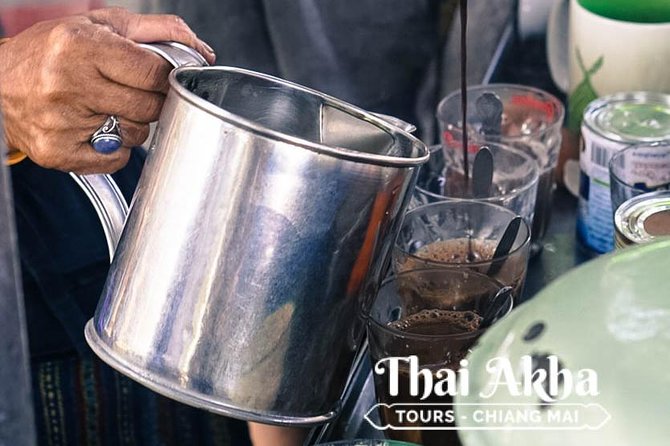
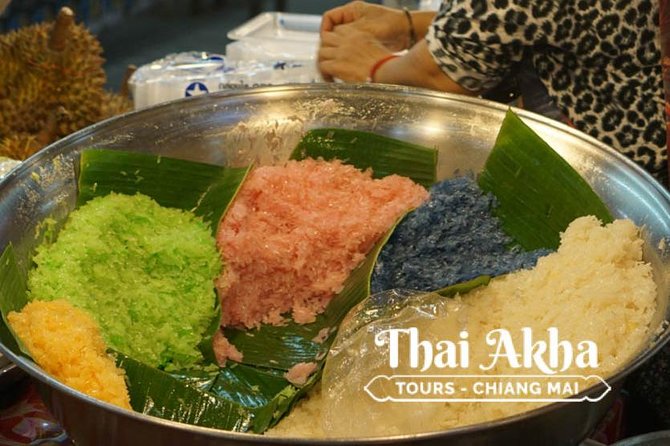
There’s also a playful side to it. The tour info notes you might want your camera because you may see items like silk worm, ant egg, or pink egg. Whether or not you personally choose to eat those, the point is that you’ll be exposed to real local options rather than a filtered selection.
One more detail I really appreciate: you get a complimentary market tour handbook, which is included for a reason. At some point you’ll taste a spice or ingredient that you can’t name on the spot, and later you’ll want that answer. This booklet is meant for that exact moment.
The 8:00 Thai breakfast that sets the tone
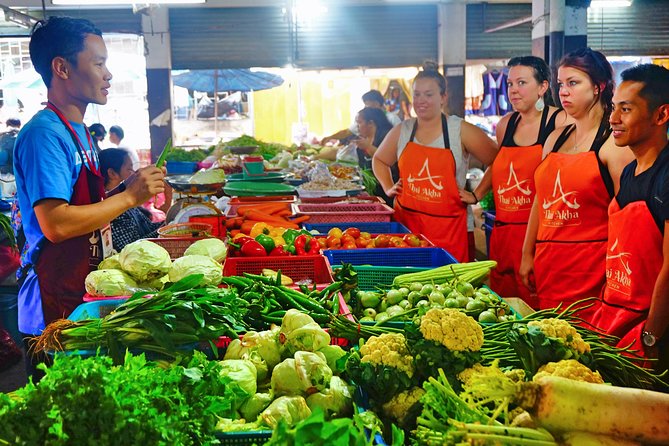
The schedule starts with pickup and then a shared breakfast before you hit the market. From around 8:00 to 9:00, you meet up, get acquainted with your group, and then enjoy a Thai traditional breakfast together. This is one of those smart tour design choices that makes everything afterward easier.
Breakfast first helps in two ways. One, it warms you up to Thai flavors in a low-pressure setting. Two, it gives you a baseline so when you later try snacks, fruits, and street dishes, you can better tell what’s new and what’s familiar.
The tour asks you to come with an empty stomach. That’s not just marketing language—if you show up full, you’ll miss the point of tasting and comparing. Even if you’re not a breakfast person at home, I’d treat this like part of the day’s plan, not an optional snack stop.
Market time from 9:00 to 11:00: how to navigate like a local
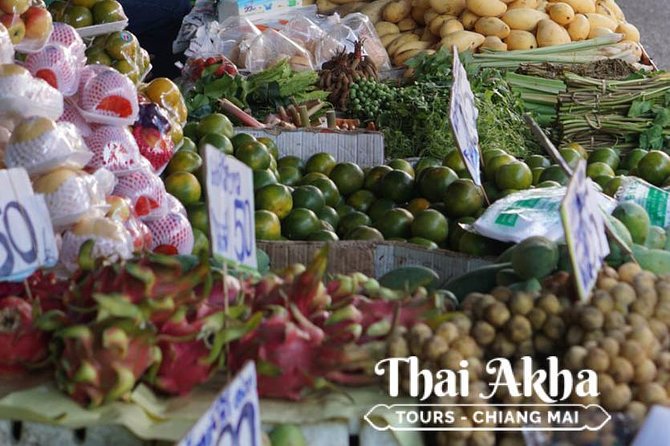
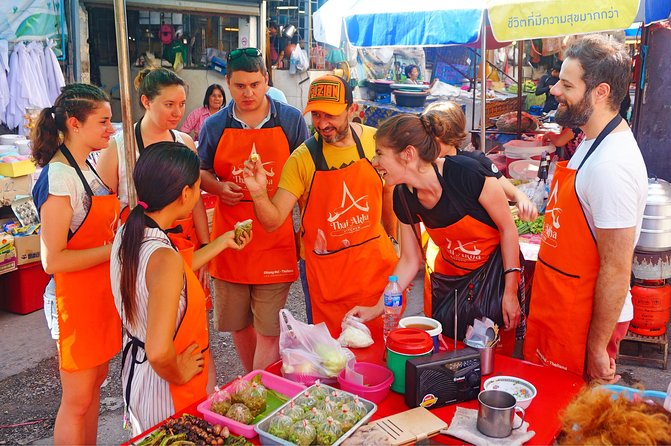
From about 9:00 to 11:00, the heart of the experience is your market walk at Bumrung Buri Market. You explore with the guide, and you try foods, drinks, and fruits that grab your attention. The key is that the guide isn’t only pointing out items—they’re helping you understand how a Thai food market works.
In practical terms, this is what you gain:
- You learn which stalls are worth your attention and how to order with less guesswork
- You get help identifying ingredients that create the flavor
- You try items that are less common for casual tourists
That last part is real value. A lot of markets get “over-explained” for crowds, and you end up eating things that are already familiar. Here, the focus is on local tastes and on stalls that don’t rely on tourist demand.
There’s also a social angle. One highlight is meeting and chatting with food-mad Chiang Rai locals. That’s more than a photo opportunity. Local conversations can help you understand what’s considered normal to eat, when it’s eaten, and why certain flavors are loved day after day.
From market shopping to park lunch: eat what you bought
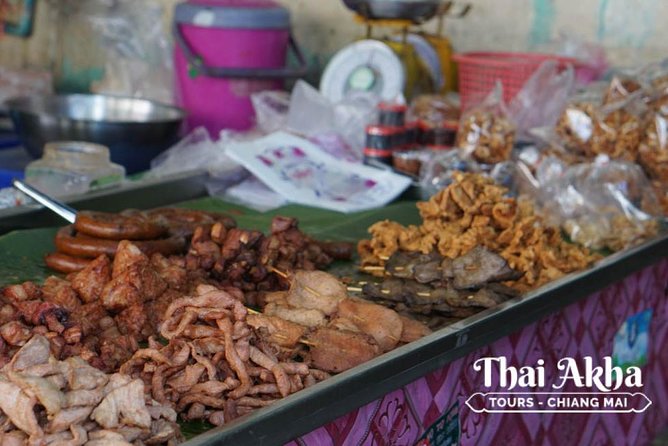
After the market exploration, the tour shifts from browsing to eating. Between about 11:00 and 12:00, you walk with the food you bought to the park and have lunch there.
I like this part because it turns street food into something less stressful. You don’t have to figure out where to sit, what’s safe, or how to keep your food organized while you’re moving. The timing also matters: you’re not eating too late, and you’re still tasting with momentum from the morning.
It’s also a good model if you want to replicate the experience later. In Chiang Mai, markets and street eating go together, but many first-timers struggle with the “so where do I actually eat it?” question. This tour answers that for you with a simple flow: shop, carry, then eat in a designated park setting.
Lunch here is included, along with snacks and bottled water. That’s another quiet value boost. When meals are covered, you don’t end up doing math every time your stomach starts negotiating with your schedule.
A few more Chiang Mai tours and experiences worth a look
Pickup, meeting points, timing, and what to bring
The experience runs for about 4 hours. The pickup window is listed around 7:30 to 8:00, and pickup is offered within 3 km of the city area. If you’re staying outside that range, you’ll need to use the meeting point instead.
The starting meeting point is listed as: 14 Soi Rat Chiang Saen 2 Ko., Tambon Hai Ya, Amphoe Mueang Chiang Mai, Chang Wat Chiang Mai 50100, Thailand. The tour description also mentions a nearby temple famous for learning Thai massage. That temple area functions as a reference point for customers who don’t need pickup service, so you’ll want to check the exact instructions you receive after booking.
A couple practical notes I think you’ll actually use:
- Bring your camera, because the food items can be visual
- Skip big bags or luggage; the tour also mentions that you shouldn’t bring large bags
- If you have food allergies, tell the organizer beforehand
You’ll receive a custom Akha cross bag with practical items like bottled water, hand sanitary tissue, a pen, and an umbrella. Even if it doesn’t rain, the umbrella is one of those “better to have it” things in Chiang Mai weather. And you’ll return the umbrella after the tour.
Also, this is a private tour/activity, so it’s only your group. That can be a big deal on a tasting tour, because questions and pacing stay personal.
Price and value: is $33 a good deal for Chiang Mai street food?
At $33, this tour sits in an affordable range for a guided, food-included half-day. The real question is whether you’re paying for experience design or just for access.
Here, you’re paying for:
- A fluent English guide (Thai-speaking guide) who helps you navigate the market
- Breakfast, lunch, and snacks
- Handling charges and fees for food and drinks
- Hotel pickup and drop-off within 3 km
- The souvenir-style tools like the market handbook and the Akha bag
And the “not included” list is short: alcohol is available for purchase, but it’s not part of the package.
That combination is what makes the price feel fair. If you’ve tried booking street-food tours in other places, the common complaint is that you still end up paying separately for most items. Here, many of the food and drink costs are handled for you, so you spend less time deciding and more time tasting and learning.
The main thing to consider is the style of eating. If you’re the kind of person who wants only familiar flavors and avoids adventurous items, you might feel restrained by the tour’s “try what locals eat” mindset. But if you’re open to learning through tasting, the value becomes very clear.
Who should book this market tour (and who should think twice)
I think this tour is a strong fit if:
- You want a guided way to eat Thai street food without wandering aimlessly
- You like markets and want to understand how they work
- You enjoy learning through your senses—smell, taste, and texture
- You’re okay with trying new snacks, including unusual items
It may not be the best match if:
- You have serious food allergies and you’re worried about uncertainty
- You prefer tours with only mild, universally familiar foods
- You really don’t want anything adventurous like insect or egg-based items
One more small consideration: you’re asked to come with an empty stomach. If breakfast and tasting are hard for you, plan to treat this like your main meal experience rather than an optional add-on.
FAQ
How long is the Fresh Local Market Tour in Chiang Mai?
It lasts about 4 hours.
What time does the tour start?
Pickup is listed around 7:30–8:00, and the tour includes a meeting and Thai breakfast starting around 8:00.
Is hotel pickup included?
Yes, hotel pickup and drop-off are included for locations within 3 km from the city area. If you don’t need pickup, you’ll meet at the listed meeting point.
Where is the meeting point?
The meeting point is at 14 Soi Rat Chiang Saen 2 Ko., Tambon Hai Ya, Amphoe Mueang Chiang Mai, Chang Wat Chiang Mai 50100, Thailand. A nearby temple known for Thai massage is also referenced for those not using pickup.
What meals and snacks are included?
Breakfast, lunch, and snacks are included, along with bottled water.
Does the guide speak English?
Yes. The guide is described as fluent in English, with Thai-speaking ability as well.
Are there any food or drink costs not included?
Alcoholic drinks are not included and can be purchased separately.
What should I bring or know before I go?
The tour asks you to avoid big bags or luggage and to bring your camera. If you have allergies, let the organizer know beforehand.
Is the tour cancelable?
Yes. Free cancellation is available, with a full refund if you cancel at least 24 hours in advance.
Should you book this Chiang Mai market food tour?
If you want a half-day that teaches you how to eat like a local, this is an easy recommendation. The biggest draw is the guide-led tasting structure—breakfast first, market second, park lunch third—so you learn through real food instead of just watching it.
Book it if you’re open to trying local snacks and you’d enjoy a market conversation with the kind of people who care about food. If you only want safe, familiar choices, you might find the tasting part too adventurous. But for most food-curious travelers, the mix of included meals, a supportive guide, and practical tools like the market handbook makes it a strong value.