REVIEW · CHIANG MAI
Go where the locals go, Eat what the locals eat! Food Tour with Local Foodies
Book on Viator →Operated by Chiang Mai Foodie Tours · Bookable on Viator
Street food with a plan beats guesswork fast. This Chiang Mai Foodie Tours experience takes you through old markets and temple stops where the food actually comes first, with guide time built around eating and not waiting in traffic. I like that the route includes both sightseeing and tastings, including a family-owned Kao Man Gai stop (serving locals since 1957) and a chance to hear your guide clearly with optional headsets.
What I really love is how the food stays grounded in Northern Thailand, not generic Thai menu favorites. You’ll sample standouts like Kao Soi, mango sticky rice, Northern Thai sausage (Sai Oua), and more, plus you get dish context like origins and how locals think about these flavors.
One thing to consider: the tour is built around a set number of food stops, so if you’re expecting a nonstop crawl of dozens of dishes, this might feel a bit like a curated sampler rather than an all-day free-for-all.
In This Review
- Key things that make this tour work
- Eating on purpose: why the transport setup matters in Chiang Mai
- Three Kings Monument morning: Kao Man Gai, temple walking, and dessert hunting
- A practical note
- Wat Chiang Man and the temple stops: the city’s food map
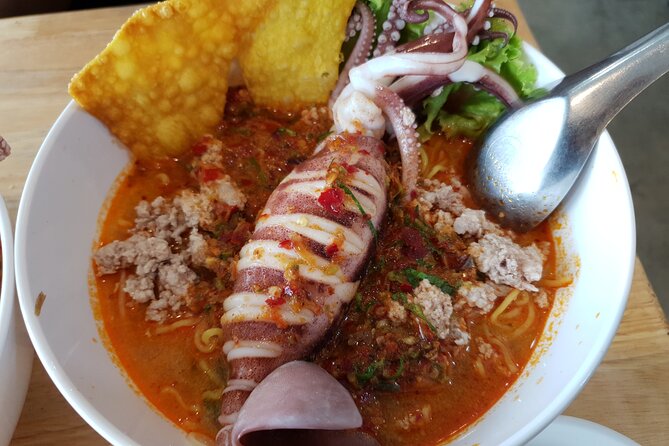
- Kao Soi: not just a dish, but a story you can taste
- Warorot Market at 4pm: Sai Oua, Golden Curl, mango sticky rice, and Thai iced tea
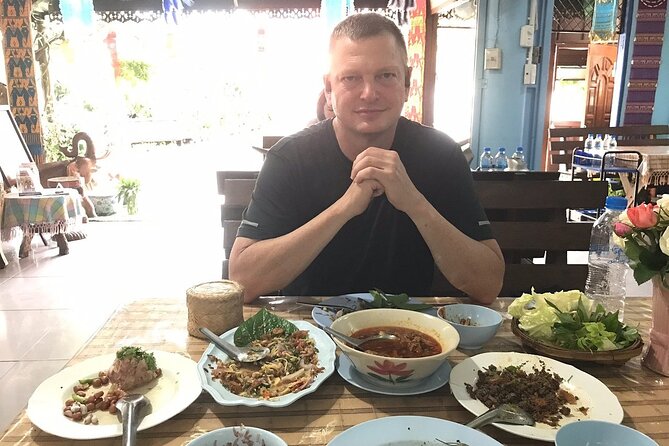
- The Northern Thai restaurant meal: dishes with names you’ll remember
- Group size, guide style, and how to get the most from your stops
- Price and value: what $50.52 buys you in real Chiang Mai time
- 9am vs 4pm: choosing the route that fits your day
- Who should book this Chiang Mai Foodie Tours experience
- Should you book it
- FAQ
- Where do the tours start?
- How long is the tour?
- What food tastings are included?
- What’s included in the price?
- Is there a dress code?
- Can I cancel for a refund?
Key things that make this tour work
- Old City start with real food anchors: Three Kings Monument plus a temple walk keeps the tour from feeling like only a snack run
- Headsets available on request: You can actually catch the guide’s explanations at market volume
- Northern Thai focus: Kao Soi, Sai Oua, and Lanna-style dishes give you a stronger sense of place
- Two meeting times, two vibes: 9am leans Old City + dessert, 4pm leans Warorot + evening market area
- Private driver time savings: Less traffic time means more time with your next bite
Eating on purpose: why the transport setup matters in Chiang Mai
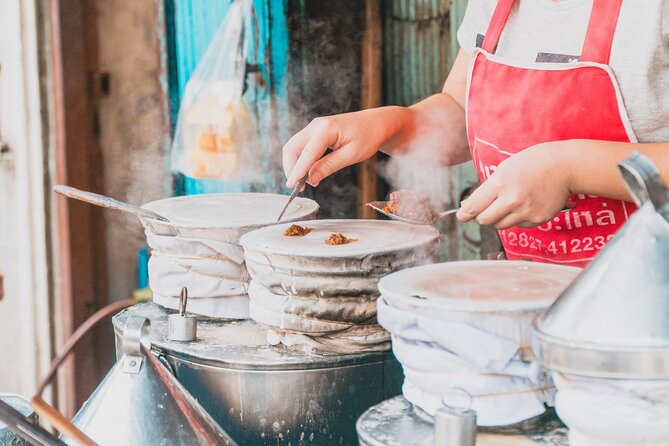
In Chiang Mai, traffic can slow you down fast. I like that this tour builds in a private driver so you spend less time crossing town and more time actually eating. Even if you’re staying central, moving between markets, temples, and local restaurants takes time on your own. Here, the schedule is designed to minimize that drag.
The tour also stays group-friendly. With a maximum of 20 people, you’re not stuck in a huge pack. If you want to hear the guide without craning your neck in crowded aisles, ask for the headsets option; that’s a big deal on market days when voices, engines, and haggling blend together.
Finally, the included basics matter more than they sound: bottled water, snacks, and food tastings. Alcohol isn’t included (you can buy it), so you’re not dealing with blurry decision-making mid-route. It’s a smart setup for tasting several dishes without burning your energy too early.
You can also read our reviews of more food & drink experiences in Chiang Mai
Three Kings Monument morning: Kao Man Gai, temple walking, and dessert hunting
The 9am option starts at the Three Kings Monument in the Old City. That’s a good meeting point because it puts you near the action from the start, and it makes the walking parts feel like sightseeing with purpose, not just exercise.
Your first major food anchor is Kao Man Gai at a restaurant locals and visiting Thai people like, family-owned since 1957. This matters because it isn’t a flashy newcomer built for tourists. You’re tasting a staple that has survived long enough to become part of the daily rhythm.
From there, you walk to Wat Chiang Man, noted as the first temple built in the Old City. Expect temple-courtesy basics: dress appropriately, keep things respectful, and treat the walk as part of the food context. Then the tour turns back to the edible theme with Kao Soi, including its history and origins.
Finally, you finish the morning with a dessert focus that’s very Chiang Mai. Look out for Sakoo Sai Hmoo and Kao Griap Paak Hmaw, plus extra stops that keep you from leaving after just noodles and chicken.
A practical note
This morning route works best when you’re ready to eat early and keep going. If your appetite tends to run out by mid-day, consider the 4pm version instead.
Wat Chiang Man and the temple stops: the city’s food map
Food tours get better when the guide ties dishes to real places. Here, the temple walking does that. Wat Chiang Man is the first-temple piece in the Old City story, so it gives you a strong sense of how Chiang Mai’s identity formed around community spaces long before modern markets and restaurants.
You also visit the Wat Gate Community, which adds another layer beyond the famous monuments. Even if you’re not a temple-expert, these stops help you understand why certain ingredients and dishes make sense locally. Chiang Mai’s food culture isn’t just about flavors; it’s also about how people live, gather, and pass traditions down.
Dress code matters for the temple parts. If you show up in shorts that are too short or tops that are too revealing, you may have to adjust on the spot. Bring something light you’re comfortable wearing for a walk through temple areas.
And because the tour includes both eating and these site stops, it tends to feel less repetitive than a straight market crawl. You get a mental reset between tastings, which helps your palate actually notice differences.
Kao Soi: not just a dish, but a story you can taste
Kao Soi is one of those foods that sounds simple until you start learning why locals care about it. On this tour, you don’t just eat it; you learn where it comes from and what shaped the way it’s made and served in Chiang Mai.
That storytelling piece matters because Kao Soi varies by shop and by style. When you know the origins and local context, the dish feels more intentional. You’re less likely to treat it like a one-time checkbox meal.
One extra bonus: at least one guide-led experience on this tour route included serving Kao Soi at a Michelin-starred restaurant. You should not assume every run is the same, but it does suggest the tour can blend street-style cravings with higher-end seating when the dish is worth it.
If you love noodles, tangy soup, and layered textures, this is a highlight worth building your day around.
A few more Chiang Mai tours and experiences worth a look
Warorot Market at 4pm: Sai Oua, Golden Curl, mango sticky rice, and Thai iced tea
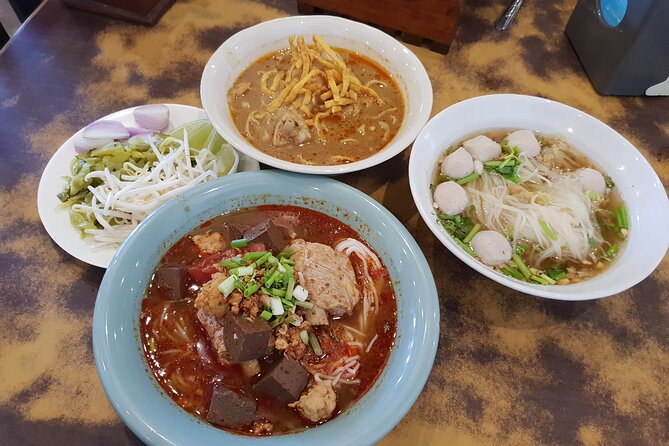
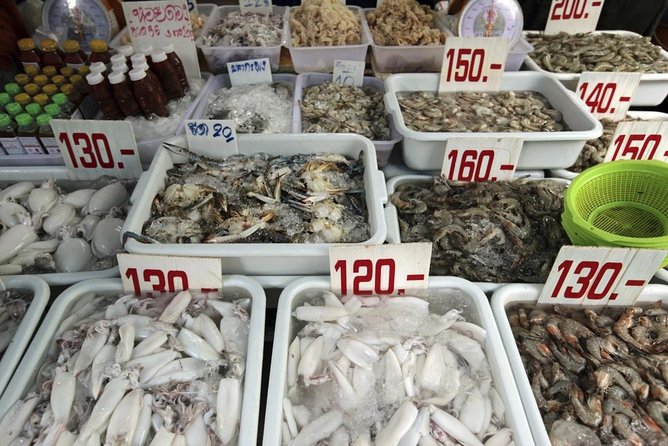
The 4pm option meets at Warorot Market (Kad Luang). This is a major reason to choose the afternoon tour: Warorot is described as one of Chiang Mai’s oldest, largest, and most diverse open markets. In practice, that means you’re not just repeating the same ingredients. You’re seeing the market as locals use it.
Inside the market, the tour stops at favorite stands and you taste things that feel very Northern Thai or very Chiang Mai-specific. Expect highlights like:
- Sai Oua (Northern Thai sausage)
- Golden Curl (a market snack item)
- mango sticky rice
- Thai iced tea
Then the route keeps you moving with a stroll through the flower market nearby. That break helps you switch gears without losing momentum. It also helps if you want photos and atmosphere without turning it into a full sightseeing detour.
The Northern Thai restaurant meal: dishes with names you’ll remember
After the market time, you ride to an authentic Northern Thai restaurant for a proper feast. This is where the tour shifts from bite-sized tasting to a sit-down meal you can slow down for.
You’ll eat dishes including:
- Gaeng Hunglay
- Larb Moo
- Khua Jin Som
- Yum Samunprai herbal salad (called out as award winning)
This is a smart mix because you get different flavor “jobs” on your plate. You’re not just chasing heat. You’re sampling sour, herbal, savory, and spiced profiles that reflect Northern cuisine habits. If you’ve only had Thai food outside of Thailand before, this is one of the ways you’ll notice how regional cooking styles differ.
Also, eating at a restaurant (not only street stalls) helps you understand what the dishes should taste like when they’re prepared consistently.
If you’re the type who likes to order the same dish again later, you’ll have the dish names you need after the tour.
Group size, guide style, and how to get the most from your stops
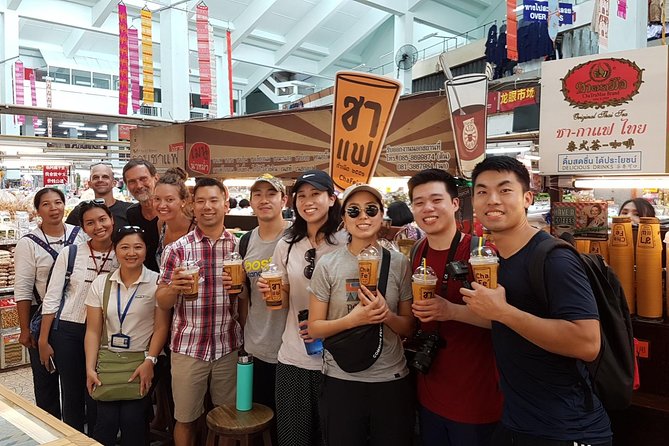
This tour caps at 20 travelers, and that makes a difference. You can typically hear instructions, follow the group without losing people, and ask questions without feeling like you’re shouting over a crowd.
Guide quality shows up in how the food is explained. In the reviews you provided, guides named PT and Sky get repeated praise for making the tour feel like a friend showing you around. Another guide name that comes up is Pondtip (spelled as Podtip in one note). When guides are that hands-on, you get more than food; you get context about spices, ingredients, and why certain places matter.
Here’s how you can get the most out of it:
- Come hungry. This is a tasting-heavy day with multiple stops.
- Ask questions about how dishes differ by vendor; the guide can connect the dots.
- Wear temple-friendly clothing for any temple walking segments.
If you’re worried about language barriers, English is supported through the guide; and if the noise level gets too high, headsets help you stay in the conversation.
Price and value: what $50.52 buys you in real Chiang Mai time
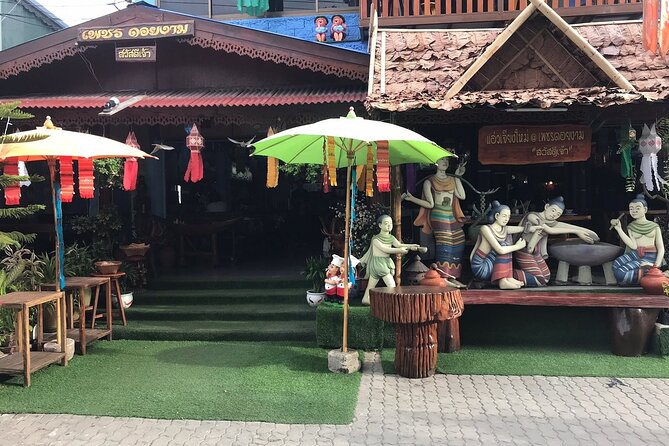
At about $50.52 per person, this tour sits in a reasonable range for a guided food experience that includes multiple tastings, a driver, and temple context. The value isn’t only the food count. It’s the time management.
You’re paying for:
- guided stops at markets and temples
- food tasting (multiple dishes, not just one snack)
- transportation via private driver to reduce dead time
- bottled water and snacks
- a structure that helps you see where to eat next once the tour ends
The only price-value warning I’d give is based on the balance of stops. One lower rating note suggested it felt expensive for fewer stops and that the group count affected pacing. That can happen if your expectations are for a very long list of ultra-random street snacks. If you want a focused Northern Thai highlight set done efficiently, the price-to-experience ratio usually makes sense.
Think of it as a well-timed sampler plus a sit-down meal, not a 10-hour binge walk.
9am vs 4pm: choosing the route that fits your day
Choose the 9am option if you want the Old City feel and you like finishing early. You’ll hit the Three Kings Monument area, walk to Wat Chiang Man, taste Kao Soi, and then end with dessert stops. It’s a good morning reset before the afternoon heat ramps up.
Choose the 4pm option if you prefer market energy and you want the day to build toward evening food. You start at Warorot Market, sample Northern bites like Sai Oua, then go to a Northern Thai restaurant for a meal with several named dishes. In the late-day mood, mango sticky rice and Thai iced tea fit the rhythm well.
In short: morning for Old City temples + dessert-focused ending; afternoon for Warorot market + restaurant feast.
Who should book this Chiang Mai Foodie Tours experience
This tour is a strong fit if you want Northern Thailand flavors in a structured way. It’s especially good for you if:
- you’re tired of guessing which stall is worth your time
- you want Northern Thai dishes like Kao Soi and Sai Oua, not just whatever is easiest to find
- you enjoy food plus short cultural stops rather than only eating
It’s also a fine choice if you like small-group pacing. The maximum of 20 travelers helps keep things human-sized.
If you’re the kind of eater who wants to build a perfect self-guided route and wander freely, you might not love how planned it is. But if you’d rather spend your energy tasting and asking questions, this is the easier path.
Should you book it
I think you should book this tour if your goal is to taste Chiang Mai’s food culture with guidance, not to experiment blindly. The combination of market time, named Northern Thai dishes, and temple context is a good recipe for getting a real sense of Lanna-era flavors.
Two final tips to help you decide:
- If you care about hearing explanations during crowded market stops, ask about headsets.
- If you hate early starts, pick the 4pm meeting time at Warorot Market.
FAQ
Where do the tours start?
The 9am tour starts at Three Kings Monument in the Old City. The 4pm tour starts at Warorot Market (Kad Luang).
How long is the tour?
It runs about 4 to 8 hours, depending on the route and timing.
What food tastings are included?
The tour includes food tastings. Examples mentioned include Kao Man Gai, Kao Soi, Sai Oua, Golden Curl, mango sticky rice, Thai iced tea, and restaurant dishes like Gaeng Hunglay, Larb Moo, Khua Jin Som, and Yum Samunprai herbal salad.
What’s included in the price?
Included: a professional guide, bottled water, food tasting, snacks, and a driver/guide. Alcoholic drinks are not included.
Is there a dress code?
Yes. Dress code is appropriate for visiting temples.
Can I cancel for a refund?
Yes. Free cancellation is available if you cancel up to 24 hours in advance of the experience start time for a full refund.